How to Access Mental Health Services in Bulgaria as an Expat
Moving to a new country like Bulgaria, with all its charm and challenges, often brings a unique set of stresses that can quietly chip away at your mental well-being. It’s easy to feel isolated, overwhelmed by new customs, or just plain lost when you need help the most. This guide is here to walk you through the various avenues for accessing mental health services in Bulgaria, ensuring you know exactly where to turn when you need support.
Understanding the Mental Health Landscape in Bulgaria for Expats
When you first arrive in Bulgaria, the administrative hurdles alone can be enough to make you feel a little stressed, never mind the actual process of settling in. Now, imagine needing to find mental health support on top of that. It’s a daunting thought, and it’s completely valid to feel apprehensive. The mental health landscape here has its nuances, and what you might be used to in your home country might operate quite differently. It’s not always as straightforward as walking into a clinic and explaining your situation in English.
Culturally, discussions around mental health in Bulgaria have historically been a bit more private, even stigmatised, compared to Western nations. While this is changing, especially among younger generations and in urban centres like Sofia or Plovdiv, you might still encounter some older perspectives that view mental illness with caution or misunderstanding. For an expat, this can feel incredibly isolating. You might hesitate to discuss your struggles openly, fearing judgment or simply not knowing how to bridge the cultural gap. This perception can sometimes influence how services are structured or advertised, making them less visible if you’re not looking in the right places or don't speak Bulgarian.
The Cultural Context of Mental Health in Bulgaria
Available reporting suggests that the understanding and open discussion of mental health issues have definitely evolved, but it’s still a work in progress. For many Bulgarians, particularly in smaller towns or among older demographics, talking about mental health problems publicly is often avoided. Issues like depression, anxiety, or burnout might be acknowledged, but perhaps under different terms, or chalked up to "stress" or "difficult times" rather than clinical conditions. This isn’t a judgment, but an observation that can impact an expat’s experience. You might find less public awareness campaigns or obvious resources compared to what you’re accustomed to.
This cultural backdrop means that as an expat, you often have to be more proactive in seeking help and sometimes more persistent in finding professionals who not only have the right qualifications but also a modern, empathetic approach to mental health. It also means that peer support networks within the expat community become even more vital, as they often provide a safe space where shared experiences can be openly discussed without fear of misinterpretation or cultural stigma. Understanding this context helps manage expectations and guides your search for appropriate support.
Initial Challenges for Expats Seeking Support
One of the biggest initial hurdles, beyond the cultural aspect, is simply knowing where to begin. The Bulgarian healthcare system, while robust in many areas, can be a maze for newcomers. You're likely wondering: Do I need a referral? Is my insurance valid? Will anyone understand me? These are all very real and valid concerns. Many expats often arrive without a clear understanding of the local medical infrastructure, let alone specific mental health pathways. The first instinct might be to search online, but information in English can be scarce or outdated.
Another significant challenge is the administrative overhead. Registering with a GP, understanding the nuances of the National Health Insurance Fund (NHIF), and then figuring out how those connect to mental health services takes time and effort. Many expats, myself included, have found themselves going in circles trying to navigate the system, often translating documents, making calls with limited Bulgarian, and hoping for the best. It’s a process that can be frustrating, especially when you're already feeling vulnerable. It's why having a solid guide like this one can make all the difference, cutting down on the guesswork and pointing you in the right direction from the outset.
Navigating Public Mental Health Services
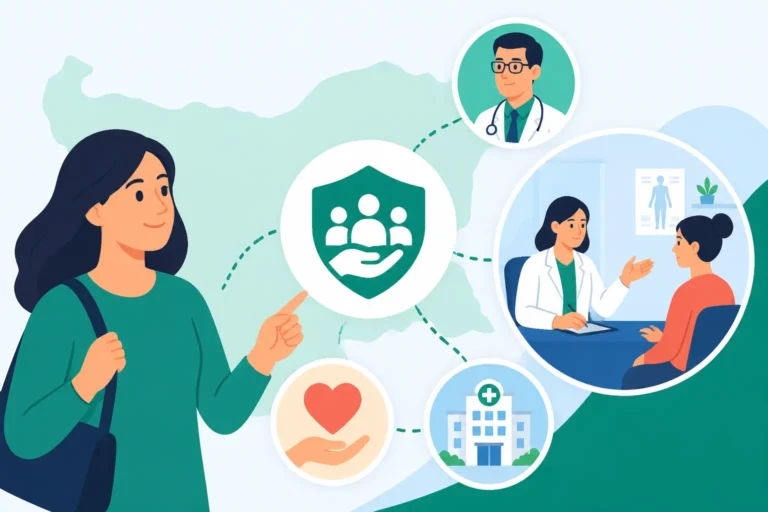
The public healthcare system in Bulgaria, primarily managed by the National Health Insurance Fund (NHIF), does offer mental health services, but accessing them as an expat can feel a bit like cracking a code. It's not impossible, but it definitely requires understanding the structure and being prepared for potential language barriers and varying levels of service. The key here is usually starting with your registered General Practitioner (GP). If you're wondering about the overall structure of the system, I highly recommend reading How Bulgaria's Health System Works: The NHIF and Private Care Explained (2027).
To benefit from the public system, you generally need to be a resident and registered with the NHIF, making your mandatory contributions. Once you're in the system, your GP acts as the gatekeeper for specialist referrals. This means you can't typically just book an appointment with a psychiatrist or psychologist in the public system without a referral from your GP. This is a common practice in many European public health systems, designed to manage patient flow and ensure appropriate care pathways. However, it also means your GP needs to be aware of your needs and willing to provide that referral.
Starting with Your GP and the NHIF System
Your General Practitioner (GP), or личен лекар (lichen lekar), is your first point of contact for nearly all healthcare needs in Bulgaria, including mental health. If you haven't already, registering with a GP is one of the foundational steps for any expat in Bulgaria. You can learn more about this process in How to Register with the NHIF and a GP in Bulgaria (2027). Once registered, if you're experiencing mental health issues, your GP is the person you should speak to first. They can assess your symptoms, offer initial advice, and, crucially, provide a referral to a specialist if needed.
The challenge here often lies in finding a GP who speaks English and is familiar with mental health issues from an expat perspective. While many younger GPs in urban areas do speak English, it's not a given. Clearly communicating your symptoms and needs can be difficult if there’s a language barrier. When you explain your symptoms, be as clear and direct as possible. For instance, instead of saying "I feel down," describe specific feelings like persistent sadness, loss of interest, sleep disturbances, or anxiety attacks. If you're concerned about finding an English-speaking doctor, check out How to Find an English-Speaking Doctor in Bulgaria for some useful tips. Your GP can refer you to a state-funded psychiatrist (психиатър) or a neurologist (невролог), which might be covered by your NHIF contributions, often with a small co-payment.
Accessing Specialist Care Through Public Channels
Once your GP provides a referral (a направление or talon), you can then seek an appointment with a specialist psychiatrist or sometimes a psychologist within the public health system. Psychiatrists are medical doctors who can diagnose mental health conditions, prescribe medication, and provide various forms of therapy. Psychologists, on the other hand, focus on therapy and counselling but cannot prescribe medication. In the public system, access to psychologists might be more limited or require further specific referrals.
Wait times for public specialists can vary significantly depending on the region and the specific doctor's availability. In larger cities, you might find more options, but demand can also be higher. It's worth remembering that public facilities might not always have the most modern amenities or the same level of privacy as private clinics. However, they are a vital resource, especially for ongoing care that involves medication management. If you’re looking to understand how referrals work for any specialist, not just mental health, How Specialist and Hospital Referrals Work in Bulgaria provides an excellent overview. Be prepared to be proactive, follow up on appointments, and potentially bring a Bulgarian-speaking friend if your language skills are not yet strong.
Exploring Private Mental Health Options
For many expats, especially those who prefer direct access, privacy, and potentially more nuanced therapeutic approaches, the private mental health sector in Bulgaria often becomes the preferred route. It provides a greater degree of flexibility, shorter waiting times, and a higher likelihood of finding English-speaking professionals right from the start. While it comes with a cost, the peace of mind and personalised care can be invaluable.
The private sector boasts a growing number of clinics and individual practitioners, particularly in Sofia, Plovdiv, and Varna. These professionals often have international experience, a broader range of therapeutic methods, and a better understanding of the unique challenges faced by expats. You can bypass the GP referral system entirely, scheduling appointments directly with the specialist of your choice. This direct access is a significant advantage for those who need immediate support or prefer to maintain greater control over their mental healthcare journey.
Finding Private Therapists and Psychologists
Finding a private therapist or psychologist is often the first step for expats seeking mental health support in Bulgaria. Websites like Superdoc.bg or national association websites for psychologists can be good starting points, though you'll need to filter for English-speaking practitioners. Many private practitioners also advertise through expat forums and social media groups, which can be excellent resources for personal recommendations. Look for therapists with specific specialisations that align with your needs, whether it's anxiety, depression, trauma, or relationship issues.
When searching, pay attention to their qualifications (e.g., licensed psychologist, psychotherapist, counsellor) and their therapeutic approach (e.g., CBT, DBT, psychodynamic). Don't hesitate to reach out to a few different professionals for an initial consultation. Many offer a brief introductory call, sometimes free or at a reduced rate, to see if there's a good fit. This "fit" is crucial for successful therapy; you need to feel comfortable and understood. Remember, finding the right person can take time, but it’s an investment in your well-being.
Private Psychiatric Care and Hospitalization
If your needs extend to medication management or more intensive psychiatric intervention, private psychiatrists are also available. Similar to psychologists, you can find them through online directories, private clinic websites, or expat recommendations. Private psychiatrists can prescribe medication, conduct diagnostic assessments, and offer ongoing treatment plans. The benefit here is often quicker appointments and more personalised attention than the public system might afford.
In more severe cases where inpatient care might be necessary, Bulgaria does have private psychiatric hospitals or wards within private general hospitals, primarily in Sofia. These facilities offer a higher standard of comfort and privacy compared to public institutions. However, it's critical to understand that private hospitalisation comes at a significant cost, and you'll need to check your health insurance carefully for coverage. For broader information on hospitals, understanding the difference between public and private can be insightful: Understanding the Difference Between Public and Private Hospitals in Bulgaria. In any event of emergency, regardless of private or public, always remember the national emergency number, 112, for immediate assistance.
Online and Telehealth Mental Health Services
The rise of online therapy and telehealth services has been a game-changer for many expats, especially those in more remote areas of Bulgaria or those who prefer the convenience and anonymity of virtual sessions. Many private therapists in Bulgaria now offer online consultations, and there are also numerous international platforms that connect clients with licensed therapists worldwide. This means you can access support from a professional in your home country or from another country, potentially in your native language, without leaving your Bulgarian home.
Platforms like BetterHelp, Talkspace, or even independent practitioners offering Skype/Zoom sessions have made mental health care much more accessible. This option often bypasses language barriers entirely and can be particularly beneficial for those who feel more comfortable speaking to someone from their own cultural background. However, always ensure the therapist is properly licensed and understands any cross-border implications for treatment, especially regarding prescription medication if that becomes a part of your care plan. While incredibly convenient, online therapy may not be suitable for all situations, particularly severe crises requiring immediate, in-person intervention.
Language Barriers and Finding English-Speaking Professionals
The language barrier is arguably one of the most significant challenges for expats navigating any service in Bulgaria, and mental health care is no exception. Therapy, by its very nature, relies heavily on nuanced communication, emotional expression, and deep understanding. When you’re trying to articulate complex feelings in a second language, it can feel like you’re only scratching the surface, or worse, being misunderstood. This isn't just about finding a practitioner who speaks English; it's about finding one who speaks it well enough to truly grasp the intricacies of your thoughts and emotions.
From personal experience, I can tell you that while many Bulgarians, especially younger professionals, have a good grasp of English, not all are comfortable enough to conduct a full therapy session in it. It's one thing to order a coffee or ask for directions; it's another entirely to delve into your deepest anxieties or childhood traumas. This makes the search for a truly bilingual and culturally sensitive mental health professional even more critical.
The Importance of Language in Therapy
Effective therapy hinges on clear, empathetic communication. When you're discussing your mental health, you're dealing with abstract concepts, subtle emotions, and personal narratives that are deeply tied to your cultural background and primary language. Trying to articulate these in a foreign language can be exhausting and can hinder the therapeutic process. You might find yourself simplifying your feelings or thoughts, or holding back because you can’t find the right words, which ultimately makes the therapy less effective.
Moreover, a therapist working in a non-native language might miss subtle cues, cultural nuances, or idiomatic expressions that are crucial to understanding your experience. For instance, how "stress" is perceived or expressed can differ vastly across cultures. A good therapist understands not just the language, but the cultural context it embodies. This is why many expats actively seek therapists who share their native language or at least have extensive experience working with international clients, as they are more likely to appreciate these subtle but vital distinctions.
Resources for Finding English-Speaking Providers
Fear not, finding English-speaking mental health professionals in Bulgaria is absolutely possible, especially in the larger cities. Here are some of the best avenues:
- Expat Facebook Groups and Forums: These communities are goldmines for recommendations. Fellow expats have already done the legwork and can share personal experiences and trusted contacts. Search for groups like "Expats in Sofia," "Bulgaria Expats," etc.
- Online Directories: Websites like Superdoc.bg (Bulgarian specific) or international directories like PsychologyToday.com often allow you to filter by language. Always verify the practitioner’s licensing and reviews.
- International Clinics: Larger private hospitals or clinics in Sofia, such as Acibadem City Clinic Tokuda Hospital or Sofiamed Hospital, sometimes have departments or individual specialists who cater to international patients. While their primary focus might not be mental health, they can often provide referrals to trusted English-speaking professionals.
- University Departments: Psychology departments at major universities might have professors or graduate students who offer therapy in English, sometimes at a reduced rate.
- Embassy Resources: Some embassies maintain lists of English-speaking medical professionals, including mental health specialists, for their citizens. It’s worth checking your country's embassy website or contacting them directly.
When you contact potential therapists, always ask about their experience working with expats, their proficiency in English, and if they offer an initial brief consultation to ensure a good fit. Don't be shy about asking direct questions; this is about your well-being.
Understanding Costs and Insurance Coverage
Let’s be honest, for most of us, money is a real factor when it comes to healthcare, and mental health services are no exception. The costs associated with therapy, psychiatric consultations, or medication in Bulgaria can vary wildly depending on whether you go through the public or private system, and what kind of insurance you hold. It's a landscape that requires a bit of financial savvy to navigate effectively, especially to avoid unexpected bills.
The good news is that Bulgaria generally offers more affordable healthcare compared to many Western European countries or North America. However, "affordable" doesn't mean "free," and understanding your insurance coverage is paramount. Expats often juggle between mandatory NHIF contributions, private local insurance, or international health insurance policies. Each has its own rules, benefits, and limitations when it comes to mental health.
Public System Costs and Co-Payments
If you are a legal resident and contribute to the National Health Insurance Fund (NHIF), you are entitled to certain mental health services. These typically include consultations with a psychiatrist or a neurologist, usually accessed via a referral from your GP. The cost you'll incur for these services within the public system is generally minimal, often just a nominal co-payment (known as потребителска такса – user fee) per visit. For a GP consultation, this fee is typically around a few Bulgarian leva (e.g., 2.90 BGN as of recent years), and for a specialist, it might be slightly higher, but still very manageable.
However, the scope of mental health services fully covered by the NHIF can be limited. While psychiatric consultations and essential medications are usually included, long-term psychotherapy with a psychologist might not be fully covered or easily accessible through the public route. This is where the distinction between a psychiatrist (medical doctor) and a psychologist (non-medical therapist) becomes important. While the former is clearly within the medical system, the latter’s services are often less integrated into the NHIF framework for full coverage, meaning you might still face out-of-pocket costs even if you are NHIF insured. If you're curious about general out-of-pocket costs, you can read Understanding Out-of-Pocket Healthcare Costs and Co-Payments in Bulgaria.
Private Session Fees and Insurance Reimbursement
When you opt for private mental health services, you’re looking at out-of-pocket expenses for each session. The fees for private therapists and psychiatrists in Bulgaria can range. For a typical 50-60 minute therapy session with a private psychologist or psychotherapist, you might expect to pay anywhere from 60 to 120 BGN (approximately 30-60 EUR) or even more, depending on the professional's experience, location, and specialisation. Psychiatric consultations can sometimes be a bit higher.
This is where your private health insurance, whether local or international, becomes critical. Many comprehensive private health insurance plans will cover a portion of mental health services. However, coverage can vary widely. Some policies might cover a certain number of therapy sessions per year, while others might only cover psychiatric consultations or inpatient treatment. It’s absolutely essential to:
- Check your policy documents thoroughly: Look for sections on "mental health," "psychological services," or "psychiatric care."
- Contact your insurance provider directly: Ask explicit questions about what is covered, any limits (e.g., number of sessions, total amount), if a referral is needed (even for private services, sometimes), and the reimbursement process.
- Understand the claim process: Will you pay upfront and get reimbursed, or can the provider bill the insurer directly?
For instance, international travel insurance providers like SafetyWing offer coverage that might include some emergency medical care, and for longer-term digital nomads, their Nomad Insurance includes some mental health coverage for acute conditions. It’s always best to check their specific terms and conditions, as general travel insurance might have very limited mental health provisions. Other international health insurance providers, especially those designed for expats, often have more robust mental health benefits. When you're considering How to Buy Private Health Insurance as a Newcomer in Bulgaria, always compare their mental health clauses.
What to Expect with Private Health Insurance
Navigating private health insurance for mental health in Bulgaria often means a bit of homework on your part. As mentioned, most plans won't cover every single therapy session, especially if it's ongoing, long-term psychotherapy. What they often do cover, to varying degrees, includes:
- Initial psychiatric consultations: To diagnose conditions and prescribe medication.
- Short-term therapy: A limited number of sessions (e.g., 10-20 sessions per year) for acute issues.
- Inpatient treatment: If hospitalisation for a mental health crisis is necessary.
- Emergency psychological support: Often tied to general emergency medical benefits.
Many policies will require you to pay for your sessions upfront and then submit a claim for reimbursement. This means you need to keep detailed receipts and possibly a treatment plan from your therapist. Make sure your provider is officially registered and can issue proper invoices (фактура) for insurance purposes. Don't be surprised if there's an excess or deductible you need to pay before coverage kicks in. For a comprehensive overview of costs, The Cost of Healthcare in Bulgaria: A Complete Breakdown for Foreigners (2026) can provide broader context. For those using an international plan like SafetyWing, make sure their network and reimbursement procedures align with your needs in Bulgaria, as direct billing is less common outside of large, internationally-oriented clinics. Always clarify with your insurer before starting treatment to avoid financial surprises.
Support Networks and Community Resources
While professional mental health services are crucial, they are just one piece of the puzzle. As an expat, building a strong support network and knowing about community resources can be equally vital for maintaining your mental well-being. Sometimes, what you really need is to feel understood by someone who shares your experience, or to know that there's a safety net available if things get tough. Moving to Bulgaria can be an incredible adventure, but it also strips away your familiar routines, social circles, and support systems, leaving you to build everything from scratch. This void can exacerbate feelings of loneliness or anxiety.
That's why actively seeking out and engaging with expat communities, local groups, and understanding the crisis support available can make a profound difference. These resources offer a blend of practical advice, emotional camaraderie, and sometimes, a bridge to professional help that you might not find otherwise.
Expat Communities and Peer Support
The expat community in Bulgaria, particularly in cities like Sofia, Plovdiv, and Varna, is vibrant and welcoming. These groups, often organised through Facebook, Meetup, or local associations, can be invaluable sources of peer support. Knowing that others are going through similar challenges—navigating bureaucracy, learning Bulgarian, dealing with cultural differences, or simply missing home—can significantly alleviate feelings of isolation.
Within these communities, you’ll often find:
- Informal meetups: Casual gatherings where you can socialise and make new friends.
- Interest groups: Hobbies, sports, or cultural exchange groups that provide a sense of belonging.
- Dedicated support threads: Online discussions where members share advice on everything from administrative issues to finding an English-speaking doctor or therapist.
- Personal recommendations: The most trusted source for finding professionals who have been vetted by fellow expats.
Actively engaging with these communities can provide a crucial buffer against the stresses of expat life. It’s a space where you can vent frustrations, ask for help, or simply enjoy the company of people who get it. Remember, you don't have to face everything alone.
Crisis Hotlines and Emergency Support
In moments of acute distress or mental health crisis, knowing who to call is paramount. Bulgaria has established emergency services that can respond to mental health emergencies, though the primary contact point is the universal European emergency number: 112.
If you or someone you know is experiencing a mental health crisis:
- Call 112: This number will connect you to emergency services (ambulance, police, fire). Be prepared to explain the situation clearly, stating that it's a mental health emergency. If you do not speak Bulgarian, state "English" immediately; they should be able to connect you with an English-speaking operator. The team at Emergency Medical Care in Bulgaria: What Every Expat Needs to Know has more details on this.
- State Hospital Emergency Departments: For severe mental health crises that require immediate medical attention (e.g., severe suicidal ideation, psychosis), major general hospitals in large cities will have emergency departments that can assess and stabilise individuals. They may then refer to specialist psychiatric care.
- Local Psychiatric Hospitals/Clinics: Bulgaria has specialised psychiatric hospitals, such as the State Psychiatric Hospital "Sveti Ivan Rilski" in Sofia. While these are part of the public system, they are equipped to handle acute psychiatric emergencies. Access would typically be via 112 or direct presentation in critical situations.
- Local NGO Support: Some NGOs or non-profit organisations might offer crisis lines or support services, though information in English can be harder to find. It's worth searching locally in your city for any such resources.
While these services exist, it's important to set realistic expectations regarding language support and cultural understanding during a crisis. If possible, having a Bulgarian-speaking friend or trusted contact who can assist in communicating with emergency services can be extremely helpful. Developing a personal safety plan that includes these contacts and critical information (like your insurance details) before a crisis hits is a wise step for any expat.
| Service Type | Access Method | Cost (approx.) | Language Barrier | NHIF Coverage | Private Insurance Coverage | Pros | Cons |
|---|---|---|---|---|---|---|---|
| Public GP Referral | Register with GP, get referral | Minimal co-payment | Often present | Yes | Not applicable | Very low cost, integrated into general healthcare system | Requires GP referral, language barrier, limited scope of therapy |
| Public Psychiatrist | GP referral to state clinic/hospital | Minimal co-payment | Possible | Yes | Limited/N.A. | Low cost, medication management, diagnostic assessments | Potential wait times, language barrier, less privacy, varied amenities |
| Private Psychologist | Direct contact, online directories, expat groups | 60-120+ BGN per session | Usually low | No | Varies by policy | Direct access, English-speaking options, diverse therapies, privacy | Higher cost, often requires upfront payment |
| Private Psychiatrist | Direct contact, private clinics | 80-150+ BGN per consultation | Usually low | No | Varies by policy | Direct access, medication management, faster appointments, privacy | Higher cost, often requires upfront payment |
| Online Therapy | International platforms, private practitioner sites | Varies (often international rates) | Low/None | No | Varies by policy | Convenience, access to native speakers, anonymity, wider choice | May not be suitable for severe cases, cross-border complexities |
| Emergency Services (112) | Call 112 | Free for emergency response, treatment costs vary | Possible | Yes | Yes | Immediate response for severe crises | Language barrier in crisis, limited mental health specific training |
Disclaimer
Please remember that I am an expat blogger sharing my experiences and research, not a medical professional or legal expert. The information provided in this guide is for general informational purposes only and does not constitute medical, legal, or professional advice. Healthcare systems and regulations can change, and individual situations vary greatly. Always consult with qualified medical professionals, insurance providers, and legal advisors for advice tailored to your specific circumstances. Seek professional help immediately if you are experiencing a mental health crisis.