How Do I Set Up Central Heating for My Bulgaria Apartment?
Oh, the joy of moving to Bulgaria! You’ve probably sorted out your How Do I Set Up Internet and Mobile Service in Bulgaria? and maybe even tackled your initial residency paperwork. But then winter rolls around, and suddenly you’re faced with the enigma that is Bulgarian central heating. It’s a system unlike many foreigners are used to, often leading to confusion, unexpected bills, and a lot of head-scratching. This comprehensive guide will walk you through everything you need to know about setting up, understanding, and managing central heating in your Bulgarian apartment, so you can stay warm without the stress.
Understanding Central Heating Systems in Bulgaria
When you first land in Bulgaria, especially in the larger cities like Sofia, Plovdiv, or Varna, you’ll quickly notice that individual gas boilers for heating aren't the norm in apartment buildings. Instead, many residential buildings, particularly those constructed during the communist era and even newer ones in certain districts, are connected to a district heating network. This system is… well, it's a system, and understanding it is half the battle.
How Central Heating Actually Works Here
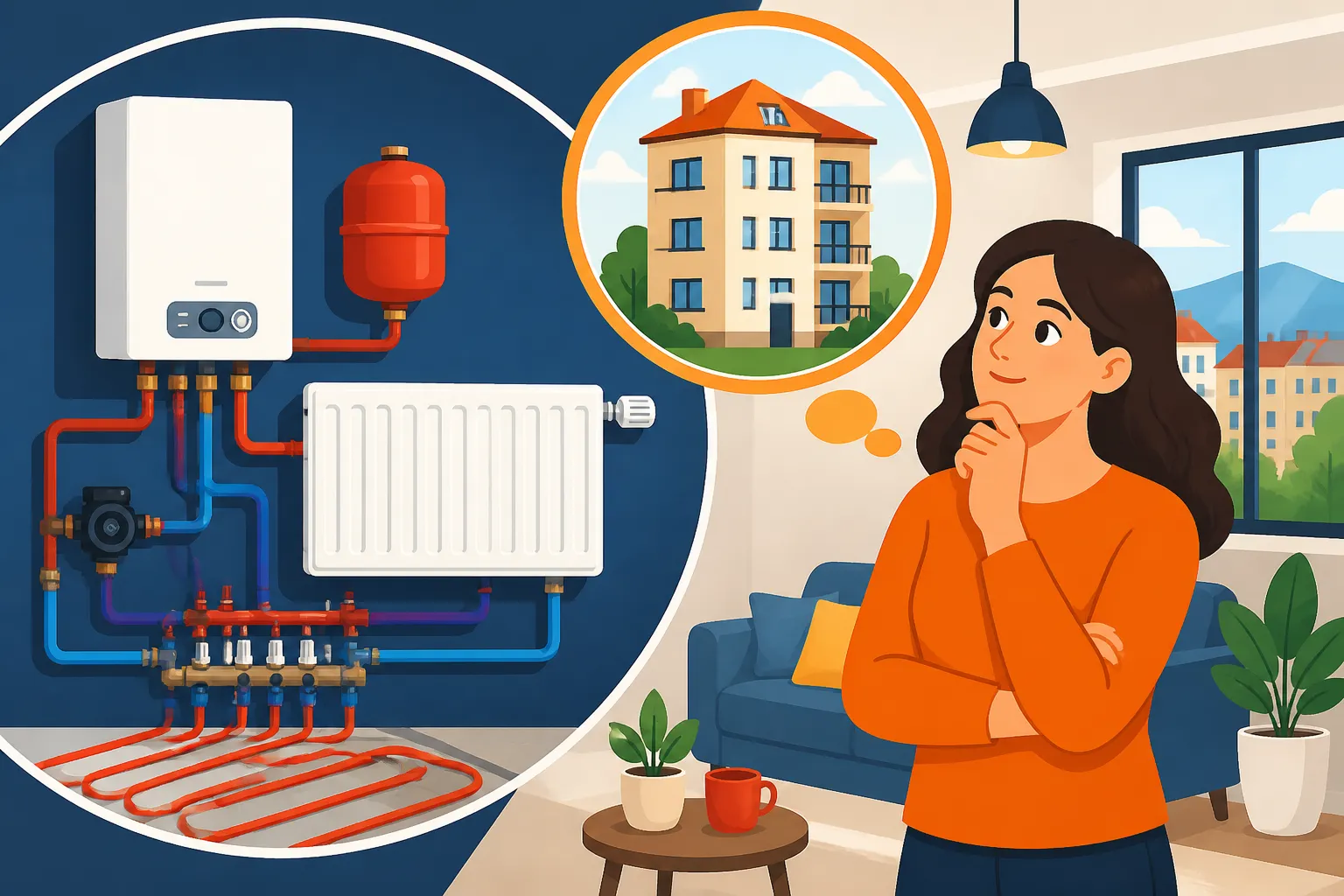
Unlike a private boiler where you have direct control over your heat production, central heating in Bulgaria is typically provided by a municipal company. The most prominent one is "Toplofikatsiya" (Топлофикация), which literally translates to "heatification company." They generate heat in large power plants and then distribute it as hot water through a vast network of underground pipes to residential buildings. Once the hot water reaches your building, it circulates through radiators in individual apartments.
The key difference for many expats is that you're not just paying for the heat you use, but also for the heat lost within the common parts of the building (stairwells, basements, shared pipes). This concept, known as "common parts heating" or "building heat losses," is often included in your bill and can be a source of frustration, especially if you try to completely turn off your heating. Even if your radiators are off, the pipes running through your apartment, connected to the building's system, still radiate some heat, and you're billed for a portion of that ambient warmth that inevitably reaches your living space.
Identifying Your Apartment's Heating Setup
Before you can set up anything, you need to know what kind of heating your apartment actually has. It's not always obvious, and landlords might not explain it in detail.
- Look for Radiators: The most obvious sign of central heating is radiators in your rooms. If they are connected to a complex network of pipes that disappear into the walls, rather than just a simple two-pipe connection to a small box on your wall (which would indicate an individual boiler), you likely have central heating.
- Check for Heat Allocators: Many central heating systems in Bulgaria now require individual heat allocators (toplomeri/разпределители) on each radiator. These are small devices, often digital, that measure the consumption of heat from that specific radiator. They're usually installed and maintained by external companies like Techem or Brunata, who then provide the data to Toplofikatsiya for billing. If you see these, you definitely have central heating.
- Ask the Landlord or Neighbours: Honestly, this is often the fastest way. A simple "Toplofikatsiya?" or "gaz?" (gas) or "tok?" (electricity) will usually get you the answer. If you're using a real estate agent, they should be able to clarify this when you're looking for your apartment to rent in Bulgaria.
- No Radiators? If there are no radiators, you're likely relying on electric heating. This could be simple electric panel heaters, or more commonly, air conditioning units (climatici) that can function as heaters in winter. Less common, but still found in some newer buildings or houses, is individual gas heating, where you'd have a gas boiler in your apartment and a gas bill separate from your electricity.
Step-by-Step Guide to Activating Central Heating
Once you’ve confirmed your apartment is hooked up to the district heating network, the real fun begins: getting it actually turned on and understanding how to manage it.
Contacting "Toplofikatsiya" and What to Expect
First things first, you'll need to deal with Toplofikatsiya. In most cases, if you're renting, your landlord should already have an active account for the property. Your main task will be to ensure your name is registered as the current resident, or that you have access to the klienten nomer (customer number) associated with the property. This number is vital for all communication and billing.
Navigating Toplofikatsiya’s customer service can be a bit of a challenge if your Bulgarian isn't up to par. Their official website is usually in Bulgarian, and while they might have an English option, it often lacks the detail you need. Phone lines can be busy, and in-person visits to their local offices (which are usually clearly signposted "Топлофикация София" or "Топлофикация Пловдив" depending on your city) might require patience and possibly a translator. If you're fortunate, your landlord or real estate agent might handle this initial registration for you. Remember that services like Sirelo can make the relocation process smoother, and sometimes even connect you with local support who can help with administrative tasks.
What you'll typically need:
- Property ID/Customer Number (Klienten Nomer): Crucial.
- Rental Contract: To prove you're the legitimate occupant.
- ID/Residence Permit: For identification.
- Previous meter readings: If you are taking over from a previous tenant, ensure these are recorded accurately.
Central heating is usually turned on collectively for entire districts, not on an individual basis. Toplofikatsiya announces specific dates for turning the heating on (typically in October or November) and off (usually April or May), based on ambient temperatures. If you've just moved in and it's already heating season, your radiators should theoretically be warm. If they're not, it's time to investigate.
Navigating the Initial Connection Process
If your apartment has been vacant for a long time, or if the heating system in the building has undergone maintenance, you might encounter issues.
- Bleeding Radiators: One common problem is air in the system. If your radiators are warm at the bottom but cold at the top, or making gurgling noises, they need "bleeding" (обезвъздушаване). This usually involves a small key or screwdriver to open a valve on the radiator, releasing trapped air until water starts to come out. Your landlord or a handyman can easily do this.
- Checking Valves: Ensure the valves on your radiators are open. Sometimes they are shut off completely, especially if a previous tenant tried to avoid heating costs (which, as we discussed, isn't entirely possible for common parts).
- Reporting Issues: If bleeding doesn't work and the building's central heating is confirmed to be on, you'll need to report a fault to Toplofikatsiya. This is where your klienten nomer comes in handy. Be prepared to explain the issue clearly. For more complex problems, a technician might need to visit.
This initial phase can be frustrating, especially if you're without heat in the colder months. Having a local contact or a good landlord is invaluable here.
Understanding Meter Readings and Billing Cycles
This is arguably the most confusing aspect of Bulgarian central heating for expats. It’s not a straightforward "you use it, you pay for it" system.
Central heating bills from Toplofikatsiya typically consist of two main components:
- Individual Consumption: Measured by the heat allocators on your radiators. This reflects the heat you've consciously used by having your radiators open.
- Common Parts Consumption (Обща Енергия/Сградна Инсталация): This is the tricky part. It’s the cost of heating the common areas of the building and compensating for heat losses from the building's internal heating system pipes. This is distributed among all apartments, usually based on their floor area. You pay for this even if all your individual radiators are turned off.
The Annual Adjustment Bill (Изравнителна Сметка):
Here’s where it gets really interesting, and often leads to unhappy surprises. Throughout the heating season (October to May), you receive monthly bills based on an estimated consumption. These estimations are often based on your previous year's usage or an average for similar apartments.
Then, typically in late spring or early summer (June/July), after the heat allocators have been read (usually by the external company like Techem or Brunata), Toplofikatsiya issues an izravnitelna smetka (изравнителна сметка), which is an annual adjustment bill. This bill reconciles your estimated payments with your actual consumption (both individual and common parts) for the entire heating season.
- If you've used less than estimated, you'll get a credit.
- If you've used more, you'll owe a lump sum. This is the bill that often shocks people, sometimes amounting to hundreds of leva, as it covers the shortfall of an entire heating season.
It’s crucial to be aware of this, budget for it, and ideally, have your landlord explain how they manage this if you are renting. Some landlords prefer to pay the izravnitelna smetka themselves and then charge you for actual usage, while others might ask you to cover it directly. For a deeper dive into utility costs, you might want to read our guide on Understanding Water and Heating Bills in Bulgaria.
Managing Your Central Heating for Comfort and Cost
Now that you know how the system works, let’s talk about living with it and trying to keep those bills in check without freezing.
Temperature Control and Thermostatic Valves
Most modern radiators connected to a central heating system in Bulgaria will have thermostatic radiator valves (TRVs). These valves allow you to set the desired temperature for that specific room, and the valve will automatically adjust the flow of hot water to the radiator to maintain it.
- Settings: TRVs typically have settings from 0 to 5, or sometimes 0 to 3.
- 0: Off (or frost protection, which means it will only come on if the room temperature drops close to freezing).
- 1: Low heat, around 16-17°C.
- 2: Medium heat, around 19-20°C (often recommended for living areas).
- 3: Higher heat, around 21-22°C.
- 4-5: Maximum heat, for quick warm-ups or very cold rooms.
- How to Use Them: Don't just leave them on maximum. Set them to a comfortable level for each room. For instance, a living room might be at 2 or 3, a bedroom at 1 or 2. When you're out, you can turn them down, but avoid turning them completely off (to 0) for extended periods in very cold weather, as this can make it harder for the system to recover and might not save you as much as you think due to the common parts charge.
Remember, the heat allocators measure consumption based on the difference between the radiator's temperature and the room's temperature, and how long it stays warm. So, simply turning the valve to 5 won't necessarily make it hotter faster; it just tells the system to heat until it reaches a higher set point.
Deciphering Your Heating Bill: The Annual Adjustment
We briefly touched on this, but it bears repeating because it catches so many expats off guard. The izravnitelna smetka is essentially the moment of truth. To minimize the shock:
- Track Your Usage (if possible): If your heat allocators have a digital display, you can try to monitor the readings yourself, though understanding the units and how they translate to leva can be complex.
- Communicate with Your Landlord: If you're renting, insist on understanding how the izravnitelna smetka will be handled. Some landlords collect a small extra amount each month to cover this, others expect a lump sum. Clarify this before signing your How to Sign a Rental Contract and Pay a Deposit in Bulgaria.
- Budget Accordingly: Set aside some money specifically for this annual adjustment, especially in your first year when you have no prior usage history for estimates.
- Understand Common Parts: A significant portion of your bill will be for common parts. This is why some people find it doesn't make a huge difference to their bill if they completely turn off their individual radiators – the common parts charge remains. This makes insulating your apartment well (good windows, sealed doors) even more important.
You can pay your utility bills at most EasyPay offices, via online banking, or through the Toplofikatsiya online portal. For a general overview of payment methods, see our guide on How to Pay Your Utility Bills in Bulgaria.
Energy-Saving Tips and Troubleshooting
Even with district heating, there are ways to manage your consumption and avoid unnecessary costs:
- Insulation is Key: Old windows and poor door seals are heat thieves. If you own your apartment, consider upgrading windows to modern PVC ones. If renting, discuss minor improvements with your landlord or use draft excluders.
- Don't Block Radiators: Ensure curtains, furniture, or clothes aren't blocking your radiators. Heat needs to circulate freely into the room.
- Ventilate Smartly: Open windows wide for 5-10 minutes to quickly air out a room, rather than leaving them slightly ajar for long periods, which just wastes heat.
- Adjust Thermostats: Turn down thermostats in rooms you aren't using, or at night. A general recommendation is around 20-22°C for living areas during the day, and 16-18°C for bedrooms or at night.
- Regular Maintenance: If you notice a radiator isn't heating properly, or if there are leaks, report it immediately to your landlord or Toplofikatsiya. A malfunctioning radiator could be wasting energy or not providing adequate heat.
- Check Readings: Before the annual reading by Techem or Brunata, make sure your heat allocators are visible and accessible. If you suspect an error, note down the readings yourself.
Alternatives and Complementary Heating Solutions
While central heating is common, it's not the only option, and sometimes it needs a little help.
When Central Heating Isn't Enough or Isn't Available
Not every apartment in Bulgaria has central heating. Many rely solely on electricity.
- Electric Panel Heaters (Конвекторни Печки): These are common, relatively inexpensive to buy, and provide good warmth. Brands like Tesy (a Bulgarian brand) or Eldom are popular. They're easy to install – just plug them in. The downside is that heating solely with electricity can be quite expensive, especially if you have high power consumption in colder months. You'll want to review your overall Cost of Living in Bulgaria for Expats budget if this is your primary heat source.
- Air Conditioning Units (Климатик): Modern inverter A/C units are very efficient at heating, especially in the autumn and spring. They effectively act as heat pumps. Many Bulgarian households use them for both cooling in summer and heating in winter. If your apartment has good A/C units, they can be a cost-effective alternative or supplement to central heating.
- Wood-burning Stoves or Fireplaces: While charming, these are rare in city apartments due to regulations and logistics. More common in houses or rural properties.
Combining Heating Methods
Many expats and locals use a combination of heating methods to stay comfortable and manage costs.
- Central Heating as a Base: Use central heating to keep the overall apartment at a comfortable background temperature (e.g., setting TRVs to 1 or 2). This prevents extreme cold and dampness.
- Targeted Electric Heating: Use an electric panel heater or the A/C unit in specific rooms where you spend most of your time, to boost the temperature to your desired comfort level. For example, if your living room feels a bit chilly, use the A/C there for an hour or two.
- Smart Thermostats: While less common for district heating (which is usually controlled by TRVs), if you have electric heating, smart plugs or thermostats can help you program heating schedules and remotely control units, leading to better efficiency.
Remember, if you're using electric heaters frequently, your electricity bill will jump significantly. It's a trade-off between the (often lower) cost per unit of central heating and the flexibility and quick heat of electric options.
Comparing Costs of Different Heating Options
It's tough to give exact figures as prices fluctuate, but here's a general comparison to help you budget. Keep in mind that for specific electricity costs, you can consult our article on How Much Does Electricity Cost per Month in Bulgaria?
| Heating Method | Pros | Cons | Typical Cost Implications (Relative) |
|---|---|---|---|
| District Central Heating | Reliable, constant warmth, no individual maintenance, hot water included | Less individual temperature control, complex billing (annual adjustment), common parts charges, dependent on provider schedule | Medium-High (if used consistently), with potential for high annual adjustment |
| Electric Panel Heaters | Easy to install, quick heat, individual room control, no annual adjustment | High running costs for extensive use, can dry air, significant impact on electricity bill | High (per unit of heat) |
| Air Conditioning (Heat Pump) | Very energy-efficient for heating, dual-purpose (heating/cooling), individual room control | Higher upfront installation cost, less effective in extreme cold (below -10°C), maintenance needed | Medium (efficient for mild-cold winters) |
| Individual Gas Boiler | Full control over temperature and schedule, often cheaper than electric | Installation costs, gas availability (not everywhere), maintenance, safety checks | Medium (often considered economical for full control) |
Understanding how to set up central heating in your Bulgarian apartment can feel like solving a complex puzzle. From navigating Toplofikatsiya’s specific procedures to decoding your annual adjustment bill, it’s a uniquely Bulgarian experience. But with this detailed guide, you should feel much more confident in getting your apartment warm, managing your costs, and enjoying your Bulgarian winter, however you choose to heat your home! And if you ever need a little boost of connectivity while you're out dealing with utility companies, an eSIM from Airalo can keep your phone running without worrying about local SIM card hassles.
Disclaimer
Please remember that while this guide provides comprehensive information based on current practices, regulations and procedures in Bulgaria can change. Always verify the latest requirements with the official authorities, such as Toplofikatsiya or the relevant local municipality, or consult with a qualified local professional for personalized advice.