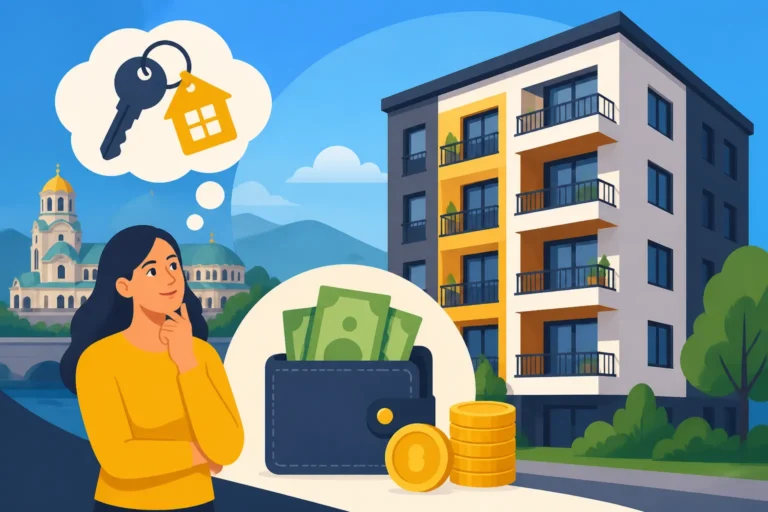
Is It a Good Time to Buy Property in Bulgaria?
Many people considering a move to Bulgaria often ask: "Is now a good time to buy property?" It’s a completely valid question, loaded with apprehension, especially when you’re looking to sink your hard-earned cash into a foreign market. You're trying to figure out if it’s a smart investment, a safe place for your family, or just a beautiful spot to call home. This guide will walk you through the current Bulgarian property landscape, offering the insights and candid advice you need to feel confident in your decision.
Understanding Bulgaria's Property Market Landscape Today
Let's be real, the Bulgarian property market isn't a monolith. It's a vibrant, ever-changing beast with different personalities depending on where you look. For years, Bulgaria has been on the radar for expats seeking affordability and a relaxed lifestyle, but recent global shifts and internal developments have added new layers to the picture.
Current Market Trends and Dynamics
Over the past few years, we’ve seen a noticeable uptick in property prices across many parts of Bulgaria. This isn't just hype; reports from the National Statistical Institute and various leading real estate agencies like Imot.bg and Luximmo have consistently shown steady, sometimes significant, growth. The demand isn't solely from international investors anymore; a strong local market, fueled by rising incomes and a desire for better living conditions, is also a major driver. You’ll find new construction popping up in and around major cities like Sofia and Plovdiv, offering modern amenities, but often at a premium.
This surge in demand, coupled with rising construction costs (blame inflation and material prices), has certainly pushed values up. However, compared to many Western European countries, Bulgarian property remains remarkably affordable, which continues to draw in expats. We’re talking about a country that's firmly entrenched in the EU, offering a stable currency (the lev, pegged to the euro), and a relatively predictable legal framework. This stability, for many, makes the market attractive despite the recent price increases. What you might have paid for a small studio in a popular European capital could get you a spacious apartment or even a small house here.
Regional Variations in Property Value
As I mentioned, the "Bulgarian property market" is really a collection of micro-markets, each with its own rhythm and price point. Where you choose to buy will dramatically influence your experience and the potential return on your investment.
Sofia, the capital, naturally leads the pack in terms of prices and demand. It's a bustling city with a strong job market, particularly in the IT and outsourcing sectors, making it highly attractive for younger expats and families. Apartments in desirable neighbourhoods like Lozenets, Iztok, or Studentski Grad (the student district, but also popular for rentals) command higher prices, but also offer excellent rental yields if you're looking for an investment property. The convenience of city living, access to international schools, and cultural amenities all contribute to its premium. If you're considering a move to the capital, understanding The Best Places to Live in Bulgaria for Expats: A Complete Guide (2027) can provide valuable context for these specific areas.
Then there's Plovdiv, often hailed as Bulgaria's cultural capital. It's experiencing significant growth, with a vibrant arts scene, a relaxed pace of life, and still more affordable prices than Sofia. Plovdiv offers a fantastic blend of historical charm and modern development, making it increasingly popular for expats seeking a balance. While not as high-priced as Sofia, properties here are appreciating steadily, and the city offers a great quality of life.
The Black Sea coast, including cities like Varna and Burgas, presents a different scenario. These areas thrive on seasonal tourism. While properties can be great for holiday rentals during the summer months, the market can feel a bit saturated, and prices might fluctuate more depending on the tourism season. Off-season, some areas can feel quite quiet, so it’s important to visit at different times of the year to get a true feel.
Finally, you have the ski resorts like Bansko and Borovets, another highly seasonal market. Apartments here are popular with winter sports enthusiasts and can offer good rental income during the ski season. However, like the coast, these areas can be very quiet outside their peak times. And then there are the incredibly affordable rural areas, where you can find charming old houses for renovation at unbelievably low prices. But be warned, while tempting, these often come with significant renovation costs, and liquidity for resale can be very low, meaning it might take a long time to sell if you ever decide to move on.
Factors to Consider Before Diving In
Buying property anywhere, let alone in a foreign country, is a huge commitment. Before you get swept away by visions of charming village homes or sleek city apartments, it’s crucial to consider a few fundamental factors that will shape your experience.
Economic Stability and Growth Prospects
Bulgaria’s economic trajectory is an important piece of the puzzle. As an EU member, it enjoys a certain level of stability, and its currency, the lev, has been pegged to the Euro for years, which provides a reassuring fixed exchange rate for many. This stability is a significant draw for foreign investors. The country has seen consistent, albeit moderate, economic growth, driven by sectors like IT, manufacturing, and tourism.
However, we can't ignore global economic headwinds. Inflation has been a factor, as it has everywhere, affecting construction costs and the general cost of living. While Bulgaria remains one of the most affordable countries in the EU (you can explore The Complete Guide to Cost of Living in Bulgaria for Expats (2026) for a detailed breakdown), rising prices for goods and services can still impact your overall budget and long-term financial planning. Mortgage interest rates, while historically low in Bulgaria, are influenced by European Central Bank policies. It's vital to research current rates if you plan to finance your purchase. Many economists are optimistic about Bulgaria's potential Eurozone entry in the coming years, which could further solidify its economic standing and potentially impact property values, though the exact effects are still debated.
Legal and Administrative Aspects for Foreign Buyers
Now, this is where things can get a bit… Bulgarian, let’s say. The administrative process here isn't always straightforward, and what might seem simple in your home country can become a multi-step dance. Don't worry, it's manageable, but it requires patience and, crucially, the right guidance.
Generally, EU citizens can buy property in Bulgaria, including land, with relative ease. Non-EU citizens can typically buy apartments and buildings, but purchasing land (e.g., a house with a garden plot) often requires establishing a Bulgarian company. This isn't as scary as it sounds, but it adds an extra layer of bureaucracy and ongoing administrative costs. For a detailed walkthrough, check out How to Buy Property in Bulgaria as a Foreigner: The Full Guide (2027). The entire purchase process, from signing a preliminary contract to the final notary deed, involves multiple legal checks, including ensuring the property title is clean and free of encumbrances. This is absolutely not a step you should skimp on.
Then come the taxes. Beyond the actual purchase price, you’ll be looking at various property and transaction taxes, local taxes, and notary fees. It’s not just a one-off payment; ongoing property taxes and garbage fees (yes, even if you’re not living there permanently) are an annual commitment. To get a full picture of what to expect, read The Complete Guide to Property and Transaction Taxes in Bulgaria (2027) and What Taxes Apply When Buying Property in Bulgaria?. Also, while owning property in Bulgaria doesn't automatically grant you residency, it can certainly be a supporting factor if you're applying for long-term residency categories. Navigating these waters without reliable local legal counsel is akin to sailing without a compass – you might get there, but it’s going to be a lot harder and riskier.
Lifestyle and Long-Term Goals
Your personal aspirations are perhaps the most important consideration. Are you buying purely as an investment, hoping for capital appreciation or a steady rental income? Or is this going to be your new home, a place where you'll put down roots, perhaps raise a family, or enjoy your retirement?
If it's an investment, you need to rigorously assess the rental potential. Properties on the Black Sea coast or in ski resorts might offer excellent short-term rental income during peak seasons but could sit empty for months. City apartments in Sofia or Plovdiv might provide more consistent long-term rental income, especially with the growing expat and student populations. If you're planning to rent it out, remember that rental income is subject to Bulgaria’s flat 10% income tax, so factor that into your projections. You can delve into the details of this in Understanding Income Tax and the Flat 10% Rate in Bulgaria (2026).
If you're buying a home, consider your lifestyle needs. How close do you need to be to amenities like shops, medical facilities, or public transport? If you have children, proximity to good schools (whether public, private, or international) will be a major factor, so learning about Schools and Education in Bulgaria: A Complete Guide for Expat Families is key. Think about the community too – do you want to be among other expats, or are you looking for a more immersive local experience? It's also worth thinking about the practicalities of setting up your home, like learning How to Set Up Electricity in Your Bulgaria Home or How to Set Up Internet and Mobile Service in Bulgaria. These seemingly small details can significantly impact your day-to-day life once you've moved in.
The Pros and Cons of Buying Property in Bulgaria Now
Every investment has its upsides and downsides, and buying property in Bulgaria is no exception. It’s essential to weigh these carefully against your own circumstances and risk tolerance.
The Upsides: Why Many Expats See Opportunity
One of the biggest draws remains the affordability. Property prices in Bulgaria are still considerably lower than in most Western European countries, making it an attractive option for those looking to get more for their money. This affordability extends beyond the initial purchase price to The Complete Guide to Cost of Living in Bulgaria for Expats (2026), which is also relatively low.
Then there's the growth potential. While no market guarantees returns, Bulgaria, as an emerging EU economy, still has room for capital appreciation, particularly in desirable urban locations. The steady influx of foreign investment and a growing domestic economy suggest a positive, if gradual, upward trend. The country's stable flat tax system, including a flat 10% income tax (relevant if you're earning rental income), is another significant advantage for investors.
Beyond the financial aspects, Bulgaria offers a fantastic lifestyle. You'll find a welcoming culture, diverse landscapes from mountains to the Black Sea, and generally pleasant weather. It's a place where you can enjoy a high quality of life without the exorbitant costs often associated with it elsewhere. And let's not forget the practicalities of making such a move. Many expats rely on services like Sirelo to compare international removal quotes, ensuring their belongings arrive safely and cost-effectively, freeing up budget that can then be dedicated to a property purchase. Once you're here and settling in, having immediate connectivity is crucial for everything from coordinating with local service providers to staying in touch with family. That's where an eSIM from a provider like Airalo becomes incredibly handy, offering data plans that get you online without the fuss of local SIM cards right after you land.
Furthermore, being an EU member state provides a solid legal and political framework, offering a layer of security that might be absent in non-EU emerging markets. This sense of stability, coupled with the potential for decent rental yields (especially for well-located properties in cities or popular tourist spots), makes a compelling case for many foreign buyers.
The Downsides: Potential Pitfalls to Be Aware Of
Now, let's talk about the realities that can sometimes feel like a punch to the gut. The bureaucracy in Bulgaria, while improving, can be a labyrinth. From property registrations to utility hook-ups, processes can be slow, fragmented, and often require multiple visits to different government offices. It’s a common frustration for new arrivals, and I can attest that even after years, you still encounter moments that make you want to pull your hair out. Patience, my friend, is your greatest virtue here.
The language barrier is another hurdle, especially outside major cities. While many younger Bulgarians in Sofia or Plovdiv speak English, head to a smaller town or village, and you might struggle to communicate. This makes hiring a good translator or a bilingual local incredibly important for any official dealings.
While the market is generally stable, it's still an emerging market, which means it can be more susceptible to external economic shocks or political shifts than more mature markets. This isn't to say it's volatile, but it's a consideration for long-term investment.
You also need to be acutely aware of hidden costs. Beyond the purchase price, you'll incur agent fees, notary fees, legal fees, and various administrative charges that can quickly add up. Don't underestimate these. A full breakdown can be found in How Much Are the Costs to Buy Property in Bulgaria?. Reselling property, especially in less liquid markets like rural areas or niche resorts, can also take time. You might find yourself waiting longer than anticipated to find a buyer, which needs to be factored into your financial planning.
Finally, the quality of construction varies dramatically. You'll find beautiful, modern new builds, but also older properties that might require extensive renovation to meet modern standards. It's crucial to get a thorough property inspection to avoid unwelcome surprises like dodgy plumbing, electrical issues, or structural problems. A charming facade can hide a multitude of sins!
Making an Informed Decision
Given the complexities, making an informed decision about buying property in Bulgaria is paramount. It's not a decision to be rushed, and certainly not one to be made without comprehensive support.
Researching and Due Diligence
This cannot be stressed enough: do your homework. The Bulgarian property market is full of potential, but also potential pitfalls for the unwary. First and foremost, secure independent legal advice. Do not rely solely on the lawyer recommended by the seller's agent. You need someone working solely for your interests, who can perform comprehensive checks on the property title, ensuring there are no outstanding debts, disputes, or illegal constructions tied to the land. Seriously, this step is non-negotiable. If you want to understand what goes into verifying ownership, check out How Do I Check a Property Title in Bulgaria?.
Beyond legal checks, invest in a professional property inspection. A qualified surveyor can identify structural issues, potential damp problems, or outdated electrical and plumbing systems that might not be immediately obvious. These reports can save you a fortune in future repairs and provide leverage in price negotiations.
Conduct thorough market research. Compare prices of similar properties in your desired area, investigate local development plans (a new highway or shopping center can impact value), and look into historical rental yields if you're investing. Don't just rely on online listings; walk around the neighborhoods, observe the local amenities, and get a feel for the area at different times of the day or week. And if you have the opportunity, visit the specific property at different times and in different seasons. A sunny summer view might hide a gloomy, drafty interior in winter. Talking to other expats who have bought property in Bulgaria can also offer invaluable first-hand insights and warnings.
Getting Professional Advice
You might be tempted to cut corners to save a few quid, but trust me, this is where it bites you. Skimping on professional advice in a foreign property market is a false economy.
- Lawyers: As mentioned, a reputable, independent lawyer is your shield against potential legal nightmares. They will review contracts, conduct due diligence on the property, and represent your interests throughout the entire transaction process. They're worth every penny.
- Reputable Real Estate Agents: Choose agents with a proven track record, especially those who specialize in assisting expats. They should be transparent about fees, provide clear communication, and be able to offer properties that genuinely match your criteria. Ask for references from other foreign buyers.
- Accountants: Before you commit, get advice from an accountant specializing in Bulgarian tax law. They can clarify all the tax implications, from property transfer taxes to ongoing property taxes and potential capital gains tax if you sell in the future. This is especially important if you plan to rent out the property, as understanding your tax obligations will impact your net income.
- Mortgage Brokers: If you're looking to finance your purchase, a mortgage broker who understands the Bulgarian market and foreign buyer options can be a huge asset. It can be more complex for non-residents or those with foreign income to secure a mortgage, so expert guidance here is crucial. For more on this, read How to Get a Mortgage to Buy Property in Bulgaria.
Throughout this entire process, you'll want to ensure you're constantly connected. Reliable internet is non-negotiable for video calls with lawyers, checking property listings, and staying in touch with family. That's why it is wise to get an Airalo eSIM as soon as you land – it provides instant, affordable data without the hassle. And when it comes time to move your life across borders, services like Sirelo can simplify the process by helping you compare international movers, ensuring your possessions arrive safely at your new Bulgarian home, leaving you more time to focus on your property adventure.
Disclaimer
The information provided in this guide is for general informational purposes only and does not constitute legal, financial, or real estate advice. While we strive to keep the information up-to-date and accurate, the property market, laws, and regulations in Bulgaria can change. Always consult with qualified legal, financial, and real estate professionals in Bulgaria before making any purchasing decisions.