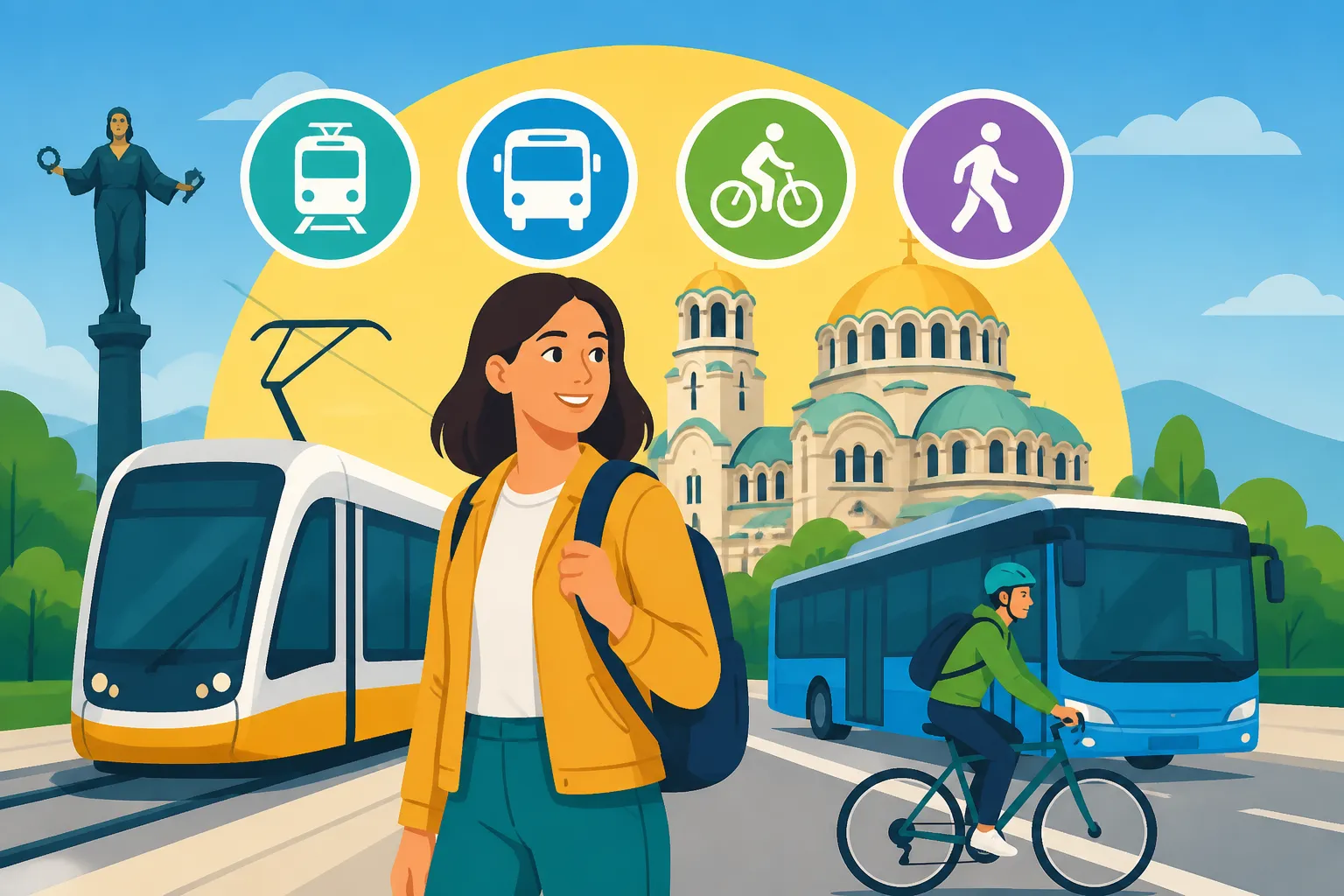
What Is the Best Way to Get Around Sofia Without a Car?
Moving to Sofia without a car can feel like diving into the deep end of a confusing, bustling pool, especially when you're used to driving everywhere or relying on a perfectly predictable public transport system back home. The initial thought of navigating a new city, where signs might not always be in English and the routes seem like a tangled mess, can be daunting. But trust me, as someone who’s lived here and figured it out, getting around Sofia without your own wheels is not only completely doable but often the best way to truly experience the city. This guide will walk you through every option, from the metro to scooters, giving you the insider tips you need to master car-free living in Bulgaria's capital.
Mastering Sofia's Public Transport System
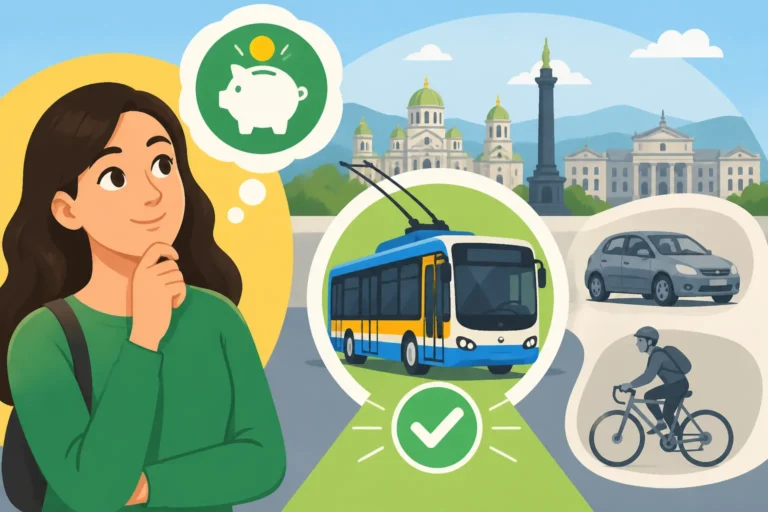
Sofia’s public transport system is far from perfect, but it's remarkably extensive and, once you get the hang of it, quite efficient for most daily needs. It’s a network of metro lines, trams, and buses that crisscross the city, connecting residential areas with business districts, cultural hotspots, and even some of the more far-flung neighbourhoods. The key is understanding how they all fit together and, most importantly, how to pay!
The Metro: Your Underground Lifeline
The Sofia Metro is hands down the fastest and most reliable way to get across the city, especially during peak traffic hours. It’s a modern system with four lines (M1, M2, M3, M4) that connect major points like the airport, the central train and bus stations, key universities, and shopping centres. If you're living or working anywhere near a metro station, consider yourself lucky; it’s a game-changer.
The trains are generally clean, run frequently, and signage often includes English translations, which is a huge relief when you’re just starting out. For instance, the M4 line directly links Sofia Airport (Terminal 2) to the city center, making arrivals and departures incredibly smooth. Key interchange stations like Serdika are hubs where you can switch between lines M1, M2, and M4, putting most of the city within easy reach. The metro operates from around 5:00 AM to midnight, so it covers most of your daily commuting and evening adventures.
Using the metro to reach popular spots like the National Palace of Culture (NDK) or the bustling Vitosha Boulevard is incredibly straightforward. Just hop on a train and you're there in minutes, avoiding the surface traffic entirely. It truly feels like Sofia’s underground artery, pumping life and people through the city with impressive speed. This is often the first public transport method expats get comfortable with, and for good reason.
Trams and Buses: Covering Every Corner
While the metro gets you quickly between major points, it’s the trams and buses that fill in the gaps, taking you directly into residential areas, down charming, narrow streets, and to specific landmarks that the metro doesn't reach. They offer a fantastic way to see the city at a slower pace, though they are subject to Sofia’s sometimes-infuriating traffic.
Trams, in particular, have a classic charm, clattering along their tracks and offering a unique perspective of the city. Routes like Tram 22 or 20 can take you through various districts, providing a glimpse into local life. Buses, on the other hand, have the widest network coverage, reaching virtually every corner of the metropolitan area. However, their frequency can vary greatly depending on the route and time of day, and during rush hour, a short bus ride can turn into a rather long journey.
Understanding the bus and tram routes often requires a bit more effort than the metro. While newer bus stops often have electronic displays showing arrival times, many older ones simply have printed schedules, which can be challenging to decipher if you don't read Cyrillic. This is where a good mapping app becomes your best friend, something we'll talk more about later. Don't be shy about asking fellow passengers for help; Bulgarians are often surprisingly helpful, even if language is a barrier. This comprehensive network means that you can truly get everywhere, even if it takes a little longer sometimes.
Ticketing and Payment: Navigating the System
Ah, ticketing! This is where many expats initially stumble, and honestly, it used to be a bit of a labyrinth. Thankfully, the Sofia Urban Mobility Centre (SUMC) has been working to simplify things, introducing more modern payment options. Gone are the days when you absolutely had to buy a paper ticket from a kiosk and punch it yourself – though those options still exist!
The standard single-journey paper ticket costs BGN 1.60. You can buy these from metro station ticket booths, vending machines at metro stations, or from newspaper kiosks (будка – budka) at many bus and tram stops. On buses and trams, you can also buy a ticket directly from the driver, but be aware it's slightly more expensive (around BGN 2.00) and they often prefer exact change. Once you have a paper ticket, you must validate it using the orange machines on board or at the metro entrance. Forget this, and you risk a hefty fine from ticket inspectors, who are notoriously diligent!
The game-changer for regular commuters is the electronic transport card. You can load these cards with money, daily passes, or multi-day passes (e.g., 24-hour, 72-hour). These cards can be topped up at metro stations or SUMC offices. The newest innovation allows you to simply tap your bank card (credit or debit) directly at the validation machines on any public transport vehicle, including the metro, trams, and buses. This is a huge step forward for convenience and mimics systems found in many Western European cities. It's often referred to as the 'Sofia Card' system, though it technically applies to any contactless bank card. For more details on how to use all forms of public transport, you might find our guide on How to Use the Metro and Public Transport in Sofia particularly helpful.
Here's a quick overview of ticketing options:
| Ticket Type | Cost (approx.) | Where to Buy | How to Use | Best For |
|---|---|---|---|---|
| Single Paper Ticket | BGN 1.60 | Metro stations, kiosks, driver | Validate on board/at entrance | Occasional, one-off journeys |
| 24-Hour Pass | BGN 4.00 | Metro stations, SUMC offices | Unlimited travel for 24 hours (validate first use) | Intensive sightseeing, multiple journeys/day |
| 72-Hour Pass | BGN 10.00 | Metro stations, SUMC offices | Unlimited travel for 72 hours (validate first use) | Longer visits, busy weekends |
| Electronic Transport Card | Varies (top-up) | Metro stations, SUMC offices | Load with credit/passes, tap to validate | Regular commuters, frequent users |
| Contactless Bank Card | BGN 1.60 | Directly on board/at metro entrance | Tap & go; charge deducted per journey | Tourists, infrequent users, spontaneous travel |
Remember, keeping track of these options is easier than it sounds once you’ve done it a few times. Don't be afraid to experiment, and always keep an eye out for ticket inspectors!
Embracing Alternative Transport Options
Beyond the established public transport network, Sofia offers a wealth of alternative ways to get around. Sometimes you need to get somewhere fast, sometimes you want a more personal experience, and other times you just want to feel the breeze in your hair. These options add flexibility and convenience to your car-free life, ensuring you’re never truly stuck.
Ride-Sharing and Taxis: When Convenience Calls
For those times when public transport just isn't cutting it – perhaps you're out late, carrying heavy shopping, or simply can't face a crowded bus – ride-sharing apps and traditional taxis are a lifesaver. Sofia has fully embraced the ride-sharing revolution, making it incredibly easy to summon a car to your exact location.
The dominant player here is Bolt. You’ll see their cars everywhere, and the app works seamlessly, similar to Uber in other parts of the world. You simply enter your destination, see the fare upfront, and pay via the app with your linked card. It’s reliable, generally safe, and drivers often have a better grasp of English (or at least the navigation does). This eliminates the need to negotiate fares or worry about getting ripped off, a common concern with traditional taxis in many new cities. You might want to ensure you have a reliable mobile data plan, perhaps with an eSIM from a provider like Airalo, to ensure you can always call a ride without hunting for Wi-Fi.
Traditional taxis are also readily available, particularly around major hotels, tourist attractions, and metro stations. Look for yellow cars with the 'TAXI' sign on top. Reputable companies include Yellow! Taxi and OK Supertrans. Always ensure the meter is running, or agree on a price before you start the journey if you're going somewhere fixed like the airport. Be cautious of unofficial taxis or those that seem reluctant to use a meter, especially late at night. Stick to the apps or well-known companies for peace of mind.
Cycling and Scooters: For the Active Explorer
If you enjoy staying active and the weather is good, cycling and electric scooters offer a fun and increasingly popular way to navigate Sofia. The city is gradually improving its cycling infrastructure, though it’s still far from perfect, especially compared to some Western European capitals.
Several services offer bike rentals, with Donkey Republic being a prominent one. You can find their bikes docked at various points around the city, unlock them via an app, and pay per minute or hour. It's fantastic for exploring parks like Borisova Gradina or getting between close city center locations. Electric scooters have also surged in popularity, with brands like Lime and Bird having a presence. These are ideal for covering short to medium distances quickly, zipping past traffic jams, and enjoying the outdoors. Just download the app, find a scooter nearby, scan to unlock, and off you go.
However, a word of caution: Sofia's roads can be challenging for cyclists. Dedicated bike lanes are still limited, and drivers are not always accustomed to sharing the road safely with bikes. Pavements can be uneven or crowded, so always prioritize your safety. Wear a helmet if you can, stay alert, and consider using these for leisure rides in parks or less trafficked areas rather than aggressive commuting until you’re comfortable with the city's traffic dynamics.
Walking: The Best Way to Discover Local Charms
Sometimes, the best mode of transport isn't a vehicle at all. Sofia is a wonderfully walkable city, particularly its central areas. Strolling through the pedestrian zones, discovering hidden courtyards, vibrant street art, and charming cafes is an experience in itself. Many of Sofia's most iconic landmarks – such as Alexander Nevsky Cathedral, St. George Rotunda, and the National Theatre Ivan Vazov – are within easy walking distance of each other.
Embrace the pedestrian lifestyle, especially during milder seasons. You’ll stumble upon unexpected delights, get a real feel for the city's pulse, and probably work off all those delicious banitsa pastries. Walking also allows you to pop into local shops, browse markets, and generally immerse yourself in Bulgarian culture in a way that whizzing by in a car simply doesn't allow.
Of course, common sense applies: wear comfortable shoes, especially if you plan on covering a lot of ground, and be mindful of your surroundings, particularly at night. While Sofia is generally safe, like any major city, it's wise to stay aware. Walking is not just about getting from A to B; it's about the journey itself and connecting with your new home.
Practical Tips and Expat Wisdom for Car-Free Living
Living without a car in Sofia is a lifestyle choice that many expats embrace, whether by necessity or design. It offers freedom from parking woes, traffic stress, and maintenance costs. But it also requires a few smart strategies and a good dose of patience. Here are some seasoned expat tips to make your car-free life in Sofia as smooth as possible.
Planning Your Journey: Apps and Resources
In a city with a complex public transport system, planning is paramount. Gone are the days of unfolding a massive paper map; now, your smartphone is your ultimate navigation tool. Google Maps is excellent for general navigation, offering public transport routes, walking directions, and real-time traffic updates. It’s usually quite accurate for bus and tram schedules, and essential for understanding the metro connections.
However, for even more detailed public transport information, consider downloading Moovit. This app often has more granular details on specific bus stop locations, real-time vehicle tracking, and alerts about delays or service changes. It integrates all modes of transport – metro, tram, bus, and even trolleybuses – into one comprehensive journey planner. The official SUMC website also has an interactive map and route planner, but the apps are generally more user-friendly on the go. Having these tools at your fingertips, especially when you’re still getting oriented, will save you a lot of stress and missed connections.
Remember, sometimes routes can change unexpectedly due to roadworks or events, so always double-check your route before heading out, especially for important appointments. Staying informed is the key to navigating Sofia like a pro.
Language and Communication: Overcoming Barriers
Let's be real, Bulgaria uses Cyrillic, and not everyone speaks English. This can add an extra layer of challenge when you're trying to figure out which bus to take or where to get off. While major metro stations and tourist areas often have English signage, many bus stops and local interactions might not.
Learning a few basic Bulgarian phrases related to directions and transport can go a long way. "Извинете" (Izvinete – Excuse me), "Къде е…?" (Kade e…? – Where is…?), and "Колко струва?" (Kolko struva? – How much?) are incredibly useful. Don't underestimate the power of a smile and pointing. Most Bulgarians are kind-hearted and will try to help, even if it means using gestures.
A translation app on your phone can also be a lifesaver. Google Translate allows you to use your camera to translate text in real-time, which is fantastic for reading street signs or bus schedules that are only in Cyrillic. Pair this with a reliable mobile data connection – perhaps with an eSIM from Airalo, which offers affordable local data plans – and you’re well-equipped to overcome any language barrier that might pop up during your travels.
Staying Connected on the Go
A common mistake new arrivals make is underestimating the need for constant connectivity. Without a car, you’re often relying on your phone for navigation, calling rides, checking schedules, and even translating. Running out of data or battery in a new place can quickly turn a minor inconvenience into a major headache.
Invest in a local SIM card as soon as you arrive, or even better, consider an eSIM for immediate connectivity. Providers like A1, Yettel, and Vivacom are the main mobile operators in Bulgaria, offering various prepaid and contract options. However, for immediate, flexible data, especially when you're just finding your feet, an eSIM from a global provider like Airalo can be a fantastic option. You can purchase and activate an eSIM before you even land, ensuring you have data from the moment you step off the plane. This means you can immediately use Google Maps, call a Bolt, or translate signs without hunting for Wi-Fi.
Keeping a portable power bank charged is another piece of advice I wish someone had given me earlier. It’s an absolute lifesaver when your phone battery starts to dip after a long day of exploring or commuting. A charged phone means peace of mind, allowing you to navigate Sofia confidently and effortlessly. Knowing how to set up your mobile plan can also be found in our guide on How to Set Up a Mobile Phone Plan in Bulgaria.
Integrating Car-Free Living into Your Sofia Lifestyle
Living car-free in Sofia isn't just about getting from point A to point B; it’s about how you shape your entire life around it. From choosing where to live to planning your weekend getaways, your transport choices will influence many aspects of your expat experience.
Choosing Your Neighbourhood Wisely
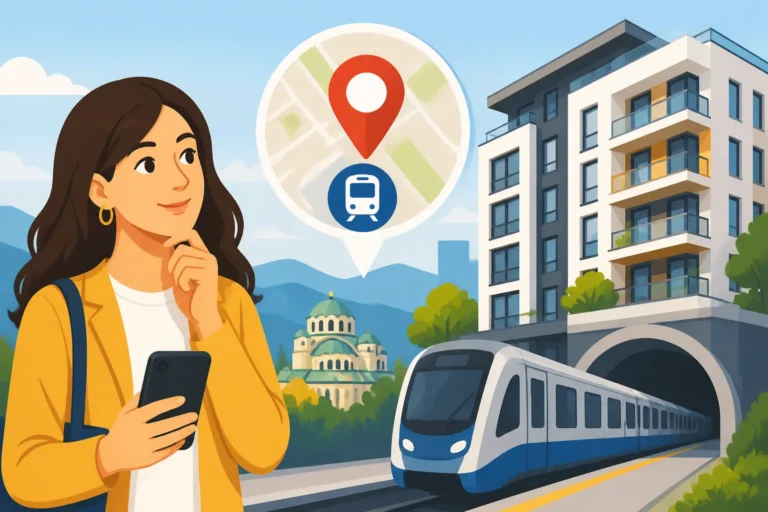
When you’re relying on public transport, your choice of neighbourhood becomes incredibly important. Living near a metro station is often considered prime real estate for expats precisely because it offers unparalleled connectivity. Areas like Lozenets, Iztok, and Studentski Grad (for students) are popular and well-served by the metro. Even areas further out, if they have direct metro access, can be very convenient.
If you prefer trams, consider areas along major tram lines like those leading to Ivan Vazov, Doctor's Garden, or even Oborishte. These neighbourhoods often have a charming, established feel and are rich in amenities. Conversely, if you choose to live in a more secluded area that relies heavily on infrequent bus routes, be prepared for longer commute times and less spontaneity. Our guide on What Are the Best Neighbourhoods for Expats in Bulgaria can offer more insights into suitable living areas depending on your lifestyle and transport preferences. The connectivity of your home base drastically impacts your day-to-day ease of movement.
Before signing a rental contract, always check the nearest public transport links and consider doing a test run during rush hour. It will give you a realistic idea of your daily commute and help you avoid future frustrations. Understanding How Much Does It Cost to Rent an Apartment in Sofia in 2026 in different areas might also influence your choice.
Weekend Escapes Beyond Sofia
While Sofia offers plenty to see and do, part of the joy of living in Bulgaria is exploring beyond the capital. Being car-free doesn’t mean you’re confined to Sofia! Bulgaria has a decent intercity bus and train network that can get you to many fascinating destinations.
For popular spots like Plovdiv, Veliko Tarnovo, or even the Rila Monastery (though the latter usually requires a bus to a nearby town and then a local transfer), you can easily catch a bus from the Central Bus Station (Централна Автогара). Trains, while slower, offer a more scenic route and can be a charming way to travel to destinations like Varna or Burgas on the Black Sea coast. You can check schedules and book tickets online or directly at the stations.
For more remote areas or specific excursions, you might consider renting a car for a weekend. Even without owning a vehicle, this gives you the flexibility to explore at your own pace. There are several reputable car rental agencies in Sofia, including international brands like Hertz, Avis, and local Bulgarian companies. This hybrid approach allows you to enjoy the benefits of car-free city living while still having the freedom for broader exploration. And if you're planning a major move into or out of Bulgaria, understanding the logistics of international shipping and transport services like those offered by Sirelo could be immensely helpful for your larger relocation needs.
The beauty of car-free living in Sofia is the freedom it brings from the stresses of car ownership, combined with the discovery of the city’s nuances that you’d otherwise miss. Embrace the journey, use your apps, and don't be afraid to ask for help. Sofia is waiting to be explored, one metro ride, tram trip, or scooter dash at a time.
Disclaimer
The information provided in this guide is based on general knowledge and current public transport systems in Sofia, Bulgaria, as of 2026. While every effort has been made to ensure accuracy, details such as prices, operating hours, and service availability are subject to change by local authorities and transport operators. It is always advisable to verify the latest information through official sources like the Sofia Urban Mobility Centre (SUMC) website or relevant transport apps before making plans. This guide is for informational purposes only and does not constitute professional advice.