What Are the Building Maintenance Fees for an Apartment in Bulgaria?
Moving into an apartment in Bulgaria can feel like a dream come true with its vibrant culture and affordable lifestyle. However, many expats quickly discover a curious administrative quirk: the "building maintenance fee," or as locals often call it, the fee for общи части (obshti chasti – common parts). This isn't just about cleaning the stairs; it's a critical, often underestimated, part of your monthly expenses that can be confusing, especially if you're not fluent in Bulgarian and don't understand the local laws governing shared property. This guide will walk you through everything you need to know about these fees, what they cover, and how they’re managed, helping you avoid unpleasant surprises.
Understanding "Общи Части": The Common Parts of Your Bulgarian Apartment Building
When you buy or rent an apartment in Bulgaria, you're not just getting the four walls of your living space; you're also becoming a co-owner (or a tenant under co-owners' rules) of the "common parts" of the building. This concept is crucial to grasp because it forms the very foundation of why maintenance fees exist and how they are legally structured here. Think of общи части as everything that isn’t exclusively part of an individual apartment but is essential for the building to function as a whole.
What are Common Parts? Legal Definitions and Practical Examples
Legally, the common parts of an apartment building in Bulgaria are defined by the Condominium Ownership Management Act (Закон за управление на етажната собственост, or ЗУЕС). This law, while sometimes a bit opaque for outsiders, essentially dictates how multi-apartment buildings are managed. It outlines that certain elements are inherently shared by all property owners within the building. These aren't optional extras; they are integral to the structure and functionality of your home.
Practically speaking, this includes a wide array of areas and systems. The most obvious examples are the stairwells, corridors, and landings on each floor. But it goes much deeper: the roof of the building is a common part, as are the exterior walls (facade), the foundations, and the main supporting structures. The main entrance, the building's lobby, and any shared basements or attics also fall under this umbrella. Even the land upon which the building stands, including any small garden or courtyard, is often considered common property. Then there are the vital systems that serve all apartments: the main water pipes, sewage risers, central heating pipes (if applicable), and electrical wiring for common lighting. And, of course, the elevator – a major item for many apartment blocks – is almost always a common part. These elements are not just shared convenience; their proper functioning and maintenance directly impact the value, safety, and liveability of your individual apartment. If you're looking to understand more about how property ownership works here, our guide on Understanding Property Ownership and the Market in Bulgaria (2027) provides a deeper dive.
Why Shared Responsibility Matters: The Law on Management of Condominium Ownership
The ZUES mandates that all owners of individual units in a condominium (apartment building) are legally obliged to contribute to the management, maintenance, and repair of the common parts. This isn't a suggestion; it's the law. The philosophy behind it is simple: if everyone benefits from these common areas, everyone must contribute to their upkeep. This collective responsibility is managed through a "General Assembly" of property owners, who meet regularly to discuss issues, approve budgets, and make decisions regarding the building's maintenance.
For expats, understanding this framework is critical. It means that even if you're renting, your landlord will likely pass these costs on to you as part of your rental agreement. If you're buying, these fees become a direct responsibility. Ignoring them isn't an option, as outstanding debts can lead to legal action, including liens on the property. The collective nature also means that individual owners usually don't have the unilateral power to decide on major repairs or changes to common parts; decisions are made democratically, often by a majority vote based on ownership share or per person, depending on the building’s internal rules. This can sometimes lead to frustrations, especially in older buildings where residents might have differing opinions on what constitutes essential maintenance versus desired improvements.
Deconstructing the "Monthly Maintenance Fee": What it Actually Covers
The term "maintenance fee" can be a bit vague, especially when coming from a country where such things might be called "HOA fees" or "service charges" with very different scopes. In Bulgaria, this monthly contribution is designed to cover a range of expenses necessary to keep the shared areas of your building functional, safe, and clean. The exact services can vary significantly based on the age, type, and location of the building.
General Upkeep: Cleaning, Minor Repairs, and Common Area Utilities
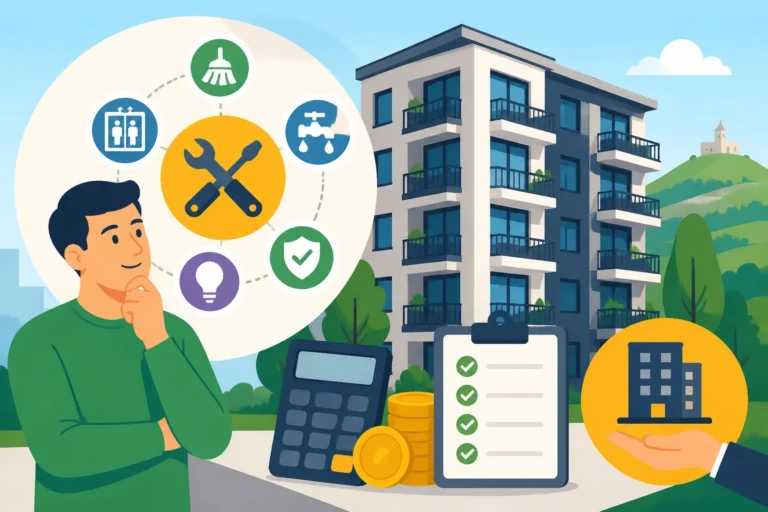
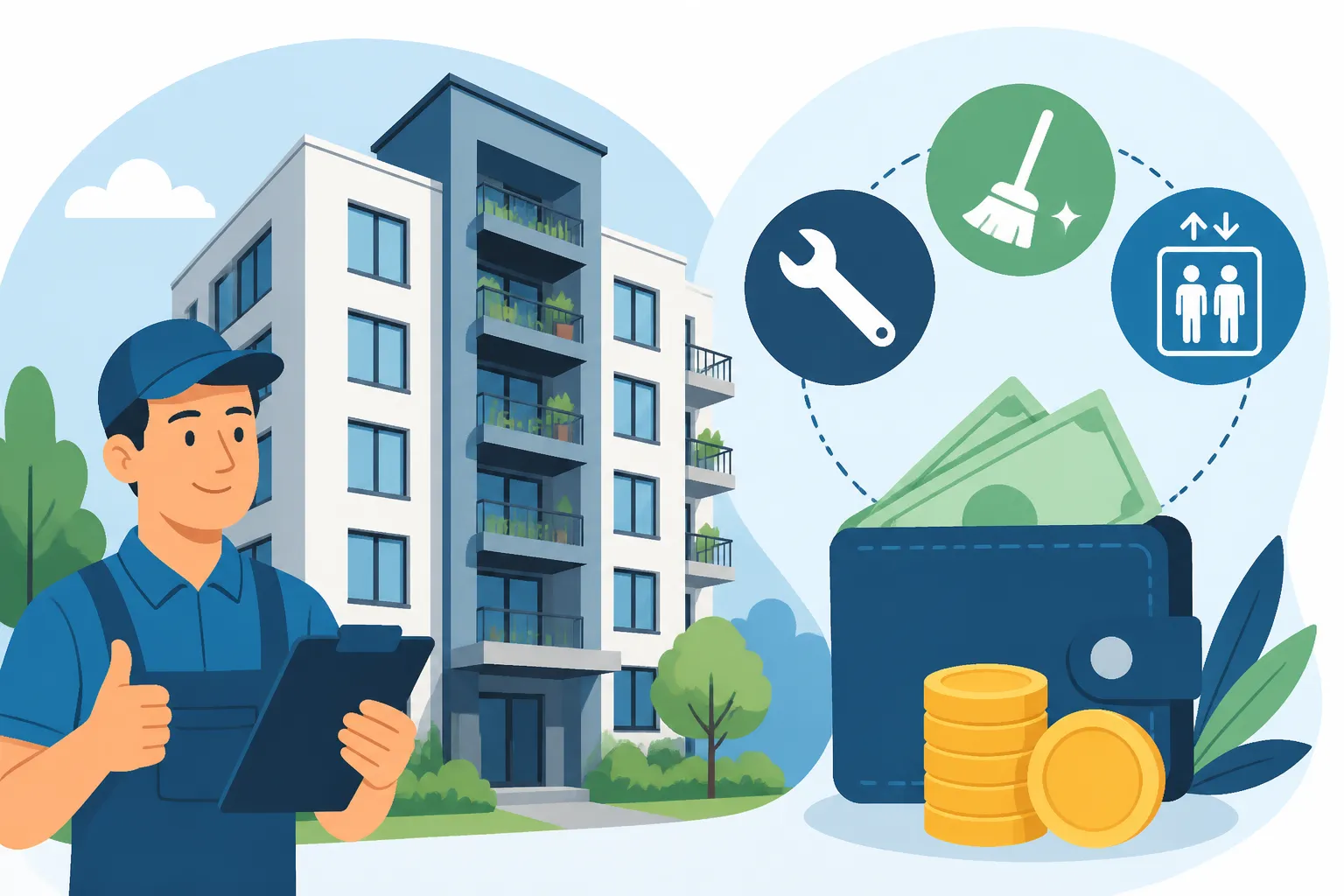
At its most basic, the monthly maintenance fee covers the routine operational costs that keep the common areas ticking over. This almost always includes cleaning services for the stairwells, corridors, and sometimes the entrance lobby. Believe me, you'll appreciate this, especially in older blocks where daily foot traffic can quickly lead to dusty stairs. Often, a building manager or a designated resident will hire a cleaner who comes a few times a week or monthly.
Beyond cleaning, these fees also fund minor repairs in common areas. This could be anything from replacing a burnt-out light bulb in the hallway, fixing a loose handrail on the stairs, or patching a small crack in a wall in the common entrance. It's about maintaining functionality and basic safety. Crucially, the electricity consumption for common lighting (stairwells, entrance, exterior lights) and other shared utilities, like water for cleaning, are also typically paid from these funds. While these might seem like small items individually, they add up, and having a collective fund ensures these everyday necessities are handled without constant individual requests.
Elevator Maintenance and the Reserve Fund for Major Repairs
For any apartment building with an elevator, a significant portion of the maintenance fee, or sometimes a separate, dedicated charge, goes towards elevator servicing. This isn't just a luxury; elevators require regular technical inspections and maintenance by certified companies to ensure safety and compliance with regulations. These contracts include routine checks, emergency call-out services, and repair of wear-and-tear components. A broken elevator is a huge headache, especially for those living on higher floors or with mobility issues, so this is a non-negotiable expense.
Beyond the day-to-day, a well-managed building will also have a "reserve fund" built into the monthly fee structure. This fund is absolutely vital, as it accumulates money over time to pay for larger, infrequent, but inevitable repairs. Think about it: roofs don't last forever, building facades need renovation, and main plumbing or electrical risers might need replacing. These are costly projects that individual owners usually can't afford to pay out of pocket on short notice. The reserve fund, though often small on a monthly basis, ensures that when a major issue arises, there's at least a starting point for financing. However, in many older buildings, such a fund might be insufficient or non-existent, leading to owners having to pay large lump sums when a critical repair, like a leaky roof, simply can't wait. Our guide on How Do I Prepare My Home for a Bulgarian Winter? touches on aspects like insulation and upkeep that link directly to these larger repairs.
Specific Services in Newer or Gated Complexes: Elevating Your Lifestyle
Here's where the fees can really diverge. In modern, especially gated residential complexes (often called затворени комплекси), the maintenance fees are typically much higher but also cover a wider array of services that contribute to a more luxurious or convenient lifestyle. These complexes are designed to offer more than just an apartment; they provide amenities.
This can include 24/7 security or concierge services, professional landscaping for shared gardens, maintenance of communal swimming pools, gym facilities, children's playgrounds, and even snow removal in winter. The administrative management in these complexes is often handled by a professional company, rather than a volunteer resident committee, which also contributes to the higher cost but usually means a more streamlined and responsive service. For instance, companies like Residential Park Sofia or other similar developments in larger cities will have detailed contracts outlining exactly what these comprehensive fees include. Before you commit to buying or renting in such a complex, make sure you get a detailed breakdown of these services and what they cost. This transparency is crucial, as some newer buildings have very high, non-negotiable service charges.
How Fees are Calculated: Per Person, Per Square Meter, or Fixed
The method of calculating maintenance fees is a hot topic in many Bulgarian buildings and can cause endless debates among residents. There are generally three main approaches:
- Per Person (на брой обитатели): This is quite common in older, smaller buildings, especially if the primary cost drivers are cleaning and common electricity. The logic is simple: more people using the common areas means more wear and tear and more cleaning needed. So, each registered resident in an apartment pays a fixed amount, say 10-20 leva per month. This can sometimes lead to disputes, especially if some residents declare fewer people than actually live there, trying to reduce their contribution.
- Per Square Meter (на квадратен метър): This method is more prevalent in newer, larger, and professionally managed complexes. The fee is calculated based on the total living area of your apartment, often including a share of the common parts, as recorded in your property deed. So, a larger apartment contributes more. This approach is often seen as fairer, as a larger apartment typically corresponds to a larger ownership share in the common parts.
- Fixed Amount Per Apartment (твърда такса на апартамент): Less common for ongoing maintenance but sometimes used for specific, smaller funds or in very small buildings. This is simply a flat fee that every apartment pays, regardless of size or number of occupants.
It's vital that the chosen method for your building is clearly stated in the internal rules of the condominium, approved by the General Assembly. When you're looking at How Much Does It Cost to Rent an Apartment in Sofia in 2026? or buying, always ask about how the maintenance fee is calculated and what it covers.
Navigating the Financial Side: How Fees are Set and Paid
Understanding what the fees cover is one thing, but figuring out how they are determined and the practicalities of payment can be another administrative labyrinth. This involves community governance, voting, and ensuring you don't fall behind on your obligations.
The General Assembly and Expat Challenges
The General Assembly (Общо събрание) is the supreme governing body of any apartment building in Bulgaria. This is where all the important decisions regarding common parts, including setting and adjusting maintenance fees, are made. Owners gather (or are supposed to gather) at least once a year, or more frequently if urgent matters arise, to discuss budgets, approve repairs, elect a management committee (управителен съвет) and a controller (контрольор), and make general rules for the building. Decisions are typically made by majority vote, often based on the number of owners present or, for significant issues, a majority based on the percentage of common parts owned.
For expats, attending these meetings can be incredibly challenging. They are almost always conducted entirely in Bulgarian, with no translation services. The discussions can be heated, lengthy, and filled with local nuances or long-standing grievances between neighbours. Understanding the specifics of a proposed budget for a roof repair or the legal implications of a new rule about pet ownership requires a good grasp of the language and local context. If you're buying, make sure your real estate agent or lawyer asks for the minutes of recent general assemblies. Our post on How to Buy Property in Bulgaria as a Foreigner: The Full Guide (2027) stresses the importance of due diligence, and this certainly applies here.
Payment Methods, Timelines, and Consequences of Non-Payment
Once the fees are set by the General Assembly, the management committee is responsible for collecting them. Payment methods vary. In older buildings, a resident from the committee might simply knock on your door monthly to collect cash, often providing a handwritten receipt. This old-school approach can be charming but also a bit inconvenient and less transparent. In more modern buildings, especially those professionally managed, you might receive an invoice with bank transfer details, allowing for easier electronic payments. Some even integrate with local payment systems, where you can pay through your bank’s online portal or at a cash desk in a supermarket.
The payment timeline is usually monthly, by a specific date. It's essential to adhere to this, as late payments can accrue interest. The consequences of non-payment can escalate. Initially, it might just be a reminder or a polite request. However, if debts accumulate, the management committee has the legal right to take you to court. They can obtain an enforcement order (изпълнителен лист), which can lead to your bank accounts being frozen or, in severe cases, a lien being placed on your property. Unlike some countries where HOA fees might have less teeth, in Bulgaria, these obligations are legally binding and taken seriously. So, if you're ever in doubt about a bill, clarify it promptly rather than ignoring it.
Differences Between Older Blocks and Modern Gated Communities
The experience of managing and paying maintenance fees differs wildly between older, Soviet-era blocks and modern, newly built gated communities.
Older Blocks (Панелки and older brick buildings):
- Management: Often managed by volunteer residents. This can lead to inconsistencies, personality clashes, and sometimes a lack of professional financial management.
- Fees: Typically lower, focusing on bare essentials like cleaning, common electricity, and minimal elevator service. Reserve funds for major repairs might be non-existent or woefully inadequate.
- Transparency: Can be opaque. Financial records might be informal, and meetings can be chaotic.
- Decision Making: Can be slow and difficult, as getting all owners (some of whom might be elderly or absentee) to agree and contribute to a large repair is a huge challenge.
- Issues: Persistent problems with communal spaces, deferred maintenance, and disputes over contributions are common.
Modern Gated Communities (Затворени комплекси):
- Management: Usually handled by a professional management company. This often means more efficient operations, better record-keeping, and clearer communication.
- Fees: Significantly higher, reflecting the broader range of amenities and professional services (security, landscaping, pools, gyms).
- Transparency: Generally better, with formal invoices, detailed budgets, and clear rules.
- Decision Making: While a General Assembly still exists, the management company often has a strong role in proposing budgets and executing decisions, sometimes with a more active owner association.
- Issues: While services are better, the higher cost can sometimes be a point of contention, and you have less direct control over management choices.
When comparing potential homes, whether you're looking to rent or figuring out How to Buy Property in Bulgaria as a Foreigner: The Full Guide (2027), always inquire about the type of management in place and the specific breakdown of fees.
Real-World Scenarios and Expat Pitfalls
Even with all the information, navigating maintenance fees as an expat can still present some unique challenges. It’s not just about the money; it’s about cultural differences, communication barriers, and knowing your rights.
Hidden Costs and Unexpected Assessments
You've done your due diligence, asked about the monthly fee, and it seems reasonable. Then, BAM! An unexpected bill arrives. This is often an "additional assessment" for a major repair that the regular reserve fund couldn't cover, or perhaps a sudden, urgent problem like a burst main pipe. In older buildings, where reserve funds are often lacking, these lump-sum requests are unfortunately common. I've seen expats blindsided by demands for hundreds, or even thousands, of leva for a new roof or a boiler replacement.
Before you buy, always ask for the financial history of the building, especially concerning major repairs in the last few years. Inquire about the state of critical infrastructure like the roof, facade, and main risers. Sometimes, a low monthly fee is a red flag, indicating that essential maintenance is being deferred, which will eventually lead to a hefty one-off cost. If you're renting, ensure your lease clearly states who is responsible for such unexpected assessments – typically, it should be the owner, but always confirm.
Language Barriers in Understanding Minutes and Decisions
As mentioned, General Assembly meetings and their minutes are almost exclusively in Bulgarian. Crucial decisions, budgets, and rule changes are documented in these minutes. If you don't understand the language, you're effectively excluded from the decision-making process and might miss vital information about upcoming costs or changes to your obligations.
It's not enough to rely on a quick Google Translate. Legal and administrative Bulgarian often uses specific terminology. If you own, consider hiring a local friend, a translator, or a lawyer to review important documents and explain the implications. For tenants, ensure your landlord provides clear explanations of any building decisions that might affect you. Even if you're initially using a temporary eSIM from a provider like Airalo for your first few weeks, quickly getting a local mobile plan is essential for constant communication and access to translation apps for these kinds of situations.
Dealing with Unresponsive Management Committees
In many older buildings, the management committee consists of volunteers – often retirees – who might not always be equipped to handle complex financial or legal matters, or who simply lack the motivation. This can lead to an unresponsive committee, issues being ignored, or funds being managed inefficiently. You might find yourself trying to report a problem in a common area only to be met with shrugs or delays.
If you find yourself in this situation, communication is key, even if difficult. Try to engage other residents. A collective approach often has more weight than an individual complaint. If problems persist and legal obligations (like mandatory repairs) are being neglected, there are legal avenues, but these can be time-consuming and costly. It's often better to try and work constructively within the community if possible.
Tips for New Buyers and Renters
Navigating these waters requires proactive effort, especially if you’re new to Bulgaria.
- Ask for Documentation: When viewing a property, whether for rent or purchase, explicitly request copies of:
- The latest minutes from the General Assembly.
- The building's internal rules (Правилник за вътрешния ред).
- The budget for common parts for the current and previous year.
- Proof of payment for the current maintenance fees from the previous owner/tenant, ensuring there are no outstanding debts.
- Engage Local Help: If your Bulgarian isn't up to par (and whose is, really, for legal jargon!), enlist the help of a trusted Bulgarian friend, a local real estate agent, or a lawyer specializing in property. They can review documents, explain nuances, and even attend meetings on your behalf (with a power of attorney if you own). Our guide on How Do I Find a Reliable Real Estate Agent in Bulgaria? can help you find someone trustworthy.
- Inspect Common Areas Thoroughly: Don't just look at the apartment; check the common areas. Is the entrance clean? Are the stairs well-maintained? Does the elevator seem functional and safe? Are there signs of leaks in the corridors or ceiling? The state of the common parts is a good indicator of how well the building is managed and maintained.
- Budget for the Unexpected: Even if the monthly fee seems low, always factor in the possibility of an unexpected assessment for major repairs, especially in older buildings. It's better to be pleasantly surprised than financially ambushed.
- Understand Your Contract: If you're renting, ensure your rental contract clearly stipulates responsibilities for maintenance fees, utility bills (for your apartment and common parts), and any potential extraordinary assessments. Our guide on How to Sign a Rental Contract and Pay a Deposit in Bulgaria has more details on securing a fair agreement.
- Connect with Neighbours: While it might seem daunting, building a relationship with your neighbours can be invaluable. They can provide insights into the building's history, the management committee, and common issues, and can even help translate important information.
Remember, settling into a new country involves many administrative steps. When you're planning your big move, comparing services from companies like Sirelo can help you find reliable international movers, but once you're on the ground, integrating into the local community and understanding these specific local rules will be your best asset.
Typical Maintenance Fee Breakdown Example
Here's a simplified table comparing typical monthly maintenance fees in different types of apartment buildings in Bulgaria, keeping in mind these are estimates and can vary widely.
| Building Type | Typical Monthly Fee (BGN) | What it Usually Covers | Key Characteristics for Expats |
|---|---|---|---|
| Older Panel/Brick Block | 10 – 30 BGN | Cleaning of common areas, common electricity, minimal elevator service. | Lower costs, but higher risk of large, unexpected repair assessments. Management often informal. |
| Newer Standard Apartment | 30 – 60 BGN | Cleaning, common electricity, elevator service, basic reserve fund. | More organized, but still reliant on resident committee. Better transparency than older blocks. |
| Modern Gated Complex | 80 – 250+ BGN | All of the above PLUS 24/7 security, landscaping, pool/gym maintenance, professional management. | Higher costs, but more amenities and professional service. Clearer rules and payment. |
| Vacation/Resort Property | 50 – 200+ BGN | Similar to gated complex, often includes pool, garden, security. | Fees often per square meter, mandatory and strictly enforced, sometimes managed by resort operator. |
Note: BGN (Bulgarian Lev) is pegged to the Euro at approximately 1 EUR = 1.95583 BGN.
Disclaimer
The information provided in this guide is for general informational purposes only and does not constitute legal, financial, or real estate advice. While we strive to keep the content up-to-date and accurate, laws and regulations in Bulgaria can change, and individual situations may vary. It is highly recommended to consult with a qualified Bulgarian lawyer, real estate agent, or financial advisor for advice tailored to your specific circumstances before making any decisions related to property purchase, rental, or financial obligations. We assume no responsibility for any loss or damage incurred as a result of relying on this information.