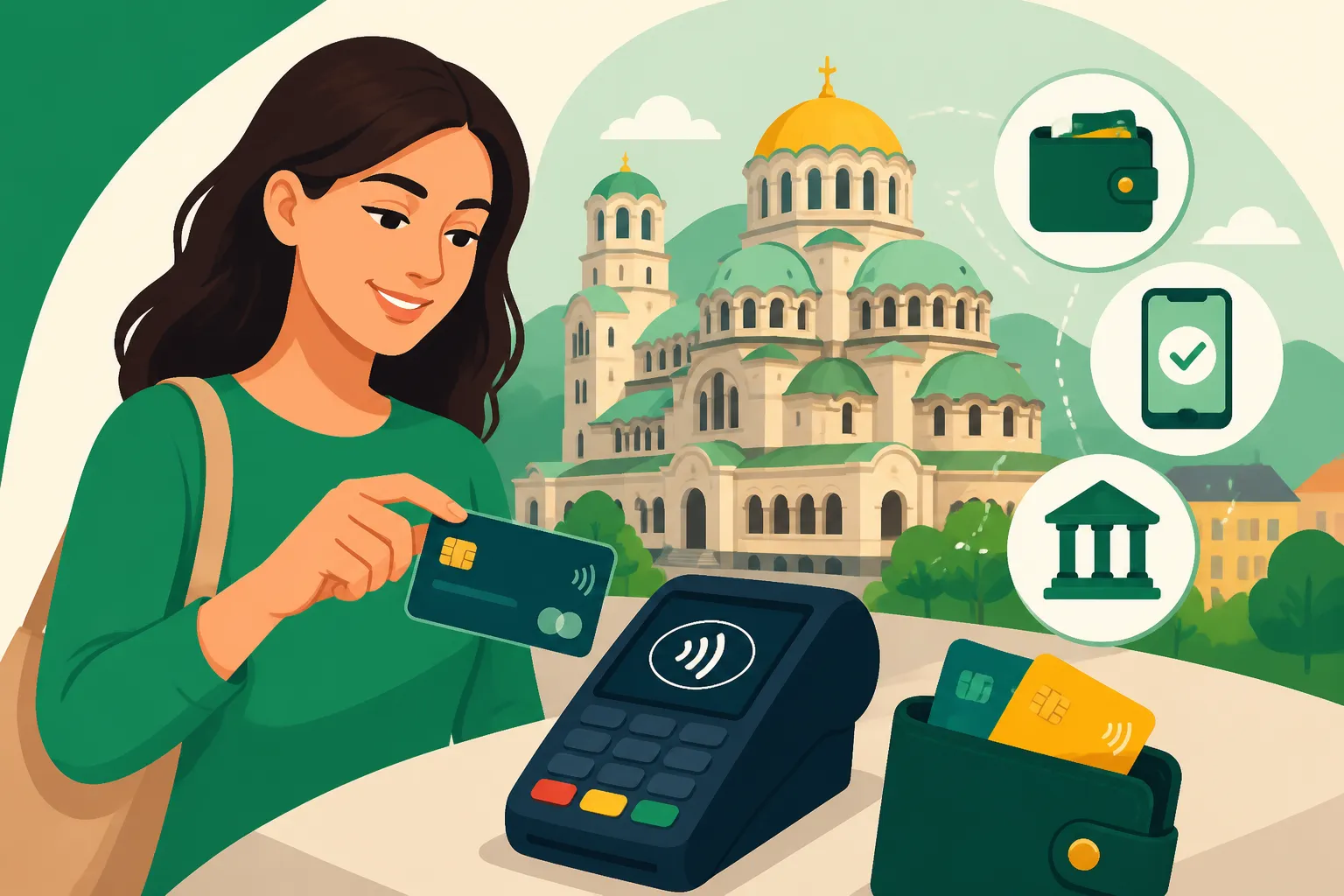
How to Use Local Payment Systems and Cards in Bulgaria
Moving to Bulgaria, you quickly realize that while the vibrant culture is incredibly welcoming, navigating the everyday practicalities, especially when it comes to money, can feel like learning a whole new language. You’ve probably found yourself in a small shop, waving your shiny international credit card, only to be met with a shake of the head and a firm "V nakit!" (Cash!). It's a common expat frustration. This guide is here to untangle the complexities of local payment systems and cards in Bulgaria, ensuring you’re always prepared, whether you’re buying fresh produce at a pazar or paying your utility bills online.
Navigating the Bulgarian Cash-Heavy Culture
Even in our increasingly digital world, Bulgaria has a unique relationship with cash. While major cities and larger establishments are generally well-equipped for card payments, venturing off the beaten path or dealing with smaller businesses often means needing actual leva in your pocket. This isn't just about old habits; it's deeply ingrained in the local economy, and understanding this reality will save you a lot of headaches.
The Enduring Reign of Cash and Why It Matters
Forget what you might be used to in Western Europe or North America; in many parts of Bulgaria, cash is king. Think about your daily errands: a quick stop at the local bakery for banitsa, buying flowers from a street vendor, getting a taxi outside of the major apps, or even settling up at a charming, traditional restaurant in a smaller town. More often than not, these transactions are exclusively cash-based. The reasons are varied, from avoiding card transaction fees for small businesses to a general cultural preference for tangible money.
This isn’t to say Bulgaria is behind the times; rather, it’s a reflection of local business practices and consumer habits. For an expat, this means you absolutely cannot rely solely on cards, even if you’re living in a metropolitan area like Sofia or Plovdiv. Always carry a decent amount of cash, especially smaller denominations (5, 10, 20 leva notes), as breaking a 100 leva note for a coffee can sometimes be met with a sigh or a genuine inability to make change. It’s not about being impolite; it’s just how things often work.
When to Expect Card Payments and When to Have Cash Handy
Generally speaking, you can expect to use your card at most major supermarkets like Lidl, Kaufland, or Billa, large chain stores, petrol stations, modern restaurants, and many mid-to-high-range hotels. Most banks in Bulgaria, such as DSK Bank, UniCredit Bulbank, and Raiffeisen Bank, are well-integrated into the international payment networks, meaning their POS terminals accept Visa and Mastercard without a hitch.
However, the moment you step into a smaller, family-run grocery store, a local fruit and vegetable stall, a traditional mekitsa stand, or even some smaller pharmacies, cash becomes your best friend. Even some seemingly modern establishments might have a broken card machine (often blamed on a "temporary problem" that lasts for weeks!) or a minimum spend requirement for card payments. My advice? When in doubt, assume cash is required. It’s always better to be pleasantly surprised by a working card machine than to be left scrambling for cash when you’re hungry or in a hurry. You’ll find that having a mix of payment options is key to navigating daily life smoothly here.
Understanding Bulgarian Debit and Credit Cards
Once you get settled, one of the smartest things you can do is open a local bank account. This isn't just about convenience; it often translates to lower fees, easier bill payments, and a smoother integration into the Bulgarian financial system. Plus, local cards come with benefits that international cards often lack when it comes to everyday transactions.
Local Bank Cards: The Essentials Debit vs Credit
When you open a bank account in Bulgaria, you’ll typically be issued a debit card linked directly to your current account. This is your primary tool for day-to-day spending. Debit cards from Bulgarian banks like DSK or UniCredit Bulbank are widely accepted at all POS terminals that display the Visa or Mastercard logos, both domestically and internationally. They allow you to withdraw cash from ATMs without incurring the hefty foreign transaction fees that come with your home country's debit card.
Credit cards are also available from Bulgarian banks, but they generally have stricter eligibility requirements, especially for new expats without a long financial history in the country. They often come with higher annual fees and interest rates compared to debit cards. For most expats, a local debit card, perhaps paired with a good international money transfer service like Wise for receiving funds from abroad, is more than sufficient for managing daily finances. Understanding the difference between these cards is crucial. Debit cards spend money you already have, while credit cards allow you to borrow money up to a certain limit, which must be repaid.
Getting and Using a Bulgarian Bank Card
The process of getting a Bulgarian bank card begins with opening a local bank account. You'll need your passport, your Bulgarian residence permit, and sometimes proof of address or income. I've covered the ins and outs of this process in detail in "How to Open a Bank Account at a Bulgarian Bank as a Foreigner". Once your account is set up, the bank will usually issue a debit card within a week or two, which you can typically pick up at your branch. Some banks might offer instant issuance of a basic debit card.
Using the card is straightforward: swipe, insert, or tap. For purchases over a certain amount (often 50 leva), or periodically for security, you'll be asked to enter your PIN. Make sure you remember it! Most terminals also support contactless payments, making quick transactions a breeze. If you're struggling with a payment terminal, don't hesitate to ask the cashier for help. A simple "S karti li e?" (Is it with a card?) or "Moje li bezkontaktno?" (Can I pay contactless?) can often clear things up.
The Ins and Outs of Contactless Payments and ATMs
Contactless payment, or "tap and go," is very common and convenient in Bulgaria. Most modern POS terminals in shops, restaurants, and even public transport ticket machines (especially in Sofia) accept contactless payments from your card or mobile phone. This speeds up transactions and reduces the need to handle cash, which is a big plus for many expats.
ATMs (Automated Teller Machines), or bankomat in Bulgarian, are abundant across the country, especially in urban areas and tourist spots. You'll find them at bank branches, shopping centers, and even standalone kiosks. Most ATMs are multilingual, offering instructions in English, which is a huge relief. When withdrawing cash, always be mindful of potential fees. If you're using a Bulgarian debit card at your own bank's ATM, withdrawals are usually free. Using another bank's ATM in Bulgaria will likely incur a small fee (e.g., 2-3 leva). If you’re still relying on a foreign card, be prepared for both your home bank’s fees and the Bulgarian ATM operator’s fees. It adds up quickly! For larger transfers or when you're moving money from your home currency, services like Wise are brilliant for minimizing these costs, offering competitive exchange rates and transparent fees, far better than what most traditional banks offer for international transactions.
Embracing Digital and Mobile Payment Solutions
While cash maintains its stronghold, Bulgaria is far from a technological desert. Digital and mobile payment solutions are steadily gaining traction, offering convenience for online shopping, bill payments, and even person-to-person transfers. Integrating these into your financial routine can significantly streamline your life as an expat.
Popular Mobile Payment Apps and Platforms
Mobile payment apps are definitely on the rise in Bulgaria, especially among younger generations and in tech-savvy cities like Sofia and Plovdiv. Most major Bulgarian banks offer their own mobile banking apps, which often include features for in-app payments, QR code payments, and even generating virtual cards for online use. For example, DSK Bank and UniCredit Bulbank have robust mobile apps that allow you to manage your accounts, make transfers, and pay bills from your smartphone.
Beyond bank-specific apps, global platforms like Apple Pay and Google Pay are also widely supported. If your Bulgarian debit or credit card is compatible, you can link it to these platforms and use your phone for contactless payments wherever the Visa or Mastercard contactless logo is displayed. This is a game-changer for convenience, allowing you to leave your physical wallet at home for many errands. Additionally, some local businesses, particularly smaller ones or online shops, might use QR code payment systems linked to local providers, though these are less universally adopted than card terminals.
Online Banking and Bill Payments: Your Digital Lifeline
Online banking is a lifesaver for expats in Bulgaria, making what could be tedious administrative tasks incredibly simple. Once you've opened your local bank account, make sure to set up online banking – it's usually a free service. I highly recommend reading "How to Set Up Online Banking with a Bulgarian Bank" for a step-by-step guide. Through your bank's online portal or mobile app, you can easily:
- Check your account balance and transaction history: Essential for budgeting and tracking expenses.
- Make local bank transfers: Crucial for paying rent, transferring money to friends, or making purchases from local online vendors. Transfers within Bulgaria are generally fast, often instantaneous for interbank transfers during business hours.
- Pay utility bills: This is where online banking truly shines. Instead of queueing at a payment office or post office, you can set up recurring payments or pay your electricity, water, internet, and even mobile phone bills with a few clicks. This specific topic is covered in more detail in "How to Pay Your Utility Bills in Bulgaria". It's a massive time-saver and avoids late payment penalties.
- Manage direct debits and standing orders: Useful for regular payments like subscriptions or loan repayments.
Most banks use strong security measures, including two-factor authentication (usually via an SMS code or a separate token device), to protect your online transactions. Always ensure you're on the legitimate bank website and never share your login credentials with anyone.
International Cards and Their Place in Bulgaria
For many newcomers, their foreign bank cards are their first line of defense financially. While these cards are generally accepted, relying on them exclusively in Bulgaria can quickly become an expensive habit. Understanding their limitations and costs is key to smart financial management as an expat.
When Your Foreign Card Works and When It Doesn't
Your international Visa or Mastercard will likely work at most places that accept card payments in Bulgaria – think larger supermarkets, international chain hotels, and major retailers. You can also use them to withdraw cash from ATMs, though, as mentioned, this often comes with a double whammy of fees. If you have an American Express or Discover card, you might find acceptance is much more limited. Visa and Mastercard have the broadest reach here.
However, where foreign cards often fall short is with smaller vendors, local markets, and businesses that operate on tight margins. These places may either not have card terminals at all, or they might prefer cash to avoid the processing fees associated with international transactions. Furthermore, some online platforms for local services or small businesses might not be set up to accept foreign card payments, requiring a local bank transfer instead. Always have a backup plan, which usually means carrying Bulgarian leva.
The Hidden Costs of International Transactions and How to Avoid Them
This is where many expats get caught out. Every time you use your foreign debit or credit card for a transaction in a currency other than your card's base currency (e.g., using a USD card for a BGN transaction), you're likely incurring fees. These typically include:
- Foreign Transaction Fees: Often a percentage (e.g., 2-3%) of the transaction amount, charged by your home bank.
- Unfavorable Exchange Rates: Your bank might use a less competitive exchange rate than the interbank rate, effectively costing you more.
- ATM Withdrawal Fees: A combination of fees from the Bulgarian ATM operator and your home bank.
These costs might seem small per transaction, but they can quickly accumulate, adding significantly to your cost of living in Bulgaria. To avoid these hidden expenses, the best strategy is twofold:
- Open a local Bulgarian bank account and get a debit card. This eliminates foreign transaction fees for your daily spending in leva. This is one of the foundational steps of moving to Bulgaria.
- Use a multi-currency account/service like Wise for transferring larger sums from your home country to your Bulgarian bank account. Wise offers excellent exchange rates and transparent, low fees for international money transfers, saving you a substantial amount compared to traditional bank wire transfers. This way, your money arrives in BGN, ready for use with your local card, without unnecessary conversion costs. For managing your overall finances from abroad, especially considering tax implications, looking into services like Taxes for Expats could also be beneficial to ensure compliance and efficiency in your cross-border financial planning.
Specialized Payment Situations and Tips for Expats
Life in Bulgaria involves more than just daily shopping. You'll encounter specific payment scenarios for bills, money transfers, and even government services. Knowing how to navigate these without frustration is crucial for a smooth expat experience.
Paying Bills and Utilities the Bulgarian Way
Paying bills in Bulgaria can sometimes feel like a trip back in time, but thankfully, modern options are becoming more prevalent. For your monthly utilities – electricity, water, internet, and mobile phone – you have several choices:
- Online Banking: As highlighted, this is the most convenient method. Most utility providers are registered with Bulgarian banks, allowing you to pay directly through your online banking portal or mobile app. You typically enter the subscriber number from your bill, and the system pulls up the amount due.
- EasyPay Offices: These are ubiquitous payment centers found in most towns and cities. They are private companies that act as intermediaries, allowing you to pay various bills (utilities, insurance, phone, even some taxes) with cash or card, often for a small service fee (usually 0.50 – 1 leva). You just need your bill or subscriber number.
- Post Offices: You can also pay most bills at a Bulgarian Post Office, often with cash. This can sometimes involve longer queues but is a reliable option.
- Direct Debit (Automatic Payments): Most banks and utility providers allow you to set up direct debits for recurring bills. This is incredibly convenient as it ensures you never miss a payment. I cover this and other utility setup tips in more detail in "The Expat Guide to Setting Up Utilities Electricity, Water, Gas in Bulgaria".
For other payments, such as taxes or social security contributions, these are usually made via bank transfer to specific government accounts. Understanding "Mandatory Health Insurance Contributions in Bulgaria" and how to manage them is a critical part of financial life here. For official payments, keeping a record of your bank transfers is essential.
Money Transfers and Cross-Border Payments
When it comes to moving money into or out of Bulgaria, especially significant sums, you want efficiency and minimal fees. Traditional bank wire transfers can be slow and expensive, with hidden markups on exchange rates.
This is where specialist money transfer services truly shine. Companies like Wise (formerly TransferWise) have revolutionized international payments. They allow you to send money from your bank account in your home country directly to your Bulgarian bank account (or vice versa) with transparent fees and at the real mid-market exchange rate. The process is usually faster and significantly cheaper than using conventional banks. For instance, if your family sends you money from the UK, they can send GBP directly to your Bulgarian bank account, and Wise will convert it to BGN at a much better rate than most banks would offer. This is invaluable for everything from managing your regular income if you're working remotely to settling large expenses like rent or property purchases. If you're looking for the most economical ways, definitely check out "What Is the Best Way to Send Money Abroad from Bulgaria?".
For smaller, instant person-to-person transfers within Bulgaria, some banking apps allow this, or you might find local services that facilitate quick cash transfers, though direct bank transfers are generally preferred for security and record-keeping.
Security and Fraud Prevention: Protecting Your Leva
In any country, financial security is paramount, and Bulgaria is no exception. While serious financial crime against tourists and expats is not rampant, it pays to be vigilant and understand the common pitfalls.
Common Scams and How to Spot Them
As an expat, you might unfortunately be seen as a potential target by unscrupulous individuals. Here are a few common scenarios and how to protect yourself:
- ATM Skimmers: While less common now, always check the ATM for anything that looks out of place – a loose card slot, an unusual keypad, or a small camera pointing at the PIN pad. If it feels off, find another ATM.
- "Helpful" Strangers at ATMs: Be wary of people who offer to "help" you at an ATM, especially if you seem to be struggling. They might be trying to distract you to skim your card or steal your cash. Decline politely but firmly.
- Online Phishing and Impersonation: This is a global problem. Be cautious of unsolicited emails, texts, or calls claiming to be from your bank, the police, or a government agency like the National Revenue Agency (NRA) asking for your personal details, PINs, or online banking credentials. Banks and official bodies will never ask for this information via email or text. Always verify the sender and, if in doubt, contact the institution directly using official contact numbers.
- Fake Websites/Online Stores: When shopping online, ensure the website is legitimate and secure (look for 'https://' in the URL and a padlock symbol). Be especially careful with incredibly cheap deals that seem too good to be true.
Remember, common sense and a healthy dose of skepticism are your best defense.
Safeguarding Your Cards and Digital Transactions
Taking proactive steps to protect your financial information can prevent a lot of stress:
- Protect Your PIN: Never write down your PIN or share it with anyone. When using an ATM or POS terminal, always cover the keypad with your hand when entering your PIN.
- Monitor Your Bank Statements: Regularly check your online banking statements for any unauthorized transactions. If you spot something suspicious, contact your bank immediately. Many Bulgarian banks have 24/7 fraud hotlines.
- Be Mindful of Wi-Fi: Avoid conducting sensitive banking transactions over public, unsecured Wi-Fi networks. If you must, use a Virtual Private Network (VPN) for an extra layer of security.
- Strong Passwords: Use strong, unique passwords for your online banking and other financial accounts. Consider using a password manager.
- Enable Notifications: Set up SMS or email notifications from your bank for all transactions. This way, you’re instantly alerted to any activity on your account.
- Carry Minimal Cards: Only carry the cards you need. If your wallet is lost or stolen, it minimizes the hassle of canceling multiple cards.
- Report Lost/Stolen Cards Immediately: If your card is lost or stolen, contact your bank without delay to block it. Most banks have international toll-free numbers for this purpose.
By being aware and taking these precautions, you can enjoy the convenience of Bulgaria's payment systems with peace of mind.
Disclaimer
The information provided in this guide is for general informational purposes only and does not constitute financial, legal, or professional advice. While we strive to keep the information up-to-date and accurate, regulations and services in Bulgaria can change. Always consult with a qualified professional or the relevant authorities for specific advice regarding your individual circumstances.