How Do I Choose Between an Apartment and a House in Bulgaria?
Deciding between renting an apartment or buying a house in Bulgaria can feel like trying to solve a Rubik's Cube blindfolded, especially when you're fresh off the plane. It's not just about space; it's about lifestyle, unexpected costs, and fitting into a culture that might be very different from what you're used to. This guide will walk you through the nuances, helping you weigh the pros and cons of both options, from a fellow expat who's been there, done that, and probably spilled a coffee or two navigating Bulgarian bureaucracy.
Understanding Your Lifestyle and Needs in Bulgaria
Before you even start browsing listings, take a moment to truly reflect on what you want your life in Bulgaria to look like. It’s easy to get caught up in the romance of a village house with a vineyard, or the sleek appeal of a city centre apartment, but reality here often has a way of introducing itself with a polite but firm knock. Your lifestyle, family situation, and financial comfort will dictate far more than just your initial budget.
Urban vs. Rural Living
Bulgaria offers a stark contrast between its vibrant cities and its tranquil, often rustic, countryside. If you’re a city person, craving the buzz, the international restaurants, cultural events, and the convenience of modern amenities, then an apartment in Sofia, Plovdiv, or Varna might be your natural habitat. These cities offer a different pace, often with better infrastructure, access to English-speaking services, and more diverse job opportunities. However, this comes with a trade-off: higher prices, smaller living spaces, and the urban hustle. Think about your daily commute, access to international schools if you have children, and proximity to other expat communities.
On the other hand, if peace, quiet, and a connection to nature are high on your list, a house in one of Bulgaria's charming villages could be calling your name. The appeal is undeniable: often larger plots of land, the chance to grow your own food, and a slower, more traditional way of life. But don't romanticise it too much. Rural life means relying more on local resources, which might not always include readily available English speakers or the latest fibre optic internet. It often means a car is essential, and trips to the city for specific goods or services become a planned excursion rather than a quick errand. The sense of community in Bulgarian villages can be incredibly strong and welcoming, but it might take more effort to integrate, especially if your Bulgarian language skills are still developing.
Family Size and Future Plans
Your current and future family situation is a huge factor. Are you a single person, a couple, or a family with children? A sleek, modern apartment in the city might be perfect for a single person or a couple who enjoy dining out and travelling, with minimal home maintenance. These spaces are often manageable and offer security, which can be a comfort when you're new to a country.
However, if you have children, or are planning to start a family, a house with a garden might suddenly seem much more appealing. Kids need space to run around, and a garden provides a fantastic outdoor area without needing to constantly head to a public park. Consider the proximity to schools – both local Bulgarian schools and international options which are mostly concentrated in larger cities like Sofia. Also, think about visitors. Do you envision friends and family coming to stay for extended periods? A house typically offers more bedrooms and common areas, providing everyone with a bit more elbow room. If your long-term plan involves retiring to Bulgaria and tending to a garden, a house makes perfect sense. If you anticipate moving again in a few years, an apartment might offer more flexibility for reselling or renting out.
Financial Considerations Beyond Price
It’s easy to look at the initial purchase price or monthly rent, but savvy expats know there’s so much more to it. The "cost of living in Bulgaria for expats" is certainly attractive, but this calculation includes more than just housing. While a house in a village might seem incredibly cheap to buy upfront compared to Western Europe, remember that renovation costs can quickly add up, especially for older properties that often need significant work to meet modern standards. Think about heating systems, insulation, plumbing, and electrical upgrades – these aren't minor expenses.
Apartments, especially in newer buildings in cities, often come with monthly maintenance fees – "taksa poddrŭzhka" (такса поддръжка). These fees cover things like communal area cleaning, elevator maintenance, and sometimes even security. While they add to your monthly outlay, they save you the headache of coordinating repairs for shared spaces. Don't forget property taxes and garbage collection fees, which are generally lower in Bulgaria than many other countries, but still a recurring expense whether you own an apartment or a house. For more details on these, you might find a guide on Understanding Property Tax and Garbage Fees for Homeowners in Bulgaria incredibly helpful.
The Apartment Lifestyle in Bulgaria
Ah, the urban apartment life in Bulgaria! For many expats, this is the most common entry point. It’s often seen as the practical, less daunting choice, especially when you’re just settling in. But like everything here, it comes with its own set of charming quirks and minor frustrations.
Pros of Apartment Living
One of the biggest advantages of apartment living is the sheer convenience. In cities like Sofia or Plovdiv, you're often within walking distance of shops, restaurants, public transport, and various services. This means less reliance on a car, which can be a huge relief if you’re not keen on navigating Bulgarian traffic or parking regulations. You’ll also find it easier to set up utilities in an apartment, as many are already connected. Check out The Expat Guide to Setting Up Utilities (Electricity, Water, Gas) in Bulgaria for a step-by-step.
Security is another big plus. Many apartment buildings have controlled access, sometimes even a concierge or video surveillance, providing an added layer of peace of mind. For those new to the country, this can be a significant comfort. Maintenance is generally simpler too. You're typically only responsible for the interior of your unit, with common areas and exterior upkeep handled by a building management company (for newer blocks) or a residents' association (for older ones). This can free up a lot of your time and energy that would otherwise be spent on gardening or roof repairs.
Furthermore, apartments in major cities offer better rental potential if you decide to move or invest. The demand for modern, well-located apartments is consistently high, making them a relatively liquid asset if you need to sell quickly. For a deep dive into the rental market, see The Complete Guide to Renting an Apartment in Bulgaria (2027).
Cons of Apartment Living
Space, or lack thereof, is often the most cited drawback. Bulgarian apartments, particularly in older blocks, can be quite compact, and outdoor space might be limited to a small balcony, if anything. If you're used to a sprawling home with a yard, this can feel restrictive. Noise can also be an issue; while modern buildings often have good insulation, older blocks might mean you hear more of your neighbours' daily lives than you'd prefer. This is a common expat frustration, as noise etiquette can differ from what you're used to.
Privacy is another concern. You'll share walls, floors, and ceilings with others, and common areas like stairwells and entrances are constantly in use. If you crave solitude, an apartment might not always deliver it. And let's not forget the parking situation in cities – it can be a nightmare. Even if your building has dedicated parking, it might be limited, and street parking can be fiercely competitive, often requiring a resident permit.
Finally, while maintenance is less personal, it's not always seamless. Disagreements among residents about shared costs or necessary repairs can happen, and navigating these discussions in Bulgarian can be challenging.
Navigating Apartment Ownership and Rentals
Whether you choose to rent or buy, the process for apartments typically involves less red tape than buying a house with land. If you're renting, you'll generally sign a contract and pay a deposit. For buying, the process is straightforward for EU citizens, but non-EU citizens need to be aware of certain property purchase rules, especially regarding land. You can find more comprehensive information in Understanding Property Ownership and the Market in Bulgaria (2027) and How to Sign a Rental Contract and Pay a Deposit in Bulgaria.
When looking at apartments, particularly in Sofia, you'll find a range of options from Soviet-era blocks to brand-new, luxury developments. Locations like Lozenets, Iztok, and Doctors' Garden in Sofia are popular with expats for their amenities and green spaces. Meanwhile, districts like Mladost or Geo Milev offer a more residential feel with decent connectivity.
When it comes to communication and getting set up, I found services like Airalo super useful for staying connected with data when I first arrived, especially before my home internet was fully installed. It's a lifesaver for navigating new areas and translating on the fly.
The House Lifestyle in Bulgaria
The allure of a Bulgarian house, especially in the countryside, is powerful. Many expats dream of escaping the rat race, embracing a simpler life, and having their own slice of Bulgarian paradise. And indeed, for many, it becomes a deeply rewarding reality.
Pros of House Living
The most obvious advantage is space – both indoors and out. A house typically offers more square footage, more rooms, and crucially, a garden. This means privacy, room for hobbies, pets, and children, and the joy of outdoor living. Imagine summer evenings barbecuing in your own yard, or growing fresh produce in your garden. For more space-conscious considerations, check out The Best Places to Live in Bulgaria for Expats: A Complete Guide (2027), as it often delves into the unique offerings of various regions.
For the adventurous and DIY-inclined, older Bulgarian houses often come with incredible character and renovation potential. This allows you to create a home exactly to your taste, blending traditional charm with modern comforts. The cost of materials and labour can also be significantly cheaper than in many Western countries, making extensive renovations more feasible.
Living in a house, particularly in a village, offers a deeper immersion into Bulgarian culture. You'll often find yourself part of a close-knit community, interacting more with locals, and perhaps even learning traditional skills. This can be incredibly enriching and lead to a genuine sense of belonging. The quiet, clean air, and slower pace of life contribute significantly to a lower-stress existence.
Cons of House Living
The romantic dream of a village house often collides with the reality of maintenance. A house means you are responsible for everything: the roof, the walls, the garden, the septic tank (if applicable), and all utility connections. If you’re not handy, you’ll be hiring local tradespeople, which can be a challenge if you don't speak Bulgarian fluently. Finding reliable, honest workers is key, and it often involves recommendations from trusted locals. This can be particularly true if you're living in a more remote area where services might be limited.
Rural houses also mean increased reliance on a car, adding costs for fuel, insurance, and maintenance. Public transport outside of major routes is often sparse or non-existent. Connectivity can also be an issue; while fibre internet is expanding, some rural areas still rely on slower ADSL or mobile internet solutions. This is where options like Airalo come in handy for reliable mobile data, especially if you're off the beaten path or waiting for fixed internet to be installed.
Another significant drawback can be isolation, especially if you're not fluent in Bulgarian. While neighbours are often friendly, deep conversations can be difficult without a common language. Access to specific amenities like international schools, large supermarkets, or certain medical specialists might require a drive to a larger town or city.
Rural vs. Suburban House Ownership
When considering a house, you’re not limited to deep rural villages. Bulgaria also has suburban areas around larger cities that offer a compromise. Places like Bankya or Pancharevo near Sofia offer houses with gardens, a quieter environment, but still relatively easy access to the city’s amenities. These tend to be more expensive than remote village houses but offer a smoother transition for expats who want a garden without sacrificing all urban conveniences.
Buying a house in Bulgaria as a foreigner can be a bit more complex, especially if you're not an EU citizen and the property comes with land. Generally, non-EU citizens can buy buildings but not the land itself, unless they set up a company. It's crucial to understand How to Buy Property in Bulgaria as a Foreigner: The Full Guide (2027) before you jump in. You'll likely need a good lawyer throughout the process.
Practical Considerations and Local Nuances
Beyond the big decisions, there are countless small details that make a huge difference in your daily life in Bulgaria. It's these practicalities that can often catch expats off guard.
Maintenance, Utilities, and Hidden Costs
For apartments, you'll deal with monthly utility bills for electricity, water, and heating. Heating, especially in winter, can be a significant cost, whether it's central heating, electric heaters, or air conditioning units. Many new buildings have efficient insulation, but older ones can be drafty. Building maintenance fees, as mentioned earlier, are a recurring cost that you must factor in. These can vary wildly depending on the age and amenities of the building, and it's essential to understand exactly what they cover. Don't assume anything; ask for a breakdown!
For houses, especially older ones, be prepared for more hands-on maintenance. Gardens require regular attention, and traditional houses might need annual checks on their roofs or structural elements. If you're buying an older village house, budget generously for renovations. A cheap purchase price can quickly become expensive if you need new plumbing, wiring, windows, or a modern heating system. It's not uncommon for expats to spend two or three times the purchase price on bringing a village house up to a comfortable, modern standard. Consider the costs of a removal company like Sirelo if you're bringing furniture and belongings from abroad; this can be a substantial upfront cost for either type of property.
| Feature | Apartment Living in Bulgaria | House Living in Bulgaria |
|---|---|---|
| Location | Primarily urban centres (Sofia, Plovdiv, Varna) | Rural villages, suburban areas, smaller towns |
| Space | Generally smaller interiors, limited outdoor space (balcony) | Larger interiors, private garden/land |
| Maintenance | Managed by building/association, exterior and common areas | Owner's full responsibility (garden, roof, structure, utilities) |
| Privacy | Shared walls/floors, less private | High degree of privacy indoors and outdoors |
| Connectivity | Excellent internet/mobile coverage in cities | Can be variable; excellent in some villages, patchy in others |
| Transport | Good public transport, less car reliance | High reliance on personal vehicle, limited public transport |
| Community | Can be less personal, often more international expat circles | Close-knit local communities, deeper cultural immersion |
| Security | Often controlled access, surveillance in modern buildings | Individual responsibility, can vary greatly by location |
| Costs (Initial) | Higher purchase price in cities, lower renovation | Lower purchase price in rural areas, potentially high renovation |
| Costs (Ongoing) | Maintenance fees, utilities, relatively easy to budget | Utilities, garden care, unexpected repairs, less predictable |
| Resale Value | Generally strong in desirable city locations | Variable, often niche market for renovated village homes |
Connectivity and Infrastructure
Internet and mobile phone coverage are crucial. In cities, you'll have a wide choice of providers offering high-speed fibre optic internet, like Vivacom, A1, and Yettel. Competition means reasonable prices and reliable service. For mobile, the same providers dominate, offering good 4G and increasingly 5G coverage. Starting with an eSIM from Airalo can bridge the gap while you're sorting out a local SIM card and home internet, ensuring you're never without crucial navigation or translation tools.
However, in many rural areas, your options might be more limited. Some villages have fibre, others might only have slower ADSL, or you might rely solely on mobile data. Before committing to a house in a remote location, it's absolutely vital to check the internet infrastructure available. Don't assume anything; ask local real estate agents or neighbours directly. Access to reliable roads, shops, and medical facilities is also part of infrastructure. While cities have everything, rural areas might mean a 20-30 minute drive for a decent supermarket or an English-speaking doctor. For more on essential services, consider reading How to Set Up Internet and Mobile Service in Bulgaria.
Legalities and Bureaucracy for Foreigners
This is where things can get truly "Bulgarian." The legal process for buying property, whether an apartment or a house, requires diligence. As an expat, it's highly recommended to engage an independent lawyer who specialises in property law and is fluent in English. They can guide you through title checks, verify deeds, and ensure all contracts are sound. This is especially true for houses with land, where ownership rules for non-EU citizens can add layers of complexity.
If you’re moving your entire life, including furniture and personal effects, services like Sirelo can help you find reputable international movers. Their platform can connect you with companies experienced in handling customs and logistics for moves to Bulgaria, taking some of the headache out of the process.
For both apartments and houses, remember that once you own or rent, you’ll need to register your address with the local municipality and often with the Migration Directorate for your residence permit. This is part of the "fun" of being an expat, ensuring all your official documents reflect your current Bulgarian abode.
Which Path Will You Take?
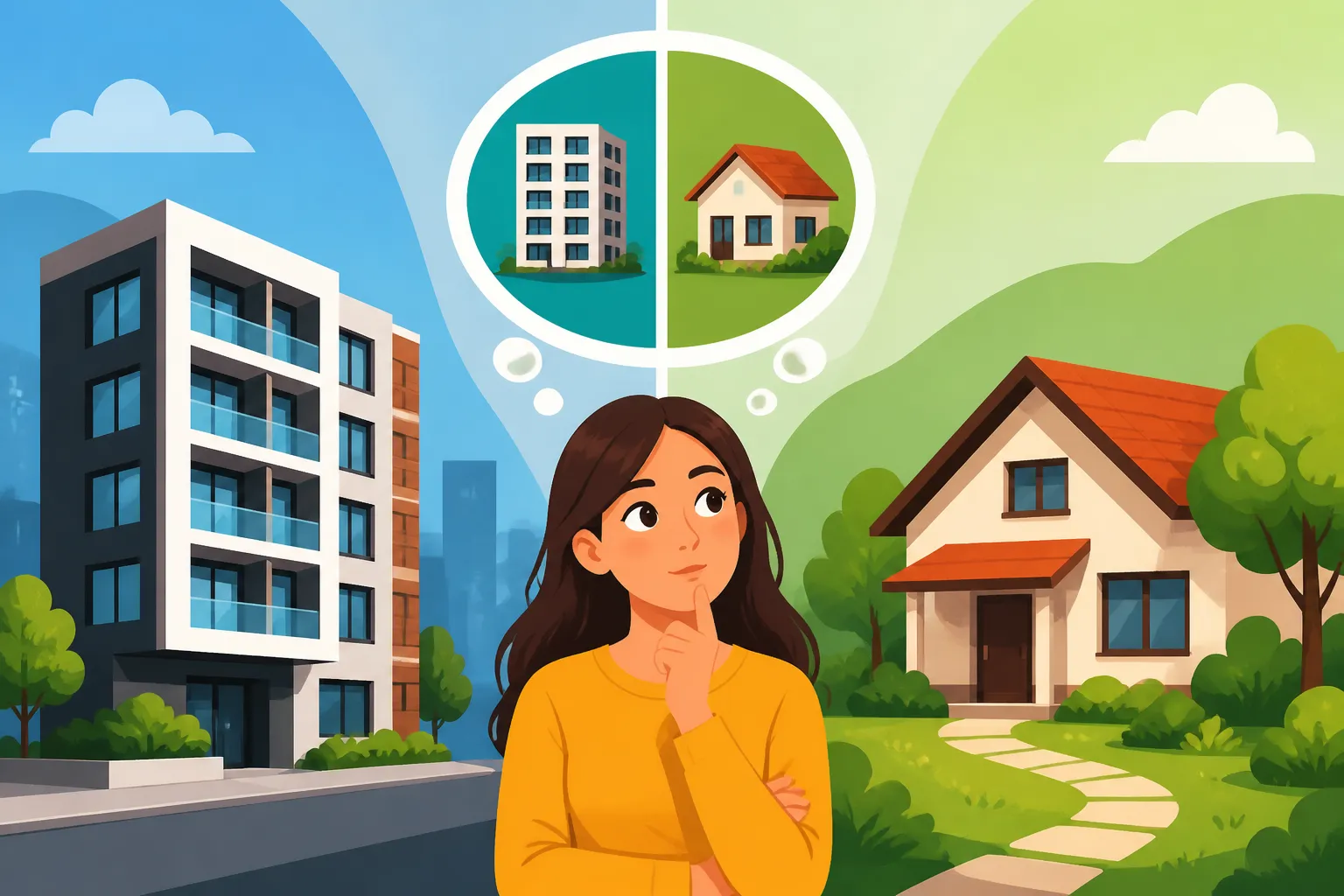
Ultimately, the choice between an apartment and a house in Bulgaria boils down to your personal priorities, financial comfort, and what kind of lifestyle you truly envision. There's no single "best" answer, only the best answer for you.
If you value convenience, access to amenities, less maintenance, and urban living, an apartment in one of Bulgaria's vibrant cities will likely be your sanctuary. You'll be part of the hustle and bustle, with cafes, shops, and cultural events on your doorstep.
If your heart yearns for space, privacy, a garden, and a deeper connection to nature and traditional Bulgarian life, a house – whether in a quiet village or a green suburb – could offer the fulfilling experience you seek. Just be prepared for the added responsibilities and the potential for a more isolated, yet incredibly rewarding, existence.
Whichever you choose, be patient, do your homework, and don't be afraid to ask for help from fellow expats or local professionals. Bulgaria is a beautiful country with so much to offer, and finding the right home is a huge step in making it truly your own.
Disclaimer
The information provided in this guide is for general informational purposes only and does not constitute legal, financial, or real estate advice. While every effort has been made to ensure accuracy, laws and regulations in Bulgaria can change rapidly. Expats are strongly advised to consult with qualified local professionals, such as lawyers, real estate agents, and financial advisors, for advice tailored to their specific situation before making any housing decisions.