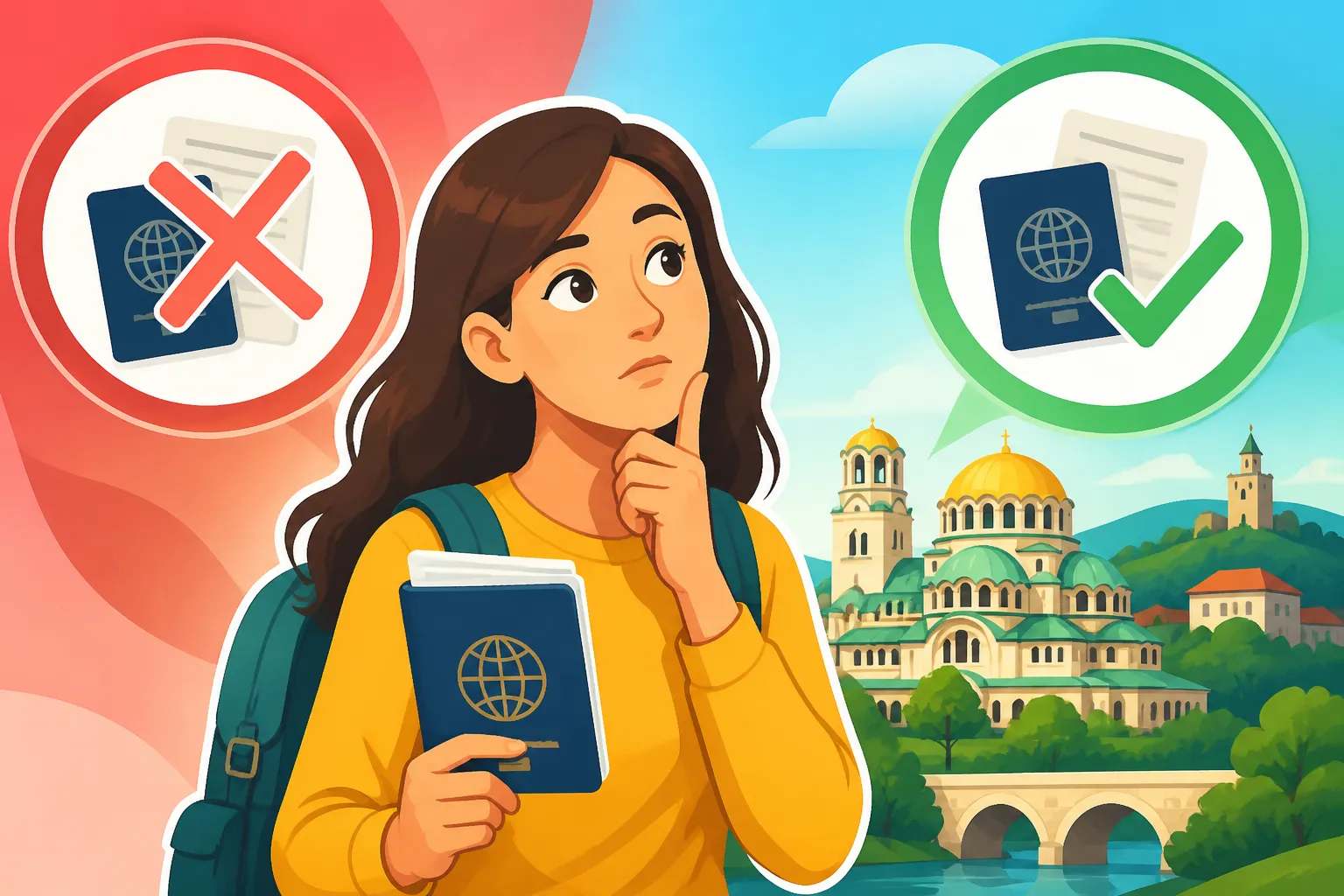
Do I Need a Visa to Visit Bulgaria in 2027?
Okay, let's talk about visiting Bulgaria in 2026. The question of whether you need a visa can feel like a moving target, especially with all the changes happening around Bulgaria's entry into the Schengen Area. It's confusing, frustrating even, to try and pin down the exact rules, and nobody wants to show up at the border only to be turned away. This guide will walk you through the specifics of visa requirements for Bulgaria, breaking down what you need to know based on your nationality and travel plans.
Understanding Bulgaria's Entry into Schengen
The whole "Do I need a visa?" question for Bulgaria got a significant update recently, and it’s crucial to understand why. For years, Bulgaria operated outside the full Schengen Area, meaning its visa policies were distinct, even if they largely mirrored Schengen rules. However, that’s all changing. As of March 31, 2024, Bulgaria officially joined the Schengen Area for air and sea borders. This means that for anyone flying in or arriving by boat, the rules are now the same as entering any other Schengen country.
What Schengen Access Means for Visitors
For us expats who've been here a while, the full Schengen integration has been a long time coming. For visitors, it's a game-changer. In short, it means that if you are a national of a country that enjoys visa-free travel to the Schengen Area, you can now enter Bulgaria by air or sea without a separate Bulgarian visa, subject to the usual 90-day rule within any 180-day period. This streamlines travel significantly. No more worrying about separate border checks for your flight from, say, Germany to Sofia. Your passport will likely be stamped upon your first entry into the Schengen zone, and then you're free to travel within Bulgaria and other Schengen countries. This newfound freedom of movement within the zone is a huge benefit for tourists and short-term visitors.
The Air and Sea Border Transition in 2024
The initial integration in March 2024 specifically targeted air and sea borders. This was the easier part, as border controls at airports and seaports could be adjusted more readily. If you’re flying into Sofia Airport (SOF), Varna Airport (VAR), or Burgas Airport (BOJ), or arriving at a port like Varna or Burgas, your entry is now governed by Schengen rules. This means for many, the days of confusing separate queues and distinct entry stamps are largely over, at least for these travel methods. It's a smoother, more predictable experience, which is always a relief when you're traveling internationally. For those looking to plan a trip, this simplifies things immensely, as Bulgaria is now genuinely part of the broader European travel landscape.
The Future of Land Border Control
Now, for the tricky part: land borders. While air and sea crossings are fully integrated, the discussions for land border removal are still ongoing as of late 2024, with a target of 2025. This means that throughout 2026, while traveling by air or sea to Bulgaria will be treated as full Schengen entry, if you drive or take a bus across a land border from a non-Schengen country (like Türkiye, or potentially even Romania if their land borders aren't fully integrated by then), you might still encounter distinct Bulgarian border checks. This can be a source of confusion and frustration, as the experience won't be uniform across all entry points. Always double-check the latest updates from official sources like the Bulgarian Ministry of Foreign Affairs or the Migration Directorate as your travel date approaches, especially if your itinerary involves crossing land borders. It's a bit like having one foot in the old system and one in the new, so stay informed.
Visa Requirements for Different Nationalities
Alright, let's get down to the brass tacks: who needs a visa and who doesn't. This largely depends on your nationality, as is common with international travel. Bulgaria, post-Schengen integration, aligns its visa policy with the broader Schengen rules.
EU/EEA and Swiss Citizens
If you're a citizen of an EU member state, an EEA country (Iceland, Liechtenstein, Norway), or Switzerland, you're in luck. You absolutely do not need a visa to visit Bulgaria, regardless of your mode of entry. You can enter with a valid national ID card or passport and stay for any duration. While you don't need a visa, if you plan to stay longer than 90 days, you'll need to register your residence with the local authorities. This is a crucial step if you're thinking of moving here permanently and wondering about things like How Do I Move to Bulgaria?. For short visits, however, you have complete freedom of movement. It's one of the major perks of being an EU citizen here.
Non-EU Citizens with Schengen Visas or Residence Permits
This is where the Schengen integration really shines for many non-EU nationals. If you already hold a valid, multiple-entry Schengen visa (Type C) issued by any Schengen member state, you can use it to enter Bulgaria for short stays (up to 90 days within any 180-day period), assuming it’s still valid and you haven't overstayed your welcome in the Schengen zone. Similarly, if you possess a valid long-stay visa (Type D) or a residence permit issued by another Schengen country, you can enter and stay in Bulgaria for up to 90 days within any 180-day period. This is fantastic news, as it means less paperwork and more flexibility for those already cleared for Schengen travel. This rule simplifies cross-border movement immensely, allowing travelers to include Bulgaria seamlessly in their European itineraries without applying for a separate visa.
Other Non-EU Nationals Requiring a Visa
For all other non-EU nationals, typically those from countries like India, China, South Africa, or many nations in Africa and the Middle East, you will most likely need a short-stay Schengen visa (Type C) to visit Bulgaria. This is the standard tourist or business visa that allows you to enter the entire Schengen Area, including Bulgaria, for up to 90 days within a 180-day period. The application process usually involves applying at the Bulgarian embassy or consulate in your home country, or through a visa application center.
The requirements for this Type C visa are pretty standard: you'll need a valid passport, proof of accommodation (hotel bookings, invitation letters), proof of sufficient funds to cover your stay, a travel itinerary, and crucially, travel medical insurance. This insurance is non-negotiable and must cover emergency medical treatment and repatriation, with a minimum coverage of €30,000. Brands like Cigna Global offer comprehensive plans that meet these Schengen requirements, providing peace of mind knowing you're covered in case of unexpected medical emergencies while abroad. Don't underestimate the importance of this; it's a lifesaver if anything goes wrong, as relying on the public health system without insurance could lead to significant out-of-pocket costs.
Special Considerations for the UK and US Citizens
For our friends from the UK and US, your situation is generally quite straightforward for short visits. As of 2026, citizens of the United Kingdom and the United States do not need a visa to visit Bulgaria for stays up to 90 days within any 180-day period. This visa-free arrangement extends across the entire Schengen Area. So, if you're planning a holiday or a business trip, you can pack your bags with confidence.
However, there's an important development coming for visa-exempt travelers: the European Travel Information and Authorisation System (ETIAS). While not a visa, ETIAS is an electronic travel authorization that will become mandatory for citizens of visa-exempt countries, including the UK and US, to enter the Schengen Area. Although its full implementation has seen delays, it is expected to be fully operational by 2025 or 2026. This means that by 2026, while you won't need a traditional visa, you will likely need to apply for an ETIAS authorization online before your trip. This authorization will be valid for three years or until your passport expires, whichever comes first, and allows for multiple short stays. It's a simple online application, but it's vital not to forget it, as you could be denied boarding or entry without it. Think of it as a pre-screening, similar to the ESTA for the US. So, while Do Americans Need a Visa to Enter Bulgaria? might still yield a 'no' for short trips, the ETIAS will be a new step in the process.
Navigating the Visa Application Process for Bulgaria
So, you've figured out you need a visa. Don't fret, while bureaucracy can sometimes feel like wading through molasses here, it's a manageable process if you're prepared. The key is meticulous planning and attention to detail.
Essential Documents and Requirements
When applying for a short-stay Schengen visa for Bulgaria, you’ll need a packet of documents that proves your intent to visit temporarily and your ability to support yourself. Here's a breakdown:
- Visa Application Form: Duly completed and signed. You can usually find this on the website of the Bulgarian embassy or consulate in your country.
- Valid Passport: Your passport must be valid for at least three months beyond your intended departure from the Schengen Area and have at least two blank pages for stamps.
- Photographs: Recent passport-sized photos meeting Schengen requirements (usually 3.5cm x 4.5cm, white background).
- Travel Medical Insurance: As mentioned, this is critical. It needs to be valid throughout the Schengen Area, cover your entire period of stay, and have a minimum coverage of €30,000 for medical emergencies, hospitalization, and repatriation. If you're pondering What Health Insurance Options Are There for Expats in Bulgaria?, remember travel insurance is a distinct product for visitors.
- Proof of Accommodation: Hotel bookings, a letter of invitation from a host in Bulgaria, or proof of a rented apartment.
- Proof of Sufficient Funds: Bank statements, salary slips, or a letter from a sponsor showing you can cover your expenses during your stay. The exact amount required can vary, so check with the embassy.
- Round-trip Flight Itinerary/Reservation: This shows your intent to leave the Schengen Area.
- Purpose of Travel: This could be a detailed itinerary for tourism, a letter from an employer for a business trip, or a course registration if you're visiting for short-term study.
- Ties to Home Country: Documents like property deeds, marriage certificates, or employment contracts can help demonstrate that you have strong reasons to return to your home country.
Gathering these documents can take time, so start early. Trying to rush it will only add unnecessary stress to your trip planning. Remember, the requirements can sometimes be quite specific, so always refer to the official embassy website for the most current list, as What Documents Do I Need for a Bulgaria Residence Permit? will differ significantly from a tourist visa.
The Application Journey: From Embassy to Entry
Once you have all your documents, the next step is submitting your application. This typically involves making an appointment at the Bulgarian embassy or consulate in your country of residence, or at a designated visa application center. During the appointment, you'll submit your documents, provide biometric data (fingerprints and a photo), and pay the visa fee.
After submission, it's a waiting game. Processing times can vary, but generally, a Schengen visa takes about 15 calendar days. However, during peak travel seasons or for certain nationalities, it can extend up to 45 days. This is why applying well in advance (ideally 3-6 months before your trip) is highly recommended. Don't be surprised if you're asked for additional documents; this is fairly common. Once approved, your visa will be affixed to your passport. When you arrive at your Bulgarian (or first Schengen) port of entry, immigration officers will check your passport and visa. Be prepared to show any supporting documents you used for your application, such as hotel bookings or invitation letters, though this is often not required unless something seems amiss. Knowing How Long Does It Take to Get a Residence Permit in Bulgaria? gives you a sense of typical bureaucratic timelines here, but tourist visas are usually quicker.
Common Pitfalls and How to Avoid Them
Applying for a visa can be fraught with minor errors that cause major delays. Here are some common pitfalls and how to steer clear of them:
- Incomplete Documentation: This is the most frequent reason for refusal. Double-check every item on the embassy's checklist. A missing photocopy or an unsigned form can derail your application.
- Insufficient Funds: Not demonstrating enough money to cover your stay can be a red flag. Ensure your bank statements are up-to-date and clearly show adequate funds.
- Lack of Travel Insurance: As stressed earlier, this is a mandatory requirement. Make sure your policy covers the correct amount and the entire Schengen Area. Don't just tick a box; truly understand what your insurance, like that offered by Cigna Global, covers.
- Passport Validity Issues: An expired passport or one that expires too soon after your trip is a no-go. Renew it well in advance.
- Unclear Purpose of Visit: If your itinerary or explanation of your trip seems vague or doesn't align with your visa type, it could raise questions. Be specific and provide supporting evidence.
- Late Application: Applying too close to your travel date risks not getting your visa in time. Give yourself ample buffer.
- Overstaying Previous Visas: If you've previously overstayed a Schengen or Bulgarian visa, your current application will likely face serious scrutiny or outright refusal. Adhere to the rules!
By being diligent and preparing thoroughly, you can navigate the visa application process much more smoothly.
What to Do If You Don't Need a Visa (But Still Need to Prepare)
Even if you're among the fortunate ones who don't need a visa for Bulgaria in 2026, it doesn't mean you can just show up without any preparation. There are still important steps to take to ensure a smooth trip and a hassle-free entry.
Entry Conditions for Visa-Exempt Travellers
For visa-exempt visitors, while you won't undergo the formal visa application process, immigration officers at the border still have the final say on your entry. They'll typically check your passport, but they might also ask to see:
- Proof of onward or return travel: A flight ticket out of the Schengen Area is usually sufficient.
- Proof of sufficient funds: To cover your expenses during your stay. This might be bank statements or credit cards.
- Purpose of your visit: Be ready to briefly explain why you're visiting Bulgaria (tourism, business, etc.).
- Proof of accommodation: Hotel reservations or an invitation from a host.
These checks are standard procedure across the Schengen Area to prevent illegal immigration and ensure visitors adhere to the terms of their visa-free stay. Having these documents readily accessible in your carry-on luggage can save you time and potential headaches at immigration. Remember, even with visa-free access, you still fall under Understanding Visa-Free Entry and the Schengen Rules for Bulgaria principles.
Travel Insurance and Emergency Planning
Just because you don't need a visa doesn't mean you shouldn't have travel insurance. In fact, it's just as, if not more, important. Accidents happen, luggage gets lost, and sometimes, well, you just get sick. Imagine needing to see a doctor for a sudden illness or breaking an ankle exploring the cobbled streets of Plovdiv. Without insurance, those costs can quickly add up. A good travel insurance policy, like those offered by Cigna Global, will cover medical emergencies, trip cancellations or interruptions, lost baggage, and even medical evacuation. It’s an investment in your peace of mind. For tourists, knowing Can Tourists Access Emergency Care in Bulgaria? is critical, but having private insurance ensures you get the best and fastest care without worrying about the bill.
It's also wise to have a basic emergency plan. Know the local emergency number (112 for all emergencies in Bulgaria). Keep copies of your passport, insurance details, and important contact numbers separate from the originals. Share your itinerary with a trusted friend or family member back home. While Bulgaria is generally safe, being prepared for the unexpected is always a smart move. Having details of How to Handle a Medical Emergency While Travelling from Bulgaria accessible can make a world of difference.
Extending Your Stay Beyond 90 Days (and why it's complicated)
The 90-day rule within any 180-day period is strict for visa-free and short-stay visa holders across the Schengen Area. If you arrive in Bulgaria and fall in love with the place (which, let's be honest, is easy to do!) and decide you want to stay longer than 90 days, extending your tourist stay is incredibly difficult, almost impossible in practice, and generally not advised. The Schengen rules are designed for short-term tourism or business.
If you genuinely want to stay in Bulgaria for an extended period beyond the 90 days, you need to apply for a long-stay visa (Type D) from outside Bulgaria, typically at a Bulgarian embassy or consulate in your home country. This visa is usually granted for specific purposes like work, study, family reunification, or investment. You cannot typically switch from a tourist stay to a long-term residence permit while already in Bulgaria as a visa-exempt visitor. Trying to overstay your 90 days will result in fines, potential deportation, and a ban from the Schengen Area, making future travel to Europe impossible for several years. If your visit sparks a desire to move here, you'll need to go through the proper immigration channels, possibly involving the assistance of international movers like Sirelo if you plan to ship your belongings, and certainly applying for a D-visa and then a residence permit. Remember, How Long Does a Residence Permit Last in Bulgaria? is a completely different ballgame to a tourist stamp.
Disclaimer
The information provided in this guide is for general informational purposes only and is subject to change. While we strive to keep the information up-to-date and correct, Bulgaria's visa and immigration policies, especially concerning Schengen integration, can evolve. Always verify the latest requirements and procedures with the official Bulgarian Ministry of Foreign Affairs, the Migration Directorate, or the embassy/consulate in your country of residence before making any travel plans. We do not assume any responsibility for actions taken based on the information contained herein.