Understanding Visa-Free Entry and the Schengen Rules for Bulgaria
A common headache for anyone planning a trip to Bulgaria, whether for a quick holiday or a potential longer stay, is figuring out the labyrinthine visa rules. It's not always straightforward, especially with Bulgaria's unique position outside the full Schengen Area, yet often adhering to many of its principles. This guide is here to demystify visa-free entry and the Schengen rules as they apply to Bulgaria, helping you avoid unexpected surprises at the border and plan your visit with confidence.
Bulgaria's Current Visa-Free Policy and EU Aspirations
It's easy to assume that because Bulgaria is in the EU, it automatically operates under the full Schengen agreement for border control. And while it's certainly on its way, having joined the air and sea Schengen Area in March 2024, the land borders are still a different story. This hybrid situation can be a real head-scratcher, leaving many expats and tourists wondering what rules truly apply to them. Let’s unravel who gets to waltz in visa-free and what Bulgaria's Schengen journey means for you.
Who Can Enter Bulgaria Visa-Free
For those of us coming from EU, EEA (European Economic Area), or Swiss Confederation countries, you'll be relieved to know that moving in and out of Bulgaria is generally a breeze. You're covered by the fundamental EU freedom of movement. All you really need is a valid identification document – a passport or even just a national ID card – and you can enter, reside, and work in Bulgaria for extended periods. There's a formal registration process for stays longer than three months, which is just an administrative step, not a visa requirement. This is one of the huge perks of being an EU citizen here, making living and working in Bulgaria a relatively smooth process administratively, at least from an immigration perspective.
Now, for non-EU citizens, things get a little more nuanced, but many nationalities still enjoy visa-free access for short stays. Broadly speaking, citizens of countries like the United States, Canada, Australia, New Zealand, the United Kingdom, Japan, South Korea, and many Latin American nations can enter Bulgaria for up to 90 days within any 180-day period without needing a visa. This is usually for tourism, visiting family, or short business trips, but definitely not for employment. This allowance aligns very closely with the standard Schengen visa-free regime, even if Bulgaria wasn't fully in Schengen until recently for air/sea travel. The key is understanding that "90 days in 180" rule, which we'll dive deeper into later, because it's where most people accidentally run into trouble, especially when combining travel across multiple European countries.
The Schengen Area and Bulgaria's Journey Towards It
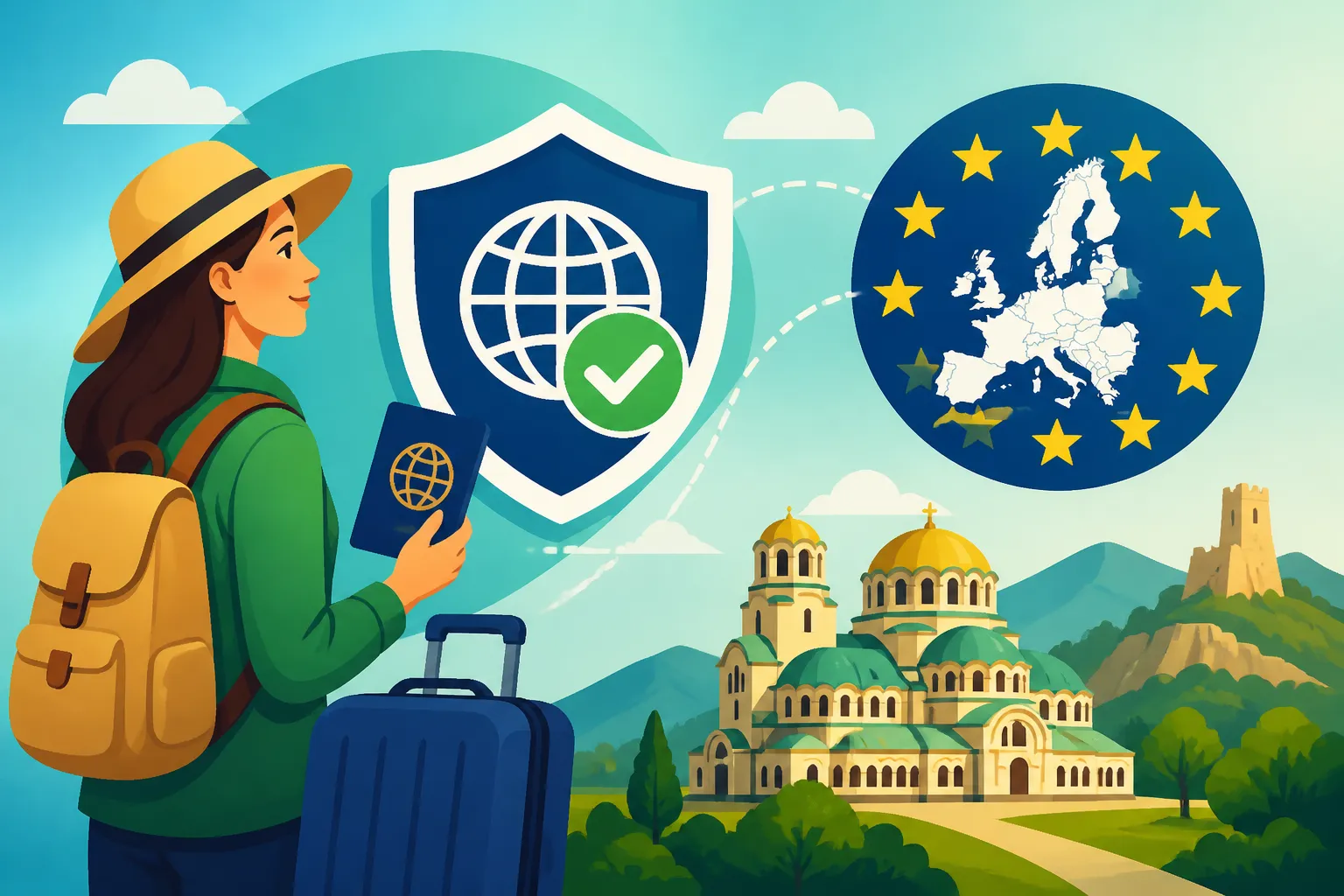
Bulgaria has been pushing hard to become a full member of the Schengen Area, and as of March 31, 2024, it finally entered the Schengen zone for air and sea travel, alongside Romania. This is a monumental step! What it means for you is that if you fly into Sofia Airport from another Schengen country, you won't go through passport control anymore. The same goes for sea travel, though that's less common for most visitors. This integration simplifies travel significantly and is a big win for expats who regularly fly within Europe or for tourists planning multi-country itineraries.
However, and this is the crucial part for many road-tripping expats or those living near border regions, land border controls with other Schengen countries are not yet lifted. This means if you're driving from Greece or Romania into Bulgaria, you'll still go through passport checks as if you were entering a non-Schengen country. The goal is for these land border checks to be removed eventually, but there isn't a firm date for that yet. So, while Bulgaria is technically part of the Schengen zone, it's a phased integration. This distinction is vital for understanding your travel rights and obligations, particularly regarding the duration of your stay for non-EU passport holders. It's a bittersweet situation – progress, but not yet the complete freedom of movement enjoyed by the original Schengen states.
Navigating the Schengen Rules While in Bulgaria
The "90/180-day rule" is probably the most talked-about and frequently misunderstood aspect of short-stay travel for non-EU citizens in Europe, and it applies just as strictly to Bulgaria. Even with Bulgaria’s partial Schengen integration, this rule remains the cornerstone of short-term visits. Many an unsuspecting traveler has found themselves in a sticky situation because they miscalculated their days, leading to fines or even entry bans. Let’s break down exactly what this means and how to keep yourself on the right side of the law.
The 90/180-Day Rule Explained
Simply put, the 90/180-day rule allows non-EU citizens from visa-exempt countries to stay in the Schengen Area (and Bulgaria, which generally follows these principles even before full land border integration) for a maximum of 90 days within any 180-day period. This isn't 90 days per visit, or 90 days per country, but a rolling 90 days across the entire Schengen zone plus Bulgaria and Romania. The "rolling" part is where it gets tricky. It means that on any given day, you need to look back 180 days from that day and count how many days you've spent in the area. If that number is 90 or less, you're fine. If it's more, you're in violation.
Imagine you arrive in Bulgaria on January 1st and stay until March 30th (90 days). You then leave. You cannot re-enter any Schengen country, nor Bulgaria, until another 90 days have passed, because your previous 90 days still count within the 180-day look-back period. This rule is designed to prevent people from continuously residing in the area on a short-stay status. It's a common trap for digital nomads or those who love to hop around Europe for extended periods. If you're planning on staying longer than this, you'll need to explore options like a How to Apply for a Type D Long-Stay Visa for Bulgaria to legally extend your stay.
What Happens If You Overstay?
Overstaying your welcome in Bulgaria, or any Schengen country, is a serious matter with potentially severe consequences. It’s not just a slap on the wrist; the Bulgarian authorities, particularly the Migration Directorate, take this very seriously. If immigration authorities discover you’ve overstayed, you could face hefty fines. These fines vary, but they can quickly add up and significantly impact your travel budget, potentially reaching several hundred or even a thousand Bulgarian Leva, depending on the duration of the overstay. It’s definitely not a risk worth taking.
Beyond financial penalties, an overstay can lead to an entry ban, meaning you might be prohibited from re-entering Bulgaria or the entire Schengen Area for a period, often several years. This can throw a real wrench in future travel plans, affecting vacations, business trips, or even opportunities for long-term residency. Your passport might also be flagged in the central Schengen Information System (SIS), leading to increased scrutiny and delays at border controls in other countries, even those outside Schengen. The records of your overstay are kept centrally, and even if you manage to leave without immediate issue, it could surface later when you apply for future visas or residence permits for any EU country. It's truly a situation to avoid at all costs if you value your travel freedom in Europe.
Counting Your Days: Practical Tips and Tools
Keeping track of your 90/180 days might sound simple, but with multiple entries and exits, especially across different countries that adhere to Schengen rules, it can quickly become a headache. Many seasoned expats use a simple spreadsheet to log their entry and exit dates for every country within the Schengen zone, as well as Bulgaria and Romania. This gives them a clear, running total of their days spent in the area. It’s a bit old-school, but remarkably effective for personal tracking.
For a more modern approach, several online Schengen calculators can do the heavy lifting for you. You input your travel dates, and the calculator tells you how many days you have left. These tools are invaluable for ensuring compliance and avoiding accidental overstays. It’s also wise to keep physical or digital copies of all your entry and exit stamps, or boarding passes if you're flying, as proof of your movements. Border guards, particularly those at land borders who still stamp passports, might ask to see your travel history. Being prepared means you can easily demonstrate your compliance. Remember, the onus is always on you, the traveller, to prove your legal status. This proactive approach will save you a lot of stress down the line and help you focus on enjoying your time in Bulgaria.
Special Cases and Exceptions to Visa-Free Entry
While the 90/180-day rule is the general standard, the immigration landscape isn't entirely black and white. There are specific scenarios where different rules apply, allowing certain individuals more flexibility or, conversely, requiring a visa even when it might not be expected. Understanding these nuances is key to a smooth entry and stay in Bulgaria.
Holders of Valid Schengen Visas and Residence Permits
Here’s where Bulgaria's "pre-Schengen" stance used to get really interesting for non-EU citizens. Prior to March 2024, if you held a valid Schengen visa (Type C) issued by a full Schengen member state, or a long-stay visa (Type D), or a residence permit issued by a Schengen member, you could enter and stay in Bulgaria for up to 90 days within any 180-day period. This was often referred to as Bulgaria's unilateral recognition of Schengen documents. It effectively allowed you to use your existing Schengen credentials to enter Bulgaria without a separate Bulgarian visa, treating your time in Bulgaria as part of your overall Schengen allowance, even though Bulgaria wasn't a full member.
Since March 2024, with Bulgaria’s air and sea entry into Schengen, this recognition still holds for those entering by land, and for all types of entry, your Schengen visa or residence permit generally allows you access. For instance, if you have a German residence permit, you can travel to Bulgaria without needing a separate visa, just like you would to France or Italy via air. This is a huge convenience, making multi-country European trips much simpler. However, always remember the 90/180-day rule still applies to your total stay within the Schengen area plus Bulgaria, even with these permits. It doesn’t give you additional days; it just streamlines entry if you already have a valid permit from another Schengen state. If you're considering a permanent move, understanding the distinction between different Understanding Bulgarian Residence Permits: Work, Study and Investment (2027) is crucial.
Bilateral Visa Exemption Agreements
Beyond the broader Schengen alignment, Bulgaria has also established bilateral visa exemption agreements with certain countries independently. These agreements allow citizens of those specific nations to enter Bulgaria without a visa for short stays, sometimes even when they might typically need a visa for the wider Schengen Area. These are less common than the Schengen-aligned exemptions, but they do exist, offering unique pathways for specific nationalities.
For example, countries like Turkey have specific bilateral arrangements with Bulgaria that might differ slightly from the standard Schengen rules or even the EU visa liberalization agreements. These might allow for slightly different durations or conditions of stay. It's always best to check the latest information from the Bulgarian Ministry of Foreign Affairs or your local Bulgarian embassy for the most up-to-date details pertaining to your specific nationality. Relying on general information can sometimes lead to misunderstandings, especially if your country has a unique agreement in place. Always verify with official sources to ensure your travel plans align with the specific regulations that apply to you.
When a Visa Is Still Required for Bulgaria
Despite all the talk of visa-free entry, a significant number of nationalities still require a visa to enter Bulgaria, even for short stays. This includes citizens from countries like China, India, Russia, many African nations, and several Southeast Asian countries, among others. For these individuals, obtaining a Type C (short-stay) visa from a Bulgarian embassy or consulate in their home country or country of legal residence is a mandatory step before even thinking about travel plans. Do not arrive at the border expecting to get one on arrival; that’s simply not how it works here.
The application process typically involves submitting a detailed application form, a valid passport, flight bookings, proof of accommodation, travel insurance (more on that in a moment), and evidence of sufficient funds to cover your stay. The processing times can vary considerably, from a few days to several weeks, so it’s never a good idea to leave this until the last minute. If you’re from one of these countries, don't try to gamble on getting in without a visa; you will be denied entry and sent home, potentially with an entry ban. Always check the official requirements well in advance to ensure your trip gets off to a smooth start. Getting a The Complete Visa and Immigration Guide for Relocating to Bulgaria (2027) can provide much needed information if this is your situation.
Preparing for Your Visa-Free Trip to Bulgaria
So, you've confirmed you can enter Bulgaria visa-free – fantastic! But don't just pack your bags and head to the airport. Even for visa-exempt travellers, there are a few crucial steps and documents you absolutely need to have in order to ensure a smooth, hassle-free entry into the country. Immigration officers are within their rights to deny entry if you don't meet all the requirements, regardless of your nationality. Trust me, nobody wants to start their Bulgarian adventure with a stressful interrogation at passport control.
Essential Documents to Carry
First and foremost, your passport. It must be valid for at least three months beyond your intended departure date from Bulgaria (or the wider Schengen Area, if you're continuing your travels) and have at least two blank pages for stamps. This is a non-negotiable requirement. While Bulgaria isn't stamping passports for air/sea Schengen entries from other Schengen countries, they will definitely stamp you if you're coming from a non-Schengen country, or if you're entering by land from a non-Schengen land border (like Turkey or North Macedonia). Keep your passport safe!
Beyond your passport, you should be prepared to show proof of onward or return travel (a plane ticket, bus ticket, etc.), proof of accommodation (hotel booking, Airbnb reservation, or an invitation letter from a host in Bulgaria), and crucially, evidence of sufficient funds to cover your stay. There isn't a universally fixed amount, but authorities generally want to see that you can support yourself without becoming a burden on the state. This could be recent bank statements, credit card statements, or even cash, though carrying large amounts of cash isn't recommended. A good rule of thumb is to show access to at least €50-100 per day of your intended stay. It's better to have more than less, especially if you're staying for a longer period.
Travel Insurance Recommendations
While not always strictly enforced for all visa-free entries, comprehensive travel insurance is an absolute must-have for any trip to Bulgaria, especially if you're travelling from outside the EU. The Schengen rules, which Bulgaria generally adheres to, explicitly state that visitors should have travel insurance covering medical emergencies, hospitalisation, and repatriation with a minimum coverage of €30,000. Why risk it? Imagine getting sick or having an accident in a foreign country without proper coverage – the bills can be astronomical, and you'll be solely responsible for them.
Even if you're an EU citizen, having good private travel insurance can be incredibly beneficial. While your EHIC (European Health Insurance Card) covers basic state-provided care, it doesn't cover everything, nor does it typically cover private medical facilities which many expats prefer, or repatriation costs. This is where a robust policy from a reputable provider like Cigna Global comes into play. They offer plans specifically designed for expats and travellers, ensuring you have peace of mind that you're covered for unexpected medical events, lost luggage, or trip cancellations. Don't skimp on this; it's a small expense that can save you a fortune and a lot of heartache. For more detailed information, check out Health Insurance in Bulgaria: NHIF, Private and International Options Explained.
General Advice for a Smooth Entry
To make your arrival in Bulgaria as smooth as possible, approach the immigration officer with confidence and courtesy. Have all your documents organised and readily accessible – don't fumble around for them at the last minute. Be honest and straightforward if asked about the purpose of your trip, your accommodation, and your duration of stay. While English is spoken in tourist areas and by younger generations, having a few basic Bulgarian phrases, such as "dobar den" (good day) or "blagodarya" (thank you), can sometimes make a positive impression, though it's not a requirement for entry.
If you’re travelling with a large amount of luggage, particularly if you’re considering a longer stay (but still within visa-free limits), be prepared to explain your intentions clearly. Immigration officers are trained to spot potential overstayers or those intending to work illegally. If you indicate you're thinking of moving here permanently, make sure you understand the difference between a visa-free stay and The Expat Guide to Getting a Residence Permit in Bulgaria (2027). Present yourself clearly as a tourist or short-term visitor, with solid plans for departure. A relaxed but prepared demeanour goes a long way in ensuring a quick and pleasant welcome to Bulgaria.
Planning Longer Stays and Residence Beyond Visa-Free Limits
The 90/180-day visa-free entry is wonderful for tourists and short-term visitors, but for many expats, Bulgaria offers so much more that they want to experience for longer. If you’ve fallen in love with the culture, the mountains, or the affordable lifestyle, you’ll quickly find that short-stay rules simply won't cut it. Moving beyond those initial three months requires a completely different approach to immigration. This is where you transition from being a visitor to a potential resident, and the paperwork gets a little heavier, but the rewards are well worth it.
Exploring Long-Stay Type D Visas
If your intention is to stay in Bulgaria for more than 90 days within that 180-day window, you absolutely need to apply for a Type D, or long-stay, visa before you arrive in the country. This cannot be done once you're already in Bulgaria on a visa-free stay – a mistake many newcomers make! The Type D visa is your gateway to applying for a temporary residence permit once you're here. There are various categories for Type D visas, each catering to different reasons for a long-term stay. Common categories include visas for work, study, family reunification, self-employment, or for retirees with sufficient funds and proof of regular income.
The application process for a Type D visa is more rigorous than a tourist visa. You’ll need a stack of documents: a valid passport, proof of purpose for your long stay (e.g., employment contract, university acceptance letter, marriage certificate), proof of secured accommodation, comprehensive health insurance valid in Bulgaria, and proof of substantial financial means. Many of these documents will need to be officially translated into Bulgarian and, in some cases, apostilled to be legally recognized. It's a significant undertaking, and it's essential to apply at the Bulgarian embassy or consulate in your home country or country of legal residence. Be prepared for several weeks, if not months, of processing time. Understanding How to Apply for a Type D Long-Stay Visa for Bulgaria is the first step on this longer journey.
The Path to Temporary and Permanent Residence
Once you successfully enter Bulgaria on a Type D visa, the next critical step is to apply for your temporary residence permit. This application is typically submitted to the Migration Directorate of the Ministry of Interior in the region where you plan to reside, usually within a few weeks of your arrival. The temporary residence permit (often called a 'permit for extended stay' or ВНЖ – VNZh) is usually issued for a period of six months or one year and must be renewed annually. This permit allows you to legally live in Bulgaria, and depending on its basis (e.g., work, study), it also grants you specific rights, such as access to the public healthcare system (once registered with NHIF, more on that in another post) or the right to work.
After holding a temporary residence permit for five continuous years, you become eligible to apply for a long-term residence permit (ДВЖ – DVZh), which is much more stable and is usually granted for five years, renewable. This essentially grants you rights similar to Bulgarian citizens, with some exceptions. And finally, after holding a long-term residence permit for another five years, you can typically apply for Bulgarian citizenship by naturalisation, fulfilling a total of ten years of legal residency. It's a marathon, not a sprint, but a well-defined path for those committed to making Bulgaria their long-term home. Each step requires meticulous documentation and adherence to Bulgarian law. Details on How Do I Get Permanent Residence in Bulgaria? can guide you further.
Using Relocation Services
Navigating the Bulgarian immigration system, especially for longer stays and residence permits, can be incredibly complex. The language barrier, the specific requirements for document translation and apostille, and the differing interpretations of regulations by various officials can be enough to make anyone pull their hair out. This is where professional relocation services come in handy. Companies that specialize in expat services can guide you through every single step, from advising on the correct visa category to helping you prepare and submit all the necessary paperwork for your Type D visa and subsequent residence permit application.
While it's an added cost, the peace of mind and time saved can be invaluable. They can help you with finding accommodation, understanding local healthcare, and even connecting you with local networks. When it comes to moving your belongings, for example, a service like Sirelo can help you find reputable international movers who understand the complexities of shipping to Bulgaria, making sure your cherished possessions arrive safely. For everything from visa applications to getting your first How to Register with the NHIF and a GP in Bulgaria (2027), having expert support can turn a potentially nightmare scenario into a manageable process. Investing in such services allows you to focus on settling into your new life rather than drowning in bureaucracy.
Comparing Visa-Free Entry for Common Non-EU Nationalities
| Nationality | Visa Required for Bulgaria? | Max Stay (Short Term) | General Rule | Notes |
|---|---|---|---|---|
| United States | No | 90 days in 180-day period | Schengen/Bulgarian Visa-Free Regimen | Applies to tourism, short business. Not for work. Land borders currently still have checks. |
| United Kingdom | No | 90 days in 180-day period | Schengen/Bulgarian Visa-Free Regimen | Post-Brexit, the same 90/180-day rule applies for short stays. Not for work. |
| Canada | No | 90 days in 180-day period | Schengen/Bulgarian Visa-Free Regimen | Applies to tourism, short business. Not for work. |
| Australia | No | 90 days in 180-day period | Schengen/Bulgarian Visa-Free Regimen | Applies to tourism, short business. Not for work. |
| India | Yes | N/A | Type C (Short-Stay) Visa required | Must apply at Bulgarian embassy/consulate prior to travel. |
| China | Yes | N/A | Type C (Short-Stay) Visa required | Must apply at Bulgarian embassy/consulate prior to travel. |
| South Africa | Yes | N/A | Type C (Short-Stay) Visa required | Must apply at Bulgarian embassy/consulate prior to travel. |
| Brazil | No | 90 days in 180-day period | Schengen/Bulgarian Visa-Free Regimen | Applies to tourism, short business. Not for work. |
| Russia | Yes (some exceptions apply) | N/A | Type C (Short-Stay) Visa generally required | Specific bilateral agreements or certain visa categories might differ, always verify. |
Disclaimer
The information provided in this guide is intended for general informational purposes only and does not constitute legal advice. While we strive to keep the content up-to-date and accurate, visa and immigration regulations in Bulgaria can change frequently. It is highly recommended to consult official government sources, such as the Bulgarian Ministry of Foreign Affairs, the Ministry of Interior's Migration Directorate, or a qualified immigration lawyer, for the most current and specific advice pertaining to your individual circumstances. We cannot be held responsible for any inaccuracies or outdated information.