Can I Apply for a Residence Permit as a Single Applicant in Bulgaria?
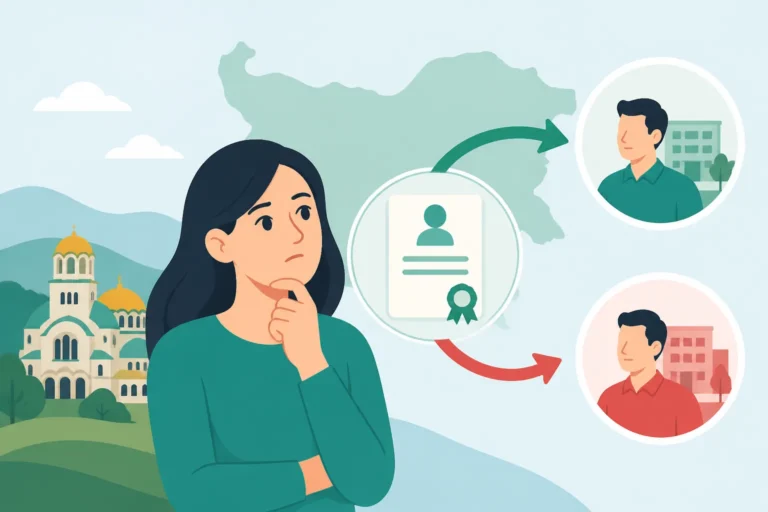
Moving to a new country can feel like navigating a maze blindfolded, especially when you’re doing it solo. One of the most common anxieties I hear from fellow expats is whether the Bulgarian immigration system is even set up for single individuals, or if it secretly expects you to arrive with a spouse and 2.5 children in tow. Let me tell you straight: you absolutely can apply for a residence permit as a single applicant in Bulgaria, and this guide will walk you through the real-world process, dispelling those worries and giving you the nitty-gritty details you need.
Dispelling the Myth: Single Applicants Are Welcome and Common
It's a completely valid question to wonder if applying for a residence permit alone is somehow 'less acceptable' or harder than doing so as part of a family. Many countries have specific 'family reunification' permits that often get highlighted, leading individuals to believe that being single puts them at a disadvantage. Many applicants research meticulously and then scratch their heads, thinking they need to invent a fictional family to make their application look 'more legitimate.' That is not how it works here in Bulgaria.
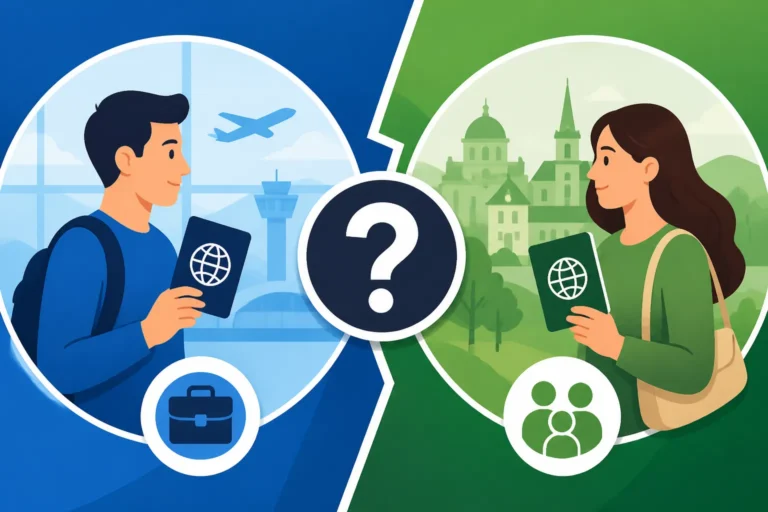
The truth is, most initial residence permits in Bulgaria are indeed issued to individuals based on their primary reason for being here. Whether you're here to work, study, retire, or start a business, the focus is on your eligibility and your ability to support yourself. The Bulgarian Migration Directorate isn't looking for a family unit; they're looking for individuals who meet the criteria for one of the established permit types. In fact, many, many expats arrive as single applicants, establish their residency, and then perhaps later consider family reunification if their circumstances change. So, please, exhale that stress. You're not an anomaly; you're just like a huge proportion of other expats who have successfully made Bulgaria their home.
The bureaucratic hurdles you'll encounter are universal to everyone navigating the system, regardless of their marital status. It’s not about being single; it’s about having your paperwork in order, understanding the process, and having a truckload of patience. Think of it less as a disadvantage and more as a streamlined focus on your individual circumstances and contributions. Your reason for seeking residency is what truly matters, and we'll delve into those specific pathways next.
Navigating the Main Avenues for a Single Person's Residence Permit
When you’re looking to secure a residence permit in Bulgaria as a single individual, your primary focus will be on proving a legitimate, recognized purpose for your long-term stay. The Bulgarian system offers several established categories, each with its own set of requirements. It's crucial to identify which one aligns best with your personal situation, as this will dictate your entire application journey.
Work-Based Residence Permits: The Single Permit
For many working-age individuals, the work-based residence permit, often referred to as the "Single Permit" (Единно разрешение за пребиваване и работа), is the most straightforward and common route. This permit integrates both your work authorization and your residence permit into a single document, simplifying the previous, more convoluted process.
The key here is employer sponsorship. You generally can't just arrive in Bulgaria and then look for a job hoping to get a permit. The employer needs to initiate the process for you before you even apply for your Type D long-stay visa. They will submit an application to the Ministry of Labour and Social Policy on your behalf, demonstrating that they need your skills and that no suitable Bulgarian or EU candidate could be found for the role. This can be a lengthy process on the employer's side, sometimes taking a few months, so patience is absolutely essential. Once approved, you'll be able to apply for your Type D visa at the Bulgarian embassy or consulate in your home country.
The documents your employer will prepare include your employment contract, proof of your qualifications (diplomas, certificates), and sometimes a detailed job description. On your end, you'll need a clean criminal record certificate (often requiring an apostille or legalization), proof of sufficient funds to cover your initial period of stay (though your salary will be your primary proof), and, of course, a valid passport. It’s a bit of a chicken-and-egg situation: you need a job offer to get the permit, and you need the permit to legally start working. This is why connecting with employers who have experience hiring non-EU nationals is crucial. If you're looking for more details, I highly recommend checking out our guide on how to get a residence permit for work in Bulgaria.
Student Residence Permits
If your plan is to further your education, Bulgaria offers a robust pathway for international students to obtain a residence permit. This is another excellent option for single applicants, as your enrolment in a recognized educational institution provides the necessary grounds for your stay.
To qualify, you must be accepted into a Bulgarian university, college, or language school for a long-term program. Your chosen educational institution effectively acts as your sponsor. They will provide you with official letters of acceptance and enrolment, which are critical documents for your visa and residence permit application. Beyond that, you'll need to demonstrate you have sufficient financial means to support yourself without recourse to public funds. This usually means providing bank statements showing you have at least enough funds to cover tuition and living expenses for the academic year, typically equivalent to the minimum wage for the duration of your stay. You'll also need proof of accommodation (a rental contract or dormitory arrangement) and health insurance.
The student route is often favoured for its clarity, as the universities are usually quite familiar with the process for international students. However, it still involves careful document gathering, including ensuring your previous academic qualifications are recognized in Bulgaria. For a deeper dive into this, you might find our article on how to apply for a student residence permit in Bulgaria particularly useful.
Self-Employment or Entrepreneur Permits
For the ambitious single expat who dreams of building their own venture in Bulgaria, the self-employment or entrepreneur permit offers a path, albeit a more complex one. This route is typically chosen by individuals who wish to run their own business, either as a sole trader or by registering a company (like an EOOD or OOD).
The challenge here lies in proving that your business will genuinely contribute to the Bulgarian economy and create jobs, not just sustain yourself. For non-EU nationals, simply registering as a freelancer (свободна професия) isn't usually sufficient to obtain a Type D visa and subsequent residence permit without other grounds. Instead, you'll often need to establish a legal entity, such as a limited liability company, and typically employ at least 10 Bulgarian citizens full-time for a certain period, or demonstrate significant investment. The specific requirements can be quite demanding and are subject to change, so consulting with a local lawyer specializing in immigration and business law is highly recommended from the outset.
If you are considering this path, you'll need a robust business plan, proof of capital, and a clear understanding of Bulgarian company registration laws. It's a fantastic option for those with genuine entrepreneurial spirit and resources, but it demands meticulous preparation. To learn more about the intricacies, our guide on self-employment in Bulgaria: registering a business and going independent (2026) provides a thorough overview.
Retirement (Pensioner) Residence Permits
Bulgaria has become a popular destination for retirees, and there is a specific residence permit category for non-EU citizens who receive a pension. This option is, by its very nature, tailored for single applicants or couples who are no longer working.
To qualify as a pensioner, you must demonstrate that you receive a state or private pension that is sufficient to cover your living costs in Bulgaria. The general guideline often cited is that your monthly pension income should be at least equal to the current minimum wage in Bulgaria. Furthermore, you will typically need to deposit a lump sum, usually equivalent to the minimum monthly wage multiplied by 12 or even 36 months, into a Bulgarian bank account. This serves as proof of your financial stability for your initial period of residency.
Along with your pension statements and bank account details, you'll need proof of accommodation (a rental contract or property deed if you've purchased property) and comprehensive health insurance that covers you for the entire duration of your stay. This permit offers a relatively stable and straightforward path for single retirees looking for a peaceful and affordable life abroad.
Other Niche Categories: Digital Nomads and Investment
While the main categories cover most single applicants, there are a couple of other, more specific avenues to consider:
- Digital Nomad Options: Bulgaria has been exploring options for digital nomads. While there isn't a direct "Digital Nomad Visa" in the same vein as some other European countries, remote workers can sometimes find a path through the self-employment category or by demonstrating sufficient independent means. The landscape for digital nomads is evolving, so staying updated on the latest regulations is key. It often involves applying under a general "financially independent person" category, which requires significant passive income or savings, or linking it to a self-employed business.
- Investment Residence Permits: For those with substantial capital, Bulgaria offers options for obtaining residency through significant investment in the country's economy. This route typically involves a much higher financial threshold and is less common for the average single applicant. It's usually reserved for serious investors looking for a direct path to residency and potentially citizenship. Our guide on understanding the investment residence permit in Bulgaria offers more insights if this high-capital route applies to you.
- EU Blue Card: If you're a highly skilled professional from a non-EU country with an advanced degree and a high-paying job offer in Bulgaria, the EU Blue Card can be an excellent option. It offers more mobility within the EU and streamlined procedures compared to the standard Single Permit.
Choosing the right category is your first, and arguably most important, step. Each path has its own nuances, processing times, and document requirements, so research thoroughly and consider seeking professional advice to ensure you're on the most suitable track for your individual circumstances.
Essential Requirements and Overcoming Bureaucracy as a Single Applicant
Alright, so you’ve identified your pathway to a Bulgarian residence permit as a single applicant. Now comes the nitty-gritty: gathering the documents, proving your financial independence, and navigating the often bewildering bureaucratic maze. This is where many expats, single or otherwise, hit their first wall of frustration. But don't despair; forewarned is forearmed!
The Dreaded Paperwork Trail
The moment you start preparing for your Bulgarian residence permit, you'll quickly realize that paperwork is king. And not just any paperwork – it needs to be the right paperwork, in the right format, with the right stamps. As a single applicant, the buck stops entirely with you to ensure every single document is perfect.
Here’s a typical list of what you'll need, beyond the specific documents for your chosen permit category (e.g., job contract, university acceptance):
- Valid Passport: Of course! Ensure it has at least 18 months validity remaining from your intended date of entry. You’ll need copies of all pages with personal data and visas.
- Type D Long-Stay Visa: This is your entry ticket. You apply for this at a Bulgarian embassy or consulate in your country of origin before you travel to Bulgaria. This visa is what allows you to then apply for the actual residence permit once you're on Bulgarian soil. Our article, "How to Apply for a Type D Long-Stay Visa for Bulgaria," provides all the details.
- Proof of Accommodation: A notarized rental contract or a deed of ownership for a property in Bulgaria. If you’re staying with friends, you'll need a notarized declaration from the homeowner granting you permission to reside there.
- Proof of Financial Means: Bank statements from a Bulgarian bank account showing you have sufficient funds to support yourself without recourse to public assistance. The exact amount depends on your permit type (e.g., pensioners need to show enough to cover living costs, typically minimum wage x 12 or 36 months; students need to show enough for tuition and living). For employed individuals, your employment contract and salary slips will serve as primary proof. Our guide on "How to Open a Bank Account at a Bulgarian Bank as a Foreigner" will be very helpful here.
- Criminal Record Certificate: This is mandatory for almost all long-term permits. It must be issued by your country of origin (and any country you’ve lived in for more than a year in the past five years). Crucially, this document must be apostilled or legalized by the Bulgarian Ministry of Foreign Affairs (or its equivalent in your country) and then officially translated into Bulgarian by a sworn translator. This apostille/legalization and translation process is often a major headache, so start it early. For detailed advice, see our guide on "Understanding Document and Translation Requirements for Bulgaria Immigration".
- Medical Certificate (if required): Some permit types or nationalities might require a certificate confirming you are not suffering from certain infectious diseases.
- Health Insurance: Absolutely non-negotiable. For non-EU citizens, you need comprehensive private health insurance covering emergencies, medical treatment, and repatriation for at least the first year of your stay. This must be valid in Bulgaria. Many expats choose international providers like Cigna Global for this, as their plans are recognized and offer robust coverage, which gives you peace of mind. Once you get your residence permit and start working, you'll typically transition to the National Health Insurance Fund (NHIF) system, but private insurance is your initial hurdle. Don't underestimate this; it's a critical component. You can find more information in "How Do I Get Health Insurance for a Bulgaria Residence Permit?".
The key takeaway for paperwork is attention to detail. A single missing stamp, an untranslated page, or an expired document can lead to rejection or significant delays. Make multiple copies of everything, keep original documents safe, and categorize them meticulously.
Financial Stability and Independence
As a single applicant, demonstrating your financial independence is paramount. The Bulgarian authorities want to be sure you won't become a burden on their social system. This is why proof of funds is such a consistent requirement across all permit categories.
For retirees, this means showing consistent pension income and having a substantial sum in a Bulgarian bank account. For students, it's about covering tuition and living expenses. For the self-employed, it’s proving your business is viable and generating income, or you have significant capital to invest. For employees, your employment contract with a clear salary usually suffices, but you might still need to show initial savings to cover yourself until your first payday.
The requirement to open a Bulgarian bank account and transfer your funds there is a common step. While it might seem like an extra hoop, it’s the government’s way of verifying that your funds are accessible and genuinely intended for your life in Bulgaria. Be prepared for potential scrutiny from banks on the source of your funds due to anti-money laundering regulations.
The Application Process: From Type D to Residence Card
The entire process generally follows a two-stage approach for non-EU citizens:
- Stage 1: The Type D Visa Application Abroad. This is done at the Bulgarian diplomatic mission (embassy or consulate) in your country of origin. This visa is a long-stay visa, usually valid for 90 to 180 days, and it's specifically granted for the purpose of seeking a long-term residence permit in Bulgaria. You’ll submit most of your core documents here.
- Stage 2: The Residence Permit Application in Bulgaria. Once you arrive in Bulgaria with your Type D visa, you have a set timeframe (usually before your visa expires, but it's best to do it within a few weeks) to submit your application for the actual residence permit to the local Migration Directorate office. This is where you'll submit your original documents, provide biometric data (fingerprints and a photo), and potentially attend a short interview.
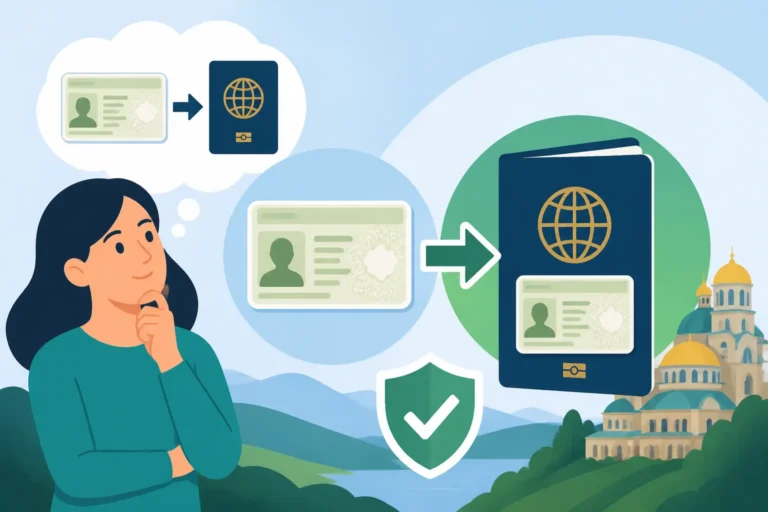
After submitting your application to the Migration Directorate, you enter a waiting period. This can range from a few weeks to several months, depending on the volume of applications and the complexity of your case. Once approved, you’ll be invited back to collect your residence permit card (лична карта за чужденец). This card is your official ID in Bulgaria, proving your right to reside here.
Don't forget that residence permits are not typically permanent from day one. Most are issued for one year initially, requiring renewal annually. Our article, "How to Renew Your Residence Permit in Bulgaria," is a must-read for ongoing residency. Each renewal requires updated documents, proof of continued eligibility, and payment of fees. It’s an ongoing commitment, but one that becomes much smoother once you get the hang of it.
Navigating this bureaucratic process alone can be daunting, but with meticulous preparation, understanding the requirements, and a healthy dose of patience, it’s entirely achievable. Many single expats have walked this path before you, and you can too.
Practical Tips for the Solo Expat Journey in Bulgaria
Embarking on an expat journey alone in Bulgaria isn't just about paperwork; it's about building a new life. As a single applicant, you have the freedom to shape your experience exactly how you want, but it also means you're solely responsible for all the logistical and emotional heavy lifting. Here are some practical tips to make your transition smoother.
Preparation and Patience: Your Twin Pillars
I can't stress this enough: start early and prepare for delays. Bulgarian bureaucracy, while improving, still operates at its own pace. Trying to rush things or leaving critical documents until the last minute will only lead to stress and potential setbacks. Gather your documents well in advance, ensure all necessary apostilles and translations are in order, and make multiple copies of everything. Keep a digital backup too!
Learning some basic Bulgarian phrases will go a long long way. While many younger Bulgarians in larger cities like Sofia, Plovdiv, and Varna speak English, older officials at government offices might not. A simple "Здравейте" (Zdraveite – Hello), "Благодаря" (Blagodarya – Thank you), or "Извинете" (Izvinete – Excuse me) can open doors and show respect. Having a translation app on your phone for complex conversations is also a lifesaver.
Furthermore, patience is your best friend. There will be moments when you feel frustrated, confused, or just plain tired of the process. Remind yourself that this is a marathon, not a sprint. Take breaks, celebrate small victories, and remember your reasons for choosing Bulgaria.
Support Networks and Resources
While you're a single applicant, you don't have to navigate everything entirely alone. Building a support network is crucial for your well-being and practical needs.
- Expat Groups: Bulgaria has vibrant expat communities, especially in Sofia, Plovdiv, Varna, and along the Black Sea coast. Join Facebook groups, attend meetups, and connect with fellow foreigners. These communities are invaluable for asking questions, getting recommendations, and simply finding people who understand your unique challenges. Many have already navigated the same bureaucratic maze you're facing.
- Legal Assistance: For non-EU citizens or if your case is complex (e.g., self-employment or investment permits), hiring a local lawyer specializing in immigration is highly recommended. They can advise you on the specific requirements for your permit type, review your documents, accompany you to appointments, and liaise with authorities on your behalf. While it's an added cost, it can save you immense stress, time, and potential rejection.
- Relocation Services: When it comes to moving your belongings, especially if you're coming from far away, professional help can be a game-changer. Services like Sirelo can help you find reputable moving companies that handle international shipments, customs, and delivery directly to your new home in Bulgaria. Moving solo doesn't mean you have to lift every box yourself! Our guide, "The Complete Guide to Moving to Bulgaria: Your First 90 Days (2026)," offers more comprehensive advice on settling in.
Post-Approval Steps and Settling In
Getting your residence permit is a huge milestone, but it's just the beginning of your life in Bulgaria. There are still a few crucial steps to take to fully integrate:
- Registration of Address (Lična Karta): Your residence permit card (лична карта за чужденец) serves as your official ID. You'll need to register your address with the local municipality (Obshtina) using your permit and rental contract.
- NHIF Registration and GP: If your residence permit allows you to work, or if you're a pensioner, you'll likely need to register with the National Health Insurance Fund (NHIF) to access public healthcare services. This involves visiting a local NHIF office. Following this, you must choose and register with a GP (личен лекар – personal doctor). This is a mandatory step for accessing specialist care. Our article, "How to Register with the NHIF and a GP in Bulgaria (2026)," details this process. Remember, health insurance contributions are mandatory if you're employed or self-employed. Find out more in "Understanding Mandatory Health Insurance Contributions in Bulgaria".
- Local Bank Account (if not already done): If you haven't already, ensure you have a fully functional Bulgarian bank account for receiving income, paying bills, and managing daily expenses.
- Utilities and Internet: Set up your electricity, water, heating, and internet. While this isn't directly related to your residence permit, it's essential for daily living.
- Embrace the Culture: Step out of your comfort zone. Try local foods, explore the beautiful countryside, learn more Bulgarian, and engage with the local community. Being a single expat gives you unparalleled freedom to explore and truly immerse yourself in Bulgarian life.
Moving to Bulgaria as a single applicant is a perfectly viable and common path. With careful planning, persistent effort, and a positive attitude, you can successfully navigate the administrative hurdles and build a fulfilling life in this fascinating country.
| Residence Permit Type | Primary Requirement for Single Applicants | Key Financial Proof | Expected Processing Time (approx.) | Renewal Cycle |
|---|---|---|---|---|
| Work (Single Permit) | Employer sponsorship with job offer | Salary from employment contract | Type D: 10-30 days; Permit: 1-3 months | Annual |
| Student | Acceptance into accredited institution | Sufficient funds for tuition & living | Type D: 10-30 days; Permit: 1-2 months | Annual |
| Self-Employment | Registered company, business plan, investment | Business capital, projected income | Type D: 20-60 days; Permit: 2-4 months | Annual |
| Pensioner | Proof of state/private pension | Pension statements, significant bank deposit | Type D: 10-30 days; Permit: 1-2 months | Annual |
| EU Blue Card | High qualification, high-salary job offer | High salary from employment contract | Type D: 10-30 days; Permit: 1-2 months | 1-4 years |
Disclaimer
The information provided in this guide is for general informational purposes only and does not constitute legal, financial, or immigration advice. While we strive to keep the information up-to-date and accurate, laws and procedures in Bulgaria can change without notice. It is highly recommended to consult with a qualified immigration lawyer, financial advisor, or the official Bulgarian Migration Directorate for advice tailored to your specific situation before making any decisions. We are not liable for any actions taken based on the information presented herein.