Can I Change Employers on a Single Permit in Bulgaria?
Navigating the Bulgarian bureaucracy as an expat can often feel like a labyrinth, and one of the most common anxieties surfaces when your professional path takes an unexpected turn. You’ve settled in, got your Single Permit, and then a new opportunity arises – but can you actually switch jobs without upending your entire life in Bulgaria? This guide is here to untangle that very specific, and often stressful, question, walking you through the practicalities and pitfalls of changing employers on a Single Permit in Bulgaria.
Understanding Your Bulgarian Single Permit
First things first, let’s talk about what that precious Single Permit actually is. It’s not just a general pass to work anywhere in Bulgaria; it’s a specific document tied to a specific employer, for a specific role. Understanding this fundamental aspect is key to navigating any changes.
What Exactly is a Single Permit?
For many non-EU citizens, the Bulgarian Single Permit is the golden ticket to living and working here legally. Essentially, it consolidates both your residence and work authorization into one document. Before 2021, you might have heard about separate work permits and residence permits, but now, for most cases, it’s all bundled together. This permit is issued after an employer proves to the authorities – specifically, the Employment Agency and then the Migration Directorate – that they genuinely need your skills, and that no suitable Bulgarian or EU citizen could fill the role. It’s a stringent process, ensuring that foreign workers aren't taking jobs away from locals, and it makes the permit inherently linked to that initial job offer. If you're looking for more general information on how this all works, you might find our guide on How a Work Permit and Single Permit Work for Non-EU Workers in Bulgaria really helpful.
The Employer-Specific Nature of the Single Permit
Here’s where it gets critical: your Single Permit explicitly states the name of your employer and your position. This isn't just a formality; it's the legal backbone of your right to reside and work in Bulgaria. When your employer applies for your Single Permit, they submit a stack of documents, including your employment contract, a job description, and proof that they’ve conducted a labour market test (i.e., advertised the position locally first). All of this is assessed and approved based on that specific job. Think of it like a visa that also names your sponsor – if the sponsor changes, the visa needs re-evaluation.
Initial Expectations vs. Reality
Many expats understandably assume that once they have their permit, they have a certain level of freedom to change jobs like they might in their home country or other EU states. The reality in Bulgaria can be a bit of a rude awakening. The system isn't designed for easy job hopping, at least not in the same way. This can be incredibly frustrating, especially if you’ve been offered a fantastic new opportunity, or if your current role isn't working out. You might feel trapped, or that the administrative hurdles outweigh the benefits of a new job. It’s a common sentiment, and it's completely valid to feel that way. It requires patience and careful planning, as rushing into a resignation without understanding the full implications can lead to serious immigration issues.
The Process of Changing Employers on a Single Permit
So, you’ve got a new job offer in hand – fantastic news! But now comes the part that requires a deep breath and a clear head. You can't just hand in your notice and start your new role next week. Changing employers on a Single Permit in Bulgaria isn't a simple update; it’s essentially starting the permit application process all over again.
Not a Simple Transfer: Applying for a New Permit
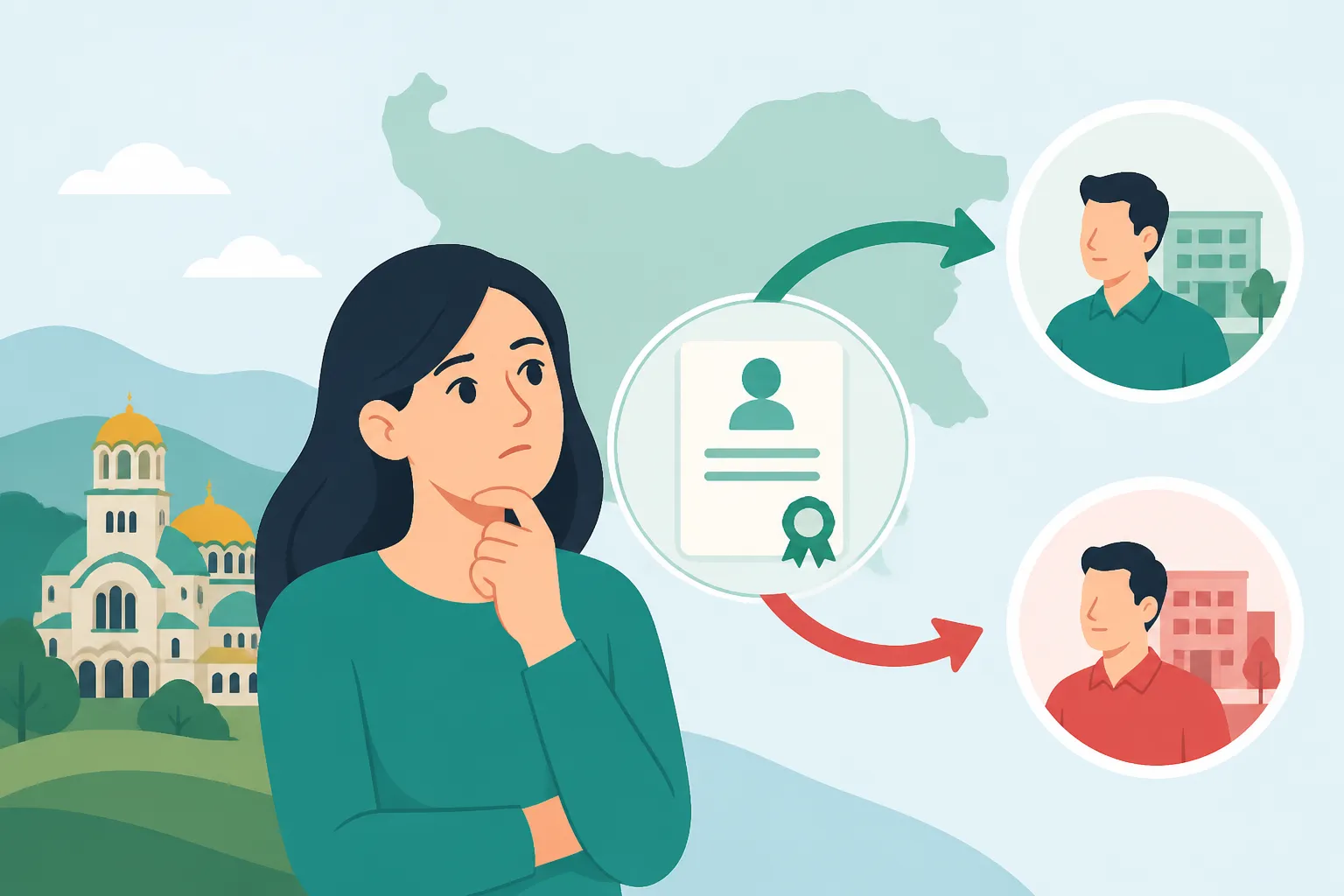
This is perhaps the most crucial point to grasp: your existing Single Permit is null and void for the purposes of a new job. It’s not transferable. When you change employers, your new employer must initiate a brand-new application for a Single Permit on your behalf. This means they will go through the entire process your previous employer did:
- Labour Market Test: The new company will likely need to advertise the position publicly for a specific period (usually 15 working days) to demonstrate that there are no suitable Bulgarian or EU candidates.
- Document Submission: They'll compile all the necessary paperwork – your new employment contract, job description, proof of your qualifications, criminal record check, and so on.
- Employment Agency Approval: This dossier goes to the Employment Agency for their review and approval.
- Migration Directorate: Once approved by the Employment Agency, it then moves to the Migration Directorate for the final Single Permit issuance, which includes your new residence card.
The entire process can take several weeks, sometimes even a couple of months, depending on the workload of the authorities and the completeness of the application. It's a significant commitment for your new employer, so be prepared for them to understand and manage this. For a broader overview of the process, our guide to The Expat Guide to Getting a Residence Permit in Bulgaria (2027) provides excellent context.
Steps to Take Before Resigning
My biggest piece of advice here: do not resign from your current job until your new Single Permit application is well underway and ideally, provisionally approved or you have a clear timeline from the Migration Directorate. Expats often make this mistake, leaving themselves in a precarious position.
Here's a breakdown of what you should do:
- Secure a Written Job Offer: Ensure you have a clear, formal job offer from the new company, detailing your role, salary, and start date.
- Inform Your New Employer: Be completely transparent with your prospective employer about your current permit status. They need to understand that they'll be sponsoring a new Single Permit for you. A good employer will have experience with this, or be willing to learn and support you.
- Understand the Timeline: Work with your new employer to get a realistic estimate of how long the new permit application will take. This will help you plan your resignation notice period.
- Check Your Current Contract: Review your existing employment contract for notice period requirements. Bulgarian labour law typically requires a minimum notice period (e.g., 30 days for permanent contracts, unless otherwise stipulated), and you don't want to burn bridges or face legal issues with your current employer. Our comprehensive article on Understanding Bulgarian Labour Law and Worker Rights (2027) can provide more details here.
- Plan for the Gap: Even with the best planning, there might be a gap between your last day with your old employer and your first official day with your new one, especially if the permit process takes longer than expected. You cannot legally work for your new employer until the new permit is issued.
The New Employer's Role and Documentation
Your new employer is the linchpin in this process. They will be responsible for gathering and submitting most of the documents to the Employment Agency and then the Migration Directorate. This includes:
- The New Employment Contract: Signed by both you and them, clearly outlining your new role.
- Company Documents: Their registration documents, proof of solvency, and details about the position.
- Labour Market Test Results: Evidence that they tried to hire locally first.
- Your Personal Documents: You’ll need to provide your passport, previous permit details, educational diplomas, any professional certificates, and potentially a criminal record certificate. These often need to be translated into Bulgarian by a sworn translator and sometimes apostilled.
- Accommodation Proof: Proof of where you will be living in Bulgaria.
It's a lot, and it requires diligence from the new company's HR or legal department. Make sure they understand the full scope of what's involved.
Navigating the Migration Directorate
Ah, the Migration Directorate. For many expats, this name evokes images of long queues, endless paperwork, and stern-faced officials. While the situation has improved in recent years with more online services and streamlined processes, it still requires patience and precision. Once the Employment Agency gives its green light, your application moves to the Migration Directorate. This is where your actual residence card (your Single Permit card) will be issued.
When your new permit is ready, you’ll typically be notified to go in for fingerprints and to collect your new card. Crucially, your new permit card will reflect your new employer’s details. You absolutely must not start working for your new employer until this new card is in your hand, or at the very least, you have official confirmation that the permit has been granted. Starting work prematurely can lead to severe penalties for both you and your employer, including fines and potential deportation.
Key Challenges and Considerations for Expats
Changing jobs in Bulgaria is more than just a bureaucratic hurdle; it comes with practical and financial implications that you absolutely need to plan for.
The Gap Period: What Happens Between Jobs?
This is perhaps the most significant challenge. Legally, you cannot work for your new employer until your new Single Permit is issued. What if there's a two-week, a month-long, or even longer gap between your last day with your old employer and the earliest possible legal start date with your new one?
- No Work, No Pay: During this period, you will likely not be earning income from either your old or new employer. You need to have sufficient savings to cover your living expenses.
- Permit Validity: Your residence component of the Single Permit generally remains valid for a short period after your employment ends, but your right to work for a specific employer ceases immediately upon termination. The Migration Directorate must be informed of your change in employment status. You typically have a grace period (often 14 days, though it can vary by situation and official interpretation) to find new employment and initiate a new permit application, or to leave the country. This can be a very stressful time.
- Leaving Bulgaria: If you cannot secure a new Single Permit in time, you might be required to leave Bulgaria and apply for a new Type D visa from your home country or country of habitual residence, before your new employer can apply for your Single Permit. This is the worst-case scenario but something you must be prepared for.
Maintaining Legal Status and Health Insurance
Your legal status in Bulgaria is intrinsically linked to your permit. If your permit lapses or you fail to get a new one approved, your right to reside in Bulgaria becomes tenuous.
- Health Insurance: This is another critical area. While employed, your employer typically contributes to your mandatory National Health Insurance Fund (NHIF) coverage. However, if there’s a gap in employment, you might lose this coverage. It's imperative to ensure continuous health insurance. During any gap, you would need to either make voluntary contributions to the NHIF yourself (if eligible and within a specific timeframe) or, more reliably, secure private health insurance. Companies like Cigna Global offer excellent international private health insurance plans that can cover you during transitional periods, ensuring you're not caught without medical coverage. Understanding How to Get Health Insurance for a Bulgaria Residence Permit? is vital, and our article on How to Buy Private Health Insurance as a Newcomer in Bulgaria can give you options.
- Social Security Contributions: Similarly, your social security contributions cease when your employment ends. This might impact future pension eligibility or unemployment benefits, should you ever need them. For more on this, check out Understanding Mandatory Social and Health Contributions in Bulgaria.
Financial Implications and Planning
The financial strain of a job change can be substantial:
- Loss of Income: As mentioned, expect a period of no income. Budget accordingly.
- New Application Fees: While your employer typically covers the main permit application fees, there might be smaller administrative costs, translation fees, or courier charges that fall to you.
- Potential Moving Costs: If your new job requires relocating to a different city in Bulgaria, you'll incur moving expenses. Hiring a reputable international mover like Sirelo can help you manage these costs and logistics, even for internal moves, but it still requires a budget.
- Emergency Fund: Having an emergency fund covering at least 3-6 months of living expenses is not just good financial advice for expats, it's essential when navigating such transitions.
Legal Assistance and Professional Advice
Given the complexities, sometimes it’s best to call in the professionals.
- Immigration Lawyers/Consultants: For intricate cases or if your new employer is unfamiliar with the process, retaining an immigration lawyer or consultant can be invaluable. They can guide your new employer, review documents, and liaise with the authorities. This can significantly reduce stress and the risk of errors.
- HR Departments: A good HR department at your new company should be well-versed in immigration procedures for foreign hires. Lean on their expertise, but also do your own research to understand the process.
What If My Permit Expires or I Lose My Job?
Life throws curveballs, and sometimes a job change isn’t planned but forced upon you. It’s crucial to know what happens in less-than-ideal scenarios.
Losing Your Job Unexpectedly
If you're laid off or your contract is terminated, the situation with your Single Permit changes immediately. Your right to work for that specific employer ceases. The employer is legally obliged to inform the Employment Agency and Migration Directorate of your termination.
- Grace Period: You typically have a limited grace period (often 14 calendar days from the date of termination being registered) to regularize your status or leave the country. During this period, you cannot legally work.
- Urgent Action: If you lose your job, your absolute priority is to find new employment and initiate a new Single Permit application process within this grace period. This is where having a network and being proactive in your job search before any issues arise can be a lifesaver. Checking out resources like The Expat Guide to Finding a Job in Bulgaria (2027) could be helpful.
- Alternative Pathways: If finding a new employer with a Single Permit sponsorship quickly isn't feasible, you might need to explore other residence options, such as registering as a freelancer (though this has its own permit requirements) or leaving the country.
Permit Expiry While Unemployed
If your Single Permit expires while you are unemployed, you will be considered an overstayer, which carries serious consequences. Overstaying can lead to fines, a ban from re-entering Bulgaria (and potentially the entire Schengen Area) for several years, and complications for any future immigration applications.
- Proactive Renewal: If you foresee your permit expiring soon and you don't have a new job lined up, you must proactively deal with your status. This might mean applying for a different type of permit (if eligible) or making arrangements to leave the country before your permit's expiry date.
- Voluntary Departure: If you realize you won't be able to secure new employment or another permit in time, arranging a voluntary departure before your permit expires is always the safest course of action to avoid legal repercussions.
Grace Periods and Departure
The grace period (often 14 days) is critical. It's not a grace period for working, but for organizing your affairs. Use it wisely.
| Aspect | Current Employer's Responsibilities | New Employer's Responsibilities | Expat's Responsibilities |
|---|---|---|---|
| Notification | Inform Migration Directorate & Employment Agency of termination. | Initiate new Single Permit application; inform authorities of intent to hire. | Inform current employer according to notice period; transparently communicate with new employer. |
| Permit Status | Permit linked to current employment becomes invalid for work. | Apply for a new Single Permit in your name for the new role. | Cannot work for new employer until new permit is issued. |
| Documentation | Provide final employment documents (e.g., release letter). | Prepare full application dossier (contract, job description, etc.). | Provide personal documents (passport, qualifications, previous permit). |
| Health Insurance | Contributions cease upon termination. | Contributions begin upon legal start date. | Ensure continuous coverage, e.g., through voluntary NHIF or private insurance (like Cigna Global) in the gap. |
| Legal Status | Residence permit component remains valid for grace period (e.g., 14 days). | Permit secures new work and residence rights. | Must maintain legal residence; plan for potential need to leave Bulgaria. |
| Costs | Pays out final salary, severance if applicable. | Covers new Single Permit application fees and related administrative costs. | Covers living costs during gap, potential moving expenses (Sirelo), personal document translations. |
This process might seem daunting, and honestly, sometimes it really is. But with careful planning, open communication with your new employer, and a good understanding of the regulations, changing jobs on a Single Permit in Bulgaria is absolutely possible. It simply requires a strategic approach rather than a spontaneous leap. Take it step by step, confirm every detail, and don't hesitate to seek professional advice when you feel overwhelmed.
Disclaimer
Please remember, I’m an expat blogger, not a legal professional. While I strive to provide accurate and up-to-date information based on my experience and research, immigration laws and procedures in Bulgaria can change without notice. This guide is for informational purposes only and should not be considered legal advice. Always consult with a qualified Bulgarian immigration lawyer or the official Migration Directorate website for the most current and specific guidance regarding your individual situation.