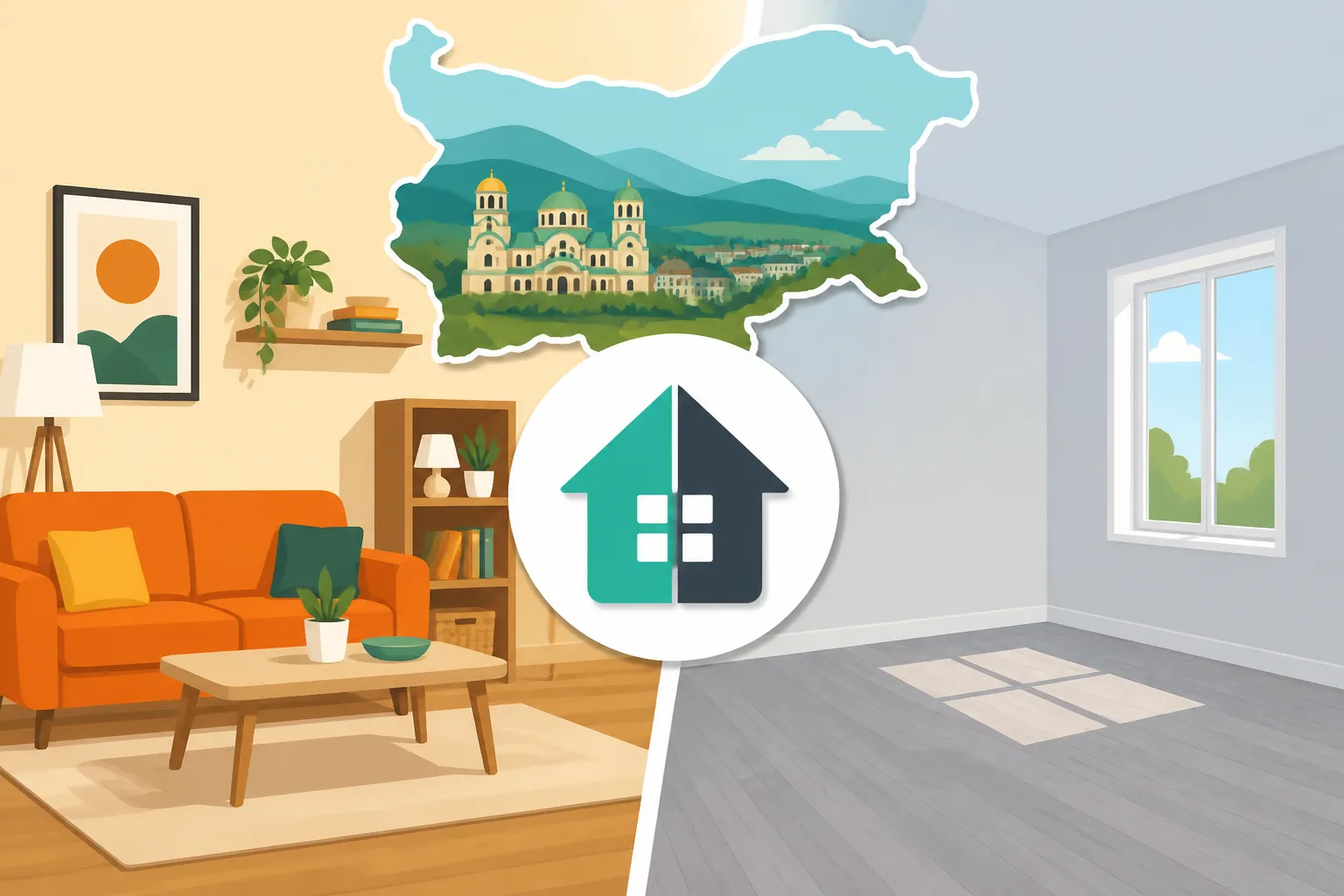
Understanding Furnished vs Unfurnished Rentals in Bulgaria
Moving to Bulgaria often brings a wave of excitement, but it's quickly followed by the dizzying reality of finding a place to live, and one of the first big questions you'll face is whether to go for a furnished or unfurnished rental. It’s not just about what comes with the apartment; it’s about understanding the unspoken expectations, the hidden costs, and how each choice impacts your expat life here. This guide will meticulously break down what these terms truly mean in the Bulgarian context and help you make an informed decision that truly suits your new adventure.
Decoding Rental Terms: What "Furnished" and "Unfurnished" Really Mean in Bulgaria
When you’re looking for a rental in Bulgaria, especially if you're coming from a country with different housing norms, the terms "furnished" (обзаведен) and "unfurnished" (необзаведен) can feel like a bit of a lottery. What one landlord considers "furnished," another might see as barely basic. It's crucial to understand these distinctions to manage your expectations and avoid unpleasant surprises when you finally get the keys to your new home.
The Bulgarian Definition of "Fully Furnished"
In many Western countries, "fully furnished" might mean everything down to the teaspoons and bath towels. In Bulgaria, it’s generally more about the major pieces of furniture and appliances that make a place immediately liveable. You’ll typically find a bed, wardrobes, a sofa, a dining table and chairs, and a basic kitchen setup. This kitchen usually includes an oven, stove, refrigerator, and sometimes a microwave. You can expect a washing machine, but a dryer is far less common.
What you might not find are smaller kitchen appliances like a toaster or coffee maker, or decorative items, linens, and cutlery. Think of it as functional, not necessarily homely or personalized. The quality of the furniture can also vary wildly, from brand-new, modern pieces to items that have seen better decades. Always check the condition of everything, because what might pass as 'used' could be quite old and worn. This immediate readiness is often a huge draw for new arrivals, helping to ease the stress of those first few weeks.
"Partially Furnished" or "Basic Furnishings": A Mixed Bag
This category is where things can get truly ambiguous in Bulgaria. "Partially furnished" often means you’ll get some core essentials, but not necessarily a complete living setup. For instance, an apartment might have a kitchen fully equipped with appliances but no dining table. Or it could have beds in the bedrooms but no living room furniture. Sometimes, it might just be built-in wardrobes and kitchen cabinets with no appliances at all.
This option demands a keen eye and precise questions. If you see a listing for a "partially furnished" apartment, consider it a blank slate with a few helpful head starts. It’s perfect for those who want to bring some of their own furniture but don't want to start entirely from scratch. However, be prepared to fill in significant gaps yourself, which can involve a substantial initial outlay and logistical planning. Don't assume anything; if it's not explicitly stated or shown in photos, ask directly if it's included.
"Unfurnished": More Than Just Empty Walls
When a rental is listed as "unfurnished" in Bulgaria, it truly means unfurnished. Expect four walls, a ceiling, and a floor. Crucially, even basic kitchen cabinets or appliances might be missing. Bathrooms are, of course, equipped with plumbing fixtures, but beyond that, it’s a blank canvas. This is a far cry from some other countries where "unfurnished" might still include basic white goods like a fridge or oven.
This option is less common in the general rental market, particularly for short-term stays, but you'll find it more often in newly constructed buildings or properties aimed at long-term tenants who intend to make the place their permanent home. For expats planning an extended stay and desiring complete control over their living space, an unfurnished apartment offers the ultimate freedom. However, it also means a significant initial investment in time, money, and effort to transform it into a liveable home.
The Allure of Furnished Rentals: Convenience and Compromises
For many expats arriving in Bulgaria, the thought of stepping into a ready-made home is incredibly appealing. Furnished rentals promise immediate comfort and less hassle, particularly during those initial, disorienting weeks. However, this convenience often comes with its own set of trade-offs, from higher costs to a lack of personal touch.
The Immediate Appeal: Walk-In Ready Living
The biggest draw of a furnished apartment is undoubtedly the convenience. Imagine arriving in a new city like Sofia or Plovdiv, fresh off the plane, and stepping into an apartment where all the essentials are already waiting for you. There's no frantic rush to buy beds, sofas, or kitchen appliances. This can be a huge relief, especially if you're starting a new job quickly or have just landed after a long journey. It means you can focus on getting your feet on the ground, exploring your new surroundings, and tackling administrative tasks like getting your How to Register with the National Health Insurance Fund in Bulgaria or understanding your Understanding Mandatory Health Insurance Contributions in Bulgaria.
This is particularly beneficial for short-term stays, temporary assignments, or those who aren’t sure how long they’ll remain in Bulgaria. You avoid the logistical nightmare of shipping furniture internationally – a process that can be costly and riddled with customs delays. If you're only planning to stay for a year or two, the investment in buying furniture that you'll then need to sell or move again simply doesn't make financial sense. Plus, it allows you to get a feel for the country and a specific city without committing to major purchases.
The Downside: Higher Costs and Lack of Personal Touch
While convenient, furnished rentals nearly always come with a higher monthly rent compared to their unfurnished counterparts. Landlords factor in the cost of the furniture, its depreciation, and the added maintenance into the rental price. Over a year or two, this premium can add up significantly. You’re essentially paying a hidden "furniture rental" fee every month. This is an important consideration when you're calculating your overall How Much Is the Cost of Living in Bulgaria for Expats.
Beyond the financial aspect, a major compromise is the lack of personalization. You're living with someone else's taste and choices. While some apartments might have neutral, modern decor, others can feature outdated, mismatched, or simply not-to-your-liking furniture. You might find yourself tolerating a sofa you hate or a bed that isn't quite comfortable, simply because it's what's provided. For those who value creating a home that reflects their personality, this can be a real sticking point. Your ability to truly "settle in" and make the space your own will be limited by the existing items.
Navigating Wear and Tear: Deposit Disputes and Maintenance
One of the common headaches with furnished rentals, not just in Bulgaria but everywhere, revolves around the condition of the items and the security deposit. When you move into a furnished place, you're responsible for the landlord's property. This means every scratch, stain, or broken item becomes a potential point of contention when you move out. Landlords often conduct detailed inventories and expect the property to be returned in the same condition, minus reasonable wear and tear. What constitutes "reasonable" can sometimes be subjective and lead to disputes over your deposit.
It's absolutely vital to do a thorough inventory check when you move in, documenting the condition of every piece of furniture and appliance with photos or videos. Don't be shy about pointing out existing damage, no matter how minor, and ensure it's noted in your rental contract or a separate protocol. This meticulousness can save you a lot of grief and money later on. Understanding Tenant and Landlord Rights in Bulgaria is crucial here. Also, ask about who is responsible for maintenance and repairs of appliances. If the washing machine breaks down, is it on you or the landlord to fix it? Clarifying these points upfront can prevent future arguments.
Embracing Unfurnished Spaces: Freedom and Initial Hurdles
Choosing an unfurnished apartment in Bulgaria is a bold move that grants you unparalleled creative freedom, allowing you to truly build a home from the ground up. However, this liberation comes with a significant initial commitment, both financially and logistically, that requires careful planning and a willingness to immerse yourself in the local market.
The Freedom to Create Your Dream Home
This is where the unfurnished option truly shines. Imagine having a completely blank canvas where every piece of furniture, every decor item, every appliance is chosen by you. You get to select pieces that perfectly match your style, comfort preferences, and functional needs. This isn't just about aesthetics; it’s about investing in quality items that you genuinely love and that will stand the test of time, rather than making do with whatever was left behind. For those planning a long-term stay in Bulgaria, or even considering eventual How to Buy Property in Bulgaria as a Foreigner: The Full Guide, starting with an unfurnished space allows you to establish roots and create a deeply personal sanctuary.
You're not constrained by the landlord's decor choices, the age of their sofa, or the functionality of their old fridge. This freedom extends to layout, storage solutions, and even the type of lighting you prefer. It's an opportunity to truly make the place your own, which can significantly enhance your sense of belonging and well-being as an expat in a new country. This investment in your personal space can pay dividends in comfort and happiness over years.
The Initial Investment and Logistics of Setting Up Shop
The most significant hurdle with an unfurnished rental is the considerable upfront cost and the logistical challenge of furnishing it. You'll need to budget for everything: a bed, mattress, wardrobe, sofa, dining table, chairs, kitchen appliances (fridge, oven, washing machine), curtains, lighting, and all the smaller household items. This can easily run into thousands of Bulgarian Leva, even if you’re shopping on a budget. This is a crucial factor when considering The Cost of Healthcare in Bulgaria: A Complete Breakdown for Foreigners (2026) or any other major expense as a newcomer.
Beyond the cost, there's the sheer effort of sourcing, purchasing, and arranging delivery and installation for all these items. You’ll be spending a significant amount of time visiting furniture stores, appliance shops, and navigating Bulgarian delivery services, which can sometimes be a test of patience. If you’re planning to ship your existing furniture from your home country, services like Sirelo can help with the logistics, but be prepared for costs, customs, and potentially long waiting times. This option is certainly not for the faint of heart or those on a tight schedule.
Sourcing Furniture and Appliances: A Local Adventure
Furnishing an unfurnished apartment in Bulgaria can actually be quite an interesting adventure. For large furniture items, popular options include IKEA, JYSK, and local chains like Aiko XXXL and Mebeli Videnov. These offer a range of styles and price points. For appliances, major electronics retailers such as Technopolis and Technomarket are ubiquitous and offer warranties and delivery services. Don't forget smaller independent shops, especially for unique pieces, or second-hand markets (bitaks) and online classifieds (like OLX.bg) if you're looking for bargains and don't mind pre-loved items.
Navigating these options means you'll likely encounter Bulgarian customer service, potentially varying levels of English, and delivery schedules that might require flexibility. Having a local friend or a Bulgarian language app can be incredibly helpful. This process is a fantastic way to immerse yourself in local commerce and discover hidden gems, but it requires patience and adaptability. When you're busy setting up your home, it's easy to forget about essentials like staying connected; make sure you have reliable mobile data from providers like Airalo to help with online research and communication.
Finding Your Ideal Rental: Practical Tips and Pitfalls
Whether you're leaning towards furnished or unfurnished, the rental hunt in Bulgaria has its own unique flavour. Navigating the market requires a blend of online savvy, local knowledge, and diligent communication to avoid common pitfalls and secure a place that truly meets your needs.
Online Platforms, Agents, and Local Connections
The digital age has made searching for rentals much easier, but a local touch is still invaluable in Bulgaria. You’ll find a plethora of listings on popular Bulgarian real estate websites like Imot.bg, Bazar.bg, and sometimes even OLX.bg. These platforms allow you to filter by location, price, number of rooms, and often by whether the property is furnished or unfurnished. However, beware that photos can sometimes be outdated or misleading, so always approach with a healthy dose of skepticism.
Engaging with a local real estate agent can save you a tremendous amount of time and frustration, especially if your Bulgarian language skills aren't yet fluent. Good agents understand the market, have access to listings not always visible online, and can act as an intermediary with landlords. While there will be an agency fee (typically 50% of one month's rent, sometimes 100%, paid by the tenant), it's often a worthwhile investment for the peace of mind and expertise they provide. Ask for recommendations from other expats or look for agents specializing in expat services. For a deeper dive into the process, check out our guide on How Do I Find a Reliable Real Estate Agent in Bulgaria.
What to Look For During Viewings and Key Questions to Ask
Never, ever sign a contract without a physical viewing of the property. Pictures can hide a multitude of sins, from poor natural light to damp issues or neglected maintenance. During your viewing, be observant: check water pressure, test appliances, look for signs of mould, damp, or pest issues, and assess the heating system, especially if you're moving in winter. Pay attention to the neighbourhood too – noise levels, proximity to amenities, and public transport links are all important factors.
Come prepared with a list of questions. For furnished properties, specifically ask about the age and condition of major appliances (fridge, oven, washing machine), who is responsible for repairs if they break, and if an inventory list will be provided. For unfurnished places, clarify if any kitchen units or white goods are included. Always ask about utility costs – How Do I Set Up Electricity After Moving to Bulgaria and How Do I Set Up Water and Heating in Bulgaria are critical, but also ask about average monthly bills for electricity, water, heating (especially if gas or central heating), and internet. Don't forget to ask about the lease duration, notice period, and any specific rules (e.g., pets, smoking).
Understanding Rental Contracts and Deposit Practices
Bulgarian rental contracts are legally binding documents, and while they might seem straightforward, it’s vital to understand every clause. Most contracts are for a minimum of one year, with a standard notice period (usually one or two months) required if either party wishes to terminate early. Always ensure the contract is in both Bulgarian and a language you understand (preferably English) and that it is signed by both you and the landlord. It's worth having a legal professional review the contract, particularly if you have any doubts or complex clauses.
The standard practice in Bulgaria is to pay a security deposit equivalent to one or two months' rent, in addition to the first month's rent upfront. This deposit is intended to cover any damages beyond normal wear and tear or unpaid bills upon your departure. Make sure the conditions for its return are clearly stipulated in the contract. A common expat frustration is the delayed or partial return of deposits, so good documentation (photos, inventory) upon moving in is your best defence. Always get a receipt for any payments made. Our article on How Do I Sign a Rental Contract in Bulgaria offers even more detailed advice.
Beyond the Rent: Financial Considerations for Both Options
When budgeting for your life in a Bulgarian rental, remember that the monthly rent is just one piece of the financial puzzle. Both furnished and unfurnished options come with their own distinct set of additional costs that can significantly impact your overall expenses. Understanding these upfront will help you avoid unwelcome surprises.
Initial Outlay: Deposits, First Month's Rent, and Agency Fees
Regardless of whether you choose a furnished or unfurnished apartment, the initial financial commitment is usually quite substantial. As mentioned, you’ll typically need to pay one or two months' rent as a security deposit, plus the first month's rent, all upfront. So, if your rent is 800 BGN, you might need 2400 BGN just to get the keys (deposit of two months + first month). This is a significant sum to have ready when you're just starting your life here.
On top of this, if you've used a real estate agent (which, let's be honest, is almost a necessity for many expats navigating the system), you’ll be on the hook for their fee. This fee is commonly 50% or even 100% of one month’s rent, paid once upon signing the contract. While it feels like an extra hit, a good agent can be an invaluable asset in finding the right place, negotiating terms, and ensuring a smoother process. Factor these significant start-up costs into your moving budget well in advance.
Utility Bills and Ongoing Expenses
Once you're in, the utility bills become your ongoing responsibility. These include electricity, water, heating, and sometimes gas. In Bulgaria, heating costs can vary wildly depending on the type of system (central heating, individual electric heaters, air conditioning, wood burners) and the insulation of the building. Older buildings often have higher heating bills. Water is usually metered, and electricity usage can be surprisingly high, especially if you're using electric boilers for hot water or relying on air conditioning for heating in winter.
Beyond the essentials, you'll also have internet and potentially TV subscriptions. Providers like A1 and Vivacom are popular choices, offering various packages. Keep in mind that some older apartment blocks might also have a small monthly maintenance fee (такса поддръжка) for common areas, which your landlord should disclose. Always ask for an estimate of previous utility bills from the landlord or agent before committing, so you have a realistic idea of the monthly running costs. It really helps when planning your The Complete Guide to Cost of Living in Bulgaria for Expats (2026).
Insurance and Unexpected Costs
While not always mandatory for tenants, personal property insurance is a wise investment, especially for furnished rentals. This covers your personal belongings against theft, fire, or other damages. For furnished properties, the landlord typically insures the building and their furniture, but your items are usually not covered. If you’ve invested heavily in furnishing an unfurnished apartment, ensuring your new possessions are protected provides peace of mind.
Furthermore, always have a contingency fund for unexpected costs. A broken appliance (even in a furnished rental, if the contract shifts some responsibility to you), an unforeseen medical expense, or even just higher-than-expected utility bills can quickly eat into your budget. Bulgaria is generally affordable, but unexpected expenses are universal. Having a buffer means you won't be caught off guard and can enjoy your expat experience without undue financial stress.
Making the Big Decision: Tailoring Your Rental Choice to Your Bulgarian Life
The choice between a furnished and unfurnished rental in Bulgaria isn't a one-size-fits-all decision. It hinges on your personal circumstances, your long-term plans, and your comfort level with initial effort versus ongoing costs. Let's break down how to weigh these factors to make the best choice for your unique expat journey.
Your Timeline: Short-Term vs. Long-Term Commitments
One of the most significant factors in this decision is how long you anticipate staying in Bulgaria. If you’re here for a short-term contract, a temporary assignment, or simply trying out expat life for six months to a year, a furnished apartment is almost always the more practical and cost-effective option. The convenience of moving into a ready-to-live-in space outweighs the slightly higher monthly rent. The hassle and expense of buying and then selling/moving furniture for a short period are rarely worth it.
However, if you're planning on settling in Bulgaria for several years, perhaps you've secured How Do I Get a Work Permit for Bulgaria? or are looking to build a more permanent life here, an unfurnished apartment starts to become very appealing. The initial investment in furniture will pay off over time, as you'll avoid the premium on furnished rent, and you'll have the joy of creating a truly personalized home. It’s an investment in your comfort and long-term happiness in the country.
Budgetary Realities and Lifestyle Preferences
Your budget, both for upfront costs and ongoing monthly expenses, will heavily influence your choice. If you arrive with limited savings for initial outlays, a furnished apartment, despite its higher monthly rent, might be more accessible as it reduces the need for a large lump sum furniture purchase. Conversely, if you have the capital for initial furnishing, an unfurnished place could be more economical in the long run.
Beyond money, consider your lifestyle. Are you someone who thrives on nesting and personalizing every corner of your home? Then the thought of living with someone else's furniture in a furnished apartment might feel stifling. An unfurnished space offers the creative freedom you crave. If, however, you prefer minimalist living, enjoy simplicity, or simply don't want the stress of shopping for furniture in a new country, a furnished option provides the ease you desire. Think about what truly contributes to your comfort and well-being.
Shipping Your Life vs. Starting Fresh
Finally, consider your existing possessions. Do you have a household full of beloved furniture and personal items that you can't imagine living without? If so, factoring in the cost and logistics of international shipping (and customs duties) will be paramount. Companies like Sirelo can help with quotes and coordination, but it's a significant undertaking. In this scenario, an unfurnished apartment makes perfect sense, as you'll have space for your own belongings.
If you're moving with just a few suitcases, or you're keen to declutter and embrace a fresh start, then the idea of buying new or finding pre-loved items in Bulgaria to furnish an unfurnished apartment can be exciting. Alternatively, a furnished apartment ensures you arrive with minimal baggage and everything you need is already there. This choice often boils down to a fundamental question: are you looking to transplant your old life, or build a new one from the ground up?
| Feature | Furnished Rental | Unfurnished Rental |
|---|---|---|
| Initial Move-In | Easy, immediate comfort | Significant effort and time to furnish |
| Upfront Costs | Lower (no furniture purchase) | Higher (furniture, appliances, decor) |
| Monthly Rent | Higher | Lower (potentially significant savings over time) |
| Personalization | Limited, living with landlord's choices | Complete freedom to design your space |
| Logistics | Minimal, just personal belongings | Complex (shopping, delivery, assembly) |
| Flexibility | Good for short-term stays | Better for long-term commitment |
| Maintenance | Landlord responsible for furniture/appliance repair | You are responsible for your own items |
| Deposit Risk | Potential disputes over wear and tear of items | Mostly related to property damage, fewer items |
| Ideal For | Short-term expats, minimalists, budget-conscious for upfront | Long-term expats, those with own furniture, creative control |
Disclaimer
The information provided in this guide is for general informational purposes only and does not constitute legal, financial, or real estate advice. While we strive to keep the information up-to-date and accurate, laws, regulations, and market conditions in Bulgaria can change. Always consult with a qualified professional for advice tailored to your specific situation before making any decisions related to renting property in Bulgaria.