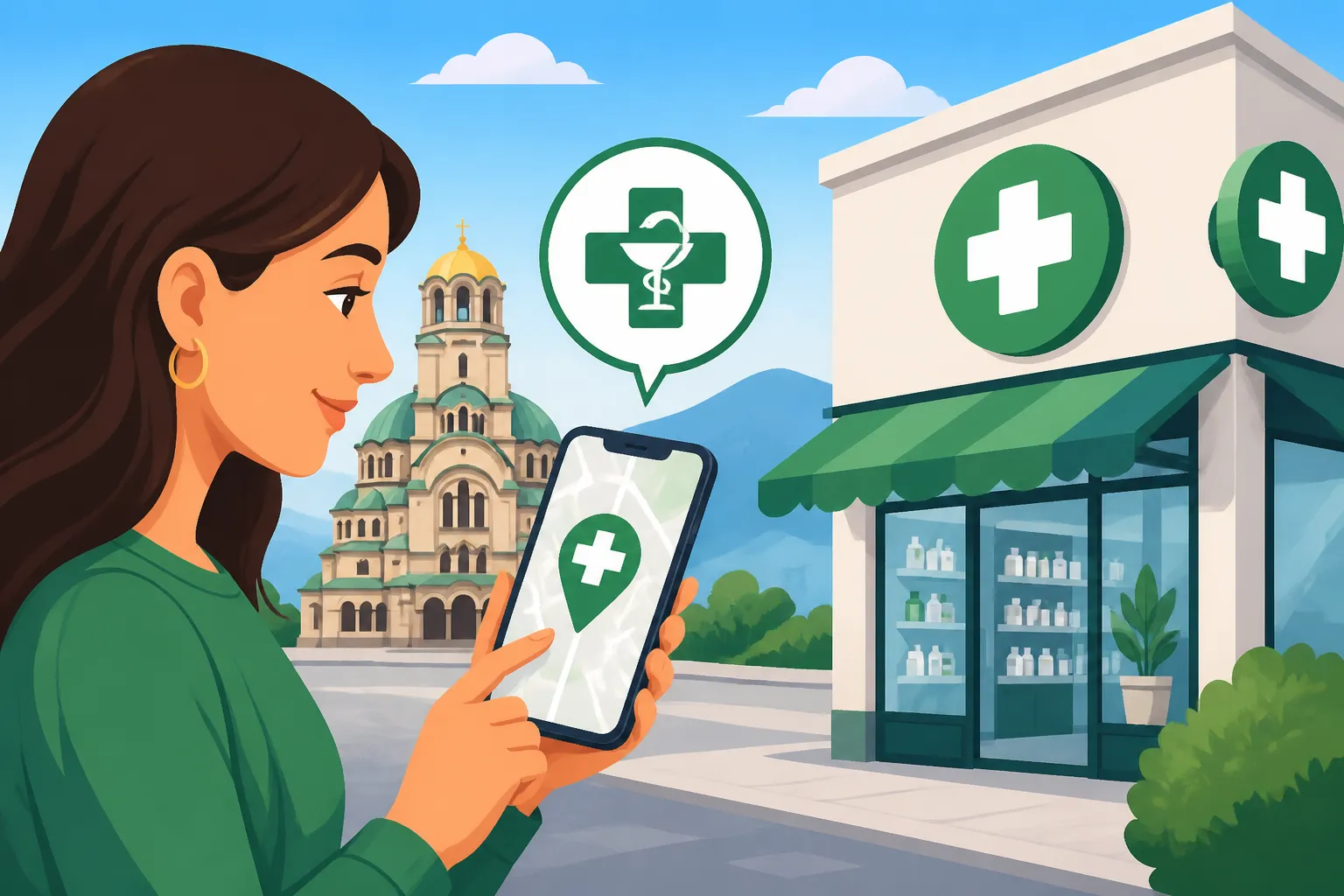
How Do I Find a Trusted Pharmacy Near Me in Sofia?
Finding a trusted pharmacy when you’re new to Sofia, or even just passing through, can feel like navigating a maze, especially if you’re not familiar with the local language or system. That sudden headache, the unexpected allergic reaction, or realizing you’re almost out of a crucial prescription can quickly turn a pleasant day into a stressful ordeal. This guide is here to cut through that confusion, offering practical, on-the-ground advice for locating a reliable pharmacy in Sofia, understanding what to expect, and ensuring you get the medication you need without unnecessary hassle.
Understanding the Bulgarian Pharmacy Landscape in Sofia
Sofia’s pharmacy scene is quite diverse, much like any major European capital, but it has its own unique flavour. It’s not just about spotting the green cross; it’s about understanding the subtle differences between the types of pharmacies and their operational nuances. As an expat, this initial understanding can save you a lot of grief and wasted time.
Pharmacy Chains Versus Independent Pharmacies
You’ll find a mix of large pharmacy chains and smaller, independent pharmacies scattered across Sofia. The chains are often easier to spot due to their uniform branding and presence in shopping centres or busier streets. Think names like Sopharmacy, Subra, or Remedium. These larger establishments often have more stock, sometimes slightly longer operating hours, and occasionally, a higher chance of finding English-speaking staff, especially in central areas like Vitosha Boulevard or near major expat hubs. Their staff are generally very professional, but the personal touch might be less pronounced than in a smaller, neighbourhood pharmacy.
On the other hand, independent pharmacies, or "Аптека" (Apteka) as they're called in Bulgarian, are charmingly ubiquitous. You’ll find them tucked away on quieter streets, often serving a specific local community for decades. While they might have a more limited stock on certain niche items, the pharmacists in these places often have a wealth of local knowledge and can offer more personalized advice. The downside, if you don't speak Bulgarian, is that English might be less common. However, with a bit of patience and perhaps a translation app, you can often get excellent service and build a rapport that can be invaluable for regular needs.
Working Hours and 24/7 Options (Денонощна Аптека)
Most pharmacies in Sofia operate during standard business hours, typically from around 9:00 AM to 7:00 PM on weekdays, and often shorter hours on Saturdays, with many closing on Sundays. However, as any expat who’s woken up with a fever at 2 AM knows, medical emergencies don't stick to office hours. This is where the concept of the "Денонощна Аптека" (Denonoshtna Apteka), or 24-hour pharmacy, becomes your best friend.
Sofia has several strategically located 24/7 pharmacies, particularly in the city centre and larger residential districts. These are often rotated, meaning that not every pharmacy is open all night every night, but there’s always a designated one in each area. You can usually find a list of current 24/7 pharmacies posted on the door of any regular pharmacy or on local municipal websites. If you’re caught out, a quick search on Google Maps for "денонощна аптека София" will usually bring up the closest options. Be aware that these night pharmacies might have a small window where you speak to the pharmacist, rather than a full open-door policy, especially late at night, for security reasons. Don't be shy; ring the bell or knock.
Common Challenges for Expats
Let’s be real, navigating healthcare in a new country is rarely seamless. For pharmacies, the primary hurdle for many expats is the language barrier. While younger pharmacists or those in more touristy areas might speak English, it's by no means guaranteed. This can make explaining symptoms, asking about side effects, or understanding dosage instructions tricky. Preparing key phrases in Bulgarian or having a translation app ready can be incredibly helpful.
Another challenge can be understanding what you need a prescription for and what’s available over the counter. The rules can differ significantly from your home country. For instance, some medications that are over-the-counter elsewhere might require a doctor’s note here, and vice-versa. This highlights the importance of understanding Prescription Medications and Pharmacies in Bulgaria: The Complete Guide. The system isn't designed to be difficult, but the differences can catch you off guard. Also, remember that your health insurance, whether it's your local NHIF coverage or a robust international plan like SafetyWing, typically covers prescription costs, but you'll usually pay upfront and claim reimbursement for private insurance.
Practical Steps to Find a Pharmacy Near You in Sofia
When you need a pharmacy, you usually need it now. Having a game plan can save you precious time and reduce stress, especially if you're feeling unwell. Here’s how to effectively pinpoint a trusted "Аптека" in Sofia.
Using Online Tools and Apps
In this day and age, technology is your best friend. The quickest way to find a pharmacy in Sofia is often through your smartphone.
- Google Maps: This is usually the go-to. Simply open Google Maps and search for "pharmacy near me" or "аптека наблизо" (apteka nablízo). The map will show you nearby pharmacies, their operating hours, and often user reviews. You can also filter for "open now" or specifically look for 24-hour options.
- Local Pharmacy Chain Websites/Apps: Major chains like Sopharmacy and Subra often have their own websites or even mobile apps that list their locations, operating hours, and current 24/7 rotations. While these might be in Bulgarian, their interface is usually intuitive enough to navigate to a store locator.
- Local Health Portals: Some Bulgarian health portals, while primarily in Bulgarian, sometimes have interactive maps for pharmacies. It might take a bit more digging, but they can be a reliable source for current information.
Always double-check the operating hours listed online, especially for smaller pharmacies, as they can sometimes vary.
Asking for Local Recommendations
Never underestimate the power of local knowledge. If you're in a pinch and not finding what you need online:
- Ask Your GP: If you're registered with a General Practitioner, they are an excellent source. They can not only tell you the closest and most trusted pharmacies but also might know which ones have English-speaking staff or stock specific medications. Remember, to make the most of the public system, it's crucial to know How to Register with the NHIF and a GP in Bulgaria (2026).
- Hotel Staff/Landlords: If you're staying in a hotel, the reception staff are usually well-versed in local amenities, including nearby pharmacies. Similarly, a landlord or host can be a valuable resource for neighbourhood recommendations.
- Fellow Expats/Online Forums: Expat groups on social media platforms or local forums are a goldmine for recommendations. Someone else has likely faced the exact same situation and can point you to their preferred pharmacy. They might even know a particular pharmacist who is especially helpful or speaks English.
Don't be afraid to ask. Bulgarians, while sometimes seeming reserved, are generally very helpful once you approach them with politeness.
Recognizing a Pharmacy (Signs and Symbols)
Once you’re out on the street, how do you actually spot a pharmacy? In Bulgaria, it’s quite distinct:
- Green Cross: The most universal symbol for a pharmacy is the green cross, often illuminated and flashing, especially at night. This is your primary visual cue.
- "Аптека" Sign: Look for the word "Аптека" (Apteka) above the entrance. This is the direct translation of pharmacy.
- "Денонощна" Sign: If it’s a 24-hour pharmacy, it will often have "Денонощна" (Denonoshtna) displayed prominently, sometimes in red or white text on a green background.
Knowing these visual cues will make it much easier to quickly identify a pharmacy, even if you’re just walking by in an unfamiliar neighbourhood.
Specific Areas in Sofia Known for Pharmacies
Sofia's city centre is naturally dense with pharmacies. Vitosha Boulevard and the streets immediately surrounding it, such as Graf Ignatiev Street, are good places to start due to high foot traffic and tourist presence. You’ll also find several around major hospitals or polyclinics (ДКЦ – Diagnostic and Consultative Centers), as these areas are hubs for medical services. For example, near the Military Medical Academy (ВМА) or the Alexandrovska Hospital, you'll always find a few options. In residential districts, pharmacies are usually conveniently located near bus stops, markets, or smaller shopping areas, designed to serve the local community.
What to Expect When Visiting a Bulgarian Pharmacy
Stepping into a pharmacy in Bulgaria for the first time can feel a bit different from what you might be used to at home. Understanding the nuances can make your experience smoother and less intimidating.
Staff Interaction and Language Barriers
As mentioned, language can be a hurdle. While many younger pharmacists, especially in central Sofia, might speak some English, it’s not guaranteed. Don’t be discouraged if your initial "Do you speak English?" is met with a blank stare.
- Be Prepared: Have your symptoms written down, or the name of the medication you need. A quick translation app like Google Translate or DeepL on your phone can bridge many gaps.
- Patience and Politeness: A smile and a polite tone go a long way. Even if communication is difficult, showing respect for their efforts will be appreciated.
- Visual Aids: If you’re describing a symptom, sometimes pointing to the affected area or using gestures can help. If you have an empty box of the medication you need, bring it with you.
- Pharmacist's Role: Bulgarian pharmacists are highly trained and play a crucial role in the healthcare system. They can offer advice on minor ailments and recommend appropriate over-the-counter remedies. Think of them as frontline healthcare providers, often more accessible than a doctor for common issues. They can suggest remedies for everything from a common cold to minor skin irritations, often asking follow-up questions to ensure they're recommending the right product.
Payment Methods
Generally, pharmacies in Sofia accept both cash (Bulgarian Lev, BGN) and card payments. Debit and credit cards (Visa, Mastercard) are widely accepted, especially in chain pharmacies. Smaller, independent pharmacies might occasionally prefer cash for smaller transactions, but card machines are very common now. It's always a good idea to have some small denominations of Lev on hand, just in case, especially if you're visiting a 24/7 pharmacy late at night where card terminals might occasionally be down or inconvenient to use.
Discreet Versus Open Consultations
Most pharmacies in Bulgaria operate with an open counter system, where you approach the counter, state your needs, and the pharmacist retrieves the medication for you. There isn't typically a private consultation room unless it's a very large pharmacy offering additional services. This means that your conversation with the pharmacist might be overheard by others waiting. If you have something particularly private to discuss, you might need to speak quietly or use a translation app to convey sensitive information more discreetly.
However, in my experience, Bulgarians tend to be quite respectful of privacy, even in open settings. The focus is usually on getting you the medication you need efficiently. The pharmacist will still prioritize your health concerns, even if it means speaking briefly about them at the counter. Remember that for more in-depth consultations or diagnoses, you'll need to see a doctor. This is especially true for anything that might require a specialist referral, as explained in How Specialist and Hospital Referrals Work in Bulgaria.
Dealing with Prescriptions and Over-the-Counter Medications
This is where many expats hit a snag. The system for prescriptions and what’s freely available can differ significantly from what you’re accustomed to. Knowing the rules will save you a world of frustration.
Bulgarian Prescriptions (Рецепта)
If a medication requires a prescription in Bulgaria, it will need to be written by a Bulgarian doctor. A prescription from your home country, even if it’s from an EU doctor, is generally not directly accepted by pharmacies here for dispensing controlled substances or certain prescription-only drugs. You would typically need to see a local GP to get a Bulgarian prescription. This is crucial if you rely on regular medication. Understanding the documents you'll need to see a doctor is also important, as detailed in What Documents Do I Need to See a Doctor in Bulgaria?
Bulgarian prescriptions, or "рецепта" (retsepta), usually come on a standardized form, clearly stating the patient's name, the doctor's details, the medication name, dosage, and instructions for use. Pharmacists are very strict about these. Don't expect them to bend the rules. If the prescription isn't correct or complete, they won't dispense the medicine. Make sure you get clear instructions from your doctor about how often and for how long to take the medication, as this will also be noted on the prescription.
What You Can Buy Without a Prescription
This is often a pleasant surprise for many expats! A wider range of medications, including some antibiotics, mild painkillers, cough syrups, antihistamines, and certain topical creams, are available over the counter in Bulgaria compared to some other Western countries. However, this is changing, with stricter regulations coming into play for antibiotics and other drugs that require a medical diagnosis. The best approach is always to ask the pharmacist. They can advise you on whether a particular medication you're looking for requires a prescription or if there's an equivalent available without one.
It’s important to exercise caution with self-medication, even if it’s readily available. Always consult with a pharmacist, and ideally, a doctor, before starting any new medication, especially antibiotics, to ensure it’s appropriate for your condition. For a comprehensive overview, see Can I Buy Antibiotics Over the Counter in Bulgaria?.
Generic Versus Branded Medications
Bulgarian pharmacies generally stock a good range of both branded and generic medications. Generics are often significantly cheaper and are a perfectly good alternative to their branded counterparts, containing the same active ingredients. Don’t be afraid to ask your pharmacist if a generic version is available, especially if you’re trying to manage costs. They will usually offer the generic first if available, or ask if you have a preference.
When discussing the cost of medications, it's worth remembering that while many prescription drugs are subsidized by the National Health Insurance Fund (NHIF) for those registered and paying contributions, there will still be out-of-pocket expenses. This is part of understanding The Cost of Healthcare in Bulgaria: A Complete Breakdown for Foreigners (2026). For those with private insurance like SafetyWing, you’ll typically pay the full amount at the pharmacy and then submit a claim for reimbursement.
Emergency Pharmacy Needs and Insurance
If you find yourself in an emergency situation where you need medication urgently, and it’s outside of normal hours, head straight for a Денонощна Аптека (24-hour pharmacy). For serious emergencies, remember the universal emergency number 112, but for medication needs, the pharmacy is your first port of call.
When it comes to paying, if you have private health insurance, make sure you keep all receipts. Whether you have local coverage through the NHIF or an international plan, understanding your policy and what it covers is vital. Providers like SafetyWing are often used by digital nomads and expats for their flexible and comprehensive international health insurance. Always confirm what documentation your insurance provider requires for reimbursement of medication costs. Usually, this means the original receipt and, for prescription medicines, a copy of the prescription.
Here's a quick reference table for common pharmacy needs in Sofia:
| Situation | Action | Key Phrases to Use (Bulgarian) |
|---|---|---|
| Need a pharmacy open now | Use Google Maps or look for "Аптека" with a green cross. Check operating hours. | "Аптека наблизо?" (Apteka nablízo? – Pharmacy nearby?) |
| Need a 24-hour pharmacy | Search "денонощна аптека София" on Google Maps. Look for "Денонощна" sign. | "Денонощна аптека?" (Denonoshtna apteka? – 24-hour pharmacy?) |
| Have a prescription (Bulgarian doctor) | Present your "рецепта" to the pharmacist. | "Имам рецепта." (Imam retsepta. – I have a prescription.) |
| Need an over-the-counter medicine | Clearly state the name of the medicine or describe your symptoms. Be patient if there's a language barrier. | "Боли ме глава." (Boli me glava. – My head hurts.) "Имате ли…?" (Imate li…? – Do you have…?) |
| Language barrier | Use a translation app, point to symptoms, or show an empty medication box. | "Говорите ли английски?" (Govorite li angliyski? – Do you speak English?) |
| Payment | Cash (BGN) and card usually accepted. Have small bills for convenience. | "Мога ли да платя с карта?" (Moga li da platya s karta? – Can I pay by card?) |
Keeping Your Medical Kit Stocked
Before you find yourself frantically searching for a pharmacy in an emergency, it's always a good idea to have a basic home medical kit. Things like common painkillers, antiseptic wipes, bandages, and perhaps some remedies for an upset stomach can be invaluable. For more tips on this, consider reading What Should I Pack in a Home Medical Kit for Bulgaria?. Being prepared can make a huge difference, especially during your initial days in Sofia when everything still feels new and a little daunting.
Remember, finding a trusted pharmacy in Sofia really boils down to knowing the local system, utilizing modern tools, and not being afraid to ask for help. Once you get the hang of it, you'll find the pharmacists to be knowledgeable and helpful, making your healthcare journey in Bulgaria much smoother.
Disclaimer
The information provided in this guide is for general informational purposes only and does not constitute medical, legal, or professional advice. While we strive to provide accurate and up-to-date information, regulations and services can change. Always consult with qualified medical professionals or legal experts for advice tailored to your specific situation. Reliance on any information in this guide is solely at your own risk.