Is Mental Healthcare Affordable in Bulgaria?
Navigating mental healthcare in a foreign country can feel like trying to find your way through a maze blindfolded, especially when you’re grappling with language barriers and an unfamiliar system. For many expats in Bulgaria, the question isn't just "Where do I find help?" but "Can I even afford it?" This guide will break down the true costs and accessibility of mental healthcare in Bulgaria, helping you understand both the public and private options available.
Unpacking Mental Healthcare Costs in Bulgaria: Public vs. Private
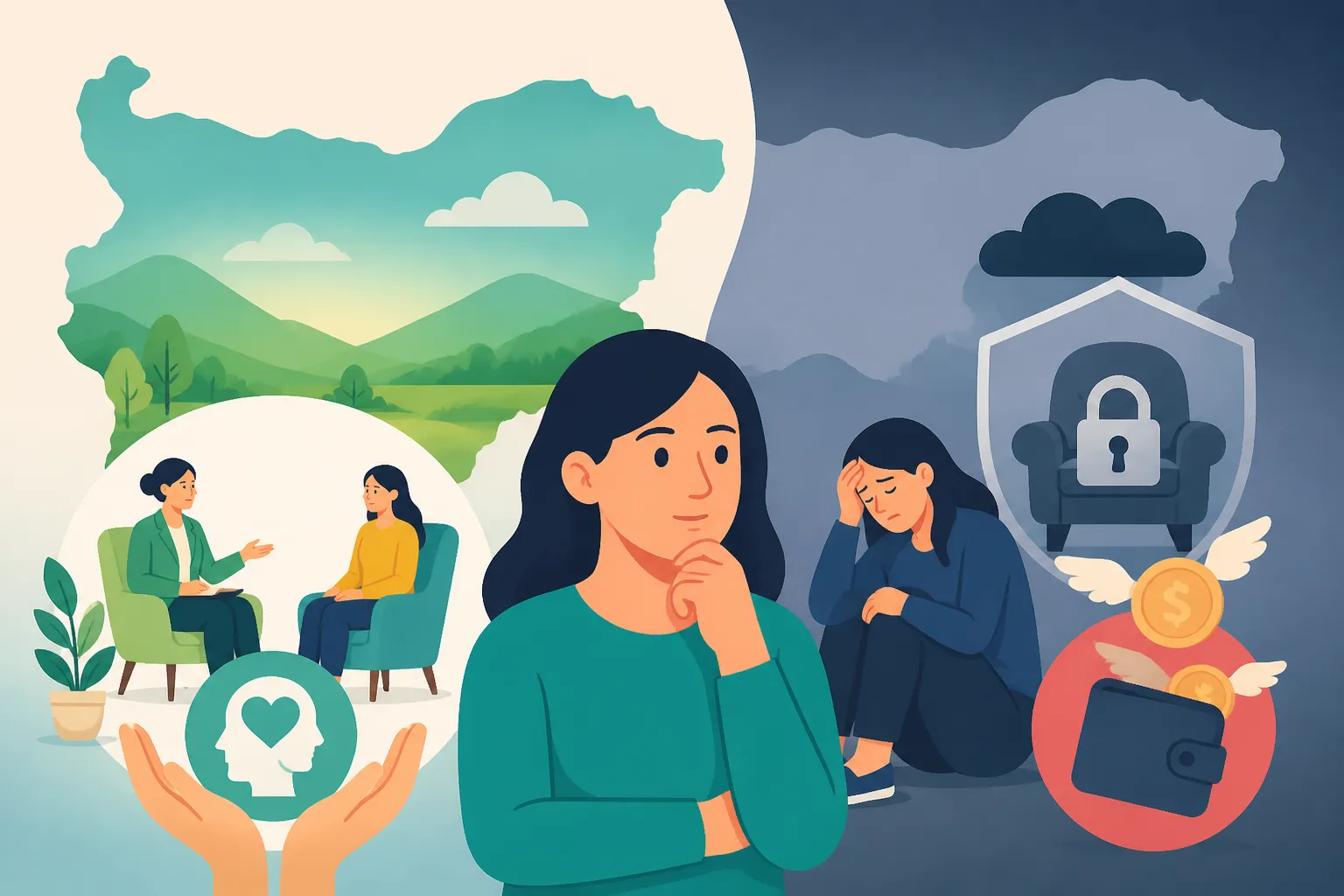
Let's be honest, moving abroad, even to a beautiful place like Bulgaria, can take a toll on your mental well-being. The initial excitement often gives way to stress, loneliness, and a deep sense of displacement. When you start considering therapy or psychiatric help, the immediate question that pops into your head is often about the cost, especially if you're used to exorbitant prices back home. In Bulgaria, the landscape of mental healthcare, much like physical healthcare, is a blend of public and private options, each with its own cost structure and accessibility challenges. It's not always a straightforward "yes, it's cheap" or "no, it's expensive" answer; it's nuanced, depending heavily on your residence status, insurance, and preferred language of care.
The General Landscape and Cultural Context
First, it’s important to understand the general attitude and infrastructure surrounding mental health in Bulgaria. Historically, mental health has been a less openly discussed topic in Bulgarian society, often carrying a certain stigma. While this is slowly changing, especially among younger generations and in urban centers like Sofia and Plovdiv, it can still influence the availability and public perception of services. This means that finding resources might require a bit more proactive searching than you’re accustomed to. Public institutions, while present, can sometimes be understaffed or operate with outdated methodologies compared to Western standards. On the other hand, the private sector has seen significant growth, with more professionals offering modern, client-centered approaches, many of whom are catering specifically to the expat community.
When considering the costs, it’s generally safe to say that mental healthcare in Bulgaria is more affordable than in many Western European countries or North America. This applies to both public and private sectors, though the gap in quality and accessibility can be quite wide. For someone struggling with mental health issues, the thought of navigating another bureaucratic hurdle or facing language barriers just to get help can be incredibly daunting. We've all been there, standing in an office, trying to decipher complex forms while feeling completely overwhelmed. This guide aims to alleviate some of that stress by laying out what you can expect.
Factors Influencing Affordability for Expats
Several factors will play a crucial role in determining how much you actually pay for mental healthcare here. Your residency status is paramount. Are you a registered resident contributing to the National Health Insurance Fund (NHIF)? Or are you here on a shorter-term visa, relying on private or international insurance? This distinction will dictate your access to publicly funded services.
Another major factor is the language. While there are a growing number of English-speaking professionals, especially in larger cities, they tend to operate within the private sector, and their services often come at a premium compared to their Bulgarian-speaking counterparts. This isn't necessarily a rip-off; it simply reflects the demand and specialized skill set. For those who aren't fluent in Bulgarian, finding someone you can truly open up to without a language barrier is often worth the extra cost. Many expats have found themselves in situations where they try to communicate sensitive issues through a translator or with a doctor who only has basic English, and it rarely provides the therapeutic connection needed.
Lastly, the type of care you seek matters. Are you looking for occasional counselling sessions, long-term psychotherapy, or psychiatric consultations for medication management? Different professionals have different fee structures, and the intensity and duration of your treatment will significantly impact your overall expenses. Understanding these dynamics is the first step in finding genuinely affordable and effective mental healthcare in Bulgaria.
Navigating Public Sector Mental Health Support: What the NHIF Covers
For those of us who are properly registered residents and contributing to the National Health Insurance Fund (NHIF) – which is usually mandatory if you're employed or self-employed here – the public health system does offer some mental health services. However, this is where things can get a bit more convoluted and, frankly, frustrating for expats. The public system is designed primarily for Bulgarian citizens and long-term residents, and while you are entitled to its benefits, accessing them for mental health can be a journey. To understand how the public system for general health works, you might want to read How Bulgaria's Health System Works: The NHIF and Private Care Explained (2027).
What's Covered by the NHIF
Under the NHIF, certain mental health services are theoretically covered, primarily through referrals from your General Practitioner (GP), or lichen lekar. This usually includes consultations with a psychiatrist (психиатър) at a public hospital or specialized psychiatric clinic. If your GP deems it necessary, they can issue a referral (направление) for you to see a specialist. These visits, if covered by the NHIF, will usually only require a small co-payment, often just a few Bulgarian Leva.
However, the reality often differs from the theory. The availability of English-speaking psychiatrists in the public sector is extremely limited. Even if you find one, wait times can be substantial, and the approach might feel very clinical, focusing heavily on medication rather than talk therapy or psychotherapy. Public facilities, while trying their best with limited resources, might not offer the same level of comfort or privacy that many expats are accustomed to or need for sensitive mental health discussions. Furthermore, comprehensive psychotherapy with a psychologist or therapist (психолог/терапевт) is generally not covered by the NHIF, as these are often considered complementary or specialized services outside the basic public health package. This means that even if you're fully insured with the NHIF, you'll likely still be paying out-of-pocket for most forms of talking therapy.
The Referral Maze and Accessibility Challenges
Getting that initial referral from your GP can itself be a hurdle. Your GP is your gatekeeper to specialist care, and if they don't understand your specific needs or if there's a language barrier, advocating for mental health support can be tough. Many expats have reported feeling dismissed or not taken seriously when trying to explain nuanced psychological issues to a GP who might be more accustomed to diagnosing physical ailments. For a deeper dive into this initial step, you can check out How to Register with the NHIF and a GP in Bulgaria (2027).
Let's consider a scenario: you're feeling overwhelmed, maybe experiencing anxiety or depression. You go to your GP, who speaks limited English. You try to explain your symptoms, but they might interpret them as general stress rather than something requiring a specialist. Even if you get the referral, the public psychiatric clinic might be far away, and the first available appointment could be weeks or months out. This delay can be critical when you're already struggling. It's not a criticism of the hardworking Bulgarian medical professionals, but rather an honest reflection of the systemic challenges and resource limitations in the public sector, especially when it comes to mental health and accommodating non-Bulgarian speakers.
For some, the public system can provide essential medication management at a very low cost, which is a definite advantage if that's your primary need and you're comfortable with the language or have a trusted Bulgarian friend to assist you. But for ongoing, in-depth psychological support, the public system often falls short for expats.
Exploring Private Mental Health Services: Options and Out-of-Pocket Expenses
This is where many expats find themselves turning for mental healthcare in Bulgaria. The private sector offers a significantly wider range of services, more flexibility, and crucially, a much higher chance of finding English-speaking professionals. While it means paying out of pocket, the peace of mind and quality of care can be invaluable.
Private Clinics and Independent Therapists
In cities like Sofia, Plovdiv, and Varna, you'll find a growing number of private psychology practices, counselling centers, and even private psychiatric clinics. These services are almost entirely self-funded, meaning you pay directly for each session. The good news is that the costs, while higher than the minimal co-payments in the public sector, are still considerably lower than what you'd typically find in Western countries.
- Psychologists/Counsellors (Психолог/Консултант): These professionals offer talk therapy, cognitive-behavioral therapy (CBT), psychoanalysis, and various other therapeutic approaches. They cannot prescribe medication.
- Psychiatrists (Психиатър): A private psychiatrist can assess, diagnose, and prescribe medication, as well as offer some forms of therapy. If your mental health concern requires medication, a private psychiatrist is often the quickest and most accessible route to getting it.
Many private practitioners understand the unique challenges faced by expats and actively market their services in English. A simple online search for "English-speaking therapist Sofia" or "psychologist Plovdiv expat" will yield numerous results. Websites like Superprof, BetterHelp (for online therapy), or local expat groups on Facebook are great resources for finding recommendations. Remember, finding the right therapist is a very personal journey, so don't be afraid to schedule introductory calls to see if they're a good fit. You can find more targeted advice on how to find such professionals in How to Find an English-Speaking Doctor in Bulgaria.
Typical Costs in the Private Sector
So, what are we talking about money-wise? The costs for private mental healthcare can vary, but here’s a general breakdown:
| Service Type | Average Cost per Session (BGN) | Average Cost per Session (EUR) | Notes |
|---|---|---|---|
| Psychologist/Counsellor | 60 – 150 BGN | 30 – 75 EUR | Varies by experience, location (Sofia typically higher), and therapy type. Online sessions might be slightly cheaper. |
| Psychiatrist (Consultation) | 80 – 200 BGN | 40 – 100 EUR | Initial consultations are usually at the higher end. Follow-up appointments for medication review tend to be cheaper. Some psychiatrists also offer therapy, which will be charged similarly to psychologists. |
| Group Therapy | 30 – 80 BGN | 15 – 40 EUR | Per person, per session. Less common, but can be a cost-effective option if available and suitable. |
| Online Therapy (International Platforms) | 80 – 250 BGN | 40 – 125 EUR | Platforms like BetterHelp or local online therapists. Prices can be similar to in-person, but offer more flexibility. May also be denominated in USD, so exchange rates matter. |
(Note: These are average estimates as of 2024-2026 and can fluctuate. Always confirm fees directly with the practitioner.)
When you compare these figures to, say, €100-€200 per session in many Western European countries, or $150-$300 in the US, Bulgaria’s private mental healthcare options certainly stand out as significantly more affordable. Many expats find that they can afford regular, consistent therapy here, which might have been financially out of reach in their home countries. This accessibility can be a real game-changer for long-term mental well-being.
One real-life example I've heard from many expats is about getting private psychiatric care. Let's say you need a prescription for an antidepressant or anti-anxiety medication. Going the private route means you can often get an appointment within a few days or a week, have a thorough consultation in English, and walk out with a valid prescription. This cuts through the public sector's bureaucracy and language hurdles, providing immediate relief when you need it most. While the cost of the consultation is out-of-pocket, the medications themselves are often quite affordable in Bulgarian pharmacies. You can learn more about medication costs in Are Prescription Medications Expensive in Bulgaria?.
Insurance, Support Networks, and Making Mental Healthcare Accessible
While paying out-of-pocket in the private sector can be affordable compared to other countries, consistently shelling out for weekly sessions can still add up. This is where your health insurance, whether it's private or international, comes into play, and where community support becomes vital.
Private and International Health Insurance
If you’re a non-EU national, or even an EU citizen looking for more comprehensive coverage than the NHIF provides, a good private health insurance policy is your best friend. Many international health insurance plans are designed with expats in mind, covering a broader range of services, including mental health.
- Local Private Insurance: Some local Bulgarian insurance providers do offer plans that include outpatient psychological consultations or psychiatric care. However, you'll need to scrutinize the policy details very carefully. Look for specific clauses on mental health, whether there's a limit on the number of sessions, if pre-existing conditions are excluded, and if there's a deductible or co-insurance. Often, these plans will reimburse you a percentage of the cost after you’ve paid upfront.
- International Health Insurance: This is usually the go-to for many expats. Providers like SafetyWing, Cigna Global, or Allianz Care offer plans that explicitly include mental health benefits. These plans are designed to be portable and provide coverage across borders, which is perfect if you travel frequently or anticipate moving again. When choosing a plan, pay close attention to the mental health section. Does it cover psychotherapy? Psychiatric consultations? Are there limits on the annual benefits or specific requirements for referrals? For example, some plans might require a GP referral even for private therapists to consider reimbursement. It's really important to read the fine print here. You can find more about these options in Health Insurance in Bulgaria: NHIF, Private and International Options Explained and Understanding Private Health Insurance Plans in Bulgaria.
Let's imagine you have a plan with SafetyWing (or a similar international provider) that covers mental health. You've found an English-speaking therapist in Sofia who charges 100 BGN per session. You pay the therapist directly, get an invoice, and then submit it to your insurance provider for reimbursement. While you might still pay a deductible or a co-payment, a significant portion of your costs could be covered, making ongoing therapy much more sustainable. This is a game-changer for making mental health services truly accessible. Always confirm with your insurer before starting treatment what specifically is covered and what the claims process looks like.
Online Therapy Platforms
Beyond traditional in-person therapy, online platforms have become a legitimate and often more convenient alternative. Services like BetterHelp, Talkspace, or even independent therapists offering video calls allow you to connect with professionals from anywhere, often with more flexible scheduling options. While not always covered by insurance (check your policy!), the costs can sometimes be competitive with in-person private therapy in Bulgaria, and it eliminates travel time and geographical limitations. It's a great option if you live outside a major city or prefer the comfort of your own home.
Building Your Support Network
While not a direct financial cost, building a strong support network is an invaluable part of mental well-being for expats, and it can indirectly make professional mental healthcare more "affordable" by reducing the frequency or intensity of professional intervention needed for certain issues. Expat communities in Bulgaria, especially online forums and local groups in Sofia, Plovdiv, and Varna, are often incredibly supportive. People share recommendations for therapists, discuss their experiences, and offer practical advice on navigating the system. Simply having a group of people who understand your unique challenges as a foreigner can make a huge difference. Don't underestimate the power of connection and shared experience.
The Bottom Line: Is Mental Healthcare Affordable in Bulgaria?
So, after all that, is mental healthcare affordable in Bulgaria? The straightforward answer is: yes, generally much more affordable than in many Western countries, especially in the private sector.
For those with NHIF coverage, limited psychiatric support is available at minimal cost, but expect significant challenges regarding language, accessibility, and the scope of services, particularly for psychotherapy. It’s often a difficult route for expats unless you have strong Bulgarian language skills or local support to navigate the system effectively.
However, the private sector is where mental healthcare truly becomes accessible and, by international standards, very affordable for expats. While you’ll be paying out-of-pocket, the costs for English-speaking psychologists and psychiatrists are typically a fraction of what you’d pay elsewhere. When coupled with a robust international health insurance plan, such as those offered by SafetyWing or similar providers, regular access to quality mental healthcare becomes a realistic and sustainable option.
The key is to be proactive. Research your options, understand your insurance coverage, and don't hesitate to reach out to expat communities for recommendations. Bulgaria may have its quirks and challenges, but ensuring your mental well-being doesn't have to be one of them. Take care of yourself, and remember, asking for help is a sign of strength, not weakness.
Disclaimer
This article is for general informational purposes only and does not constitute professional advice. Laws, prices and regulations vary by location and change over time. Consult a qualified professional for guidance on your specific situation.