Are Prescription Medications Expensive in Bulgaria?
One of the biggest worries when moving to a new country, especially when dealing with health, is understanding how much those vital prescription medications are going to set you back. You might be used to exorbitant prices in your home country, or perhaps a system where everything is heavily subsidised, and navigating the Bulgarian system can feel like deciphering a secret code. This guide aims to clear up the confusion and give you a realistic picture of medication costs in Bulgaria, so you can breathe a little easier.
Understanding the Landscape of Bulgarian Pharmacies and Drug Costs
Stepping into a Bulgarian pharmacy, or аптека (apteka), might feel familiar, but the system behind the counter has its own quirks. Generally, you’ll find that prescription medications in Bulgaria are considerably more affordable than in many Western European countries or North America, but that doesn't mean there aren't things you need to know to avoid unexpected expenses.
The Bulgarian Pharmacy System and Access
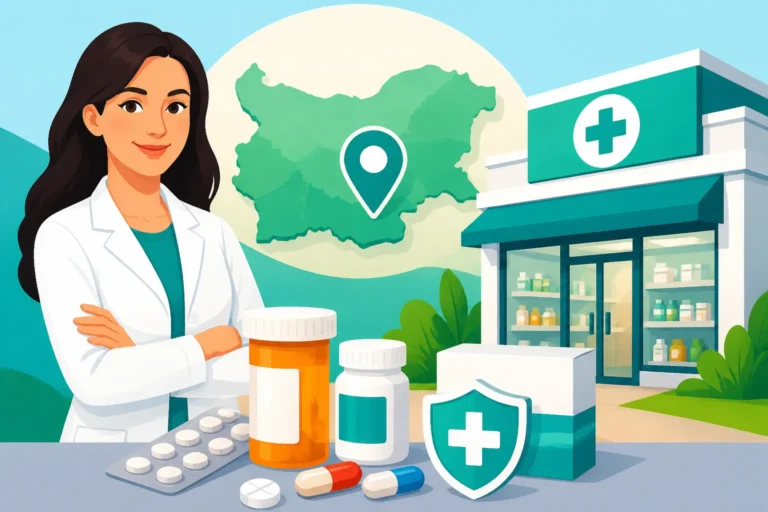
Pharmacies are ubiquitous in Bulgaria. You’ll find them on almost every corner in larger cities like Sofia, Plovdiv, and Varna, often easily identifiable by a green cross. Many operate with extended hours, and you’ll always find at least one 24-hour pharmacy (often signposted as денонощна аптека) in any sizable town. This widespread access is fantastic for expats, as you’re rarely far from help if you need a refill or an urgent over-the-counter remedy.
The system itself is quite regulated. For many prescription drugs, you’ll need a valid prescription from a Bulgarian doctor. This isn't just a suggestion; pharmacists are legally bound to refuse sale without one, especially for antibiotics, stronger painkillers, and certain chronic condition medications. Don't try to use a foreign prescription from outside the EU; it simply won't be accepted. You’ll need to register with a local GP or visit a private clinic to get a Bulgarian prescription first. If you’re just visiting or haven’t yet settled into the NHIF system, this means an out-of-pocket consultation fee, but the medication itself will still likely be cheaper than you'd expect. For those on a short trip or initial relocation, having a robust travel insurance plan like SafetyWing that covers emergency medical consultations can be incredibly helpful for getting that initial prescription without breaking the bank.
Factors Influencing Medication Prices
Several factors contribute to the pricing of prescription medications in Bulgaria. Understanding these can help you anticipate costs.
Firstly, government regulation plays a huge role. The prices of many essential and commonly prescribed medications are regulated by the Bulgarian Drug Agency, which aims to keep them affordable for the general population. This often involves benchmarking against prices in other EU countries. Secondly, local production and parallel imports also contribute to lower costs. Many generic versions of popular drugs are produced locally or imported from other EU countries with lower prices, which creates competition and drives down the overall cost. You'll often be offered a generic equivalent, which is almost always significantly cheaper and equally effective.
Thirdly, the National Health Insurance Fund (NHIF) – Национална здравноосигурителна каса (НЗОК) – heavily subsidises a vast array of prescription medications. If you are a registered contributor to the NHIF, a significant portion of your prescription costs, sometimes even 100%, can be covered, depending on the drug and your condition. This is a massive benefit for those with chronic conditions or long-term medication needs. However, not all medications are fully covered, and some require a co-payment or доплащане (doplaštane) which is the difference you pay out of pocket. We'll delve more into NHIF coverage later in this guide.
Comparing Costs: What to Expect for Common Medications
Now, let's get down to the numbers. What can you actually expect to pay? The good news is that for many common ailments, you'll find the prices surprisingly low.
Typical Price Ranges for Over-the-Counter Drugs
For over-the-counter (OTC) medications – things like painkillers, cough syrup, basic allergy pills, and vitamin supplements – the prices are generally very reasonable. You might pay anywhere from 3-5 BGN for a pack of common painkillers (like paracetamol or ibuprofen) to 10-20 BGN for a larger bottle of cough syrup or a more specialised allergy relief pack. Many basic remedies that might require a prescription in other countries are available OTC here. For instance, low-dose corticosteroids for skin rashes or certain nasal sprays are often freely available, which can be a relief when you just need quick relief and don't want the hassle of a doctor's visit.
However, be aware that some products marketed as supplements or herbal remedies can sometimes be pricier, especially if they are imported or from well-known international brands. Always ask the pharmacist for the local equivalent or a generic option if you're looking to save money.
Costs of Prescription Medications Chronic vs Acute
This is where the NHIF truly shines for expats who are registered. For chronic conditions, if your medication is on the NHIF's positive drug list and your GP has prescribed it correctly, you could be paying very little, or even nothing at all. For example, common medications for high blood pressure, diabetes, or thyroid issues often fall into categories with significant NHIF coverage. You might only pay a symbolic co-payment of a few levs per prescription, or sometimes even 0 BGN if it's fully covered for your specific diagnosis. This is a huge relief for anyone managing long-term health needs. Understanding mandatory health insurance contributions in Bulgaria is key to unlocking these benefits.
For acute conditions, such as a bacterial infection requiring antibiotics, the costs are also generally low. A standard course of antibiotics might cost anywhere from 5 BGN to 20 BGN, depending on the type and brand. Again, if prescribed by an NHIF-registered doctor, there may be a subsidy, but often for acute, short-term treatments, the out-of-pocket cost is still very manageable even without full NHIF coverage.
Here’s a quick overview of estimated costs for some common medications in Bulgaria (prices are approximate and can vary):
| Medication Type | Example Drug Class | Typical Cost (BGN) | NHIF Coverage (if applicable) | Notes |
|---|---|---|---|---|
| Over-the-Counter | Painkillers (Ibuprofen) | 3 – 8 | None | Widely available, often cheaper generic options. |
| Cold & Flu Remedies | 8 – 20 | None | Various brands, often combination drugs. | |
| Antacids | 5 – 15 | None | Good range of options. | |
| Prescription (Acute) | Antibiotics | 5 – 25 | Partial/Full | Requires GP prescription; co-payment often applies. |
| Anti-inflammatories | 10 – 20 | Partial/Full | Requires GP prescription for stronger doses. | |
| Prescription (Chronic) | Hypertension Medication | 0 – 10 | Full/Significant | Often fully covered or minimal co-payment for NHIF members. |
| Diabetes Medication | 0 – 25 | Full/Significant | Insulin and oral medications often heavily subsidised. | |
| Thyroid Hormones | 0 – 5 | Full | Very low or zero cost for NHIF members. | |
| Antidepressants | 10 – 30 | Partial/Full | Coverage varies; discuss with your GP and psychiatrist. |
Note: These are general estimates. Actual prices depend on the specific drug, brand, dosage, pharmacy, and NHIF status.
Impact of Generics vs Brand-Name Drugs
This is a crucial point for managing costs. Bulgarian pharmacists, like many in Europe, are generally quite proactive in offering generic alternatives to brand-name drugs. These generics are chemically identical, have the same active ingredients, and are equally effective, but they come at a fraction of the price. If you’re used to insisting on a specific brand from your home country, you might find that the local generic version costs 1/5th or even 1/10th of the brand-name equivalent.
For example, a common antibiotic like Augmentin (brand name) might have a co-payment of 15 BGN, while its generic equivalent (Amoxiclav, for instance) might be entirely covered by NHIF or have a co-payment of only 2-3 BGN. Always ask your doctor or pharmacist if there's a cheaper generic option available. They are usually more than happy to help you find the most cost-effective solution.
Navigating Prescriptions and Coverage for Expats
As an expat, understanding how your healthcare status impacts medication costs is vital. It’s not just about what’s available, but what you’re eligible for.
NHIF Coverage and Reimbursement for Medications
If you are legally residing and working in Bulgaria, or are otherwise eligible and contributing to the National Health Insurance Fund (NHIF), you unlock the most significant cost savings on prescription medications. Once you're registered with the NHIF and have chosen a GP, your GP can issue prescriptions that fall under the NHIF’s subsidised lists.
To get your subsidised medications, you'll need to present your personal identification document (ID card or residence permit) and your NHIF registration document (or simply rely on the electronic system linked to your ID) at the pharmacy. The pharmacist will then be able to see what percentage of the medication cost is covered by the NHIF and what your co-payment will be. For some chronic conditions, certain drugs are 100% covered, meaning you pay nothing. For others, you'll pay a percentage or a fixed co-payment. It's truly one of the biggest benefits of being registered with the NHIF, especially if you have ongoing medical needs. Make sure you understand how to register with the National Health Insurance Fund in Bulgaria to take advantage of this.
Private Health Insurance and Medication Benefits
What if you're not yet in the NHIF system, or you prefer private care? Many expats opt for private health insurance, especially in their initial months or if they have specific coverage needs. These policies can vary widely in what they cover regarding prescription medications. Some comprehensive plans will cover a significant portion, or even all, of your prescription costs, especially if they are prescribed by a doctor within their network. Other, more basic plans might only cover medications related to hospital stays or emergencies.
It's absolutely critical to read the fine print of your private health insurance policy regarding outpatient prescription drug coverage. Don't assume anything. Some policies might have a deductible that needs to be met before they start covering prescriptions, or they might only reimburse a certain percentage. If you’re using a travel or temporary expat insurance like SafetyWing, for instance, it’s designed more for unexpected emergencies, so while it might cover medications during an emergency hospitalisation, it's less likely to cover routine refills for chronic conditions or general cold remedies. Always contact your insurer directly if you have doubts about medication coverage. Understanding Private Health Insurance Plans in Bulgaria is a good starting point for exploring your options.
Practical Tips for Saving on Prescriptions
Even with a generally affordable system, there are smart ways to further reduce your medication expenses:
- Always ask for a generic: As mentioned, this is your number one trick. Pharmacists in Bulgaria are usually very helpful in suggesting the cheaper, equally effective generic option.
- Get an NHIF-registered GP: If you’re a resident, getting registered with the NHIF and choosing a GP (личен лекар) is your best bet for affordable long-term prescription costs. This opens up access to subsidised medications.
- Compare pharmacies: While drug prices are regulated, there can sometimes be slight variations between different pharmacy chains or independent pharmacies for certain items, especially for non-subsidised or over-the-counter drugs. It doesn't hurt to check a couple of places, especially for more expensive items.
- Bring a supply for initial arrival: If you’re on critical medication, bring a sufficient supply from your home country to last you at least a few weeks, or even a couple of months. This gives you ample time to settle in, find a doctor, and get local prescriptions without stress.
- Discuss alternatives with your doctor: If a particular medication is proving expensive or difficult to obtain, ask your Bulgarian doctor if there are equally effective, more affordable, or more readily available alternatives.
Local Specifics and What Expats Should Know
Beyond the costs, there are practical considerations that can make your experience smoother when dealing with medications in Bulgaria.
Finding English-Speaking Pharmacists and Medication Information
In larger cities and tourist areas like Sofia, Plovdiv, Varna, or popular Black Sea resorts, you’ll often find pharmacists who speak at least some English. Many younger pharmacists have a good grasp of the language, which can be a huge relief. Don't be shy about asking if someone speaks English when you walk in. If you're struggling, a translation app on your phone can be a lifesaver for communicating specific symptoms or medication names.
When it comes to medication information, most prescription drugs will come with an information leaflet (листовка) in Bulgarian. You can usually find online versions in English if you search for the active ingredient or the brand name (if it's an international one). Don't just rely on the name; always double-check the active ingredient to ensure you're getting the correct medication, especially if you're comparing it to something you took back home.
Availability of Specific Medications and Alternatives
While Bulgaria has a good range of medications, it’s not uncommon to find that a very specific brand or formulation you relied on in your home country might not be available here, or might go by a different name. This is particularly true for less common drugs or niche brands.
In such cases, your Bulgarian doctor will usually be able to prescribe an equivalent drug with the same active ingredients. It's always a good idea to bring a detailed list of your current medications, including the active ingredients and dosages, to your first doctor's appointment. This will help your new GP find the closest Bulgarian equivalent. Generally, you’ll find that most common medications are readily available, whether as brand names or generics.
Common Pitfalls and How to Avoid Them
The biggest pitfall for new expats is trying to use foreign prescriptions. As mentioned, they won't be accepted for regulated drugs. You absolutely need a Bulgarian prescription. Another common mistake is assuming that all private insurance plans cover all prescriptions. Always verify your coverage details beforehand.
For those just starting their life in Bulgaria, without NHIF registration or a comprehensive private plan, an unexpected illness requiring medication can lead to out-of-pocket expenses. This is precisely why having initial travel insurance, or a comprehensive expat plan that covers your transition period, is so important. A plan like SafetyWing offers peace of mind for those initial months when you’re still sorting out your residency and NHIF.
Finally, don't be afraid to ask questions at the pharmacy. If you don't understand the co-payment, the instructions, or the difference between two options, ask! Bulgarian pharmacists are generally knowledgeable and can provide valuable advice, especially on over-the-counter remedies and generic alternatives. Navigating the Bulgarian healthcare system: An Expat's Roadmap can provide further guidance on setting up your health care.
Disclaimer
The information provided in this guide is for general informational purposes only and does not constitute medical, legal, or financial advice. While we strive to keep the information up-to-date and accurate, regulations, prices, and availability of medications can change. Always consult with a qualified healthcare professional, legal expert, or financial advisor for advice tailored to your specific situation.