How Do I Get a Vehicle Inspection in Bulgaria?
If you've just arrived in Bulgaria, or even if you've been here a while and are navigating the local automotive scene, you've probably heard hushed mentions of the "technical inspection" or, more commonly, the ГТП (Godishen Tekhnicheski Pregled). For many of us foreigners, it can feel like yet another complex administrative hoops to jump through, wrapped in a language barrier and a system that isn't always immediately obvious. But don't worry, this guide will walk you through exactly how to get your vehicle inspected in Bulgaria, simplifying a process that often seems deliberately obscure.
Understanding the Bulgarian Vehicle Inspection System
The Годишен Технически Преглед (ГТП), which translates to "Annual Technical Review," is Bulgaria's mandatory vehicle inspection system. Think of it as the Bulgarian equivalent of an MOT in the UK or a TÜV in Germany – a periodic check to ensure your vehicle is roadworthy, safe, and meets environmental standards. This isn't just a suggestion; it's a legal requirement for every single registered vehicle on Bulgarian roads, from the newest luxury SUV to the oldest Lada. Ignoring it can lead to serious headaches and financial penalties.
The 'Why' Behind the Check: Safety and Regulations
At its core, the ГТП is all about road safety and environmental protection. Bulgaria, like all EU member states, adheres to certain standards for vehicle roadworthiness. This means that your car isn't just a private possession; it's a piece of machinery that interacts with public roads and affects other drivers and pedestrians. The inspection ensures that vital components like your brakes, steering, and lights are in proper working order, reducing the risk of accidents. Beyond safety, there's also a significant focus on emissions. Older vehicles or those with poorly maintained engines can spew out harmful pollutants, and the ГТП aims to keep these in check.
It might feel like an inconvenience, especially when you're already juggling so many other aspects of life here, like perhaps trying to figure out How to Register and License a Car in Bulgaria. But these checks are in place for a good reason, even if the process itself can sometimes feel a bit… uniquely Bulgarian in its execution. Without a valid ГТП sticker on your windshield and the corresponding document in your glove compartment, you're not just risking a fine; you're driving illegally and potentially unsafely.
Mandatory for All Vehicles: No Exceptions
Let's be absolutely clear: if you own a vehicle registered in Bulgaria, you must have a valid ГТП. There are no exceptions based on your nationality, residence status, or how rarely you drive the car. This applies whether you bought your car here, imported it, or received it as a gift. The type of vehicle (car, motorcycle, truck, bus) and its age will dictate the frequency of the inspection, but not whether it's required at all.
This means that if you're navigating the process of How to Buy a Car as a Foreigner in Bulgaria, you need to factor this annual (or biannual, or triannual) check into your ownership responsibilities right from the start. Many expats have tales of being stopped by polite but firm traffic police (КАТ) for an expired ГТП, leading to immediate fines and sometimes even the removal of license plates. Trust me, you don't want to experience that particular administrative hurdle first-hand. It's far easier and less stressful to stay compliant.
The Step-by-Step Process for Your Vehicle Inspection
Alright, let's get down to brass tacks. You know you need a ГТП, so how do you actually go about getting one? The good news is that once you understand the steps, it's fairly straightforward, even if it requires a bit of patience and sometimes a smile.
Finding an Authorized Inspection Point
First things first, you need to locate an authorized ГТП station. These are widespread across Bulgaria, often located near larger car service centres, petrol stations, or industrial zones. You'll typically see prominent signs that say "ГТП" (often in large, red letters) or "Пункт за Годишни Технически Прегледи." Many smaller towns will have at least one, and larger cities like Sofia, Plovdiv, or Varna will have dozens.
While there isn't one universal online directory with English translations, a quick search on Google Maps for "ГТП" in your local area will usually yield plenty of results. Look for stations that appear modern and well-maintained. Some larger service centres associated with international brands might even have English-speaking staff, which can be a huge bonus. Don't be afraid to drive past a few to get a feel for them before committing. Word of mouth from other expats can also be invaluable here.
Booking an Appointment and What to Bring
Here’s a small piece of good news that might surprise you: for private passenger cars, you generally don't need to book an appointment for a ГТП. Most stations operate on a first-come, first-served basis, especially for standard vehicle checks. You simply drive in, join the queue (if there is one), and wait your turn. However, if you have a larger vehicle or a specific type that might require more specialized equipment, it might be wise to call ahead just to be sure.
When you go, make sure you have the following essential documents with you:
- Your vehicle's registration certificate (Малък талон and Голям талон): This is the small and large vehicle registration documents. The Малък талон is the small, credit-card sized document you usually keep with you, and the Голям талон is the larger paper document that details more about the vehicle.
- Proof of valid mandatory third-party liability insurance (Гражданска Отговорност): This is absolutely non-negotiable. Without active insurance, they will not proceed with the inspection. This often comes with your car insurance, which you can learn more about by checking out Understanding Car Insurance and Registration in Bulgaria.
- The document from your previous ГТП (if applicable): While not always strictly required if they can find your records in the system, it's always good to have it on hand.
- Your identity document: Usually your passport or ID card.
Make sure all these documents are original. Copies are usually not accepted. It’s also a good idea to have some cash on hand, as some smaller ГТП stations might prefer or only accept cash payments. For navigating to the station, or if you need to quickly translate something during the process, having reliable mobile data is key. Companies like Airalo offer eSIMs that can provide instant connectivity, saving you the headache of finding Wi-Fi or local SIM cards just for a quick trip.
The Day of the Inspection: What to Expect
When you arrive at the ГТП station, you'll typically drive your car into a designated bay or area. An inspector will usually greet you, ask for your documents, and then direct you on where to park or how to proceed. Sometimes, they'll ask you to drive the car onto specific equipment (like a brake testing roller), while other times, they might take over for a portion of the inspection.
The actual inspection process itself can take anywhere from 15 to 45 minutes, depending on the station, the inspector, and the type of vehicle. You'll usually be asked to wait in a small waiting area while they perform the checks. Don't expect a lot of hand-holding or detailed explanations in English unless you're at a particularly expat-friendly station. It's often a quiet, efficient (by Bulgarian standards) process.
Once the inspection is complete, if your vehicle passes, you'll receive a new ГТП sticker for your windshield, usually affixed to the top right corner (from the driver's perspective), and a stamped document. Keep this document safe in your car, along with your registration and insurance. It's your official proof of a valid technical inspection.
What They're Actually Looking For and How to Pass
Understanding what inspectors scrutinize can save you a lot of time, money, and frustration. A little preventative maintenance and self-check before you go can make all the difference between a swift pass and a stressful fail.
Key Areas of Scrutiny
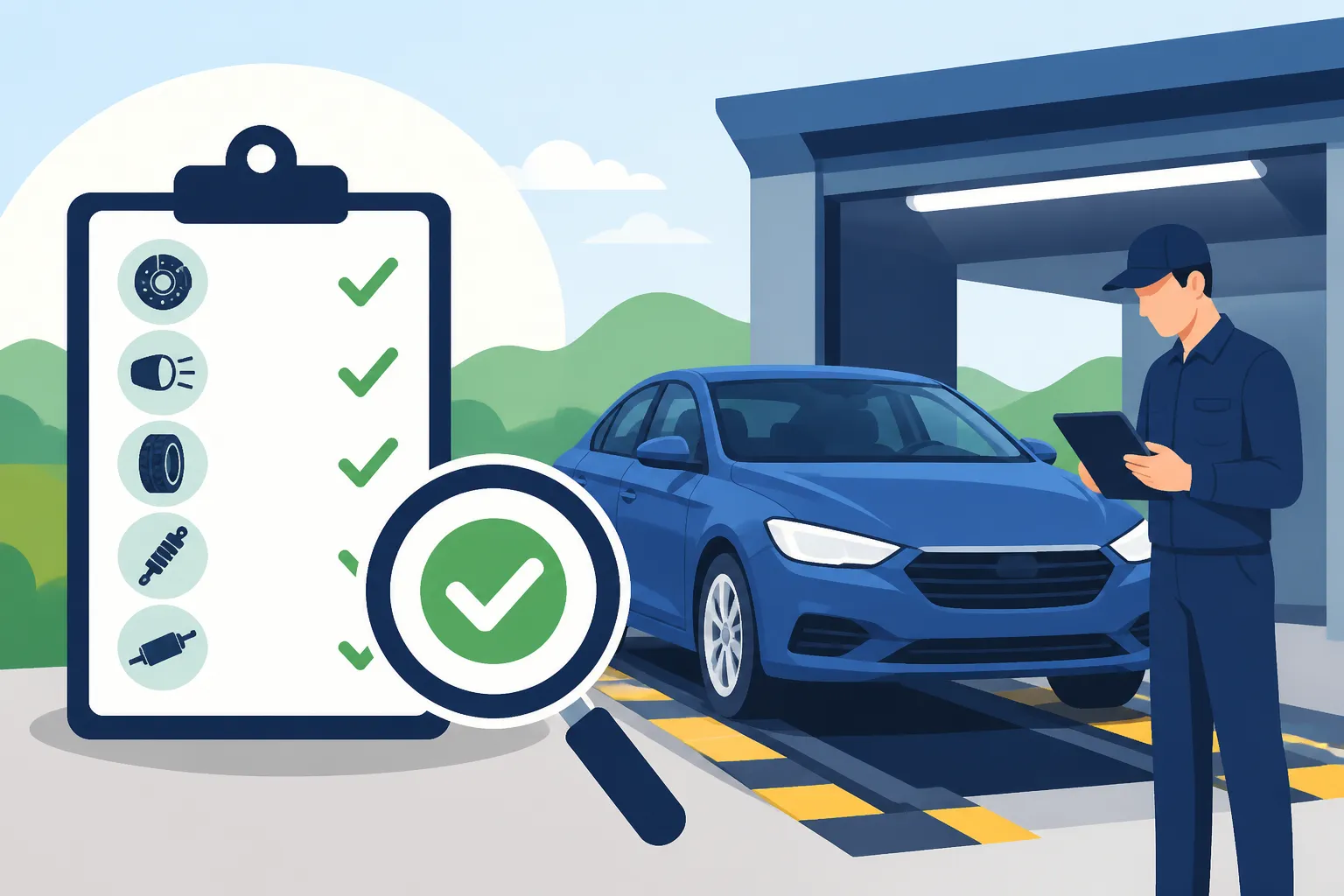
Inspectors follow a standardized checklist to ensure consistency. Here are the main areas your vehicle will be put through the wringer on:
- Lights: Every single light on your car must work – headlights (low and high beam), tail lights, brake lights, indicators, hazard lights, fog lights (front and rear), and even your license plate illumination. They'll check for proper alignment, intensity, and that no lenses are cracked.
- Brakes: This is a big one. Your car will go on a roller dyno to test the effectiveness and balance of your service brakes (foot pedal) and parking brake (handbrake). Any significant imbalance between wheels on the same axle or poor overall braking force will likely result in a fail.
- Tires: Tread depth, overall condition, and matching sizes are checked. Your tires must have adequate tread (minimum 1.6mm, but more is always better for safety), no bulges, cracks, or exposed cords. All four (or more, if applicable) tires must be of the same type (e.g., all summer, all winter, or all all-season), and preferably of the same make and model.
- Steering and Suspension: The inspector will check for excessive play in the steering wheel, worn ball joints, tie-rod ends, and shock absorbers. Worn components here affect handling and safety.
- Emissions (Exhaust Test): A probe is inserted into your exhaust pipe to measure pollutants like carbon monoxide and hydrocarbons. This is a common stumbling block for older or poorly maintained vehicles. If your 'check engine' light is on, you're almost guaranteed to fail this.
- Windshield and Wipers: Your windshield must be free of major cracks or chips in the driver's line of sight. Wipers need to be fully functional and clear the glass effectively.
- Horn: It needs to work and be audible.
- Seatbelts: All seatbelts must function correctly, retract fully, and show no signs of fraying or damage.
- Safety Equipment: This is often overlooked by expats! You must have a valid first-aid kit (often checked for expiry dates), a reflective safety vest (one for each occupant is ideal), and a functional fire extinguisher in your vehicle. These are mandatory by law in Bulgaria.
- Undercarriage: They'll look for rust, leaks (oil, coolant), and any loose or damaged components.
Common Reasons for Failure and How to Prepare
Many expats (and Bulgarians!) find themselves failing for a few recurring reasons. The most common issues are usually:
- Faulty Lights: A single blown bulb, especially a brake light or indicator, is a reason to fail.
- Emissions: Older cars or those needing a service often fail the exhaust test.
- Worn Tires or Brakes: These are fundamental safety items and easily identifiable problems.
- Missing or Expired Safety Equipment: The first-aid kit expiry date is a popular gotcha!
To avoid a stressful re-inspection, do this before you go:
- Check all your lights: Ask a friend to walk around your car while you activate all lights, including indicators and brake lights.
- Check your tires: Look for good tread and no visible damage. Ensure proper inflation.
- Top up fluids: Make sure oil, coolant, and washer fluid are at appropriate levels.
- Clean your car: A clean car (inside and out, especially the engine bay and windshield) gives a better impression and might reveal issues you wouldn't otherwise see.
- Ensure safety equipment is present and valid: First-aid kit, fire extinguisher, reflective vest.
- Listen to your car: Any strange noises, especially from the brakes or suspension, should be addressed.
- Get a pre-check: If you're unsure, many local mechanics can do a quick pre-inspection for a small fee, highlighting any obvious issues.
What Happens If You Fail?
If your vehicle fails the ГТП, don't panic. You will be given a document detailing the reasons for failure. You then have a limited period (usually 14 days) to rectify the issues. During this grace period, you can take your car to a mechanic, get the necessary repairs, and then return to the same ГТП station for a re-inspection. Often, the re-inspection fee will be reduced, or you might only pay for the specific checks that failed.
However, if you take longer than the grace period, or if you choose to go to a different ГТП station, you will likely have to undergo and pay for a full new inspection. It’s always best to get the repairs done quickly and return to the original station to minimize costs and hassle. Remember, driving a vehicle with an expired ГТП (even if you failed and are within the grace period for re-inspection) can still technically lead to issues if you are stopped and the police aren't understanding of your specific situation.
Practicalities: Costs, Frequency, and Staying Compliant
Understanding the nuts and bolts of the ГТП – how often you need it, what it costs, and the consequences of not having one – is crucial for any vehicle owner in Bulgaria.
How Often Do I Need an Inspection?
The frequency of your vehicle inspection depends primarily on the age and type of your vehicle:
- New Private Passenger Cars: The very first inspection is required three years after its initial registration.
- Newish Private Passenger Cars: After the first inspection (at year 3), the next one is due two years later (at year 5).
- Older Private Passenger Cars: Once a private passenger car is five years old or more, it requires an inspection every year.
- Commercial Vehicles, Taxis, Driving School Cars: These typically require inspections more frequently, often every six months.
Always double-check the date on your ГТП sticker and document. There's a month and year indicated, and you must have the inspection completed before the end of that month. It's really easy for the date to creep up on you, so mark it on your calendar! You can often get your inspection done a bit earlier than the expiry month without losing time on your next due date, which is a good habit to get into.
What Are the Typical Costs Involved?
The cost of a ГТП for a standard passenger car is generally quite affordable, especially compared to inspection fees in many Western European countries. As of late 2023/early 2024, you can expect to pay anywhere from 40 BGN to 70 BGN for a private car inspection. Prices can vary slightly by region and by the individual inspection station. For larger vehicles or commercial vehicles, the cost will be higher.
As mentioned before, if you fail and return within the grace period to the same station, the re-inspection fee for the failed items will typically be lower, often around 10-20 BGN, or even free if it's a very minor adjustment. Payment is usually made directly at the station, and while some may accept cards, it's safer to assume cash is king. When considering the overall financial picture of owning a car, including your How Much Is Car Insurance in Bulgaria? costs, the ГТП is one of the more manageable expenses.
Penalties for Skipping Your ГТП
This is where things can get seriously unpleasant. Driving with an expired ГТП is a violation of Bulgarian traffic law and carries significant penalties:
- Fines: You'll face a fine, which can range from 50 BGN to 500 BGN or more, depending on the discretion of the police officer and how long your ГТП has been expired.
- License Plate Removal: In more severe cases, or if you're a repeat offender, the traffic police (КАТ) have the authority to remove your license plates on the spot. This means your car is immediately immobilized, and you'll have to pay the fine, get the ГТП done, and then go through the hassle of retrieving your plates from the traffic police department – which is a bureaucratic nightmare you truly want to avoid.
- Insurance Issues: In the event of an accident, if your ГТП was expired, your insurance company might refuse to cover damages, leaving you personally liable for all costs. This is a huge risk and not worth taking.
Therefore, staying on top of your ГТП expiry date is just as important as ensuring your How Do I Renew My Car Registration in Bulgaria? and insurance are current. It's a small task that prevents a lot of potential headaches and keeps you safely and legally on the road. And sometimes, when you’re facing these kinds of administrative hurdles in a new country, you start to consider whether it’s easier to just move your belongings and buy everything new. For such major moves, companies like Sirelo can help streamline the relocation process, making sure that at least your household goods arrive without a hitch, even if car inspections remain a local challenge.
Disclaimer
Please note that while this guide aims to provide comprehensive and up-to-date information, regulations in Bulgaria can change. It is always advisable to verify the latest requirements with official sources or local authorities. This content is for informational purposes only and does not constitute legal advice.