Can I Drive in Bulgaria on a Foreign Licence?
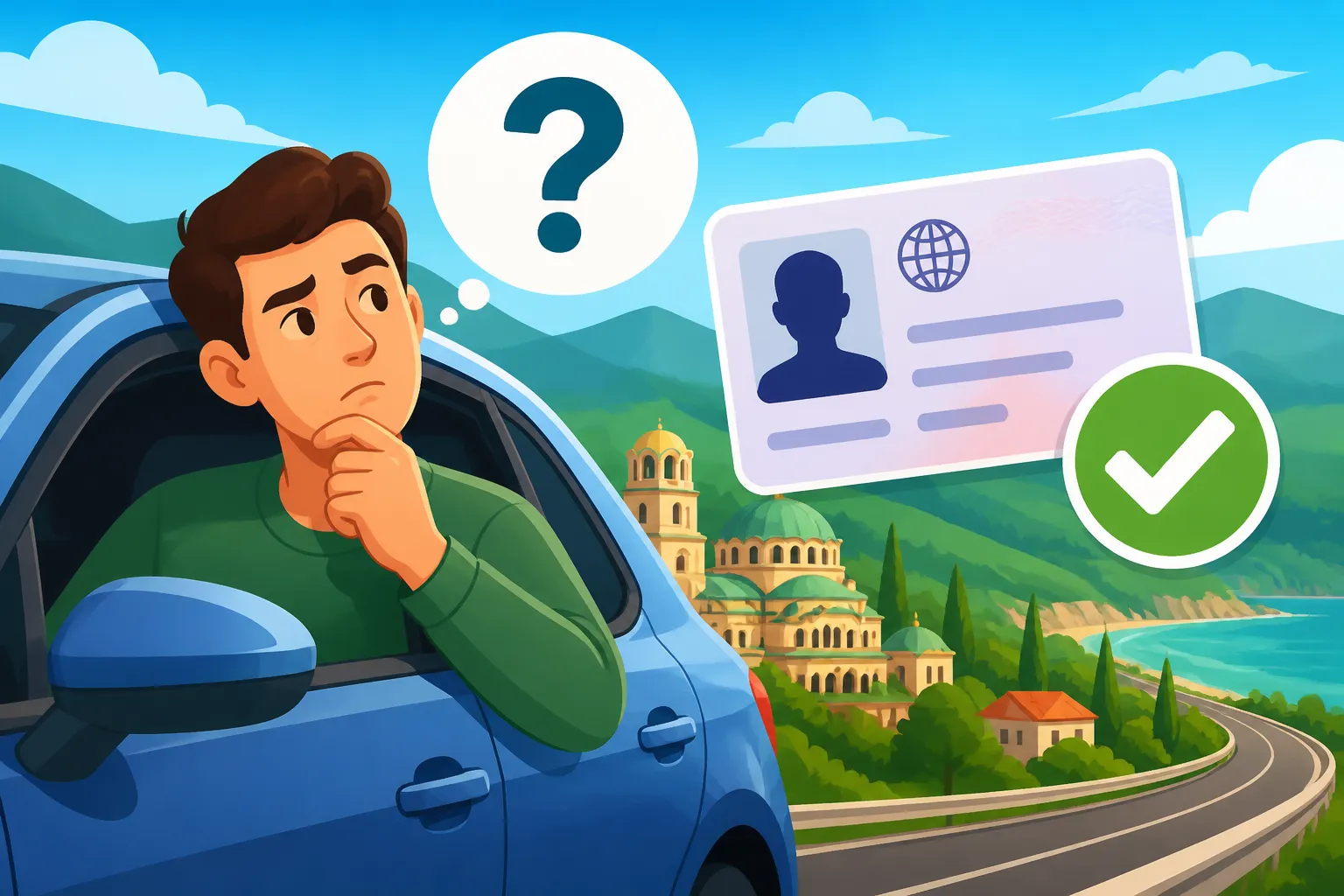
Moving to a new country like Bulgaria often comes with a heap of questions, and one of the most pressing for anyone considering getting behind the wheel is, "Can I actually drive here with my existing licence?" Navigating the local traffic laws and bureaucratic hurdles for drivers' licences can feel like a real maze, especially when you're still getting settled. This comprehensive guide is here to walk you through everything you need to know about using your foreign driving licence in Bulgaria, from initial legality to the full exchange process, ensuring you stay on the right side of the road and the law.
Understanding Your Foreign Driving Licence in Bulgaria
One of the first things that throws many expats and long-term visitors for a loop in Bulgaria is the seemingly ambiguous rules around foreign driving licences. It's not as simple as "yes" or "no"; it really depends on where your licence comes from and, crucially, how long you plan to be a resident here. Let's break down the nuances that often catch people out.
Initial Period for Tourists and Short-Term Visitors
If you're just popping over to Bulgaria for a holiday, a short business trip, or a brief visit, things are generally quite straightforward, but it's vital to know the limits.
For those of you holding a driving licence issued by an EU/EEA member state (that’s the European Union and European Economic Area, which includes Iceland, Liechtenstein, and Norway), you're in luck! Your licence is fully recognised in Bulgaria for as long as it's valid, even if you become a resident. There's no immediate requirement to exchange it, which is a huge relief for many newcomers. You can simply continue using your existing licence without any additional paperwork, provided it's current and valid. Just make sure you carry it with you at all times, along with your passport or ID and your vehicle's registration and insurance documents.
However, if your licence hails from outside the EU/EEA, the rules tighten up a bit. Generally, tourists and short-term visitors from non-EU/EEA countries can use their national driving licence for up to 90 days within any 180-day period. This is assuming your licence is valid, accompanied by an international driving permit (IDP) if it's not in a commonly understood language (like English, German, or French), and that your home country has signed the Vienna Convention on Road Traffic (1968) or the Geneva Convention on Road Traffic (1949). If your licence is in Cyrillic, Latin, or another alphabet that is easily recognisable, you might get by without an IDP, but it's always safer to have one. The IDP essentially acts as a certified translation of your licence. Think of it as your temporary passport for the roads.
Let's imagine you've just arrived from Canada for a two-month summer holiday, planning to explore the Black Sea coast and then the mountains. You can absolutely use your Canadian licence, but it's strongly recommended to also carry an International Driving Permit. This prevents any confusion if you're stopped by the local police, who may not be familiar with the format of your original licence. Once your 60-day adventure is over and you head home, the clock resets on that 90-day allowance.
The 185-Day Rule for Residents
Now, this is where things get serious for anyone considering a longer stay or becoming a resident. The 90-day tourist rule absolutely does not apply if you intend to reside in Bulgaria. For residents, there's a crucial rule known as the "185-day rule." This stipulates that if you establish normal residence in Bulgaria, you are generally required to exchange your foreign driving licence for a Bulgarian one within 185 days of taking up residency.
What constitutes "normal residence"? It essentially means the place where you usually live for at least 185 days in a calendar year due to personal and occupational ties, or, in the case of a person with no occupational ties, due to personal ties which show close links between that person and the place where they are living. So, if you've moved here, got a job, rented an apartment, and are settling in, you've established normal residence. This applies even if your licence is from an EU/EEA country – although the exchange isn't mandatory for EU/EEA citizens, it's highly recommended, and often easier for administrative purposes. For non-EU/EEA citizens, after 185 days of residency, it becomes a legal obligation to obtain a Bulgarian licence.
Ignoring this rule can land you in serious hot water. Your foreign licence, if not exchanged within the 185-day window, will effectively become invalid for driving in Bulgaria as a resident. This means if you get stopped by the police, you'll be considered as driving without a valid licence in Bulgaria, which carries significant penalties.
What Happens If You Ignore the Rules?
Trust me, you don't want to find out the hard way what happens if you disregard the driving licence regulations in Bulgaria. It's not just a slap on the wrist.
Firstly, if you're caught driving beyond the allowed period with an unexchanged non-EU/EEA licence (or if you're an EU/EEA citizen who has established residency and your licence expires without renewal/exchange), you'll be treated as driving without a valid licence. This typically results in hefty fines, and in some cases, your vehicle could even be impounded. I've heard stories from fellow expats who thought they could push their luck, only to face a complicated and expensive bureaucratic nightmare involving police stations and impound lots. It's a massive headache and completely avoidable.
Secondly, and perhaps more critically, your car insurance might be invalidated. Most insurance policies have clauses stating that the driver must hold a valid driving licence for the country where the accident occurs. If you're involved in an accident and it's discovered that your licence is no longer considered valid for residents, your insurance company could refuse to pay out. This means you'd be personally liable for all damages, medical expenses, and potential legal fees, which could run into tens of thousands of Bulgarian Leva, or even more. That’s a risk no one should take.
Lastly, and this is often overlooked, it can create significant issues with other administrative tasks. For instance, if you're trying to prove residency or even apply for certain services, having all your official documents, including your driving licence, in order for Bulgaria just makes everything smoother. It demonstrates that you’re a responsible resident adhering to local laws. So, while it might seem like a bit of a hassle initially, getting your licence sorted promptly after establishing residency is one of those crucial steps that saves you a lot of grief down the line. It's part of the comprehensive guide to Driving in Bulgaria: Licences, Registration and Rules for Expats (2027) that every expat should consult.
Exchanging Your Foreign Licence for a Bulgarian One
So, you’ve settled in and know you need to get that Bulgarian licence. The process varies significantly depending on whether your original licence is from an EU/EEA country or a non-EU/EEA country. Let's delve into the specifics, because a little preparation goes a long way in Bulgaria's administrative offices.
EU/EEA Licences: A Simpler Path
For those holding a driving licence from an EU or EEA member state, the process is considerably less painful, thankfully. As I mentioned, you can technically use your EU/EEA licence for as long as it’s valid, even as a resident. However, it's highly, highly recommended to exchange it for a Bulgarian one, especially if your licence is due to expire soon or if you're dealing with anything official where a local ID is preferred. Many expats find it easier for things like Understanding Car Insurance and Registration in Bulgaria if they have a local licence.
The exchange process for EU/EEA citizens is generally a simple administrative procedure, not a re-test. You'll need to head to the local Traffic Police (КАТ – KAT) office, which falls under the Ministry of Interior (Министерство на вътрешните работи – MVR).
Here’s a general idea of the documents you'll typically need:
- Your original EU/EEA driving licence: This will be surrendered upon exchange.
- Your Bulgarian ID card (лична карта) or residence permit (удостоверение за пребиваване): Proof of your residency status.
- Medical certificate (медицинско свидетелство): This is a standard requirement for all drivers in Bulgaria and involves a visit to a GP and specialist doctors to confirm you're fit to drive.
- Psychological evaluation (психологическо изследване): For professional drivers, but sometimes requested for private drivers, so it's good to be aware.
- Proof of address registration (адресна регистрация): Typically a document from the municipality or a utility bill in your name.
- Application form: Available at the KAT office.
- Payment for the state fees.
While you don't have to exchange it, having a Bulgarian licence can simplify interactions with local authorities, rental car agencies, and insurance companies. Plus, if your original licence is lost or stolen, getting a replacement from your home country while living in Bulgaria can be a monumental headache. Exchanging it ties you more firmly into the local system.
Non-EU/EEA Licences: The More Complex Route
This is where it gets a bit trickier, so brace yourself. For non-EU/EEA licence holders, the path to a Bulgarian driving licence can range from a relatively simple exchange to a full re-take of both theory and practical driving tests. It all hinges on whether Bulgaria has a bilateral agreement with your home country for mutual recognition of driving licences.
Countries with Bilateral Agreements: If your country has such an agreement with Bulgaria, you may be able to exchange your licence without taking any tests. This is a huge win! Examples of countries that have historically had such agreements include Turkey, Ukraine, Russia, and some others, but these agreements can change. It is absolutely crucial to verify the current status of these agreements by checking directly with the Bulgarian Ministry of Interior or the Bulgarian embassy in your home country. Don't rely on outdated information! The documents required will be similar to the EU/EEA exchange, but often with additional requirements like official translations and legalisations of your original licence. You'll still need that medical certificate and proof of residency.
Countries Without Bilateral Agreements: For licences from countries without a bilateral agreement (e.g., USA, Canada, Australia, UK post-Brexit, etc.), you're unfortunately looking at the full process: you’ll need to pass both the theoretical (written) and practical (driving) exams in Bulgaria. This means essentially going through the Bulgarian driving school system, much like a brand-new driver.
The process typically involves:
- Registering with a driving school: You’ll need to attend theoretical lessons (usually 40 hours) and practical driving lessons (at least 31 hours).
- Medical and psychological evaluations: Mandatory before you can even begin.
- Passing the theoretical exam: This covers Bulgarian road rules, signs, and traffic regulations. It’s typically a computer-based test and can be challenging due to the language barrier if not offered in English.
- Passing the practical driving exam: This is a supervised drive with an examiner, testing your driving skills and adherence to traffic laws.
This can be a lengthy and costly process, involving significant time commitment and fees for lessons and tests. Many expats hire translators or use driving instructors who speak English to help them through it. This is definitely one of those administrative hurdles that requires patience and persistence. If you're navigating this, consider checking the advice in How to Exchange or Use a Foreign Driver's Licence in Bulgaria.
Essential Documents and Where to Go
Regardless of whether you're exchanging or taking a full test, getting your documents in order is half the battle. This is Bulgaria, so assume you’ll need more than you think, and that everything needs to be perfectly in order.
Standard Documents for All Applicants:
- Valid Foreign Driving Licence: Original, and for non-EU/EEA, often with an official sworn translation (легализиран превод).
- Bulgarian ID Card (лична карта) or Residence Permit: Essential proof of identity and legal residency. For new arrivals, this would be your temporary residence permit.
- Medical Certificate (медицинско свидетелство): Obtainable after a series of examinations by various specialists (GP, ophthalmologist, neurologist, etc.). This needs to be specifically for a driving licence application.
- Proof of Address Registration (адресна регистрация): A document confirming your current address, issued by your local municipality.
- Passport-sized photos: Usually 2-3, recent and conforming to Bulgarian standards.
- Application Form: Filled out at the Traffic Police (KAT) office.
- State Fees: Paid at the office or a bank branch nearby.
Additional Documents (Depending on Licence Origin):
- International Driving Permit (IDP): Highly recommended for non-EU/EEA licences that are not in Latin script.
- Psychological Evaluation (психологическо изследване): If required for your specific licence category or circumstances.
- Proof of completed driving school: For those taking the full Bulgarian driving test.
Where to Go:
All matters related to driving licences are handled by the Traffic Police (КАТ / KAT), which is part of the Ministry of Interior (МВР). You need to visit the KAT office corresponding to your registered address in Bulgaria. For instance, if you live in Sofia, you'd go to the Sofia KAT office. Finding the exact department and navigating the queues can be an experience in itself, so go prepared for a wait and potentially a little back-and-forth. It's often helpful to bring a Bulgarian-speaking friend or hire a local assistant for the day to help with translations and understanding the procedures. This administrative step is a core part of The Complete Guide to Moving to Bulgaria: Your First 90 Days (2027).
Driving Safely and Legally in Bulgaria
Getting your licence sorted is a huge step, but it’s just the beginning. Understanding and adhering to Bulgarian road rules, along with ensuring your vehicle is properly registered and insured, is equally crucial for a safe and legal driving experience. The roads here have their own quirks, and being prepared means knowing what to expect.
Road Rules and Regulations You Must Know
Bulgaria follows continental European road rules, but there are certain specifics that can trip up even experienced drivers.
- Driving Side: Bulgarians drive on the right-hand side of the road, and overtake on the left.
- Speed Limits: Generally, speed limits are:
- 50 km/h in urban areas
- 90 km/h outside urban areas
- 140 km/h on motorways (автомагистрала) for cars, and 130 km/h for certain vehicle categories or new drivers. Always pay attention to signs, as these can vary.
- Alcohol Limit: Bulgaria has a zero-tolerance policy for driving under the influence of alcohol. The legal blood alcohol content (BAC) limit is 0.05%, which essentially means any alcohol consumption before driving is risky. Penalties are severe, including heavy fines, licence suspension, and even imprisonment. Don't even think about having "just one drink."
- Daytime Running Lights: Headlights must be switched on at all times, even during the day, regardless of weather conditions. This is a common requirement in many Eastern European countries.
- Seatbelts: Mandatory for all occupants of the vehicle, front and back seats.
- Mobile Phones: Using a handheld mobile phone while driving is strictly prohibited. Hands-free systems are allowed.
- Right-of-Way: Trams usually have priority. At uncontrolled intersections, traffic from the right has priority. Always be extra cautious, especially in smaller towns, as priority rules can sometimes feel more like suggestions.
- Parking: Parking in urban areas often requires payment via SMS or a parking ticket machine. Look for blue (short-term) or green (longer-term) zones. Illegal parking can lead to fines and even your car being towed.
- Pedestrian Crossings: Drivers must yield to pedestrians at marked crossings. However, don't assume pedestrians will always follow rules, and vice-versa. Be extra vigilant.
Police checkpoints are common, especially on major routes and around holidays. Always be courteous and cooperative if stopped.
Vehicle Registration, Insurance, and Vignette
If you're planning to buy a car in Bulgaria, you'll need to understand these crucial elements. Even if you're just renting, you should be aware that the vehicle you're driving must comply. If you’re considering buying, make sure to read How to Buy a Car as a Foreigner in Bulgaria.
- Third-Party Liability Insurance (Гражданска Отговорност – Grazhdanska Otgovornost): This is absolutely mandatory for all vehicles registered and driven in Bulgaria. It covers damages you might cause to third parties (other vehicles, property, or individuals) in an accident. Without it, you cannot legally drive. You can purchase this from various insurance companies like DZI, Lev Ins, Uniqa, or Bulstrad. Costs vary based on the vehicle type, engine size, and driver's age/experience.
- Road Vignette (Винетка – Vinetka): This is an electronic toll sticker required for using most public roads outside urban areas, including motorways, expressways, and first/second class roads. It’s essentially a road tax. You can buy daily, weekly, monthly, quarterly, or annual vignettes online via the official website (bgtoll.bg), at petrol stations, or at border crossings. Penalties for driving without a valid vignette are significant. This is thoroughly explained in Understanding the Vehicle Inspection and Road Vignette in Bulgaria.
- Vehicle Registration: If you purchase a car, you must register it with the Traffic Police (KAT) in your district. This involves several steps, including a technical inspection, payment of local taxes, and obtaining Bulgarian licence plates. The process for How to Register and License a Car in Bulgaria can be quite bureaucratic, so prepare documents like your personal ID, proof of address, the vehicle's purchase contract, and the previous registration documents if buying a used car.
What to Carry in Your Car
Apart from your valid driving licence (Bulgarian or legally recognized foreign one), vehicle registration certificate, and insurance policy, there are several mandatory items you must carry in your car at all times when driving in Bulgaria. If you're stopped by the police and are missing any of these, you'll face a fine.
- First-Aid Kit (Аптечка): A properly stocked first-aid kit is mandatory.
- Fire Extinguisher (Пожарогасител): A small, operational fire extinguisher is also a legal requirement.
- Reflective Safety Vest (Светлоотразителна жилетка): This must be worn by anyone exiting a vehicle on the roadside in case of a breakdown or accident, especially outside urban areas or at night. It should be easily accessible, not tucked away in the boot.
- Warning Triangle (Авариен триъгълник): Required to be placed behind your broken-down vehicle to warn other drivers.
Make sure these items are present, easily accessible, and in good condition. It's not just about avoiding a fine; it's about your safety and the safety of others in an emergency.
Practical Tips and Common Pitfalls
Moving to and driving in Bulgaria, particularly if you’re from outside the EU/EEA, can feel like a gauntlet of administrative tasks and cultural adjustments. A little foresight and preparation can save you a lot of grief.
Navigating Bureaucracy and Language Barriers
Ah, Bulgarian bureaucracy! It’s a rite of passage for every expat. Dealing with the Traffic Police (KAT) or any government office often requires a deep breath and a large dose of patience.
- Patience is a Virtue: Expect queues, multiple windows, and potentially being sent from one office to another. Don't go on a tight schedule.
- Language Barrier: While more people in urban areas, especially younger generations, speak English, don't assume it for all officials, particularly in smaller towns or at older bureaucratic institutions like KAT. Many forms will be exclusively in Bulgarian.
- Bring a Bulgarian Speaker: If your Bulgarian isn't fluent, bringing a trusted Bulgarian-speaking friend, colleague, or even hiring a professional translator for the day can be invaluable. They can help you understand instructions, fill out forms correctly, and communicate your needs clearly.
- Prepare All Documents Meticulously: This cannot be stressed enough. Bring originals, multiple photocopies, and any official translations or legalisations you might need. Have them organised. If a document isn't perfectly in order, you'll be sent away. Always double-check requirements before you go, preferably from an official source or an expat group.
- Check Opening Hours: Government offices often have specific working hours for citizens, and these can be quite restrictive (e.g., only open certain days or for limited hours in the afternoon). Always check before you make the trip.
Dealing with Traffic Police
Encounters with traffic police can be daunting for foreigners, but knowing what to expect can ease the process.
- Be Polite and Cooperative: Always maintain a respectful and cooperative attitude. A friendly demeanor goes a long way.
- Show Your Documents: If stopped, you'll be asked for your driving licence, vehicle registration (талон на колата), and insurance (застраховка). Have them ready.
- No On-the-Spot Payments: If you are issued a fine, never pay it directly to the police officer. Fines are to be paid at a bank or post office, or sometimes online. If an officer suggests otherwise, it's a red flag.
- Ask for Clarity: If you don't understand why you've been stopped or what the infraction is, politely ask for clarification. If there's a language barrier, a police officer might try to find a colleague who speaks English, or you may be able to use a translation app.
- Know Your Rights: While it's important to cooperate, it's also good to be aware of basic rights. For serious issues, you might have the right to legal counsel.
Most traffic police are simply doing their job to enforce laws and ensure safety, so a calm and respectful approach is usually the best strategy.
Alternative Transportation Options
While having your own car offers freedom, it's not the only way to get around Bulgaria. Sometimes, especially in major cities, public transport can be a more relaxing and efficient option. If you decide to go car-free, you'll want to ensure you have good mobile data. Many expats use services like Airalo for eSIMs, which provide easy access to mobile data without needing a local SIM card immediately, perfect for navigating public transport apps or ride-sharing services.
- Public Transport: Major cities like Sofia, Plovdiv, and Varna have extensive public transport networks. Sofia, for instance, boasts a modern metro system, as well as trams and buses. Learning how to navigate it can save you money and the hassle of parking. Find out more about The Expat Guide to Public Transport in Bulgaria.
- Taxis & Ride-Sharing: Taxis are readily available and generally affordable, especially compared to Western Europe. Use reputable companies like Yellow! Taxi in Sofia (you can use their app) or TaxiMe. Be cautious of unmarked taxis or those that don't use a meter. Ride-sharing apps are also gaining popularity.
- Intercity Buses & Trains: For travel between cities, an extensive network of intercity buses operates, often more frequently and sometimes faster than trains for certain routes. Bulgarian State Railways (BDZ) offers train services, which can be scenic but sometimes slower.
- Cycling: In some cities, cycling infrastructure is slowly improving, but it's not as prevalent or safe as in many Western European countries. Be extremely cautious if cycling on main roads.
Considering a move to Bulgaria with or without a car? Services like Sirelo can help you compare quotes from international moving companies, making the transition smoother regardless of your transport plans. They can assist with everything from packing to customs, alleviating some of the stress of an international move so you can focus on getting your driving logistics sorted once you arrive.
| Licence Origin | Initial Period for Tourists/Visitors | Residents (185-day rule) | Exchange Process | Notes |
|---|---|---|---|---|
| EU/EEA | Fully valid as long as current | Recommended to exchange | Administrative exchange; no tests. Surrender old licence. | Easiest path. Medical certificate required. |
| Non-EU/EEA (with bilateral agreement) | Up to 90 days (with IDP) | Mandatory to exchange | Administrative exchange; no tests. Official translations needed. | Verify current agreements with Ministry of Interior. |
| Non-EU/EEA (without bilateral agreement) | Up to 90 days (with IDP) | Mandatory to exchange/obtain new licence | Full Bulgarian driving school, theory, and practical tests. | Most complex path. Requires significant time and effort. |
Disclaimer
The information provided in this guide is intended for general informational purposes only and does not constitute legal or professional advice. While we strive to keep the information accurate and up-to-date, laws and regulations in Bulgaria, particularly concerning driving licences and residency, can change. It is highly recommended that you consult with the official Bulgarian authorities, such as the Ministry of Interior (KAT) or a legal professional specializing in immigration and traffic law, for the most current and specific advice pertaining to your individual circumstances. We cannot be held responsible for any errors or omissions, or for any actions taken based on the information provided herein.