How Do I Pay My Electricity Bill in Bulgaria?
One of the first things that hits you when you move to Bulgaria, after the initial excitement of a new place, is the mountain of administrative tasks. And let's be honest, figuring out how to pay your electricity bill in a new language and with unfamiliar systems can feel like a daunting puzzle. It's not just about finding the right office; it's about understanding the bill itself, the payment methods, and what to do when things inevitably go a little sideways. This comprehensive guide is here to demystify the process, walking you through everything you need to know about settling your electricity bills in Bulgaria.
Understanding Electricity Providers in Bulgaria
Unlike some countries where you might have a choice of providers, Bulgaria operates on a regional monopoly system for electricity distribution and supply. This means your provider is determined by where you live, and you won't have the option to switch. It’s essential to know who your supplier is because that will dictate whose bill you’re paying and, often, which online portals or physical offices are relevant to you.
The Major Players and Regional Monopolies
Across Bulgaria, there are three primary electricity distribution and supply companies that you'll encounter. Each serves a specific geographical area, and their names will become as familiar as the street names in your neighbourhood once you settle in.
First, you have EVN Bulgaria, which predominantly covers the southeastern part of the country, including major cities like Plovdiv, Stara Zagora, and Burgas. If you're living in this picturesque region, your electricity bill will likely bear the EVN logo. Their customer service and online portals are tailored to their specific services and systems, so it’s important to familiarize yourself with their resources.
Next, there's CEZ Distribution Bulgaria (now often referred to by its new brand name, Electrohold Sales or Electrohold Group for the supply part), which serves the western part of Bulgaria. This includes the capital, Sofia, and many of the surrounding regions. Given Sofia's expat population, many foreign residents will interact with Electrohold for their electricity needs. Their systems, like those of EVN, are region-specific, and their billing formats can initially seem a little complex if you’re not used to them.
Finally, Energo-Pro Varna (or Energo-Pro Sales) covers the northeastern parts of Bulgaria, including cities like Varna, Dobrich, and Shumen. If your Bulgarian adventure takes you to the Black Sea coast or the fertile plains of the northeast, Energo-Pro will be your go-to for electricity. Each of these companies manages its own infrastructure, meter readings, billing cycles, and customer support. Understanding which one services your area is the very first step in confidently handling your electricity payments. This initial geographical understanding is crucial, similar to how you’d determine which local council manages your bins – it’s a regional affair!
Deciphering Your Electricity Bill
Once you get your hands on that first electricity bill, it can look like a maze of numbers and Cyrillic script. Don't panic! It’s actually quite logical once you know what to look for. The bill will typically arrive monthly, either physically in your mailbox or as a digital notification if you’ve registered for online services.
Key sections to identify include:
- Period of Consumption (Период на потребление): This indicates the dates for which the electricity usage is being billed. It’s usually a one-month cycle.
- Customer Number (Абонатен номер): This is your unique identifier. You’ll need this for almost any interaction with your provider, whether paying in person or online. Make sure you have it handy.
- Meter Reading (Отчет на електромера): This section shows the start and end readings for the billing period. Bulgaria often uses different tariffs for peak (daytime) and off-peak (nighttime) usage, so you might see separate readings for "дневна" (day) and "нощна" (night). If your meter is read automatically or by a company representative, it will be labeled "факт" (actual). Sometimes, the bill might show an "прогнозен" (estimated) reading if an actual reading wasn't taken.
- Consumption (Потребление): This is the total amount of electricity consumed in kilowatt-hours (kWh) during the billing period, broken down by day and night tariffs. This is where your actual usage is quantified.
- Unit Price (Единична цена): This displays the cost per kWh for both day and night tariffs. It might also include separate charges for "мрежови услуги" (network services) and VAT ("ДДС").
- Total Amount Due (Обща сума за плащане): The grand total you owe, usually clearly marked.
- Due Date (Краен срок за плащане): The deadline by which your payment must be received to avoid late fees or, worse, disconnection.
Understanding these sections is your first line of defense against feeling overwhelmed. Keep an eye on your consumption and meter readings especially, as these are the areas where discrepancies can arise. If you’ve just moved in, your initial bills might be estimated, so it’s good to get an actual reading confirmed as soon as possible. When you’re trying to set up your home, figuring out all these nuances can be a lot, but services like Sirelo can offer helpful moving checklists that include utility setup.
Step-by-Step Guide to Paying Your Electricity Bill
Once you understand your bill, the next hurdle is actually paying it. Bulgaria offers several convenient methods, catering to both the technologically savvy and those who prefer a more traditional, in-person approach.
Traditional Payment Methods
For those who like to handle their bills face-to-face, or simply haven't got their online banking fully sorted yet, traditional methods are readily available and widely used.
EasyPay (Изипей): This is by far the most popular and convenient cash payment system in Bulgaria, and you'll find EasyPay offices everywhere – in small kiosks, supermarkets, and dedicated branches. It's essentially a payment processing network where you can settle utility bills, taxes, and even transfer money. To pay your electricity bill at an EasyPay office, all you need is your customer number (абонатен номер). Simply tell the cashier you want to pay "ток" (tok, meaning electricity), provide your customer number, and they will pull up your outstanding balance. You pay in cash, receive a printed receipt, and you're done. The payment is processed almost instantly. It’s incredibly efficient, and many expats swear by it for its speed and ubiquity. Even if your Bulgarian isn't perfect, just saying "Tok, абонатен номер [your number], моля" (Tok, customer number [your number], please) will usually get the job done.
Banks (Банки): You can also pay your electricity bill directly at the counter of most major Bulgarian banks, such as DSK Bank, UniCredit Bulbank, or Raiffeisenbank. This usually requires you to fill out a payment slip (платежно нареждане) with your customer number, the amount, and the recipient's details (your electricity provider). While reliable, this method can be slower and often involves longer queues compared to EasyPay. Some banks might also charge a small fee for processing utility payments for non-account holders. If you have an account with the bank, you can usually pay through their online banking portal, which we'll cover next.
Bulgarian Post Offices (Български пощи): Similar to banks, Bulgarian post offices also offer bill payment services. The process is much like paying at a bank, requiring you to present your bill or customer number and often fill out a form. Post offices can be a good option in smaller towns where EasyPay might not be as prevalent, but again, expect potential queues and a slightly slower process.
Online Payment Solutions
For many expats, especially those used to managing everything from their phone or laptop, online payment methods are a godsend. They offer convenience, speed, and the ability to pay from anywhere.
Utility Provider Portals: Each of the major electricity providers – EVN, Electrohold (CEZ), and Energo-Pro – has its own dedicated online portal where you can register your customer number and manage your account. Once registered, you can view your bills, track consumption, and make payments using a debit or credit card. This is often the most direct way to pay and provides the most detailed information about your usage. However, navigating these portals might require some basic Bulgarian language skills or reliance on browser translation tools, though many now offer English interfaces. Setting this up is one of the key tasks when moving in, and ensuring you have stable internet (or a reliable eSIM from a provider like Airalo for mobile data) is crucial for this.
Bank Mobile Apps and Online Banking: If you've already opened a bank account in Bulgaria, your bank's online platform or mobile app will almost certainly offer a utility bill payment service. Banks like DSK, UniCredit Bulbank, and Raiffeisenbank have robust online banking systems. Typically, you can add your electricity provider as a payee and then set up a one-time payment or a recurring direct debit. This method is highly secure and integrated with your finances. It’s also often free of charge if you’re paying from your own bank account.
Third-Party Payment Platforms: Beyond the provider-specific portals and bank apps, there are also general online payment platforms popular in Bulgaria, such as ePay.bg. These platforms allow you to register multiple utility accounts and pay all your bills from one central place. They often integrate with various banks and payment cards, offering a flexible option. Registration for these services usually involves a one-time setup and verification.
Setting Up Direct Debits for Peace of Mind
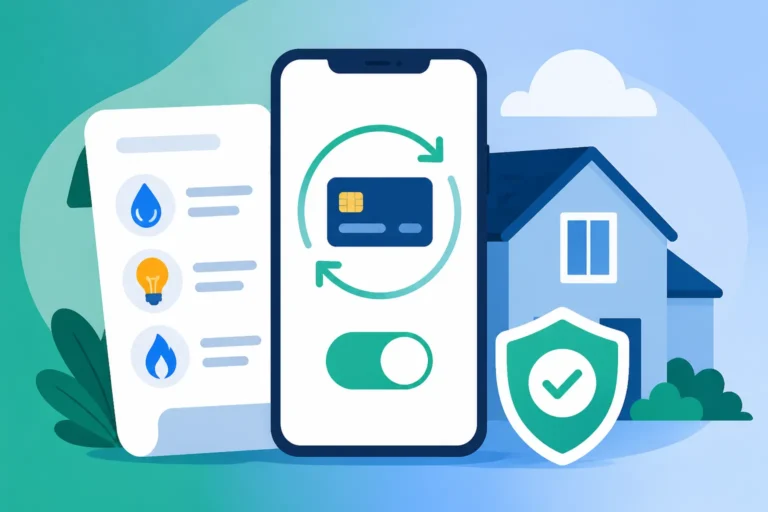
If you’re planning to stay in Bulgaria for the long haul, setting up a direct debit (автоматично плащане or директен дебит) for your electricity bill is highly recommended. It automates the payment process, ensuring your bills are always paid on time and freeing you from the monthly chore of remembering due dates.
You can usually set this up through your Bulgarian bank's online banking portal or by visiting a branch in person. You'll need your customer number and the name of your electricity provider. The bank will then automatically deduct the bill amount from your account each month on or before the due date. This service is usually free and offers unparalleled convenience. For me, automating these sorts of payments was a huge relief when I first moved here; it’s one less thing to worry about when you're still figuring out things like How to Open a Bank Account at a Bulgarian Bank as a Foreigner and generally getting settled.
Navigating Common Expat Challenges with Electricity Bills
Even with a clear understanding of the payment methods, expats often face specific challenges when dealing with electricity bills in Bulgaria. Being prepared for these can save you a lot of stress.
Understanding Meter Readings and Discrepancies
One of the most frequent sources of confusion for newcomers is the meter reading process. In Bulgaria, meters are often located outside the property or in communal areas of apartment buildings. While some modern meters are smart and send readings automatically, many still require a technician to visit periodically.
- Estimated vs. Actual Readings: Sometimes, if a technician can't access your meter, or if there's a system issue, your bill might be based on an "estimated" reading (прогнозен отчет) rather than an "actual" one (фактически отчет). If you suspect an estimated bill is too high or too low, you have the right to challenge it. You can usually submit your own meter reading through the provider's online portal or by calling customer service. It’s a good habit to take a photo of your meter reading at the end of each month, just in case. This visual proof can be invaluable if a dispute arises.
- Checking Your Meter: Regularly checking your own meter will not only help you monitor your consumption but also allow you to compare it against the figures on your bill. Knowing your meter’s current reading is crucial if you ever need to contact customer service about a billing query.
Language Barriers and Customer Service
Let's be real, interacting with customer service in a foreign language can be incredibly frustrating. While many companies are becoming more expat-friendly, you might still encounter situations where Bulgarian is the only option.
- Online Portal Language Options: Start by checking if your electricity provider’s online portal has an English language option. Many do, or at least a rudimentary one that can be supplemented by browser translation tools.
- Calling Customer Service: When calling, be prepared for Bulgarian-speaking operators. If your Bulgarian isn't strong, try to have a Bulgarian friend or colleague help you. Alternatively, some larger companies, especially those serving areas with more expats (like Sofia, Varna, Plovdiv), might have a dedicated English-speaking line or an operator who can assist in English. Be patient and polite. Having your customer number and any relevant bill details (like the billing period and exact amount in question) ready will streamline the call.
- Visiting an Office: If online and phone communication proves difficult, visiting a physical customer service office of your provider is always an option. Bring your bill, your ID, and if possible, a Bulgarian-speaking friend. This face-to-face interaction can sometimes be the most effective way to resolve complex issues, especially when you’re dealing with something specific like a meter reading error or a billing adjustment.
What Happens If You Miss a Payment
Missing a payment, particularly when you’re still getting used to the system, is a common expat worry. The good news is that providers don't usually jump straight to cutting off your power after just one missed bill, but there are consequences.
- Late Fees: The first thing you'll notice is late fees (лихви за забава), which will be added to your next bill. These are usually a small percentage of the outstanding amount but can accumulate.
- Disconnection Notice: If payments continue to be missed for an extended period (typically a month or more past the due date), you will receive a formal notice of disconnection (предупреждение за прекъсване на електрозахранването). This notice will specify a deadline by which payment must be made to avoid service interruption. It's vital to act on these notices immediately.
- Reconnection Fees: If your electricity is disconnected, you'll need to pay the outstanding balance, any accumulated late fees, and an additional reconnection fee (такса за възстановяване на електрозахранването) before your service is restored. Reconnection can take some time, often within 24-48 hours after payment is confirmed, which can be a significant inconvenience.
My advice is always to address any missed payments as soon as you realise. The sooner you pay, the less hassle and cost you’ll incur. If you’re ever unsure about your payment status, use your online portal or pop into an EasyPay office – they can check if you have any outstanding bills with just your customer number. This is far better than waiting for a dreaded disconnection notice. It's also worth understanding what other Understanding Out-of-Pocket Healthcare Costs and Co-Payments in Bulgaria you might face, as being prepared financially for all aspects of life is key.
Practical Tips for Managing Your Electricity Consumption
Beyond just paying the bill, proactively managing your electricity usage can save you money and give you greater control over your household expenses. It’s all part of becoming a savvy resident in Bulgaria.
Monitoring Your Usage
Being aware of how much electricity you’re consuming is the first step towards managing it effectively. This isn’t just about the numbers on your bill; it’s about understanding your habits.
- Regular Meter Checks: Make it a habit to check your electricity meter at least once a week, or even daily if you're trying to track specific appliance usage. Note down the readings for both day and night tariffs. This simple act can reveal patterns in your consumption and help you pinpoint when you're using the most energy. You might notice, for example, a spike when you run the dishwasher late at night or use a particularly powerful heating appliance.
- Online Portal Data: Your electricity provider's online portal is usually a goldmine of information. Once you're registered, you can often view historical consumption data, sometimes even broken down by day or hour. This visual representation can be incredibly enlightening, showing you trends and helping you understand if your current month's bill is unusually high or low compared to previous periods. Using this data, you can set personal goals for reducing consumption.
- Smart Plugs and Energy Monitors: For the truly dedicated, investing in smart plugs or energy monitors can provide real-time data on individual appliance consumption. While not standard for everyone, these devices can be particularly useful for identifying energy hogs in your home, like an old fridge or certain heating elements.
Energy-Saving Strategies for Bulgarian Homes
Bulgarian homes, especially older apartments, can sometimes be less energy-efficient than what you might be used to. However, there are many practical steps you can take to reduce your consumption.
- Insulation and Drafts: Many older buildings in Bulgaria might have less-than-perfect insulation. Check for drafts around windows and doors, and consider sealing them with weather stripping or silicone caulk. Even thick curtains can make a difference in keeping heat in during winter and out during summer. If you’re renting, discuss options with your landlord. When you’re thinking about How to Prepare Your Home for a Bulgarian Winter, tackling drafts is always high on the list.
- Efficient Heating and Cooling: Heating and cooling are often the biggest energy consumers. During winter, consider setting your thermostat to a comfortable but not excessively warm temperature (e.g., 20-22°C during the day) and lowering it when you're out or asleep. Use programmable thermostats if you have them. For cooling in summer, rely on natural ventilation as much as possible, using air conditioning sparingly. Fans are much cheaper to run than AC units.
- Appliance Use: Be mindful of your appliance use. Run washing machines and dishwashers only when full, and consider using eco-friendly cycles. Unplug chargers and electronics when not in use, as they can draw "phantom" power. Replace old, inefficient light bulbs with LED alternatives, which consume significantly less electricity and last much longer.
- Water Heater Efficiency: Many Bulgarian homes use electric water heaters (болер). These can be major energy users. Consider installing a timer for your water heater so it only heats water when you need it, rather than constantly. Set the temperature to a reasonable level – you don’t need boiling hot water for every use.
Understanding Peak and Off-Peak Tariffs
One of the most effective ways to save on your electricity bill is to take advantage of Bulgaria's dual-tariff system. Electricity is typically charged at different rates depending on the time of day:
- Day Tariff (Дневна тарифа): This is the higher rate, usually applied during peak hours (e.g., from 7:00 AM to 10:00 PM).
- Night Tariff (Нощна тарифа): This is the lower, cheaper rate, applied during off-peak hours (e.g., from 10:00 PM to 7:00 AM).
By shifting your high-consumption activities to the night tariff period, you can significantly reduce your costs. For example:
- Run your washing machine and dishwasher after 10:00 PM.
- If you have an electric water heater, set its timer to heat water during the night hours.
- Charge electronics or electric vehicles (if applicable) during the night.
Not all meters are set up for dual tariffs, so check your bill for separate day and night readings. If you only see one reading, you’re on a single tariff. However, most residential properties in Bulgaria do have dual-tariff meters, so it's a fantastic opportunity to save money. Understanding these tariffs is like getting a cheat code for your budget, a small but impactful detail that contributes to your overall The Complete Guide to Cost of Living in Bulgaria for Expats.
Here's a quick overview of the most common ways to pay your electricity bill:
| Payment Method | Convenience | Speed of Processing | Required Info | Common Fees (approx.) | Notes |
|---|---|---|---|---|---|
| EasyPay Office | High | Instant | Customer Number | Low (0.50 – 1 BGN) | Widely available, cash payments, good for language barrier. |
| Bank Counter | Medium | 1-2 business days | Bill/Customer Number, ID | Variable (0-3 BGN) | Slower, potential queues, can be more formal. |
| Bulgarian Post Office | Medium | 1-2 business days | Bill/Customer Number, ID | Low (0.50 – 1 BGN) | Similar to banks, useful in rural areas. |
| Online Provider Portal | High | Instant | Customer Number, Card Info | Usually Free | Direct, detailed consumption data, often multi-lingual. |
| Bank Online/Mobile App | High | Instant | Customer Number | Usually Free | Secure, integrated with your finances, easy direct debit. |
| Third-Party Platforms (e.g., ePay.bg) | High | Instant | Customer Number, Card Info | Variable (0-1 BGN) | Consolidates multiple bills, requires registration. |
| Direct Debit | Very High | Automatic | Bank Account, Customer # | Usually Free | Set and forget, prevents late payments. |
Dealing with utilities in a new country can feel like a maze, but hopefully, this guide helps light the way for your electricity bills in Bulgaria. From understanding your provider and deciphering that initial bill to choosing a payment method that suits you and even making savvy choices about your consumption, you're now much better equipped. Remember, it's a learning curve, and every expat goes through it!
Disclaimer
The information provided in this guide is for general informational purposes only and does not constitute professional or legal advice. While we strive to keep the information up-to-date and accurate, utility procedures, fees, and regulations in Bulgaria can change. It is always recommended to consult official sources, your specific electricity provider, or a local expert for the most current and personalised advice.