Why Is the Cost of Living So Low in Bulgaria?
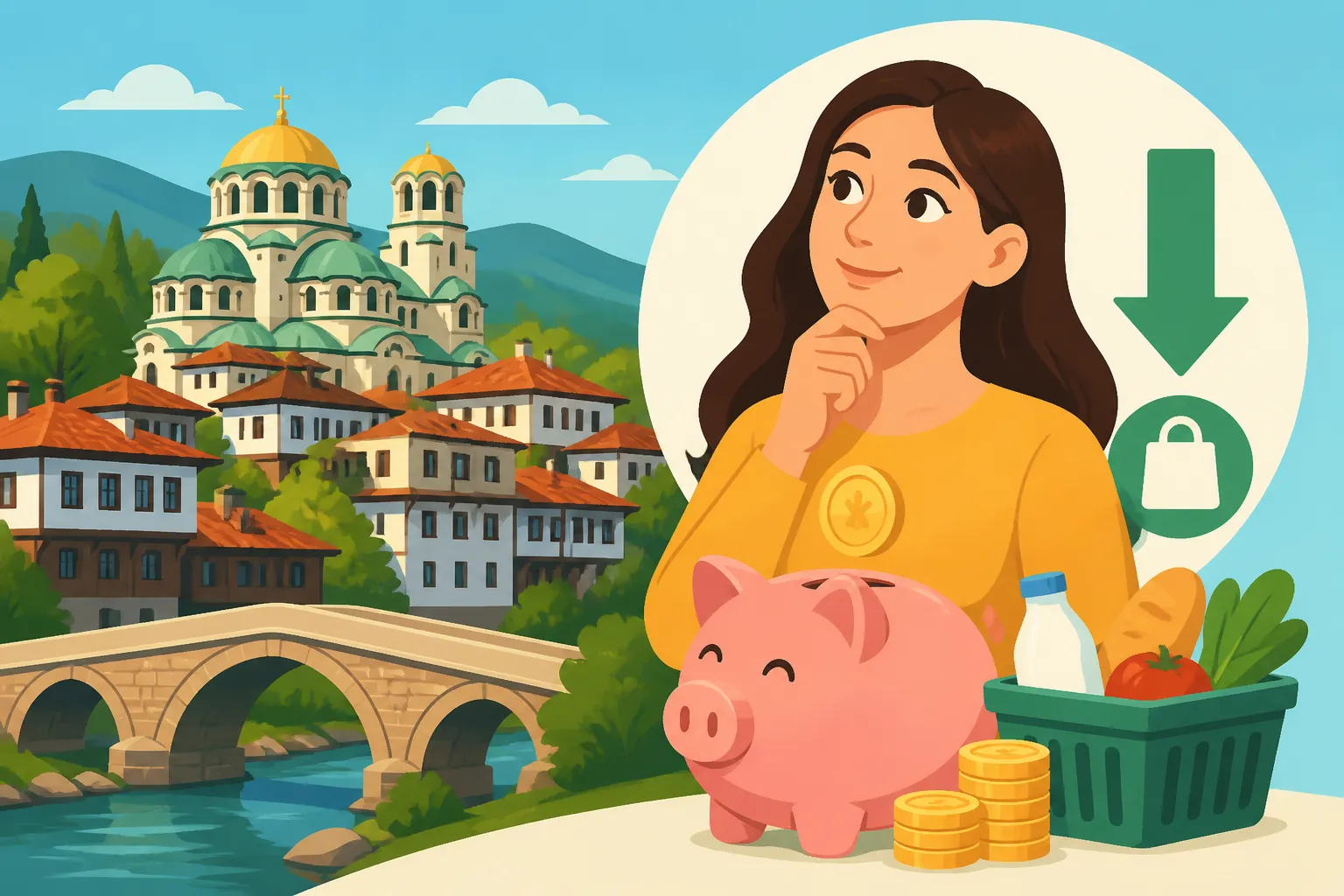
Moving to a new country always brings up the question of finances, and for many considering Bulgaria, the remarkably low cost of living here can seem almost too good to be true. You see the headlines, hear the whispers, and then you start to wonder: how is it really that affordable? Well, after years of navigating the ins and outs of Bulgarian life myself, I can tell you it's not a myth, and it's certainly not smoke and mirrors. This guide is going to peel back the layers and explain exactly why your money goes so much further in Bulgaria, from the big economic picture to the everyday expenses that genuinely surprise newcomers.
Economic Factors Shaping Bulgaria's Affordability
Bulgaria's position as one of the most affordable countries in the European Union isn't a happy accident; it's deeply rooted in a combination of historical events, economic policies, and the country's development trajectory. Understanding these foundational elements is key to grasping why your grocery bill looks so different here compared to back home.
Historical Context and Post-Communist Transition
To truly understand Bulgaria's economic landscape, you have to look back at its recent history. After the fall of communism in 1989, Bulgaria, like many Eastern Bloc countries, embarked on a challenging transition to a market economy. This period was marked by significant economic restructuring, privatization, and the gradual opening up to global markets. The process was not without its difficulties, including periods of high inflation and unemployment, which led to a sustained period of lower economic output and slower growth compared to its Western European counterparts.
This transition meant that infrastructure development, wage growth, and the accumulation of national wealth didn't accelerate at the same pace as in more established Western economies. Many industries had to be rebuilt or adapted, and consumer markets were still nascent. The echoes of this era continue to influence prices today, as the overall economic base and consumer spending power took time to develop, thus keeping local prices naturally lower. This economic recalibration shaped expectations and established a baseline for costs that remains attractive to expats looking for value.
Lower Average Wages and Income Levels
Perhaps the most significant factor contributing to Bulgaria's low cost of living is the average income level of its citizens. While expat salaries might often be benchmarked against Western standards, the local economy operates on a significantly lower wage scale. The minimum wage, while increasing, remains considerably lower than in most other EU member states, and average salaries across various sectors reflect this disparity.
This directly translates into lower prices for goods and services. Local businesses, from restaurants to hairdressers and independent shops, price their offerings to be accessible to the average Bulgarian earner. If wages were significantly higher, the prices would naturally rise to meet the increased purchasing power. For an expat earning a salary comparable to what they might earn in Western Europe or working remotely for an international company, this difference in wage structure means their income has substantially more buying power in Bulgaria. This economic arbitrage is what makes the country so attractive for those seeking a higher quality of life without the exorbitant costs. For those interested in deeper economic insights, a read of how much is the average salary in Bulgaria in 2026? might be enlightening.
Flat Tax Rate and Business Environment
Bulgaria stands out with its incredibly simple and appealing tax system, featuring a flat 10% personal income tax and a flat 10% corporate tax rate. This isn't just a boon for individuals; it significantly impacts the cost of doing business within the country, which in turn affects consumer prices. With lower tax burdens on companies, businesses face reduced operational costs compared to nations with complex, multi-tiered tax systems and higher corporate rates.
These savings can be passed on to consumers through more competitive pricing for goods and services. A simpler tax structure also means less administrative overhead for businesses, further contributing to overall efficiency and cost control. This environment fosters a certain level of economic activity and competition that benefits the consumer by keeping prices down. Understanding more about the tax landscape is crucial for any long-term expat, so diving into the nuances of The Complete Guide to Taxes in Bulgaria for Expats (2026) or understanding Income Tax and the Flat 10% Rate in Bulgaria (2026) can be immensely helpful.
Affordable Key Sectors: Housing, Food, and Transport
Beyond the macroeconomic factors, the everyday reality of affordability becomes clear when you look at core expenses like where you live, what you eat, and how you get around. These are often the biggest budget eaters in other countries, but in Bulgaria, they tell a very different story.
Housing Market Dynamics
One of the most noticeable differences for expats arriving in Bulgaria is the cost of housing. Whether you're looking to rent a cozy apartment in the city center or dreaming of buying a rustic house in the countryside, the prices are generally a fraction of what you'd find in major Western European cities. Several factors contribute to this. Firstly, Bulgaria has a considerable housing stock, including many older buildings that are still perfectly habitable but don't command premium prices. While modern developments are springing up, they haven't inflated the market to the same extent seen elsewhere.
Construction costs are also lower here, encompassing everything from materials to labor, which means new builds can be offered at more competitive rates. Demand, particularly from international buyers, is growing but hasn't yet outstripped supply to cause runaway price increases. Even in bustling cities like Sofia, Plovdiv, and Varna, you can find spacious apartments for surprisingly modest rents. This makes a huge difference in your monthly budget, freeing up funds for other pursuits. To get a better grasp on specific rental costs, checking out How Much Does It Cost to Rent an Apartment in Sofia in 2026? is highly recommended, and for those eyeing property ownership, Can Foreigners Buy Property in Bulgaria? offers valuable insights. When I first moved here, getting my belongings over was a big concern, and finding services like Sirelo that could help compare moving companies made the initial setup much less stressful, especially when considering the affordability of places to live.
Food and Groceries: Local Production and Markets
Bulgaria's rich agricultural tradition and fertile land play a huge role in keeping food costs down. A significant portion of the food consumed here is locally grown and produced, reducing import costs and transportation expenses. This means fresh, seasonal produce is readily available and incredibly affordable. Farmers' markets, known locally as pazari, are a vibrant cornerstone of Bulgarian life. Here, you can buy directly from producers, often getting better quality ingredients at prices far below what you'd pay in a supermarket, let alone in another country.
Even in larger supermarkets like Billa, Kaufland, and Lidl, prices for everyday staples like bread, dairy, meat, and vegetables are very reasonable. For example, a kilo of fresh tomatoes in season might cost you a couple of Bulgarian Leva (BGN), which is less than a euro. Meat and dairy, while perhaps a bit pricier than basic vegetables, are still far below Western European averages. Eating out also reflects this affordability, with a good meal at a local restaurant often costing less than a takeaway coffee and sandwich in London or Paris. This focus on local sourcing and community markets not only keeps costs low but also contributes to a healthier, more traditional diet.
Public Transport and Fuel Costs
Getting around Bulgaria, especially in its major cities, is remarkably cheap. Public transportation systems, encompassing buses, trams, and metro lines (in Sofia), are efficient and incredibly affordable. A single ride on the Sofia Metro or a bus will cost you a mere 1.60 BGN (around 0.80 EUR), and monthly passes are exceptionally economical, often less than 25 EUR. This stands in stark contrast to the often crippling public transport fares found in other European capitals. If you're planning on relying on city transit, understanding The Expat Guide to Public Transport in Bulgaria or How Do I Use the Metro in Sofia? will be invaluable.
For those who prefer to drive, while fuel prices have seen fluctuations, they generally remain lower than the EU average. The cost of owning and maintaining a car, including registration, insurance, and the annual road vignette, is also more budget-friendly. This combination means that whether you're commuting daily or taking weekend trips to the mountains or the Black Sea coast, transportation expenses won't put a significant dent in your wallet.
Services, Utilities, and Lifestyle Expenses
It's not just the big-ticket items that are cheaper; the savings extend into virtually every aspect of daily life, from keeping your home running to enjoying your free time. This pervasive affordability is what truly allows expats to stretch their budgets and enjoy a higher standard of living.
Utilities and Communications
Prepare to be pleasantly surprised by your utility bills in Bulgaria. The costs for essential services like electricity, water, and heating are significantly lower than in many other European countries. While prices vary depending on consumption, apartment size, and whether you're using central heating, air conditioning, or individual electric heaters, they are consistently a fraction of what you'd expect elsewhere. For a moderate apartment, a monthly bill for electricity, water, and internet might easily come in under 100-150 BGN (50-75 EUR) outside of the peak winter heating season.
Internet and mobile phone services are also fiercely competitive and offer excellent value. Providers like A1, Yettel, and Vivacom offer high-speed internet packages for as little as 20-30 BGN per month, often bundled with TV services. Mobile phone plans are equally affordable, with generous data allowances for minimal monthly fees. This low cost of staying connected and keeping your home comfortable is a huge advantage for expats. For a detailed walkthrough, explore The Expat Guide to Setting Up Utilities (Electricity, Water, Gas) in Bulgaria, or if you're just getting started with connectivity, How Do I Set Up Internet in My Bulgaria Home? is a good place to begin. Even for initial arrival, a temporary eSIM from a provider like Airalo can be a lifesaver for staying connected before sorting out a local plan.
Healthcare and Education
While both public healthcare and state education in Bulgaria have their unique characteristics, they are undeniably more affordable than in many Western nations. The National Health Insurance Fund (NHIF) provides a basic level of care that is accessible to all contributors, and monthly contributions are generally quite low, especially compared to private insurance premiums in other countries. Even private healthcare, which offers shorter wait times and more personalized care, is still very reasonably priced compared to private options abroad.
For families, state education is free, and while it operates primarily in Bulgarian, it provides a solid foundation. International schools, catering to expat families with English or other foreign language curricula, exist in major cities and, while certainly more expensive than state schools, are still often more affordable than their counterparts in other European capitals. This blend of low-cost public services and relatively affordable private alternatives helps keep overall family living costs manageable. Delve deeper into the healthcare system with The Complete Guide to Healthcare in Bulgaria for Expats (2027), or for schooling options, see Schools and Education in Bulgaria: A Complete Guide for Expat Families.
Entertainment and Leisure
The cost of living low doesn't mean sacrificing your social life or hobbies in Bulgaria; quite the opposite. Entertainment and leisure activities are surprisingly affordable, allowing for a vibrant lifestyle without breaking the bank. Dining out is one of the most obvious examples: a good quality meal at a mid-range restaurant in Sofia can easily be enjoyed for 15-25 BGN (7.5-12.5 EUR), including a drink. This means that eating out isn't a rare luxury but often an everyday possibility.
Cultural events, such as theater tickets, cinema outings, and museum entries, are similarly inexpensive. A cinema ticket might cost 8-12 BGN, while museum entry fees are often just a few leva. Even personal services, like haircuts, manicures, and massages, are remarkably affordable, making self-care accessible to everyone. Gym memberships, yoga classes, and other fitness activities are also priced very competitively. The overall affordability of these lifestyle elements means you can indulge in a richer social and cultural life without the constant worry of your budget.
Navigating the Low Cost of Living as an Expat
While the low cost of living is a major draw for expats in Bulgaria, it's also important to approach it with a realistic perspective. Understanding potential challenges and knowing how to maximize your budget will ensure a smoother and more enjoyable experience.
Potential Pitfalls and Hidden Costs
While Bulgaria is generally inexpensive, it's not entirely without its quirks or potential "hidden" costs, particularly for newcomers. The initial setup process can sometimes involve administrative fees or unexpected requirements, especially when dealing with bureaucracy, which can be slow and may require a translator or an agent, adding to the expense. For example, while buying property is cheap, the associated notary fees, transfer taxes, and legal costs, though lower than elsewhere, still add up. Language barriers can sometimes lead to misunderstandings or being overcharged if you're not careful, particularly in less touristy areas.
Furthermore, while public services are inexpensive, the quality can sometimes be inconsistent with what expats from highly developed nations might expect. For instance, public healthcare might involve longer wait times or older facilities, prompting many expats to opt for private alternatives, which, while affordable by international standards, are still an additional cost. Being aware of these nuances and mentally preparing for them can prevent frustration and ensure you set realistic expectations for your budget and lifestyle. It's not about being ripped off, but understanding the local context and planning for minor expenses that might not immediately appear obvious.
Maximizing Your Budget in Bulgaria
Living affordably in Bulgaria isn't just about passively benefiting from low prices; it's also about actively making smart choices that amplify your savings and enhance your lifestyle. One of the best ways to maximize your budget is to embrace local markets and small businesses. Shopping at the pazari for fresh produce, buying bread from local bakeries, and supporting neighborhood shops often yields better prices and higher quality than relying solely on large chain supermarkets. Learning a few basic Bulgarian phrases can also go a long way, not just in negotiation but in showing respect and building rapport, which can sometimes lead to better service or insights into local deals.
Another tip is to consider your heating strategy for the winter. While central heating can be convenient, understanding the costs of electricity, gas, or even wood pellets for heating can help you choose the most economical option for your living situation. Utilizing public transport, as mentioned, is a no-brainer for daily commuting, but also for exploring nearby towns. For bigger moves or getting set up, remember services like Sirelo can help you find cost-effective logistics. And when it comes to communication, looking into local providers like A1, Yettel, or Vivacom for competitive long-term plans will be more cost-effective than relying on international roaming, though a service like Airalo is excellent for getting started with immediate data upon arrival. The key is to live like a local, seek out authentic experiences, and stay informed about the best deals. For a thorough overview of all expenses, The Complete Guide to Cost of Living in Bulgaria for Expats (2026) is an indispensable resource.
| Category | Bulgaria (Average Monthly Cost in EUR) | Western Europe (Average Monthly Cost in EUR) | Notes |
|---|---|---|---|
| Rent (1-bed city apt) | 300 – 500 | 800 – 1500+ | Varies by city (Sofia more expensive), but significantly lower than major Western European capitals. |
| Utilities | 70 – 150 | 150 – 300+ | Electricity, water, heating (can be higher in winter), internet. Internet and mobile are particularly cheap. |
| Groceries | 150 – 250 | 300 – 500+ | Heavily dependent on local produce and market shopping. Imported goods are comparably priced to elsewhere. |
| Public Transport | 15 – 30 (monthly pass) | 50 – 100+ | Highly efficient and affordable, especially in Sofia. |
| Dining Out (Mid-range) | 10 – 20 (per meal) | 25 – 50+ (per meal) | Enjoyable meals at local restaurants are very accessible. |
| Healthcare (NHIF contrib.) | 20 – 50 | 50 – 150+ | Mandatory contributions for employed/self-employed. Private options are extra but also affordable by international standards. |
| Personal Services | 5 – 15 (haircut) | 20 – 50+ (haircut) | Services like barbers, salons, massages are very good value. |
| Total (Estimate) | 620 – 1000 EUR | 1900 – 3600+ EUR | This is a broad estimate for a single person's core expenses. Lifestyle choices, travel, and entertainment will add to this, but these categories also remain comparatively cheaper in Bulgaria. |
Disclaimer
The information provided in this guide is intended for general informational purposes only and does not constitute professional advice. While we strive to keep the information up-to-date and accurate, economic conditions, regulations, and prices in Bulgaria can change rapidly. Expats should always conduct their own research and consult with relevant professionals (e.g., legal, financial, real estate) for specific advice tailored to their individual circumstances before making any decisions related to moving, living, or investing in Bulgaria.