How Reliable Is Public Transport in Bulgaria?
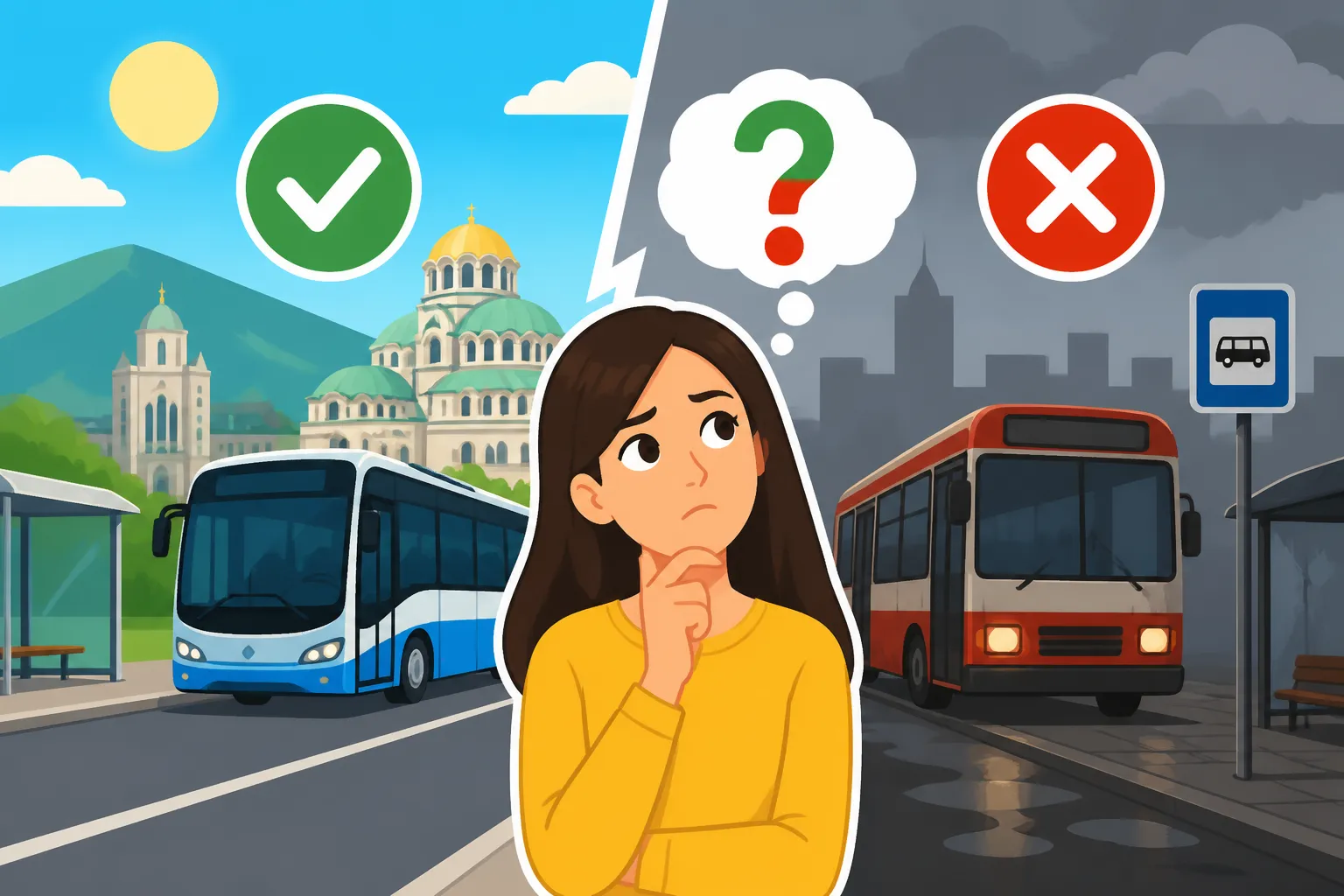
When you first arrive in Bulgaria, whether for a holiday or a new life chapter, figuring out how to get around is usually high on the priority list. You might be used to highly efficient, perfectly punctual public transport systems back home, and it’s natural to wonder if Bulgaria's offerings will measure up. The truth is, it’s a mixed bag, offering both surprising convenience and typical Balkan quirks, and this guide is here to give you a realistic picture of what to expect.
Navigating the Bulgarian Public Transport Landscape
Bulgaria's public transport system varies quite a bit depending on where you are. Sofia, as the capital, boasts the most comprehensive and modern network, while other major cities offer decent coverage, and smaller towns might rely on a more basic, often bus-centric service.
Sofia's Integrated Network: Metro, Trams, and Buses
Sofia is definitely the shining star when it comes to public transport in Bulgaria. The city has invested significantly in its infrastructure over the past couple of decades, and it really shows.
The Sofia Metro is, hands down, the most reliable and efficient way to get around the capital. It's relatively new, clean, and quite punctual, especially during peak hours when surface traffic can be a nightmare. With four lines now in operation, it connects key residential areas with the city center, business districts, and even Sofia Airport. Seriously, being able to hop on a metro directly from the airport to the city for a couple of leva is a godsend, especially if you're lugging heavy bags after a long flight. The stations are usually well-maintained, and you'll find signs in both Bulgarian and English, which is a huge relief for newcomers. For anyone looking to understand the different transport options available in the capital, you might find our guide on How to Use the Metro and Public Transport in Sofia particularly useful.
Then there are the trams and buses, which crisscross the city, filling in the gaps where the metro doesn't reach. They provide extensive coverage, reaching virtually every neighbourhood. However, their reliability can be a bit more… flexible. Sofia traffic can be brutal, especially at rush hour. You might find a tram scheduled for 8:15 AM arrives at 8:30 AM, or even later if there's an accident or a particularly bad traffic jam. Bus routes often cover longer distances and can be subject to even greater delays. It’s not uncommon to see buses packed to the brim during peak times, especially the older models. That said, the fleet is gradually being modernized, with newer, air-conditioned buses and trams making their appearance, which is a welcome change on a hot Bulgarian summer day. For finding your way around the intricacies of Sofia's urban transport, delving into Understanding the Sofia Metro, Tram and Bus Networks will provide deeper insights.
Regional Differences: Major Cities vs. Smaller Towns
Stepping outside Sofia, the public transport experience shifts.
In Plovdiv, Bulgaria's second-largest city, the public transport system is entirely bus-based. While it doesn't have a metro, Plovdiv's bus network is quite comprehensive, connecting the various districts and key attractions, including the charming Old Town and the bustling Kapana district. The buses are generally clean, and services are frequent enough on major routes during the day. However, much like Sofia's surface transport, traffic can impact schedules, and evening services might be less frequent. Finding real-time information can also be a bit more challenging than in the capital, often relying on local knowledge or third-party apps.
Varna and Burgas, the major cities on the Black Sea coast, also rely primarily on extensive bus networks. During the summer tourist season, these cities experience a surge in both population and traffic, which can affect bus punctuality. However, generally, their systems are adequate for getting around, with regular connections between residential areas, the city centers, and popular beach zones. Again, expect services to taper off significantly in the evenings and on weekends, especially outside of central routes. Many of these cities are great options for expats, and you can learn more in our guide to The Best Places to Live in Bulgaria for Expats: A Complete Guide (2027).
In smaller towns and rural areas, public transport can be a real adventure, or sometimes, non-existent. You’ll typically find a local bus service, often running on an infrequent schedule, perhaps a few times a day to connect the town center with surrounding villages. These buses tend to be older, less comfortable, and information can be sparse. For anyone living in a more remote area, relying solely on public transport isn't usually a viable option; a personal vehicle or ride-sharing becomes almost essential. Intercity bus travel, however, is generally good across Bulgaria. Major bus companies like Etap-Grup and Union Ivkoni offer comfortable, reliable, and affordable connections between most towns and cities. You can usually buy tickets online or directly at the bus station, which can be found in most population centers.
Reliability Factors and Common Expat Experiences
When we talk about reliability, it’s not just about things running on time, is it? It’s about the whole experience, from knowing when your ride will arrive to whether you’ll get a seat or be squashed like a sardine.
Punctuality and Frequency: What to Expect
Let's be blunt: if you're expecting Swiss-clock precision across the board, you might need to adjust your expectations a little.
In Sofia, the Metro is usually excellent. During peak hours (roughly 7:30-9:30 AM and 5:00-7:00 PM), trains run every few minutes. Outside of these times, you might wait 5-10 minutes, and on weekends, maybe up to 15. The underground nature means it's largely unaffected by surface traffic, making it a truly reliable backbone for urban transport.
For trams and buses in Sofia and other major cities, it's a different story. Punctuality can be a hit or miss. On a clear day with light traffic, they might run perfectly on schedule. But add in a bit of rain, an unexpected road closure, or the general chaos of rush hour, and delays are almost inevitable. It's often best to add a buffer to your travel time, especially if you have an important appointment. Some bus stops have digital displays showing estimated arrival times, which can be helpful, but they're not everywhere and aren't always perfectly accurate. Frequency also drops significantly after about 8-9 PM, and on Sundays and public holidays, so always check the schedule if you plan to be out late.
The overall infrastructure is steadily improving, but there are still areas where road conditions contribute to slower journeys. Dedicated bus lanes are becoming more common in Sofia, which certainly helps, but they don't solve everything.
Vehicle Condition and Comfort
This is another area of stark contrast. In Sofia, you'll find a growing number of modern, air-conditioned buses and trams. Many of the newer vehicles are low-floor, making them more accessible for parents with strollers or individuals with mobility challenges. The Metro trains are also quite modern and generally comfortable.
However, especially outside of Sofia or on less popular routes within the capital, you'll still encounter older vehicles. These might lack air conditioning (a real challenge in the summer!), can be a bit noisy, and might not be as clean. Seating can also be limited, particularly during busy periods. For expats with young families, considering how to navigate this with a stroller or young children is important. Thankfully, most Bulgarians are generally helpful if you need assistance, but it's something to be aware of. When choosing where to live, factoring in accessibility to public transport with modern vehicles can make a big difference, which is a key consideration when learning about How to Choose Between Sofia, Plovdiv and Varna to Live In.
Information and Ticketing Systems
Navigating the system can be daunting at first, especially with the language barrier.
Information: While major hubs and the Metro have signs in English, local bus stops might only have schedules in Bulgarian Cyrillic. This is where technology becomes your best friend. Apps like Moovit, Google Maps, and the official Sofia Traffic (Център за градска мобилност) app are indispensable. They provide real-time tracking (often surprisingly accurate for Sofia, less so for other cities), route planning, and estimated arrival times. These apps can literally save you from waiting endlessly at a cold bus stop.
Ticketing: Sofia has made significant strides here. You can purchase paper tickets directly from kiosks at bus stops, Metro stations, or even from the driver (though it's usually slightly more expensive on board). However, the most convenient option is the SofiaPass card or a standard rechargeable transport card. You load these with credit or specific passes (e.g., a daily pass, a monthly pass). The good news is, you can now tap your credit/debit card directly on most modern vehicles and at metro turnstiles for a single journey, which is incredibly convenient for tourists or infrequent users. For those just arriving, make sure your phone has a local data plan or consider an eSIM from providers like Airalo to ensure you always have access to these crucial navigation apps. Knowing How to Use the Metro and Public Transport in Sofia will give you detailed instructions on this.
Outside Sofia, ticketing is usually simpler: buy a paper ticket directly from the driver or a kiosk at the bus station. Digital payment options are much less common in regional transport.
Tips for Expats to Master Public Transport in Bulgaria
Becoming a pro at using Bulgarian public transport means equipping yourself with the right tools and a healthy dose of patience.
Essential Apps and Resources
As mentioned, technology is your best friend. Download these before you arrive or as soon as you get settled:
- Google Maps: Always a reliable choice for route planning and basic public transport options in most cities.
- Moovit: Often more detailed than Google Maps for public transport, offering real-time arrivals and step-by-step navigation. It covers more cities than just Sofia.
- Sofia Traffic (Център за градска мобилност): The official app for Sofia's public transport. It provides real-time information, allows you to plan routes, and even tells you where to find the nearest transport card reloading station.
- A reliable translation app: For deciphering street names, bus stop signs, or if you need to ask for directions. Google Translate with its camera feature can be a lifesaver.
Beyond apps, get familiar with the official websites of the municipal transport companies in your city. For Sofia, it's sofiatraffic.bg. These sites typically have detailed route maps and schedules, though they might be primarily in Bulgarian.
Safety and Practical Advice
Bulgarian public transport is generally safe, but like any busy urban environment, it pays to be vigilant.
- Pickpocketing: This is the primary concern, especially in crowded trams, buses, or metro stations during peak hours. Keep your valuables secure and out of sight, preferably in an inside pocket. Don't flash expensive phones or wallets.
- Crowding: During rush hour, expect vehicles to be very crowded. Be prepared to stand, and if you have a stroller or a large bag, it can be a bit of a squeeze.
- Asking for Help: Most younger Bulgarians speak some English, especially in Sofia. Don't be afraid to ask for directions or clarification if you're lost. You might point to your destination on a map or an app. Even if someone doesn't speak English, a friendly smile and gesture can often get you the help you need.
- Unexpected Delays: Build a buffer into your travel plans. If you have a flight to catch or a critical meeting, always aim to leave earlier than you think necessary. Sometimes, unforeseen events like protests, accidents, or even just heavy rain can throw schedules completely off.
- Night Buses: Sofia has a limited night bus network on weekends, but generally, public transport shuts down around 11 PM-midnight. For late-night travel, taxis or ride-sharing apps (like Yellow! Taxi or Uber/Bolt, where available) are your only options. Make sure you understand Understanding Emergency Numbers (112) and Ambulance Care in Bulgaria if you're ever in a bind.
Integrating Public Transport into Your Bulgarian Life
When you're first settling in, consider how your chosen neighbourhood connects to public transport. If you plan to rely heavily on it, living near a metro station in Sofia or a major bus route in Plovdiv or Varna will drastically improve your daily commute. Our guide on How to Choose the Best City for Expats in Bulgaria can help you make an informed decision based on these factors.
Many expats find that a combination of walking, public transport, and occasional ride-sharing works best. For example, you might take the metro for longer distances and then walk the last mile, or use a scooter-sharing service for shorter hops. If you're planning a major move, logistics can be a beast, and services like Sirelo can help with finding international moving companies, which might indirectly impact your initial reliance on public transport for getting around once your belongings arrive.
Getting a Bulgarian driver's license or understanding car ownership is another route many expats eventually take, especially if they live outside major urban centers or prefer the flexibility. You can learn more about Driving in Bulgaria: Licences, Registration and Rules for Expats (2027).
Pros and Cons of Bulgarian Public Transport for Expats
Like most things in life, particularly in a new country, Bulgarian public transport comes with its unique set of advantages and disadvantages. Let's break them down from an expat's perspective.
The Upsides: Affordability and Accessibility
One of the biggest advantages of public transport in Bulgaria is undoubtedly its affordability. Compared to many Western European countries or North America, fares are incredibly low. A single metro or bus ticket in Sofia typically costs around 1.60 BGN (less than €1). Monthly passes are also very reasonably priced, often around 50 BGN (€25-30), making daily commuting exceptionally cheap. This makes a huge difference to your overall Cost of Living in Bulgaria for Expats (2026), allowing you to save money that might otherwise be spent on private car ownership, fuel, and parking.
Beyond cost, the accessibility in major cities is quite good. Sofia's Metro covers a significant portion of the city, connecting major residential areas, business hubs, and cultural sites. The bus and tram networks, while sometimes slow, are extensive and ensure that most parts of the city are reachable without a private car. In Plovdiv, Varna, and Burgas, the bus networks are also comprehensive enough for daily needs. This means you can live a car-free life in Sofia with relative ease, contributing to a lower environmental footprint and reducing the stress of urban driving and parking.
Many cities, especially Sofia, have also made efforts to integrate different modes of transport, allowing for seamless transfers between the metro, trams, and buses with a single payment card. This makes planning multi-leg journeys much simpler than systems where you need a separate ticket for each mode.
The Downsides: Inconsistencies and Infrastructure Gaps
While affordable and often extensive, the public transport system in Bulgaria isn't without its challenges. The most common complaint is inconsistency in reliability and punctuality, particularly with surface transport (buses and trams) outside of Sofia's Metro. Delays due to traffic, older vehicles breaking down, or simply less stringent adherence to schedules can be frustrating, especially if you're used to systems that run like clockwork.
Infrastructure gaps are also noticeable. While Sofia's Metro is modern, some parts of the bus and tram networks, especially in other cities or on less-used routes, still operate with older rolling stock. These vehicles can be less comfortable, lack air conditioning or proper heating, and might not be fully accessible for people with disabilities or those with baby strollers. The condition of bus stops and shelters can also vary wildly, from modern, well-lit digital displays to simple, weathered signs.
Another point of frustration for expats can be the language barrier, especially when trying to understand unexpected diversions, service announcements, or even just asking for directions from a driver or fellow passenger who might not speak English. While apps help significantly, there are moments where human interaction is necessary, and that can be a hurdle. Even the ticketing systems, while improving, can initially be confusing with the various options for paper tickets, rechargeable cards, and different types of passes.
Ultimately, while the public transport in Bulgaria might not always match the gleaming efficiency of some Western European counterparts, it is generally functional, incredibly affordable, and constantly improving. With a little preparation and the right attitude, it’s a perfectly viable way to navigate your new life in this fascinating country.
Disclaimer
The information provided in this guide is intended for general informational purposes only and may not be applicable to every individual's situation. Public transport schedules, routes, and pricing are subject to change by local authorities. While we strive to provide accurate and up-to-date information, it is always advisable to check official sources and local transport websites for the most current details. We are not responsible for any inconveniences or damages incurred as a result of relying on this information.