Understanding How to Prepare Your Home for Winter in Bulgaria
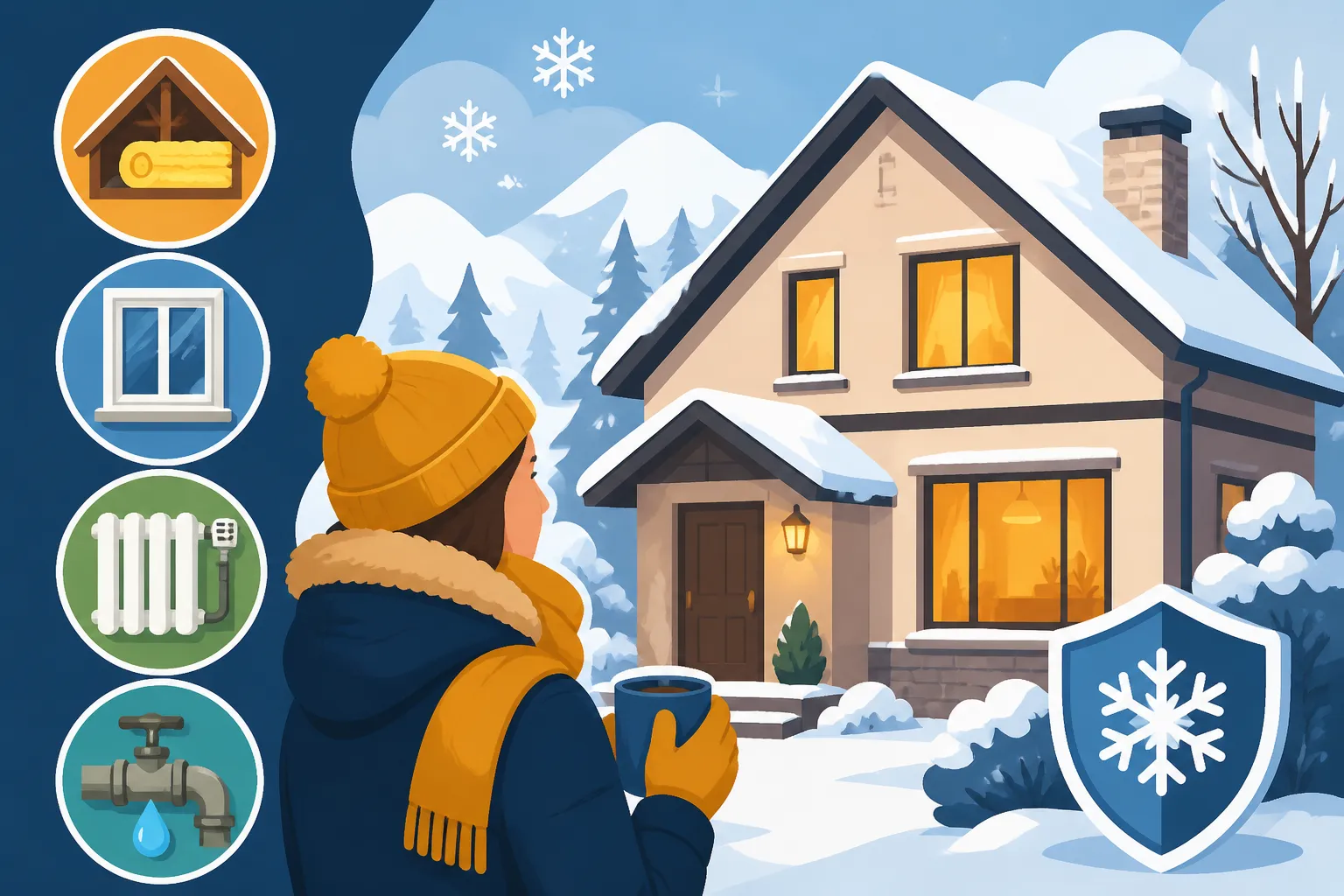
Oh, the Bulgarian winter! It's absolutely breathtaking when the snow falls softly and everything sparkles, isn't it? You arrive, perhaps in the milder autumn, and think, "This is lovely!" Then, the temperatures drop, the snow piles up, and suddenly your cozy apartment feels a bit… exposed. Many of us expats have been there, shivering through our first winter, wondering why the window feels like it's made of paper, or why the heating bill looks like a phone number. This guide is going to walk you through exactly how to batten down the hatches and make sure your Bulgarian home is truly ready for the chill, from understanding your heating to preventing frozen pipes.
The Harsh Reality of Bulgarian Winters: What to Expect
Let's be real, if you're coming from a country with mild winters, or even just a very different climate, Bulgaria's winter can be a bit of a shock to the system. It's not just about a few chilly days; we're talking sustained cold, heavy snowfall, and sometimes, those biting Balkan winds that feel like they're going straight through your bones. Understanding what you're up against is the first step to truly preparing your home.
Typical Winter Conditions and Temperatures
Bulgaria's climate varies quite a bit depending on where you are. If you’re in a city like Sofia, you can expect average daily temperatures in December and January to hover around freezing, often dipping well into the negatives overnight. Snow is a regular occurrence, and it can sometimes come down in truly impressive amounts, blanketing everything for weeks. Out in the mountains, say in Bansko or Borovets, it’s even colder, and the snowpack can be metres deep. Even coastal cities like Varna or Burgas, while slightly milder, still experience freezing temperatures and sometimes heavy, wet snow, which can be even more challenging. I remember my first winter in Sofia; I thought my thick coat would be enough, but the damp cold that seeps into old stone buildings felt like nothing I’d experienced before.
The combination of low temperatures, often below -10°C (14°F) for extended periods, and sometimes significant humidity, especially near rivers or the Black Sea, makes proper home preparation absolutely non-negotiable. You’ll quickly learn that a ‘cold day’ here is genuinely cold. It’s not just a quick frost; it’s a deep chill that settles into everything. The air can be crisp and beautiful, yes, but it’s also unforgiving, and any vulnerability in your home will be ruthlessly exposed by the elements. It’s a good idea to check local forecasts regularly, as conditions can change quickly, from sunny but freezing to heavy blizzards within hours.
Common Home Vulnerabilities in Winter
This is where the expat frustration often kicks in. Many of us arrive in Bulgaria and fall in love with the charm of older buildings, the traditional architecture, and the incredible value for money. What we sometimes don't anticipate, however, are the specific quirks and vulnerabilities these homes can present when winter truly bares its teeth. Older windows, for instance, are often single-paned or simply not sealed properly, leading to noticeable drafts that can chill an entire room. It’s not uncommon to feel a constant stream of cold air seeping in, making your heating work overtime for minimal comfort.
Beyond the windows, insulation can be a major issue. Many older Bulgarian apartments and houses simply weren't built with modern insulation standards, or any insulation at all. This means heat rapidly escapes through walls, roofs, and even floors, turning your efforts to warm up your home into a constant battle. Many accounts describe seemingly minor issues like an uninsulated pipe in a cold hallway leading to a burst pipe and a major headache. Even newer builds, while generally better, can sometimes have overlooked spots. This is why a proactive approach is key – don't wait for the cold to expose the weak spots; try to identify and address them beforehand. It’s all part of the adventure, they say, but a warm adventure is always preferable!
Heating Your Home Efficiently: Beyond Flipping a Switch
When those frosty days arrive, your heating system quickly becomes your best friend. But understanding the various types of heating available in Bulgaria, and how to use them efficiently, is crucial not just for your comfort but also for your wallet. Trust me, you don't want to receive a truly shocking electricity bill because you didn't quite grasp how it all works here.
Navigating Bulgarian Heating Systems: Central, Electric, Wood/Pellet
In Bulgaria, you'll encounter a few primary heating methods. In major cities like Sofia, especially in apartment blocks, central heating (топлофикация, toplofikatsiya) is very common. This means heat and hot water are supplied by a municipal system. It's often convenient, but also means you have less direct control over when it turns on and off for the season, and billing can sometimes feel like a mystery wrapped in an enigma. You'll likely pay a fixed charge plus usage, and learning to read those bills is an art form. Then there's electric heating, which can range from standalone electric heaters (конвектор, konvektor) to air conditioners with heating functions (климатик, klimatik) that are surprisingly efficient in many Bulgarian homes. For those in rural areas or older houses, wood-burning stoves (печка на дърва, pechka na durva) or pellet stoves (пелетна камина, peletna kamina) are traditional and effective, providing a wonderful, dry heat, but they require constant feeding and fuel management.
Each system has its own quirks. Central heating, while generally reliable, can sometimes be slow to respond to temperature drops, and if your building has poor insulation, that heat can disappear quickly. Electric heating gives you individual room control, which is great for energy saving if you’re smart about it, but running multiple electric heaters constantly can lead to eye-watering electricity bills. I remember a friend who moved into an apartment in Plovdiv that relied solely on older electric heaters; she nearly fainted when her first winter bill arrived. Conversely, if you’re setting up your utilities in Bulgaria for the first time, ensuring your electric service can handle the load of multiple powerful heaters is essential. Wood and pellet stoves offer a rustic charm and can be very cost-effective if you source your fuel well, but they demand physical effort and regular cleaning. Understanding these differences, and what your home is equipped with, is the first step in mastering your winter comfort.
Maximizing Heat Retention and Minimizing Costs
Once you know your heating system, the next challenge is to make it work smarter, not harder. The biggest trick to keeping warm and keeping costs down in Bulgaria is focusing on heat retention. Think of your home as a giant thermos. Firstly, seal those drafts! Seriously, go around every window and doorframe. Simple weatherstripping, available at any hardware store (железария, zhelezariya), can make a monumental difference. You can even find clear plastic film kits that you apply to windows, creating an insulating air pocket. For particularly drafty windows, thick, heavy curtains are your best friend. They act as a physical barrier against the cold glass, trapping warmth inside. Close them as soon as the sun goes down, and open them wide during sunny days to let natural warmth in.
Beyond drafts, think about how you use your heating. If you have electric heaters or klimatiks, only heat the rooms you're actively using. There's no point warming up a guest bedroom that sits empty all week. If you're lucky enough to have underfloor heating, understand its timer functions to optimize its use. For those with central heating, while you can't control the boiler, you can still manage radiators. Use radiator valves to turn down or even off radiators in unused rooms. Furthermore, consider a simple rug for bare floors – it adds a surprising layer of insulation and comfort. Regularly bleeding your radiators if you have central heating ensures they're working at peak efficiency. Every little bit helps, and you'll really notice the difference in your comfort levels and when those utility bills come rolling in.
Preparing for Power Outages and Emergencies
While generally reliable, the Bulgarian winter, especially during heavy snowfall or severe storms, can occasionally lead to power outages. It's not an everyday occurrence, but it's wise to be prepared, particularly if you rely solely on electric heating. A sudden loss of power in sub-zero temperatures can quickly turn uncomfortable, so having a small emergency kit is a smart move. This includes flashlights – and plenty of spare batteries – candles (safely placed, of course), and maybe a battery-powered lantern. A portable power bank for your phone is also essential; you don't want to be caught without communication.
Think about a contingency plan if your primary heating source goes out for an extended period. If you have a wood stove, keep a small supply of wood ready. For those reliant on electricity, having extra blankets, sleeping bags, and warm clothing readily accessible is key. It's also a good idea to ensure you have a way to make hot drinks or a simple meal without electricity, like a camping stove if you have one, or non-perishable food that doesn't require cooking. And for staying connected, a local SIM card with a data plan is always good, but for seamless travel or as a backup when local networks might be strained, something like Airalo can offer peace of mind with an eSIM, ensuring you have internet access even if traditional options are disrupted. Staying informed during an outage is vital, so a fully charged phone or a battery-powered radio can connect you to local news updates.
Protecting Your Plumbing and Water Systems from Frost
Nothing quite dashes the winter cheer like a burst pipe. The damage, the mess, the headache of finding a plumber in a snowstorm – it’s a nightmare. Bulgarian winters are cold enough to make pipe freezing a very real threat, especially for older homes or those with exposed plumbing. Taking preventative steps here can save you a world of trouble.
Insulating Pipes and Outdoor Taps
This is absolutely non-negotiable, particularly if your home has any exposed pipes in unheated areas like basements, cellars, garages, or along external walls. Bulgarian properties, especially older ones, often have pipes running in places that seem completely illogical to foreign eyes – sometimes even outside! The simple act of insulating these pipes with foam lagging, which is cheap and readily available at any construction supply store (строителен магазин, stroitelen magazin), can prevent a catastrophe. Wrap them tightly, ensuring no gaps. Pay special attention to any outdoor taps or water sources, such as those used for garden hoses. These must be drained and ideally covered or insulated.
A common oversight is pipes in unheated stairwells or utility closets. If you’re in an apartment building, check with your landlord or neighbours about shared pipes. In some cases, it might even be worth leaving a cabinet door open to allow warmer air from your living space to reach pipes under sinks. I learned this the hard way when a friend's pipe under their kitchen sink froze solid in a poorly insulated building. A little bit of warmth can go a long way. This small effort upfront is infinitely less painful and costly than dealing with a burst pipe, which often leads to significant water damage not just to your own property but potentially to your neighbours' below.
Dealing with Frozen Pipes: Prevention and Action
Prevention is always better than cure. The simplest preventative measure for vulnerable pipes, especially overnight or when you're away, is to leave a small drip of water flowing from a tap. The continuous movement of water makes it much harder for it to freeze solid. For outdoor taps, ensure they are completely drained and shut off at the internal valve if possible. If you're going away for an extended period during winter, seriously consider turning off your main water supply and draining your pipes completely, particularly if your home will be unheated. This is common practice in many rural Bulgarian homes that are left empty for the winter.
If, despite your best efforts, you suspect a pipe has frozen (perhaps a tap isn't working or there's no water flow), the crucial thing is not to panic. First, turn off your main water supply immediately to prevent flooding if the pipe bursts. Then, you can gently try to thaw the pipe. Use a hairdryer on a low setting, warm towels, or even a portable heater directed at the affected area. Never use an open flame! This is incredibly dangerous. Once thawed, turn the water back on slowly and check for any leaks. If you find a burst pipe or can't thaw it yourself, you'll need to call a plumber (водопроводчик, vodoprovodchik) immediately. Remember, if you’re renting, understanding tenant and landlord rights in Bulgaria is important here, as some repairs might be the landlord's responsibility.
Securing Windows, Doors, and External Areas
Your home's exterior is its first line of defence against winter's assault. Neglecting this part of your preparation can lead to heat loss, structural damage, and a generally miserable experience indoors. Don't underestimate the power of those cold winds and heavy snow.
Sealing Drafts and Upgrading Insulation
We've talked about drafts generally, but let's dive deeper. Beyond simple weatherstripping, inspect your windows and doors meticulously. If you have older, wooden windows, they might have small gaps where the frame meets the wall, or where the two sashes meet. Silicone sealant can be your best friend here, used to fill any obvious gaps. For doors, especially main entry doors, a door snake or a draft excluder (often a fabric tube filled with rice or sand) can block cold air from coming in under the door. Another common culprit in Bulgarian homes is poorly fitted electrical outlets or light switches on exterior walls; these can also be sources of drafts. A little bit of foam insulation behind the plate can help.
If you’re a homeowner, or if your landlord is amenable, consider more permanent upgrades. Replacing old, single-pane windows with modern PVC double-glazed units is a game-changer for warmth and soundproofing. This might seem like a significant investment, but the reduction in heating bills and increased comfort is truly remarkable. Additionally, looking into exterior wall insulation for older buildings can be transformative. While this might be a bigger project, it fundamentally alters your home's ability to retain heat, transforming a constantly chilly dwelling into a genuinely warm sanctuary. These improvements not only make winter more bearable but also contribute to the overall value of the property and reduce your ongoing cost of living in Bulgaria.
Preparing Balconies, Gardens, and Outdoor Furniture
Don't forget about your outdoor spaces! Balconies, terraces, and gardens are often overlooked until the first heavy snowfall or frost hits, and then you’re scrambling. Bring in any delicate plants that aren't winter-hardy. For larger potted plants, consider wrapping the pots in burlap or bubble wrap to protect their roots from freezing. Any outdoor furniture, especially cushions or wooden items, should either be brought indoors, covered with waterproof tarpaulins, or stored in a shed or basement. Metal furniture can withstand the cold, but direct exposure to snow and ice for months can lead to rust and deterioration.
Clear your gutters and downspouts before winter arrives. Blocked gutters can lead to ice dams forming, which can then cause water to back up and seep into your roof or walls, leading to expensive damage. If you have a garden, turn off and drain your irrigation system. Roll up and store garden hoses. Even something as simple as ensuring gates are securely latched can prevent damage during strong winter winds. Essentially, you want to eliminate anything that can freeze, blow away, or be damaged by heavy snow and ice. A little tidy-up now saves a much bigger headache later.
Essential Winter Supplies and Emergency Preparedness
Being prepared isn't just about structural fixes; it's also about having the right gear and a solid plan for when things don't go exactly as expected. A well-stocked home can be your haven, even if the world outside is a winter wonderland… or a winter nightmare.
Building Your Winter Emergency Kit
Think of your winter emergency kit as your security blanket. It’s what keeps you safe and relatively comfortable if the power goes out, the heating fails, or you simply get snowed in for a few days. Top of the list: reliable light sources. That means a couple of sturdy flashlights, headlamps (hands-free is brilliant!), and plenty of fresh batteries. Candles are lovely for ambiance but use them very carefully. Next, warmth: extra blankets, sleeping bags, and warm clothing layers are crucial. Even if your heating usually works, a backup for extreme cold or outages is wise. Consider a portable gas or kerosene heater only if you know how to use it safely and ensure proper ventilation, as carbon monoxide poisoning is a serious risk.
Water and food are also vital. Keep a supply of bottled water and non-perishable food items that don’t require cooking (think canned goods, dry snacks, protein bars). A manual can opener is a lifesaver. Don’t forget a basic first-aid kit with any necessary prescription medications, and a battery-powered or hand-crank radio for local news and emergency updates. If you have kids, throw in some games or books. For staying connected, besides having your phone fully charged, a portable charger is essential. And for those moments when local mobile networks might struggle due to heavy demand or infrastructure issues, having a backup like an Airalo eSIM can literally be a lifesaver, ensuring you can call for help or access information even if your primary SIM struggles.
Snow Removal Tools and Strategies
If you live in a house, or an apartment with ground-floor access, you'll likely be responsible for clearing snow from your immediate property, including sidewalks. Trust me, the neighbours will notice if you don't! Investing in a sturdy snow shovel (лопата за сняг, lopata za snyag) is a must. Don't skimp on this; a cheap plastic one will break after the first heavy snowfall. You might also want a bag of rock salt or a de-icing agent to sprinkle on icy patches, especially near steps or pathways, to prevent slips and falls. Sand or ash can also work in a pinch for traction.
For those in apartment buildings, clarify with your landlord or building management what the snow removal policy is. Sometimes, there’s a shared responsibility, or a building attendant takes care of it. If you have a car, a small snow brush and ice scraper are indispensable. You'll need to clear your vehicle thoroughly before driving – it's both a legal requirement and a safety measure. And remember, the snow can accumulate fast. Trying to tackle a metre of compacted snow with a tiny shovel is an exercise in futility and extreme frustration. It’s often better to do smaller clearings regularly during a snowfall rather than waiting for it all to pile up.
Getting Professional Help and Local Resources
As an expat, navigating local services can be one of the trickiest parts of life in Bulgaria, especially when you need specific expertise in a hurry. Finding a trustworthy professional to help with winter preparations or emergencies is an art form.
Finding Reliable Tradespeople and Handymen
This is a common pain point for new arrivals. How do you find a good plumber (vodoprovodchik), electrician (elektrotekhnik), or general handyman (maystor) when you might not speak fluent Bulgarian, and you don’t have a network of local friends yet? Word-of-mouth is king here. The best place to start is often local expat Facebook groups or online forums. Ask for recommendations, specifically mentioning what you need. Many expats have already done the legwork and can point you to someone reliable, perhaps even English-speaking. I’ve certainly relied on these networks many times, for everything from finding a general practitioner (GP) in Bulgaria to getting my washing machine fixed.
When you do find someone, be clear about what you need done. If your Bulgarian isn’t strong, use translation apps or ask a Bulgarian friend to help you communicate. Get a quote upfront if possible, and don’t be afraid to get a second opinion, especially for larger jobs. Bulgarian tradespeople are generally skilled, but as anywhere, there are varying levels of professionalism and pricing. For really specific tasks, like major heating system overhauls or insulation projects, look for companies rather than individuals, as they often offer guarantees. And remember, sometimes the "man down the street" who everyone recommends is truly the best person for the job, despite not having a fancy website or official branding.
Understanding Local Maintenance Services and Property Management
The lines of responsibility for home maintenance in Bulgaria can sometimes feel a bit blurry, especially if you're renting. It's crucial to understand your rental contract, specifically what it says about maintenance and repairs. A good contract, like the ones you'd sign after finding an apartment to rent in Plovdiv or Sofia, should outline who is responsible for what. Generally, landlords are responsible for major structural issues, heating systems, and plumbing, while tenants are expected to take care of minor maintenance and keep the property in good order. However, "minor" and "major" can be open to interpretation.
If you have a property manager, they should be your first point of contact for any issues. They’re there to coordinate repairs and ensure the property is well-maintained. If you're a homeowner, or if you're renting directly from an individual landlord, you might need to handle calling tradespeople yourself. Some apartment buildings have a домоуправител (domoupravitel) or building manager who can help coordinate shared building maintenance, like roof repairs or main pipe insulation. Knowing who to call and what their responsibilities are before a problem arises can save you a lot of stress when you're battling the elements. And if you're still in the planning stages of moving and thinking about shipping your belongings, remember that services like Sirelo can help coordinate the logistics, ensuring your winter gear arrives well before the first snow.
Comparative Look at Heating Solutions
Choosing and managing your heating system in Bulgaria can feel like a big decision. Here's a quick comparison of the most common types you'll encounter to help you weigh the options.
| Heating Type | Pros | Cons | Best Suited For |
|---|---|---|---|
| Central Heating | Consistent warmth, usually includes hot water, minimal personal effort. | Less control over on/off times, can be expensive if building poorly insulated, shared system issues, opaque billing. | Apartments in major cities. |
| Electric Heaters | Individual room control, relatively low upfront cost, easy installation. | High running costs if used inefficiently, can strain electrical grid, dry air, safety concerns if old/faulty units. | Smaller apartments, supplemental heat. |
| Air Conditioners (Heat Mode) | Very energy-efficient for heating, dual-purpose (cooling in summer), quick warmth. | Higher upfront cost for installation, can be less effective in extreme cold (-10°C), requires professional maintenance. | Modern apartments, moderate winter climates. |
| Wood/Pellet Stoves | Cosy ambiance, very effective dry heat, can be cost-effective for fuel. | Requires manual feeding/cleaning, fuel storage, chimney maintenance, can be messy, air pollution concerns if not maintained. | Rural homes, older houses, supplemental heat, self-sufficiency. |
Disclaimer
The information provided in this guide is for general informational purposes only and does not constitute professional advice. While we strive to provide accurate and up-to-date information, local regulations, prices, and availability of services can change rapidly. Always consult with relevant professionals (e.g., plumbers, electricians, real estate agents) for advice tailored to your specific situation in Bulgaria.