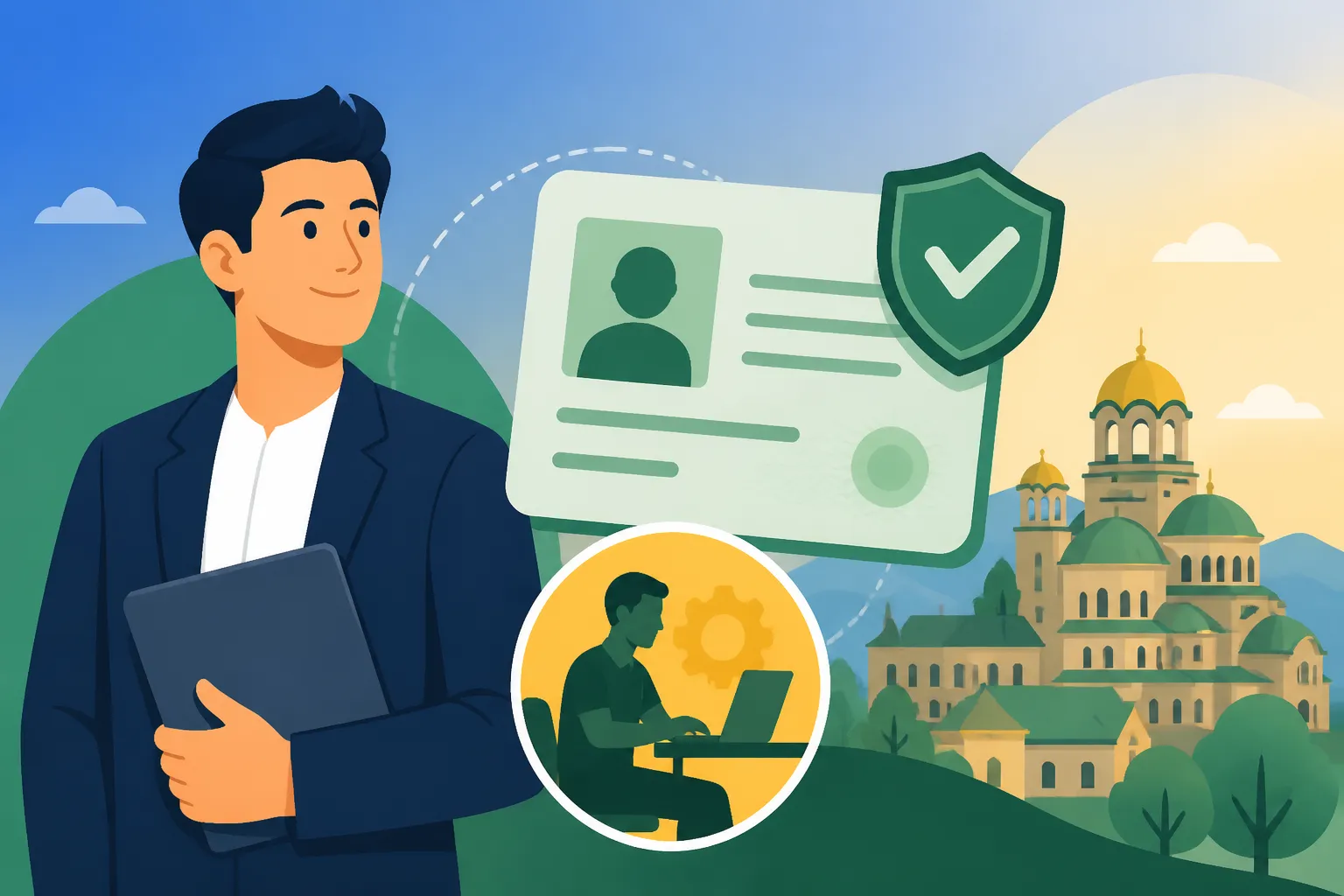
How Do I Get a Residence Permit for Work in Bulgaria?
Let's be honest, trying to figure out how to get a work residence permit in Bulgaria can feel like trying to solve a Rubik's Cube blindfolded, especially when you're dealing with a new language and a completely different administrative system. It's a journey filled with paperwork, patience, and often a fair bit of head-scratching. But don't you worry, because I’ve been through it, and I’m here to walk you through the entire process of securing your work residence permit, making sure you understand every twist and turn.
Understanding the Bulgarian Work Residence Permit Landscape
Before we dive into the nitty-gritty, it's essential to grasp the fundamental mechanism that allows non-EU citizens to work and live legally in Bulgaria. For most expats, this means navigating the "Single Permit" system, which streamlines what used to be two separate applications into one cohesive process.
The "Single Permit" Explained
Gone are the days when you had to apply for a work permit from the Ministry of Labour and Social Policy and then separately for a residence permit from the Migration Directorate. Bulgaria introduced the "Single Permit" (often referred to as 'Единно разрешение за пребиваване и работа') to make things a little less bureaucratic, combining both the permission to work and the right to reside in the country into one document. This permit, typically issued for a period of up to three years, is the golden ticket for most foreign professionals looking to build a life here.
It's a huge relief, really, because it means one less set of hoops to jump through. However, while it’s a single document, the process itself still involves careful coordination between your employer and the relevant state bodies. The primary purpose of this permit is to fill specific labour market needs, meaning your job offer and the employer’s justification for hiring a non-EU citizen are central to its approval. This isn't just a formality; it's about proving that your skills are needed and that a suitable Bulgarian or EU citizen couldn't be found for the role. This also highlights How a Work Permit and Single Permit Work for Non-EU Workers in Bulgaria is fundamental to your entire move.
Eligibility Requirements for Non-EU Citizens
So, who qualifies for this elusive Single Permit? Well, first and foremost, you need a solid job offer from a Bulgarian employer. This isn’t a theoretical "maybe," but a signed employment contract or at least a preliminary contract outlining the terms and conditions of your employment. Your employer will be the one initiating most of the paperwork on the Bulgarian side, proving to the authorities that they have a legitimate need for your expertise.
Beyond the job offer, several criteria must be met. You must be a non-EU citizen, as EU citizens follow a different, much simpler registration process. Your educational qualifications and professional experience must match the requirements of the job you're being hired for. The salary offered should also be at least the average salary for the respective economic activity in Bulgaria, which is updated periodically. This isn't just about ensuring fair wages; it's a way for the authorities to ensure that your employment isn't undercutting the local labour market. There are cases where employers tried to lowball, and it always backfired during the application. So, make sure your contract reflects a realistic and fair wage.
Employer's Role and Responsibilities
Your employer isn't just providing you with a job; they are your primary partner in this immigration journey. They are responsible for initiating the Single Permit application by submitting a range of documents to the Executive Agency "General Labour Inspectorate" (Изпълнителна агенция "Главна инспекция по труда"). These documents include, but are not limited to, a detailed job description, proof of their attempt to find a Bulgarian or EU citizen for the role (usually by advertising the position for a specific period), your preliminary employment contract, and copies of your educational and professional qualifications.
This is where open communication with your employer is absolutely critical. They need to understand the nuances of the process, the required documentation, and the importance of timely submission. Many employers, especially larger international companies, might have HR departments well-versed in this. However, smaller local businesses might need a bit more guidance, and you might find yourself helping them understand their obligations. Don't be shy about asking for updates and ensuring they have everything they need from your end. Remember, their success in applying for the permit on your behalf directly impacts your ability to move here.
The Step-by-Step Application Process for a Work Permit
Alright, let’s get down to the brass tacks: the actual steps you'll be taking, from getting your initial visa to finally holding that precious residence card. It’s a multi-stage process that requires meticulous attention to detail and a healthy dose of patience.
Initial Steps: Visa D and Document Gathering
For non-EU citizens, the journey officially begins with obtaining a long-stay Type D visa. This visa is your entry ticket into Bulgaria for the purpose of applying for a residence permit. You cannot just enter on a tourist visa and then apply for a work permit; that simply won't fly. You'll apply for the Type D visa at the Bulgarian embassy or consulate in your home country or country of legal residence. This application will require many of the same documents your employer submitted for the Single Permit, plus additional personal documents.
This means compiling a truly hefty stack of papers: your passport, a copy of the approved Single Permit from Bulgaria (which your employer will send you), proof of accommodation in Bulgaria, financial means to support yourself (though your employment contract often covers this), and, crucially, comprehensive health insurance valid for the entire duration of your planned stay. This health insurance is non-negotiable, and it’s a good idea to look into international providers like Cigna Global early on, or consult guides like How Do I Get Health Insurance for a Bulgaria Residence Permit? to understand your options. You'll also need a clean criminal record certificate from your home country, often apostilled and translated. Trust me, the sheer volume of documents and the specific requirements for each can be overwhelming, but taking it one step at a time is key.
Applying to the Migration Directorate
Once you've landed in Bulgaria with your shiny new Type D visa, you have a limited window – typically within 90 days – to apply for your actual residence permit card at the local Migration Directorate (Дирекция „Миграция“). This is often located in the regional police departments, so prepare for an experience that feels a bit like a visit to the DMV, but with more forms in Bulgarian. You'll need to present all your original documents, including your passport, Type D visa, the approved Single Permit, proof of local address registration (known as a 'buletrin' or 'адресна регистрация'), and your comprehensive health insurance.
During this appointment, you'll also pay the state fees for the permit application and the production of your residence card. The fees can vary, so it’s always best to check the current rates on the Migration Directorate’s website or by inquiring directly. You'll also be fingerprinted and photographed for your biometric residence card. This part of the process is often where the language barrier can be most pronounced. If your Bulgarian isn't up to snuff, consider bringing a trusted friend or a professional translator with you. Misunderstandings are a common concern, so don't risk it if you're not confident in your linguistic abilities. It’s a vital step in The Expat Guide to Getting a Residence Permit in Bulgaria (2027).
What Happens After Submission
After you’ve submitted everything and completed your biometric data capture, you’ll typically receive a slip confirming your application. This slip is important as it serves as temporary proof that your application is being processed. The processing time can vary significantly, from a few weeks to a couple of months, depending on the workload of the Migration Directorate and the complexity of your case. During this period, you are generally allowed to stay in Bulgaria.
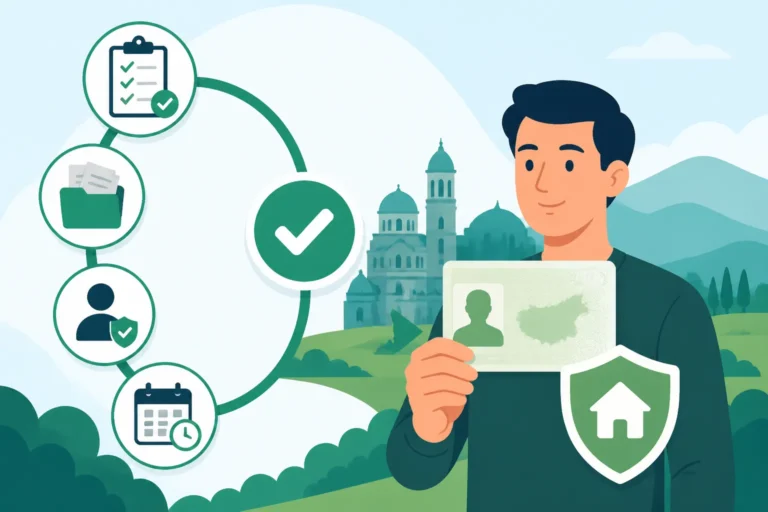
Once your application is approved, you’ll be notified to pick up your residence card. This card is your official proof of legal residence and work authorization in Bulgaria. It will state your personal details, your unique foreigner’s identification number (LNCH), the type of permit (e.g., Single Permit), and its validity period. Holding that card in your hand after all the effort truly feels like a victory. You’ve officially made it! Remember to keep this card safe, as it’s essential for virtually everything from opening a bank account to registering with the local GP.
Here’s a simplified breakdown of key documents you’ll likely need:
| Document Category | Key Documents Required | Important Notes |
|---|---|---|
| Personal ID | Valid Passport (with at least 6 months validity) | Original and copies of all processed pages, including Type D visa. |
| Visa | Type D Long-Stay Visa | Essential for non-EU citizens to enter Bulgaria for residency application. |
| Employment | Approved Single Permit (from Labour Inspectorate), Employment Contract | Employer initiates this process. Contract must meet salary and job description requirements. |
| Accommodation | Proof of Address (Rental contract, deed, 'buletrin') | Must be officially registered with the municipality. |
| Financial | Bank statements (if employment contract isn't sufficient), proof of sufficient funds | Usually covered by the employment contract/salary. |
| Health | Comprehensive Health Insurance | Must cover emergency care, repatriation, and medical expenses for the entire duration of your stay. Consider options like Cigna Global. More details in Health Insurance in Bulgaria: NHIF, Private and International Options Explained. |
| Criminal Record | Criminal Record Certificate (from home country) | Must be apostilled (or superlegalized) and translated into Bulgarian. |
| Education/Skills | Diplomas, Certificates, CV | Apostilled/superlegalized and translated, proving you meet job requirements. |
| Photos | Passport-sized photos (usually 2-4) | Specific size and background requirements, often taken at the Migration Directorate. |
| Fees | Proof of paid state fees | Payment receipts for application and card issuance. |
Common Challenges and How to Overcome Them
Navigating the immigration process in any foreign country comes with its share of hurdles, and Bulgaria is no exception. It’s not always a smooth ride, but understanding the potential pitfalls can help you prepare and react effectively. We’ve all been there, feeling lost in translation or frustrated by seemingly illogical requirements.
The Language Barrier and Bureaucracy
This is perhaps the biggest and most consistent challenge for expats in Bulgaria. While younger generations and those in international companies often speak English, many public administration officials, especially outside of major cities like Sofia or Plovdiv, may not. Forms are predominantly in Bulgarian, and instructions can be terse. This means translating everything, understanding subtle nuances in official language, and asking for clarification multiple times.
To overcome this, don't go it alone if you're not comfortable. Bring a Bulgarian-speaking friend, colleague, or better yet, hire a professional translator or a lawyer specializing in immigration. They can not only help with communication but also ensure you’re asking the right questions and providing the correct information. Many expats find solace in community groups, where advice and recommendations for reliable local helpers are often shared. Remember that bureaucratic processes can feel slow and convoluted even in your native language, so adding a language barrier on top requires extra patience.
Document Requirements and Apostille Hurdles
Bulgarian authorities are sticklers for proper documentation, and they often require official translations and legalizations. The infamous 'apostille' is a certification required for documents issued in one country to be recognized in another. If your home country is a signatory to the Hague Apostille Convention, your documents (like birth certificates, marriage certificates, criminal records, and educational diplomas) will need to be apostilled by the relevant authority in your home country before you even get to Bulgaria. Then, they must be officially translated into Bulgarian by a sworn translator in Bulgaria, often through a translation agency.
This process can be time-consuming and costly. My advice? Start early! As soon as you know you're moving, find out exactly which documents need to be apostilled and translated. Don't assume anything. A simple guide like Understanding Document and Translation Requirements for Bulgaria Immigration can be a lifesaver. It’s also wise to get multiple copies of apostilled documents, as you never know when an extra might be requested. Running back to your home country to get another apostille is definitely a challenge you want to avoid.
Financial Proof and Accommodation Concerns
While your employment contract usually serves as proof of sufficient financial means, there might be instances where additional bank statements are requested, especially if your initial salary is close to the minimum required threshold. Make sure you have access to funds if needed, and that your bank statements are in order.
Regarding accommodation, you need a legitimate address to register your residence. This means a proper rental contract signed with a landlord, which then needs to be registered with the local municipality. This isn't something you can just get a friend to sign off on; the authorities will check. If you’re coming over and staying in an Airbnb or short-term rental initially, you’ll need to quickly secure a long-term place and get that contract squared away. It's an important part of The Complete Guide to Renting an Apartment in Bulgaria (2027). Ensure your rental agreement is comprehensive and includes all tenant and landlord details, as this will be scrutinized.
Maintaining Your Work Residence Permit and Next Steps
Getting your first work residence permit is a huge achievement, but it’s not a "set it and forget it" situation. You’ll need to understand how to maintain your status, what to do if your employment situation changes, and how to eventually progress to more permanent residency options.
Renewing Your Permit
Your Single Permit will have an expiry date, and it’s critical to renew it well in advance – typically 14 days to one month before it expires. The renewal process is similar to the initial application but often less arduous since the authorities already have your basic information. You'll need to submit an updated employment contract (if renewed), proof of continued comprehensive health insurance (NHIF registration or private like Cigna Global if you're not registered with the state system), and proof of address.
It’s your responsibility to keep track of the expiry date. Mark it on multiple calendars, set reminders, and start gathering your documents a couple of months beforehand. Delays in renewal can lead to penalties or even jeopardizing your legal status in Bulgaria, which is something you absolutely want to avoid. Being proactive will save you a lot of stress. You can find more detailed guidance on How to Renew Your Residence Permit in Bulgaria in our other articles.
Changing Employers or Job Roles
If you decide to switch jobs while holding a Single Permit, it’s not as simple as just resigning and starting somewhere new. Your permit is tied to your specific employer and the role they hired you for. If you change employers, your new employer will generally need to go through a fresh Single Permit application process, much like your original employer did. This means the labour market test, justification, and all the associated paperwork will start again.
It's crucial to understand that there might be a gap between ending one employment and starting another, during which your work permit status could be uncertain. It's highly recommended to consult with the Migration Directorate or an immigration lawyer before making any job changes to understand the implications for your residency. Sometimes, if the new job is in the same field and conditions are similar, the process can be expedited, but it’s never guaranteed. This is also where knowing your rights under Understanding Bulgarian Labour Law and Worker Rights (2027) becomes incredibly important.
Path to Long-Term Residence
For many expats, the Single Permit is just the first step on a longer journey towards a more stable life in Bulgaria. After five continuous years of legal temporary residence (which includes the period on your Single Permit), you become eligible to apply for long-term residence. This status offers significantly more freedom, as it's not tied to employment and usually has a longer validity period, typically five years.
The calculation of continuous residence can be tricky, with rules about how much time you can spend outside the country without breaking continuity. It’s important to keep careful records of your entry and exit dates. After another five years of long-term residence, you can then consider applying for permanent residence or even Bulgarian citizenship. This long-term planning is important if you envision Bulgaria as your permanent home. For a deeper dive into this, check out our guide on Understanding the 5-Year Requirement for Permanent Residence in Bulgaria. The journey might seem long, but with each permit you secure, you're building a more stable future here.
Final Thoughts on Your Bulgarian Work Permit Journey
Getting a work residence permit in Bulgaria is undoubtedly a bureaucratic marathon, not a sprint. It demands organization, patience, and a willingness to navigate systems that might feel unfamiliar and, at times, frustrating. But every expat who has successfully done it will tell you the same thing: it's entirely doable.
The key is to start early, gather all your documents meticulously, get them apostilled and translated correctly, and maintain open communication with your employer. Don't hesitate to seek professional help if you're unsure about any step. Organizations or platforms like Sirelo, which focuses on moving services, might not directly assist with permits, but they can significantly ease the burden of the logistics around your relocation, freeing you up to focus on the paperwork. Remember, every challenge overcome brings you closer to your goal of a new life and career in this vibrant country.
Disclaimer
The information provided in this guide is intended for general informational purposes only and does not constitute legal, financial, or immigration advice. While every effort has been made to ensure accuracy, regulations and procedures in Bulgaria can change frequently. It is highly recommended to consult with the official Bulgarian authorities (such as the Ministry of Foreign Affairs, Migration Directorate, or Executive Agency "General Labour Inspectorate") or a qualified legal professional specializing in Bulgarian immigration law for advice tailored to your specific situation.