How Do I Bring My Elderly Parents to Bulgaria?
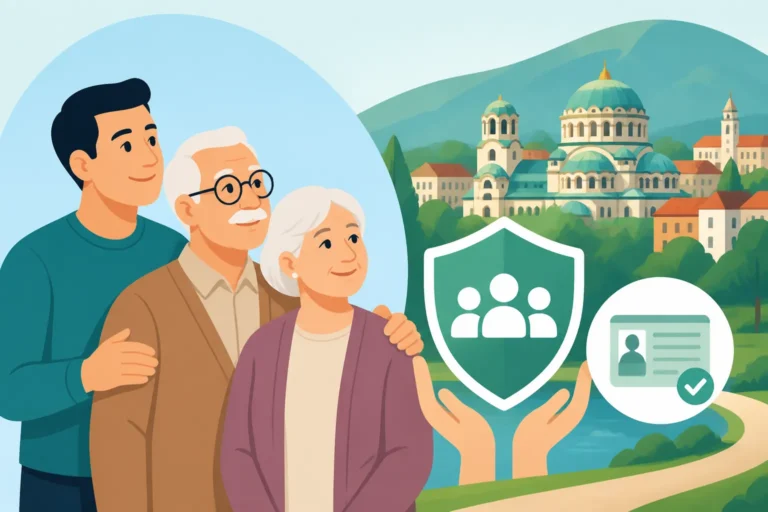
You've found yourself in a situation many of us expats eventually face: the yearning to have our parents, especially as they get older, closer to us. It's a deeply emotional decision, driven by love and a sense of responsibility, but the administrative reality of bringing your elderly parents to Bulgaria can feel like trying to solve a Rubik's Cube blindfolded. This guide is here to untangle that knot, offering a realistic, step-by-step look at the family reunification process for dependent elderly parents.
Understanding the Legal Framework for Bringing Parents to Bulgaria
First off, let's talk about the foundation. Bulgaria, like most EU countries, has provisions for family reunification, but the specifics can feel a bit like wading through treacle. The key here is the concept of "dependency," which isn't always as straightforward as it sounds.
Who Can Sponsor Their Parents for Residence?
Before you even start dreaming of family dinners by the Black Sea, you need to establish who can act as the sponsor. This isn't just about being a resident; it's about your status in Bulgaria. Generally, there are two main categories of sponsors:
- EU/EEA Citizens Exercising Their Treaty Rights in Bulgaria: If you're an EU, EEA, or Swiss citizen living in Bulgaria, you have the benefit of EU free movement directives. This means your non-EU/EEA family members (including parents) might find it a bit easier, as the framework is designed to facilitate family unity. You need to be officially registered as residing in Bulgaria yourself. You can read more about this in Understanding How EU Citizens Register for Residence in Bulgaria.
- Third-Country Nationals with Long-Term or Permanent Residence in Bulgaria: If you're not an EU/EEA citizen but hold a valid long-term or permanent residence permit in Bulgaria, you can also sponsor your parents. This category often comes with more stringent requirements, as it falls under national immigration law rather than broader EU directives. You must demonstrate stable and sufficient resources, adequate accommodation, and comprehensive health insurance for yourself and your family.
It's vital to clarify your own status first. Are you an EU citizen, or a third-country national with a Bulgarian residence permit? This distinction will dictate which specific legal paths you need to follow and, frankly, how many hoops you'll have to jump through. I've seen countless expats get halfway through a process only to realise they're on the wrong track because they misidentified their own eligibility.
The Core Concept of 'Dependency' – It's More Than Just Love
This is often where the dream hits a bureaucratic brick wall. Bulgarian immigration law, like many others, doesn't just assume an adult child wants to bring their elderly parents over out of sheer filial affection. It requires proof of dependency. And that means financial dependency, primarily.
What does "dependency" actually mean in the eyes of the Bulgarian Migration Directorate (Миграция)? It means your parents genuinely rely on you for their basic needs – housing, food, and often, healthcare. They can't simply be choosing to live closer to you; there must be a demonstrable need for your support.
- Financial Dependency: This is the big one. You'll need to show that your parents don't have sufficient income (pension, savings, other assets) to support themselves in their home country, or that their income is demonstrably insufficient to live independently in Bulgaria without your financial contribution. This isn't about their comfort, but their basic subsistence. The authorities will look for proof that you have been regularly transferring money to them, covering their bills, or providing significant financial assistance over a sustained period, usually at least a year or more, before the application. They aren't looking for last-minute transfers to beef up their accounts.
- Lack of Other Support: Sometimes, they also consider whether your parents have other adult children or family members in their home country who could support them. If there are other siblings, for example, you might be asked why they aren't the primary caregivers.
- Age and Health (Secondary Factors): While age and health issues might underscore the need for care, they are usually secondary to financial dependency for initial applications. However, once in Bulgaria, their health will become a paramount concern for insurance and access to healthcare services, which we'll delve into later.
Proving dependency requires meticulous documentation, often spanning years. Bank statements from both you and your parents, declarations of support, and official income statements are all crucial. Expect the Migration Directorate to scrutinise every detail. It's not personal; it's simply their job to ensure that individuals entering the country won't become a burden on the state, especially concerning older, non-working individuals. This is a common hurdle for many, and it often catches people off guard.
The Application Process: From Type D Visa to Residence
Alright, you've assessed your own status and you're confident you can prove dependency. Now, let's talk about the journey itself. This isn't a single application; it's a two-stage process, usually starting outside Bulgaria.
Securing the Initial Type D Long-Stay Visa Abroad
The first crucial step for your non-EU/EEA elderly parents is to obtain a Type D long-stay visa. This visa is what allows them to enter Bulgaria with the intention of applying for residence. This isn't something you can do for them from Bulgaria; they have to apply for it in their country of origin or legal permanent residence. You can find detailed information on this process in How to Apply for a Type D Long-Stay Visa for Bulgaria.
- Where to Apply: They will need to apply at the Bulgarian embassy or consulate in their current country of residence. This often means travelling, which can be a significant logistical challenge for elderly individuals.
- The Interview: An interview will likely be required, and it can be intimidating, especially if there's a language barrier. Ensure they understand the purpose of their move and can articulate their reliance on you.
- Key Documents for the Type D Visa:
- Passport: Valid for at least six months beyond the intended stay.
- Visa Application Form: Completed accurately.
- Photos: Passport-sized.
- Proof of Accommodation in Bulgaria: A notary-certified rental agreement or a declaration from you stating they will live with you, along with proof of your ownership or rental agreement.
- Proof of Financial Means: This is your proof of financial capacity as the sponsor, demonstrating you can support them. Bank statements, employment contracts, and salary slips are typically required. The amount required usually needs to be above the minimum wage and sufficient for each dependent. You're effectively showing you can support them without them needing to work or rely on Bulgarian social services.
- Health Insurance: This is absolutely critical. They will need comprehensive private health insurance covering them for the entire duration of their intended stay (at least a year) and valid for Bulgaria. This must cover at least €30,000 for medical expenses, including repatriation. For elderly individuals, this can be incredibly expensive, especially if they have pre-existing conditions. Companies like Cigna Global offer international health insurance plans that expats often use for family members, but be prepared for the costs and careful examination of coverage limits, particularly for older individuals. We'll dive deeper into this below.
- Proof of Family Ties: Birth certificates (yours and theirs, showing your parent-child relationship), and marriage certificates for your parents if applicable. These documents will need to be apostilled and officially translated into Bulgarian.
- Proof of Dependency: This is where you demonstrate the financial reliance mentioned earlier. Bank transfers, tax returns, and declarations from a local authority in their home country if possible.
- Criminal Record Check: Usually required from their country of origin. Again, apostilled and translated.
This stage alone can take several months, sometimes longer, depending on the consulate and the complexity of the case. Patience is not just a virtue; it's a necessity.
Applying for Temporary Residence Once in Bulgaria
Once your parents arrive in Bulgaria on their Type D visa, the clock starts ticking. They typically have a limited timeframe (often within 90 days) to apply for a temporary residence permit at the local Migration Directorate office. This application is based on "family reunification" with you, the sponsor.
- The Migration Directorate: This is where the real fun begins, often involving long waits and officials who may not speak fluent English. Bring a Bulgarian speaker if you don't speak the language yourself.
- Document Duplication (Often): Don't be surprised if you need to resubmit many of the same documents you provided for the Type D visa. The Migration Directorate likes its own copies.
- Interview (Again): Another interview might be necessary, and consistency between the Type D application and the residence application is vital.
- Residence Card: If approved, your parents will receive a temporary residence card (лична карта на чужденец), usually valid for one year initially. This card needs to be renewed annually.
The process of applying for a temporary residence permit is well-documented in guides like The Expat Guide to Getting a Residence Permit in Bulgaria and Understanding the Family Reunification Residence Permit in Bulgaria, but remember that elderly parents are a specific sub-category with unique dependency requirements.
Essential Documents You'll Need to Gather
Let's break down the typical document pile for this journey. You'll probably feel like you're building a paper skyscraper.
| Document Category | Specific Documents | Notes |
|---|---|---|
| Identity & Status | Parents' passports | Valid for at least 6 months beyond intended stay. |
| Your Bulgarian Residence Permit/ID (as sponsor) | Proof of your legal residency status. | |
| Family Ties | Parents' Birth Certificates | Showing your parents' relationship. Apostilled and translated. |
| Your Birth Certificate | Showing your parent-child relationship. Apostilled and translated. | |
| Parents' Marriage Certificate (if applicable) | Apostilled and translated. | |
| Financial Means | Your Bank Statements (Bulgarian account) | Showing sufficient, stable income to support yourself and your parents. Monthly income usually needs to be 3-4 times the minimum wage. |
| Your Employment Contract/Business Registration | Proof of legitimate income source. | |
| Declaration of Financial Support (from you) | Notarised statement confirming you will financially support them. | |
| Parents' Income Statements/Pension Statements | Proof of their current income (or lack thereof). | |
| Parents' Bank Statements | Demonstrating their financial situation and any previous transfers from you. | |
| Accommodation | Rental Agreement (notarised) OR Property Deed (yours) | Showing suitable accommodation for everyone. |
| Declaration of Accommodation (from you) | If they'll live with you, notarised statement confirming this. | |
| Health Insurance | Comprehensive Private Health Insurance Policy | Must cover at least €30,000 for medical expenses, including repatriation. Crucial for elderly individuals. |
| Good Standing | Criminal Record Certificate (from parents' home country) | Apostilled and translated. |
| Application Specifics | Completed Type D Visa Application Form (for embassy) | |
| Completed Temporary Residence Application Form (for Migration Directorate) | ||
| Passport-sized photos | Multiple copies, ensure they meet specifications. | |
| Proof of paid state fees |
Apostille and Translation: Remember, any documents issued outside Bulgaria (birth certificates, marriage certificates, criminal records) will need to be apostilled in the issuing country and then officially translated into Bulgarian by a sworn translator in Bulgaria. This process alone can add significant time and cost. Check out Understanding Document and Translation Requirements for Bulgaria Immigration and How to Get Your Documents Apostilled for Bulgaria Immigration for more guidance.
Key Challenges and Practicalities: Dependency, Health, and Beyond
You might be thinking, "Wow, that's a lot!" And it is. But the actual hurdle is often not just the paperwork, but the underlying realities of finances and healthcare.
Navigating the Financial Dependency Requirement
This is the make-or-break aspect for most family reunification applications involving elderly parents. The Bulgarian authorities want to ensure that your parents won't need to access social welfare benefits.
- Proof of Consistent Support: As mentioned, occasional transfers won't cut it. You need a track record of regularly sending money to your parents to cover their living expenses. This demonstrates genuine, ongoing dependency. Prepare bank statements from your Bulgarian account showing outbound transfers, and their bank statements showing receipt.
- Your Income Threshold: There isn't always a fixed number, but generally, your declared income should comfortably exceed the average salary in Bulgaria, especially if you're supporting more than just yourself. The officials will calculate if your income is sufficient to support you comfortably, plus your parents, without straining your finances. If you're sponsoring two parents, that's essentially proving you can support three adults from your income.
- Pension Considerations: If your parents receive a pension, the Migration Directorate will evaluate whether that pension is adequate for living in Bulgaria. If it's a very low pension from their home country, this can strengthen your case for dependency, provided you can show you are making up the shortfall.
- Declarations: A notarized declaration from you stating your commitment to financially support them is mandatory. Sometimes, a similar declaration from your parents stating their reliance on you can also be helpful.
I've seen expats struggle here because they underestimate the level of detail and consistency required. It's not enough to say you support them; you have to prove it with hard evidence that predates the application.
Ensuring Adequate Health Coverage for Your Elderly Parents
This is another significant challenge and cost. Once your parents are in Bulgaria, they generally won't be eligible for the National Health Insurance Fund (NHIF) automatically, especially if they are not working or haven't contributed to the Bulgarian social security system for a minimum period. This means private health insurance is their primary option, and for elderly individuals, it can be extremely expensive.
- Initial Visa/Residence Requirement: As noted, comprehensive private health insurance is a mandatory requirement for both the Type D visa and the residence permit application. This policy must cover emergency care, hospitalisation, and repatriation for at least €30,000.
- The Reality of Elderly Insurance: Be prepared for high premiums. Insurers view elderly individuals, especially those with pre-existing conditions (which are common), as high risk. Many standard travel insurance policies won't cover long-term stays or chronic conditions. This is where specialist international health insurance providers like Cigna Global come into play. They often have plans designed for expats and their families, but even with them, you'll need to scrutinise the policy details, exclusions, and maximum payouts very carefully.
- Coverage for Chronic Conditions: This is a major point. Many policies will either exclude pre-existing conditions entirely, or charge significantly more to cover them, often after a waiting period. This means if your parent has, say, diabetes or heart issues, getting full coverage can be a real headache and a huge financial drain.
- Accessing Healthcare: Even with private insurance, navigating the Bulgarian healthcare system for elderly parents can be daunting. You'll need to find English-speaking doctors, potentially specialists, and understand how referrals work. It's a completely different system from what they might be used to. Consider reading The Complete Guide to Healthcare in Bulgaria for Expats (2027) and How Do I Get Health Insurance for a Bulgaria Residence Permit? for more insights. The actual costs involved can be very high if their insurance doesn't cover everything, so be aware of potential Understanding Out-of-Pocket Healthcare Costs and Co-Payments in Bulgaria.
This is not a step to cut corners on. An uninsured or under-insured medical emergency for an elderly parent could easily wipe out your savings.
Practical Considerations for Their Relocation and Integration
Beyond the paperwork and financial proof, there are many practical aspects to consider for your parents' actual move and life in Bulgaria.
- The Move Itself: Moving across borders is stressful for anyone, let alone elderly individuals. Consider professional moving services for their belongings. Companies like Sirelo can help you compare international movers who specialise in expat relocations, ensuring their cherished possessions arrive safely. Don't underestimate the emotional toll of leaving behind their home and community.
- Language Barrier: Unless your parents already speak Bulgarian, the language barrier will be significant. Bulgarian is a Slavic language with a Cyrillic alphabet, a steep learning curve. How will they manage daily tasks, doctor's appointments, or even just socialising? Learning basic phrases can help, but it's a major consideration for their independence and quality of life.
- Social Integration: They're leaving their friends, their routines, and their familiar surroundings. How will they build a new social circle? Are there expat groups or community centres they could join? Consider areas with established expat communities if this is a concern. Loneliness and isolation are real risks for elderly expats who don't integrate well.
- Accessibility: Bulgaria, while improving, isn't always the most accessible country for those with mobility issues. Are the buildings they'll live in, the local shops, and public transport systems easy for them to navigate? Consider the terrain, public infrastructure, and elevator access in apartment buildings.
- Climate Adjustment: The Bulgarian climate can be quite different from their home country, with cold, snowy winters and hot summers. Ensure they are prepared for these changes.
- Emergency Support: What happens if there's an emergency and you're not immediately available? Ensure they know how to contact emergency services (What Is the Emergency Phone Number in Bulgaria?), understand basic safety, and have a local support network beyond just you.
Bringing your parents over isn't just about ticking boxes; it's about ensuring their well-being and happiness in a new environment. These practicalities, though seemingly minor, can have a huge impact on their adjustment.
Long-Term Outlook and Maintaining Residence
So, what happens after the first year? This isn't a one-and-done process.
Path to Permanent Residence for Dependent Parents
The initial residence permit is temporary and needs annual renewal. After five consecutive years of holding a temporary residence permit, your elderly parents may be eligible to apply for long-term residence, and eventually, permanent residence in Bulgaria. Each renewal will require you to demonstrate continued financial support and valid health insurance.
- Continuous Stay: The "five consecutive years" rule for long-term residence usually means they cannot be outside Bulgaria for more than six consecutive months or a total of ten months within that five-year period.
- Continued Dependency: Expect to re-prove financial dependency at each renewal and when applying for long-term or permanent status. The Bulgarian authorities will want to see that the conditions under which the initial permit was granted still hold true.
- Benefits of Permanent Residence: With permanent residence, your parents would gain more stability and rights, similar to Bulgarian citizens, though they would not be citizens themselves. It might, for example, eventually open doors to accessing certain aspects of the public healthcare system, though specific eligibility would still apply based on contributions. This is a significant milestone, reducing the annual stress of renewal. You can learn more about this in How to Apply for Long-Term Residence in Bulgaria and How Do I Get Permanent Residence in Bulgaria?.
The journey to bringing your elderly parents to Bulgaria is fraught with administrative challenges, significant financial commitments, and emotional considerations. It's a testament to your love and dedication, but it's crucial to enter it with eyes wide open to the realities. Seek professional legal advice if you're unsure about any aspect, as immigration laws can be complex and change.
Disclaimer
The information provided in this article is intended for general guidance and informational purposes only and does not constitute legal or professional advice. Immigration laws and regulations in Bulgaria are subject to change and vary based on individual circumstances. It is highly recommended to consult with a qualified Bulgarian immigration lawyer or a specialist at the Bulgarian Migration Directorate for personalized advice regarding your specific situation. We cannot be held responsible for any outcomes based on the information presented here.