Has Bulgaria Switched to the Euro Yet?
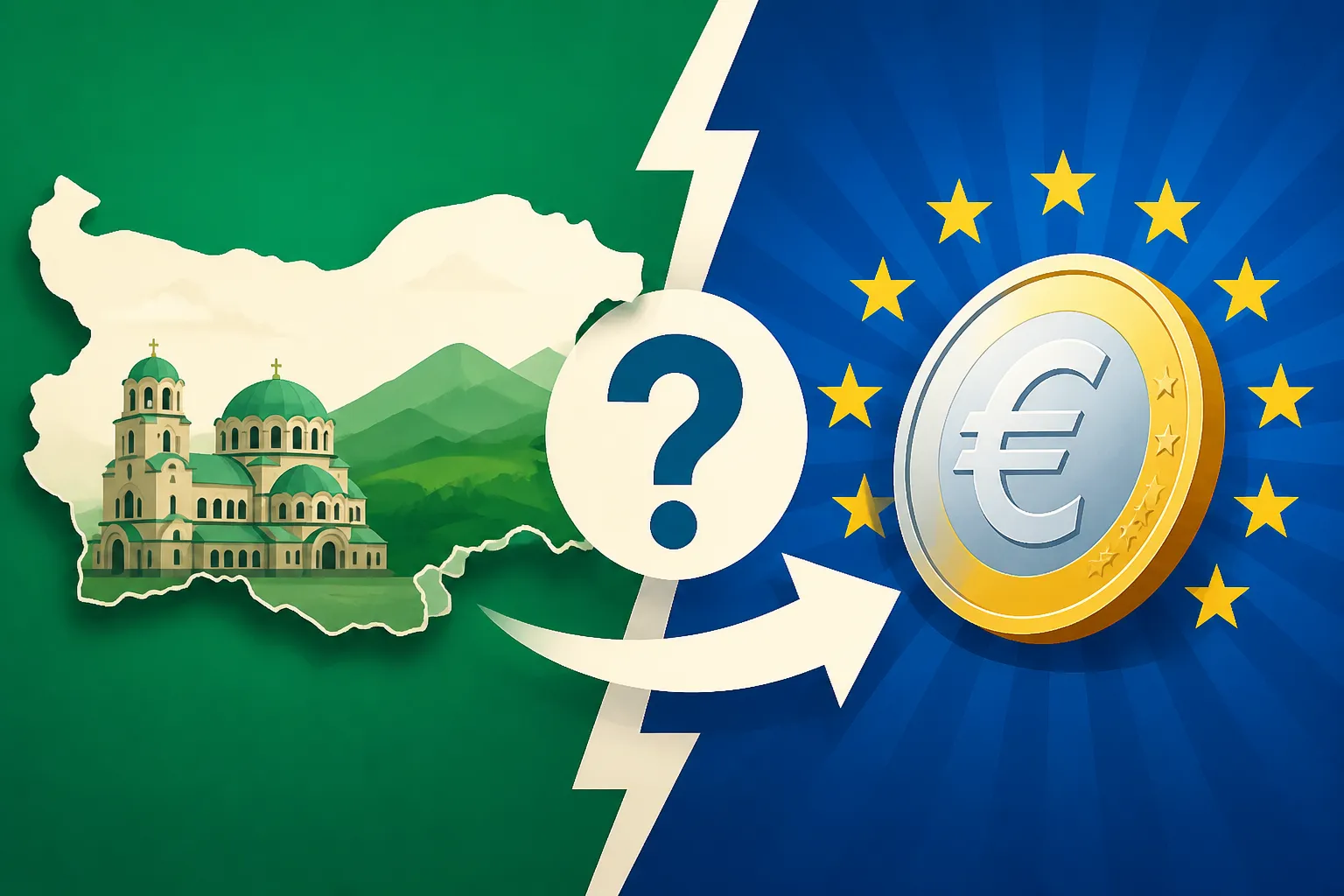
It's a question that pops up in expat forums and casual conversations all the time, often accompanied by a sigh of confusion: "Has Bulgaria finally switched to the Euro?" Navigating a new country's currency system can be daunting enough, but when there's an ongoing transition or an anticipated change, it adds another layer of complexity. This guide is here to clear up the current situation, explain Bulgaria's journey towards Euro adoption, and give you practical advice on managing your money while you live here.
The Bulgarian Lev: Your Current Currency Companion
Let's cut right to the chase for anyone feeling lost in the currency conversation: no, Bulgaria has not yet switched to the Euro. As of today, the official currency you'll be using for everything from your morning banitsa to your monthly rent is the Bulgarian Lev, or BGN (plural: leva). It's been the stable backbone of the Bulgarian economy for a long time, and while the talk of the Euro is constant, the lev is very much still in charge.
The Bulgarian Lev has a fascinating history, but what's most relevant for us expats is its unwavering peg to the Euro. Since July 1997, the BGN has been fixed at a rate of 1.95583 leva to 1 Euro. This isn't just a casual exchange rate; it's a hard peg, meaning the Bulgarian National Bank (BNB) is legally obliged to maintain this rate. This currency board arrangement has been instrumental in providing economic stability and predictability, which is a huge relief when you're dealing with finances in a foreign land. You don't have to worry about wild fluctuations between the lev and the Euro, making budgeting and international transfers much more straightforward. When you see prices listed in euros in some tourist areas or for large purchases like property, they are simply a direct conversion from the lev price at this fixed rate.
This stability is a double-edged sword for some. While it protects against sudden currency depreciation, it also means the BNB has limited independent monetary policy tools. However, for everyday life and business, it provides a sense of security that many other non-Eurozone countries might envy. So, when you're at the ATM or paying for groceries, remember you'll still be dealing in good old leva for the foreseeable future.
Bulgaria's Path to the Eurozone: A Journey of Expectations
Bulgaria has long expressed its commitment to adopting the Euro, viewing it as a crucial step for economic integration and further stability within the European Union. This isn't a new aspiration; it's been a declared goal for years, reflecting the nation's desire to be fully part of the EU's core economic and financial structures. However, the road to the Eurozone is paved with strict criteria, and it's a journey that takes time, dedication, and often, unexpected detours.
The first major official step on this path was Bulgaria's entry into the Exchange Rate Mechanism II (ERM II) in July 2020. Think of ERM II as a waiting room, or a two-year test drive, for countries wishing to join the Eurozone. During this period, the country's currency must remain stable against the Euro, within a specific fluctuation band, although for Bulgaria, the existing currency board arrangement means its peg is already much tighter than the ERM II requirements. This step also requires a commitment to sound economic policies and addressing any structural weaknesses. It’s a period where the European Central Bank and the European Commission closely monitor Bulgaria’s economic performance and its convergence with Eurozone standards.
Initially, the hope was that Bulgaria could adopt the Euro as early as January 1, 2024, following its two-year stint in ERM II. However, these target dates have been pushed back multiple times. The reasons for these delays are complex, often stemming from challenges in meeting all the "Maastricht criteria," which are the strict convergence criteria that every prospective Eurozone member must satisfy. These include:
- Price Stability: A low inflation rate. This has been a particular hurdle for Bulgaria recently, as global inflation pressures have made it difficult to keep consumer prices stable.
- Sound and Sustainable Public Finances: Government debt and deficit levels must be kept in check. Bulgaria generally performs well here, often having one of the lowest public debts in the EU.
- Exchange Rate Stability: As mentioned, the BGN's peg to the Euro means this criterion is largely met, given its long-standing currency board.
- Long-Term Interest Rate Convergence: Long-term interest rates should be close to the average of the three best-performing EU member states in terms of price stability.
Meeting these criteria, especially managing inflation in a volatile global economy, has proven to be a significant challenge. The COVID-19 pandemic and the war in Ukraine have exacerbated these economic pressures, making it harder for Bulgaria to consistently hit the necessary targets. Each time a target is missed, the timeline is reset, leading to frustration and continued uncertainty for those eager for the switch. The latest unofficial target date mentioned is now January 1, 2025, but even this is highly dependent on inflation rates falling and staying within acceptable limits. This intricate dance of economic policy and external factors dictates just how long the Bulgarian lev will remain your primary currency.
What This Means for Expats and Tourists Right Now
Living in Bulgaria means navigating the world of the lev, even with the ongoing Euro discussions. For expats and tourists, this current state of affairs has several practical implications for your daily financial life, from how you pay for your coffee to how you manage your savings. Don't worry, it's not nearly as complicated as it sounds once you get the hang of it.
Everyday Transactions and Currency Exchange
When you're out and about, you'll be paying for everything in Bulgarian Leva. Most shops, restaurants, and services, especially outside the main tourist hubs of Sofia, Plovdiv, or the Black Sea coast, will expect BGN. While major credit and debit cards (Visa, Mastercard) are widely accepted in urban areas and larger establishments, it's always wise to carry some cash, particularly for smaller purchases, local markets, or when venturing into more rural parts of the country.
For currency exchange, you'll find numerous exchange bureaus (обменни бюра, obmenni byura) in all cities and tourist areas. Be cautious, though. Always check the exchange rate before you hand over your money, and make sure there are no hidden fees. Stick to reputable looking places, ideally with clear signage and transparent rates. Banks also offer currency exchange, usually with less favourable rates but with the added security of a formal institution. Personally, I tend to withdraw leva directly from an ATM using my debit card. Most ATMs offer decent interbank rates, though your home bank might charge foreign transaction fees. It's often better to let the local ATM convert the currency rather than your bank if given the option (DCC – Dynamic Currency Conversion), but always double-check the presented exchange rate. For a deeper dive into managing your money, you might find "The Expat Guide to Opening a Bank Account in Bulgaria" helpful.
Banking and International Transfers
For managing your finances in Bulgaria, you'll most likely open a local bank account. Banks like DSK Bank and UniCredit Bulbank are popular choices, offering services tailored to both locals and foreigners. While your account will be denominated in leva, you'll often find options for multi-currency accounts that can hold euros, dollars, and other major currencies. This can be handy for receiving international payments or for when the Euro adoption eventually happens.
When it comes to sending money into or out of Bulgaria, this is where services like Wise (formerly TransferWise) really shine. Because the lev is pegged to the Euro, transferring money between EUR and BGN is incredibly efficient and often comes with very low fees and excellent exchange rates – essentially just the fixed rate. You can send euros to your Wise account and convert them to leva to pay bills or top up your Bulgarian bank account, often arriving within minutes. This is a game-changer compared to traditional bank wire transfers, which can be slower and more expensive. For larger sums, or if you're dealing with complex financial situations, understanding "How to Transfer Money Into and Out of Bulgaria as an Expat" is essential reading.
For those earning money in Bulgaria or receiving income from abroad, understanding your tax obligations is paramount. The flat 10% income tax rate is certainly attractive, but calculating your contributions and ensuring compliance can be tricky, especially with foreign income. Resources like Taxes for Expats can provide invaluable guidance, helping you navigate the Bulgarian tax system and any potential double taxation agreements. It's crucial to register with the National Revenue Agency (NRA) if you're earning income here, and they can assist with this.
Table: Key Currency Information for Expats in Bulgaria
| Feature | Current Situation (BGN) | Future Outlook (Euro Adoption) |
|---|---|---|
| Official Currency | Bulgarian Lev (BGN) | Euro (EUR) |
| Exchange Rate | Fixed: 1 EUR = 1.95583 BGN (currency board) | 1 EUR = 1 EUR (no exchange needed within Eurozone) |
| Daily Transactions | All purchases in BGN; cards widely accepted | All purchases in EUR; seamless card and cash payments |
| Banking | BGN accounts; multi-currency options available | EUR accounts become standard; easier cross-border payments |
| International Transfers | BGN to/from EUR transfers are stable; services like Wise are highly efficient | No conversion needed for transfers within Eurozone; easier for cross-EU business |
| Inflation Control | Monitored for Eurozone entry; current hurdle | ECB takes over monetary policy; focus on Eurozone stability |
| Target Date | Currently aiming for January 1, 2025 (subject to criteria) | Once criteria met, date will be set. |
Budgeting and Cost of Living
While the currency remains the lev, the stable peg to the Euro means that the Cost of Living in Bulgaria for Expats is quite predictable in Euro terms. When you compare prices to Western Europe or North America, you'll generally find that things are significantly more affordable here. This applies to everything from rent and utilities to groceries and dining out. Even though Euro adoption might bring some initial price adjustments, the overall affordability that attracts many expats to Bulgaria is expected to largely remain, as local wages and economic factors continue to play a big role. It's a huge benefit that allows many of us to enjoy a higher quality of life than we might in our home countries.
Future Outlook and Potential Impacts of Euro Adoption
So, what happens when Bulgaria does eventually switch to the Euro? It’s a topic of much debate and speculation among locals and expats alike, with potential benefits and drawbacks for everyone involved. While the official target date seems to keep shifting, it's wise to consider what the eventual transition might mean for your life here.
The Upsides of Euro Adoption
From an expat perspective, one of the biggest benefits of Euro adoption would be enhanced price transparency. Imagine being able to directly compare the cost of living in Sofia to, say, Lisbon or Berlin, without having to constantly convert currencies in your head or on your phone. This makes budgeting, especially for those receiving income in euros, significantly simpler. Travel within the Eurozone would also become seamless, eliminating the need for currency exchange when crossing borders within participating EU countries. For businesses and freelancers, particularly those dealing with international clients, the elimination of currency conversion fees for Euro-denominated transactions would be a welcome relief, further solidifying services like Wise for transfers outside the Eurozone, but simplifying those within.
Furthermore, Euro adoption is generally seen as a sign of deeper economic integration and stability. It could potentially attract more foreign investment, which might lead to job creation and economic growth. This stability could also translate into lower borrowing costs for the government and potentially for consumers and businesses, although this isn't a guaranteed outcome. For those interested in Buying Property in Bulgaria as a Foreigner, the Euro might simplify large transactions, making cross-border property purchases feel more familiar. It removes one layer of perceived risk for international investors, potentially boosting property values in the long run.
The Potential Downsides and Challenges
However, it’s not all sunshine and rainbows. A common concern, frequently voiced in countries that have adopted the Euro, is the potential for inflation, or at least a perception of it. While economists argue that official inflation is often minimal, many consumers report that prices, especially for everyday goods and services, tend to round up when converted to the new currency. For expats on a fixed income or those sensitive to the existing Cost of Living in Bulgaria for Expats, even minor price creep can be a concern. Business owners might also use the transition as an excuse to raise prices, impacting everyone's purchasing power.
There would also be a transitional period involving the physical changeover of currency, updating financial systems, and public education campaigns. This period, while temporary, can be confusing, especially for those who aren't fluent in Bulgarian or familiar with the specifics of the process. You’d need to get used to new banknotes and coins, and ensure your banking apps and payment methods are updated. Banks will also need to reconfigure accounts, which can lead to temporary disruptions.
Lastly, Bulgaria would relinquish its independent monetary policy to the European Central Bank. While the current currency board already limits this to a great extent, full Euro adoption means no more national control over interest rates or the money supply. This could be seen as a loss of economic sovereignty by some, even if the benefits of stability outweigh the costs for many. It's a complex decision with far-reaching consequences, and while the trajectory is set, the exact landing date remains a moving target.
Disclaimer
The information provided in this article is for general informational purposes only and does not constitute financial, legal, or professional advice. While we strive to keep the information up-to-date and accurate, economic conditions and government policies in Bulgaria regarding Euro adoption can change rapidly. Always consult with a qualified financial advisor, tax professional, or legal expert for advice tailored to your specific situation. Reliance on any information in this article is solely at your own risk.