Can I Retire and Move to Bulgaria?
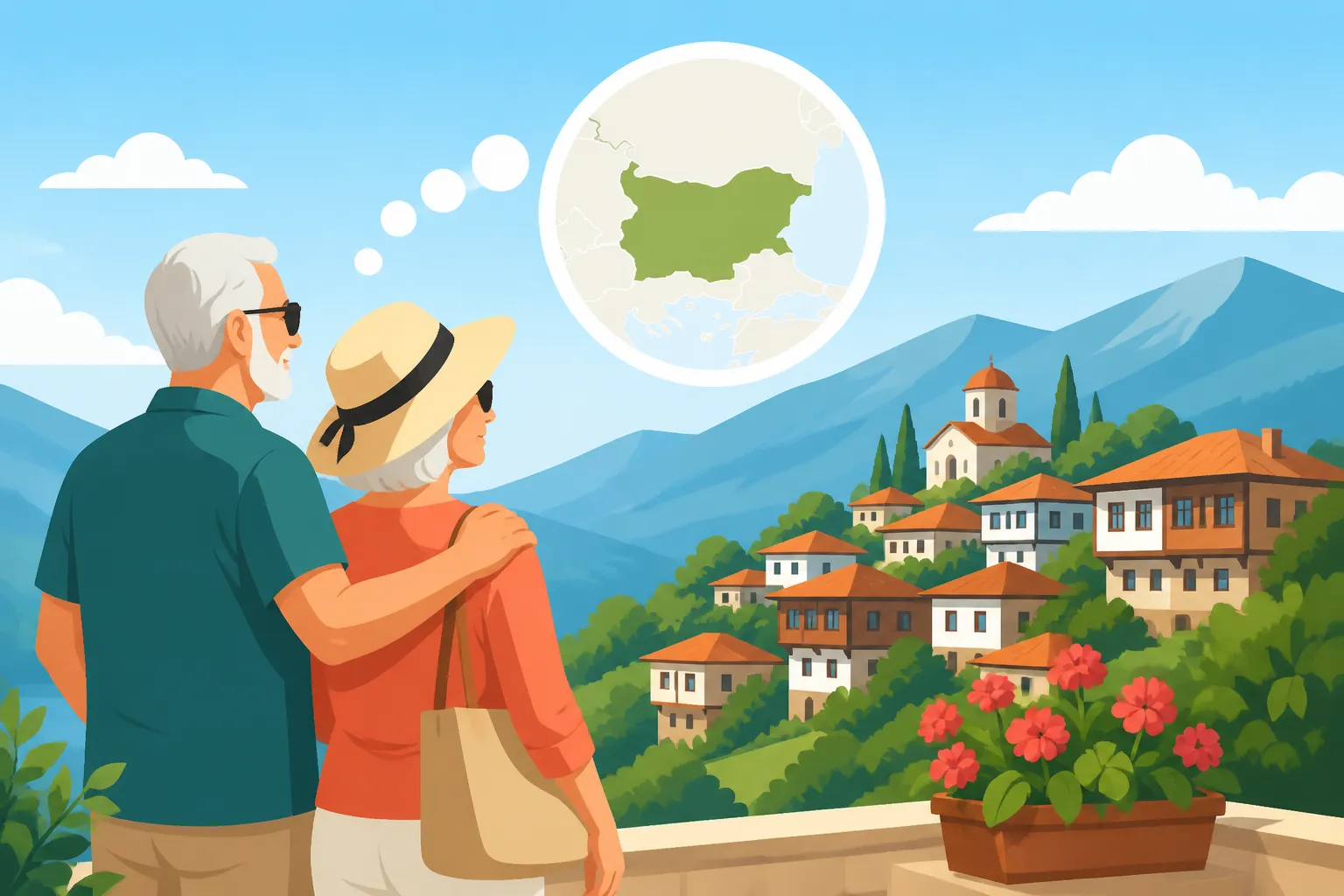
So, you’ve been dreaming of retiring to a place where the sun shines bright, the mountains beckon, and your pension stretches a little further, eh? Bulgaria often comes up in those conversations, and for good reason. But let’s be real – the path to turning that dream into a reality can feel like navigating a Bulgarian bazaar blindfolded. This guide is here to untangle the complexities, offering you a clear, honest roadmap to retiring in Bulgaria, from those initial visa hurdles to finding your perfect village retreat.
The Dream of Retiring in Bulgaria: Is It Possible?
Many expats eye Bulgaria for its inviting climate, rich history, and significantly lower cost of living compared to Western Europe or North America. And yes, retiring here is absolutely possible, but it comes with a specific set of hoops to jump through, especially if you’re not an EU citizen. It’s not a "pack your bags and show up" kind of deal, but with a bit of patience and preparation, it's entirely achievable.
Understanding the Legal Basis for Retirement Residency
For non-EU citizens, the primary legal pathway to retire in Bulgaria is often referred to as the "Person of Secured Means" category, specifically under Article 24, paragraph 1, item 10 of the Foreigners in Republic of Bulgaria Act. This isn't some fancy, exclusive club; it simply means you need to demonstrate that you have a stable, regular income (typically a state-provided pension or equivalent) that is sufficient to support yourself without needing to work in Bulgaria.
The Bulgarian authorities want to see that you're not going to become a burden on their social system. This is where the concept of "secured means" comes in. Your pension or other verifiable income needs to be transferred regularly to a Bulgarian bank account and must be at least equivalent to the national minimum monthly wage, or sometimes a higher threshold depending on interpretation and specific requirements. As of my last check, this minimum wage fluctuates, so it’s crucial to verify the exact amount at the time of your application. For instance, if the minimum wage is 933 BGN (Bulgarian Leva) per month, you’d need to show at least that much, though many recommend demonstrating a higher amount for peace of mind and to cover unexpected costs. This pension income usually needs to be paid out from your country of origin – an income derived from working in Bulgaria won't qualify you for this specific retirement route. It's a key distinction that can trip up many aspiring retirees.
EU Citizens vs. Non-EU Citizens: Different Paths
This is where the process diverges quite significantly, making it either a relatively smooth sail or a meticulous administrative marathon.
For EU, EEA, and Swiss citizens, the process is refreshingly straightforward, largely due to the principle of free movement within the European Union. You don't need a Type D visa. Instead, once you've arrived in Bulgaria, you have a period (typically up to three months) to register your residence with the local Migration Directorate (often a department of the Ministry of Interior). You'll need to demonstrate a few things: proof of a valid ID (passport or national ID card), an address in Bulgaria (rental contract or property deed), proof of comprehensive health insurance (which can be an EHIC for temporary stays but for permanent residence, you’ll typically need to register with the NHIF or get private coverage), and crucially, a declaration that you have sufficient funds to support yourself and your dependents. This usually means a bank statement showing adequate savings or regular pension income. It's more of a registration than a permit application, signifying your right to reside as an EU citizen. Many people find the process for EU citizens to be far less daunting than for those outside the bloc.
However, for non-EU citizens, the journey begins much earlier and involves more steps. You cannot simply arrive in Bulgaria and apply for a residence permit. You must obtain a Type D long-stay visa from a Bulgarian embassy or consulate in your home country before you even step foot on Bulgarian soil with the intention to reside. This visa is your gateway. Without it, you’ll be turned away or face significant issues once your standard tourist visa-free period expires. This initial Type D visa application is where much of the preparation and frustration often begins, as it requires gathering all the necessary documents, which we’ll dive into next. Understanding How to Move to Bulgaria Legally from Abroad (2027) offers a broader overview, but for retirees, the "secured means" path is usually the most direct.
Navigating the Visa and Residence Permit Labyrinth for Retirees
Let's face it, dealing with bureaucracy in a foreign language is rarely a walk in the park. For non-EU citizens, the Bulgarian immigration process, while logical, requires meticulous attention to detail and a large dose of patience.
The Elusive Type D Visa Application Abroad
This is your first major hurdle. You must apply for a Type D long-stay visa at a Bulgarian embassy or consulate in your country of permanent residence. Do not try to do this from a third country unless you have proven legal residence there – they're very strict about this.
The list of documents can feel overwhelming, and it's essential to have everything perfectly in order, translated into Bulgarian by a sworn translator, and often apostilled or legalised by your home country's authorities. Common requirements include:
- A valid passport: With at least 18 months validity beyond your intended stay.
- Visa application form: Duly completed and signed.
- Recent passport-sized photos.
- Proof of accommodation: A notarized rental agreement for a Bulgarian property or a property deed if you’ve already purchased a home. This often requires you to have secured accommodation before you even apply for the visa.
- Proof of financial means: This is paramount for retirees. You'll need official documents proving your pension entitlement (e.g., from a government body, former employer, or private pension fund) and bank statements showing regular transfers of these funds into a Bulgarian bank account. This means you might need to open a Bulgarian bank account remotely or during a short tourist visit, which can be a mission in itself. The Expat Guide to Opening a Bank Account in Bulgaria can shed more light on this. You need to show enough funds to cover your living expenses for at least a year, based on the Bulgarian minimum wage.
- Comprehensive health insurance: This is non-negotiable. It must be valid for Bulgaria and cover your entire intended stay, usually at least one year, with minimum coverage of €30,000 for medical expenses, repatriation, and emergency treatment. Many international insurance providers offer suitable plans. Companies like Cigna Global are often recommended by expats for their comprehensive coverage and international recognition, which can provide peace of mind in those early days.
- Criminal record certificate: From your home country, apostilled/legalised, and translated.
- Marriage certificate/birth certificates: If applying with dependents.
The waiting times for Type D visas can vary significantly, from a few weeks to several months, depending on the consulate and the time of year. Be prepared for follow-up questions or requests for additional documents. It’s a process that demands patience and thoroughness. For a detailed breakdown of this critical step, you might want to look at How to Apply for a Type D Long-Stay Visa for Bulgaria.
Securing Your Temporary Residence Permit in Bulgaria
Once you successfully receive your Type D visa and enter Bulgaria, breathe a small sigh of relief, but know the journey isn't over! You have a specific timeframe – usually within 90 days of arrival – to apply for your actual Temporary Residence Permit (often called a 'permit for long-term stay' or разрешение за продължително пребиваване) at the local Migration Directorate in the town or city where you intend to reside.
This step involves submitting many of the same documents you provided for your Type D visa, plus some new ones specific to your Bulgarian presence. Expect to need:
- Your passport and Type D visa.
- The same proof of accommodation.
- Renewed proof of financial means (Bulgarian bank statements).
- Proof of health insurance (if your previous one is expiring or needs updating).
- A new criminal record certificate (sometimes requested, even if you just provided one for the visa).
- Application forms in Bulgarian.
- Receipts for administrative fees.
You'll attend an interview, submit your documents, and have your fingerprints taken. You'll then typically be issued a permit for one year, renewable annually. The Migration Directorate officials are generally helpful, but they operate strictly by the book. Having a Bulgarian speaker with you, even if they're just a friend, can be incredibly beneficial. The process can involve multiple visits, a lot of waiting, and more forms than you thought possible. It can be a bit of a culture shock dealing with this administrative maze, but many expats have been through it and lived to tell the tale. Many people use relocation services or legal assistance for this stage to ensure everything is correct. The good news is that once you get through this first year, renewals are usually simpler, provided your circumstances haven't changed. For a deeper dive into this stage, consider reading How to Apply for a Temporary Residence Permit in Bulgaria. When you are actually ready to move your household goods, moving companies listed on platforms like Sirelo can help with the logistics, ensuring your belongings arrive safely while you navigate the paperwork.
Financial Realities and Practicalities for Bulgarian Retirees
Bulgaria's affordability is undoubtedly a huge draw for retirees. However, understanding the financial obligations and realities is key to a comfortable life.
Proving "Secured Means": Pensions and Bank Accounts
As mentioned, the "Person of Secured Means" category is all about demonstrating your financial independence. The golden rule here is consistent, verifiable income. Your pension – be it state, private, or military – is the primary source. Authorities need to see that this pension is transferred regularly (monthly, quarterly) into a Bulgarian bank account in your name.
How much is "enough"? The minimum required amount is linked to the national minimum wage. While it's wise to double-check the current figure with the Bulgarian Ministry of Labour and Social Policy or a reliable immigration lawyer, as an example, if the minimum wage is 933 BGN per month, you’d need to show that you receive at least that much. However, in practice, having closer to 1,500 – 2,000 BGN (around €750-€1000) per month in your Bulgarian account provides a much stronger application and certainly allows for a more comfortable lifestyle. The key is consistency and traceability. Lump sums in an account are not usually sufficient; they want to see a regular, ongoing income stream.
Opening a Bulgarian bank account can be a bureaucratic challenge, particularly from abroad. While some banks, like DSK Bank or UniCredit Bulbank, are more expat-friendly, you might initially need to visit in person with your passport, proof of address, and potentially a Bulgarian tax number (BULSTAT). They'll want to know the source of your funds, so have your pension statements ready. Once set up, ensuring your pension provider can make international transfers directly to your Bulgarian IBAN is crucial. This step is often overlooked in its complexity but is absolutely foundational to your residence application.
Healthcare and Insurance: A Non-Negotiable Necessity
Healthcare is a critical consideration for retirees. For non-EU citizens residing in Bulgaria under the "Person of Secured Means" category, it’s important to understand that you are generally not immediately eligible for the public National Health Insurance Fund (NHIF) system through social contributions like employed citizens. NHIF eligibility typically requires 5 continuous years of paid social contributions in Bulgaria, or specific agreements for EU citizens.
This means that for your first five years, and potentially beyond, you must have private health insurance that covers you fully in Bulgaria. This isn't just a recommendation; it's a legal requirement for your visa and residence permit. Your private insurance policy needs to meet specific criteria: a minimum coverage amount (usually €30,000), coverage for emergency medical treatment, hospitalisation, and repatriation.
Many expats opt for international health insurance providers like Cigna Global because they understand the unique needs of expatriates, offering worldwide coverage, English-speaking support, and often direct billing options with hospitals. While the cost of private health insurance in Bulgaria can vary, expect to pay anywhere from €300 to €1,500+ per year depending on your age, pre-existing conditions, and desired level of coverage.
Bulgaria does have excellent medical professionals and facilities, especially in larger cities like Sofia, Plovdiv, and Varna, but knowing you’re fully covered by a reliable insurer provides immense peace of mind. For a full picture of the healthcare landscape, The Complete Guide to Healthcare in Bulgaria for Expats (2027) is an excellent resource, and specifically, Health Insurance in Bulgaria: NHIF, Private and International Options Explained provides details on options.
Cost of Living: Stretching Your Retirement Funds
One of Bulgaria's most attractive features for retirees is its genuinely low cost of living compared to much of Western Europe. Your pension can go a lot further here, allowing for a comfortable or even luxurious lifestyle that might be out of reach elsewhere.
Let’s break down some typical expenses:
| Expense Category | Sofia (approx. EUR/month) | Plovdiv/Varna (approx. EUR/month) | Smaller Town (approx. EUR/month) |
|---|---|---|---|
| Rent (1-bed apt) | 350-600 | 250-450 | 150-300 |
| Utilities | 80-150 | 60-120 | 50-100 |
| Groceries | 200-300 | 180-250 | 150-200 |
| Eating Out (mid-range) | 100-200 | 80-150 | 50-100 |
| Transport (local) | 15-30 | 10-25 | 0-10 (walking) |
| Internet & Mobile | 20-40 | 20-35 | 15-30 |
| Private Health Insurance | 30-120 (per person, annual divided) | 30-120 (per person, annual divided) | 30-120 (per person, annual divided) |
| Total (excluding major luxuries) | 800-1400 | 630-1100 | 445-840 |
Please note these are estimates and can vary greatly based on lifestyle, property type, and specific choices.
As you can see, a state pension that might be tight in London or Paris could provide a very comfortable life in Bulgaria, especially outside of the capital. Groceries are significantly cheaper, eating out is affordable, and public transport is economical. However, expect higher utility bills in winter if you don't have efficient heating.
Many retirees find that they can enjoy a higher quality of life, including frequent dining out, cultural activities, and even domestic travel, on a modest pension. The key is to budget realistically and consider where you choose to live. Sofia offers cosmopolitan amenities but at a higher cost, while cities like Plovdiv or Varna provide a great balance, and smaller towns or villages are incredibly budget-friendly, albeit with fewer immediate amenities. The Complete Guide to Cost of Living in Bulgaria for Expats (2026) offers even more detailed insights.
Settling In and Enjoying Your Bulgarian Retirement
Once the bureaucratic hurdles are largely behind you, the real fun begins: settling into your new life and truly enjoying your Bulgarian retirement.
Finding Your Perfect Bulgarian Home
Choosing where to live is a deeply personal decision, and Bulgaria offers a diverse range of options. Do you crave the vibrant city life of Sofia, with its museums, theatres, and international community? Or perhaps the historical charm of Plovdiv, with its ancient Roman theatre and lively Kapana district? Coastal cities like Varna or Burgas offer sea breezes and a resort feel, while the rural interior boasts picturesque villages, strong community ties, and incredibly affordable living, often with stunning mountain views.
- Renting vs. Buying: Many expats initially choose to rent to get a feel for a particular area. The rental market is fairly robust, especially in major cities. You'll generally need a notarized rental contract and a deposit (usually 1-2 months' rent). For a comprehensive breakdown, check out The Complete Guide to Renting an Apartment in Bulgaria (2027). If you decide to buy, non-EU citizens can purchase apartments or houses, but buying land (outside of the footprint of a building) typically requires setting up a Bulgarian company, which can add complexity. This rule is often simplified for EU citizens. Prices are very attractive compared to Western Europe, but it's crucial to engage a reputable real estate agent and lawyer. You can find more information on property ownership at Understanding Property Ownership and the Market in Bulgaria (2027).
- Neighborhoods and Property Types: In cities, you'll find everything from modern, centrally located apartments to charming, older units. In rural areas, traditional village houses with gardens are common. Factor in proximity to amenities, healthcare facilities, and expat communities when making your choice. The Best Places to Live in Bulgaria for Expats: A Complete Guide (2027) can help you narrow down your options.
Integrating into Local Life: Language and Community
Moving to a new country in retirement is a fresh chapter, and embracing the local culture can significantly enhance your experience.
- Language: While English is spoken in tourist areas and by younger generations in major cities, especially in tech hubs, learning even basic Bulgarian will open many doors. It helps with daily interactions, makes administrative tasks less daunting, and shows respect for your new home. There are numerous language schools and private tutors available, particularly in larger towns. Don't be shy about practicing! Locals often appreciate the effort.
- Community: Bulgaria has a growing and supportive expat community, especially in Sofia, Plovdiv, Varna, and along the Black Sea coast. Online forums, social media groups, and local meet-ups are great ways to connect with fellow foreigners who have navigated similar paths. These communities can be an invaluable source of advice, friendship, and practical tips. However, don't limit yourself to just expat circles. Many Bulgarian communities, particularly in smaller towns, are incredibly welcoming once you make an effort to connect. Participate in local events, frequent the local market, and you'll soon find yourself building genuine relationships. The slower pace of life in Bulgaria, especially outside the capital, can be a delightful change, allowing for more time to cultivate hobbies, enjoy nature, and simply relax.
Bulgaria offers a unique blend of affordability, natural beauty, and cultural richness that makes it an appealing retirement destination. While the initial steps require meticulous planning and a degree of bureaucratic resilience, the rewards of a peaceful and comfortable retirement often outweigh the challenges.
Disclaimer
The information provided in this guide is for general informational purposes only and does not constitute legal, financial, or medical advice. Immigration laws, healthcare regulations, and financial requirements in Bulgaria can change frequently. It is strongly recommended to consult with a qualified Bulgarian immigration lawyer, a financial advisor, and healthcare professionals for personalised advice pertaining to your specific situation before making any decisions related to retiring or moving to Bulgaria. We cannot be held responsible for any inaccuracies or outdated information.