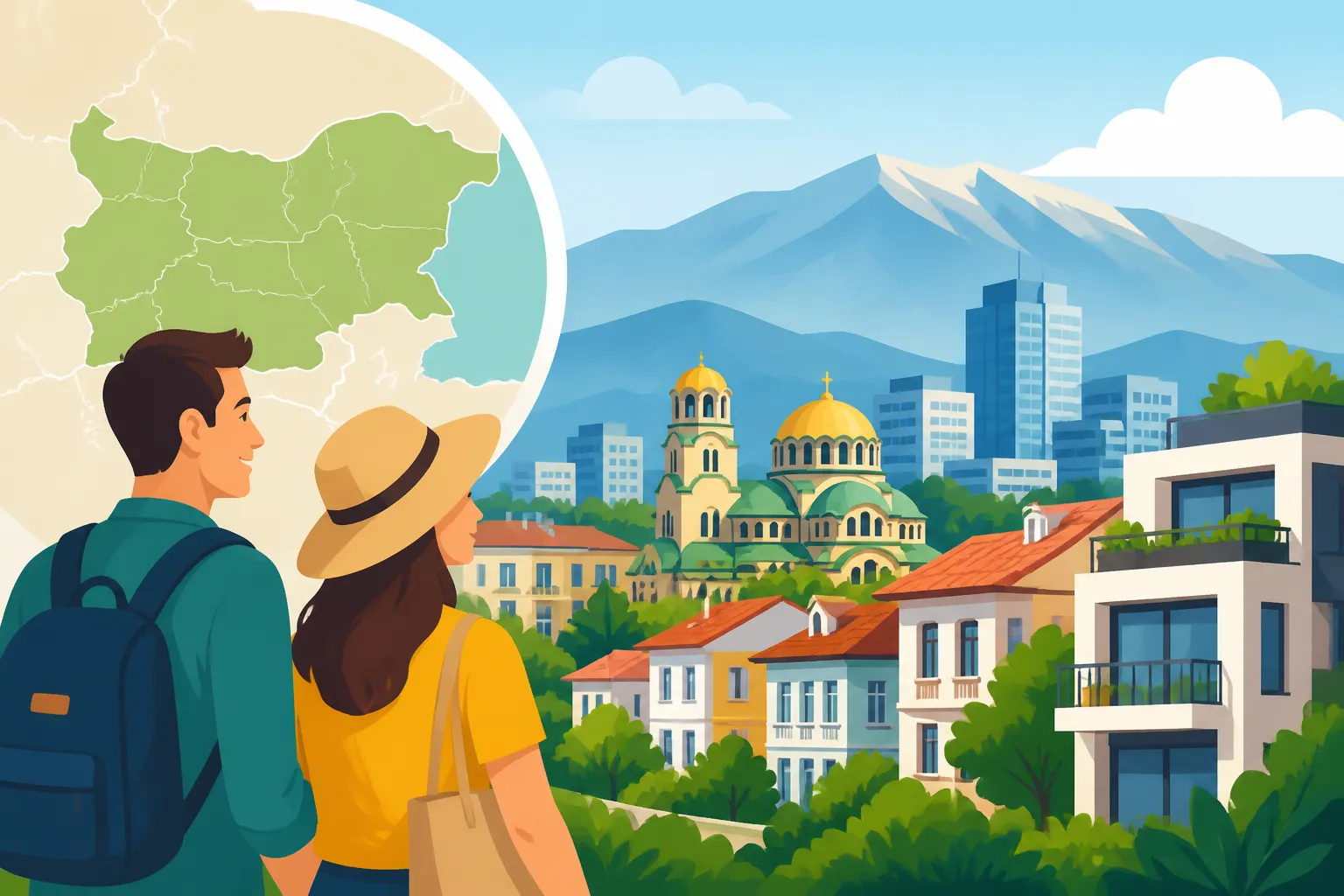
Understanding the Best Cities and Neighbourhoods for Expats in Bulgaria
Deciding where to plant your roots in a new country is a huge step, and for many expats coming to Bulgaria, the sheer number of charming cities and regions can feel a bit overwhelming. You're not just picking a place; you're choosing a lifestyle, a community, and a daily rhythm. This comprehensive guide is here to cut through the noise, offering an honest, expat-tested look at the best cities and neighborhoods across Bulgaria, helping you find that perfect spot that truly feels like home.
Starting with Sofia: The Pulsating Heart of Bulgaria
Ah, Sofia. Our bustling capital city. For many, it's the first taste of Bulgaria, and often, it ends up being home. It’s a vibrant, sometimes chaotic, always interesting blend of ancient history, communist-era architecture, and modern European flair. If you thrive on the energy of a big city, the convenience of diverse amenities, and a sizeable expat community, then Sofia is undoubtedly high on your list.
Central Districts: The Urban Expat Experience
Living in central Sofia means you're right in the thick of it. Think of areas like the historical centre around Vitosha Boulevard, Oborishte, Lozenets, or Ivan Vazov. These neighborhoods offer an incredible mix of charming pre-war buildings, leafy streets, and immediate access to everything. You'll find yourself just a stroll away from magnificent cathedrals, ancient Roman ruins, world-class restaurants, and endless cafes. The cultural scene here is booming, with theatres, galleries, and live music venues practically on your doorstep. For those who love walking everywhere and immersing themselves in city life, this is ideal.
However, this urban bliss comes with its own quirks. Parking, for instance, can be a nightmare – a common lament among those who insist on driving in the city centre. And while the architecture is beautiful, older buildings might lack modern insulation or soundproofing, which means you might get to know your neighbours' schedules a little too intimately! Rent here is also at the higher end for Bulgaria, reflecting the premium location and demand. But for many, the trade-off is worth it for the sheer convenience and vibrant atmosphere. If you’re considering renting, it’s worth familiarizing yourself with The Complete Guide to Renting an Apartment in Bulgaria (2027) to navigate the process smoothly.
South and West Suburbs: Space, Schools, and Serenity
If the thought of city-centre hustle makes you sigh, Sofia’s southern and western suburbs offer a welcome reprieve. Areas like Dragalevtsi, Boyana, Simeonovo, and Mladost are incredibly popular with expat families and those seeking more space, greenery, and a quieter pace without completely disconnecting from the capital. These neighborhoods sit at the foot of Vitosha Mountain, providing stunning views, cleaner air, and direct access to hiking trails and ski slopes. It's a fantastic contrast to the urban sprawl, offering a sense of calm and nature.
Mladost and Studentski Grad are particularly popular among younger expats and students, offering a mix of modern apartment complexes, shopping malls, and a vibrant social scene tailored to a younger demographic. While they are further out, Sofia's public transport network, including the Metro, connects these areas fairly well to the city centre. You might want to understand How to Use the Metro and Public Transport in Sofia to get around efficiently. Many international schools are also located in these southern suburbs, making the morning school run much less stressful for parents. While you might sacrifice a bit of spontaneity in terms of walking to cultural events, you gain substantially in terms of quality of life, open spaces, and often, more modern and spacious housing options. The cost of living, including utilities like electricity, should also be factored in, so diving into How Do I Set Up Electricity After Moving to Bulgaria? could be helpful.
Plovdiv: Culture, Art, and a Laid-Back Vibe
Step outside Sofia, and you'll quickly discover Plovdiv, a city that effortlessly blends ancient history with a contemporary artistic pulse. Crowned the European Capital of Culture in 2019, Plovdiv offers a distinctly different, yet equally captivating, experience for expats. It’s less frantic than Sofia, boasting a more relaxed pace of life, a strong sense of community, and an unparalleled historical backdrop. Many expats find its size to be "just right" – big enough to have all the amenities, small enough to feel walkable and friendly.
Old Town and Kapana: The Bohemian Heartbeat
Plovdiv's Old Town is like stepping into a living museum, with its beautifully preserved Roman theatre, ancient fortresses, and colourful Ottoman-era houses. Living here means daily strolls through cobblestone streets, discovering hidden art galleries, and soaking in millennia of history. Adjacent to the Old Town is Kapana, the "Trap" quarter, which has transformed into a vibrant hub for artists, artisans, and trendy cafes. This area is truly the bohemian heart of Plovdiv, buzzing with creativity, music, and a palpable sense of community.
While undeniably charming, accommodation in the Old Town can be more traditional and, again, might present challenges with parking or modern conveniences. However, for those who prioritize character, history, and being at the centre of Plovdiv's artistic scene, it's an unbeatable choice. The expat community here is tight-knit and welcoming, often gathering in Kapana's various eateries and bars. You'll quickly find yourself integrated into local life, which is one of Plovdiv's greatest appeals.
Broader Plovdiv: Residential Comfort and Accessibility
Beyond the immediate historical core, Plovdiv offers numerous residential areas that provide a balance of affordability, comfort, and accessibility. Neighbourhoods like Karshiyaka (on the northern bank of the Maritsa River) and Smirnenski are popular choices for families due to their good infrastructure, parks, and proximity to schools. These areas offer more modern apartment buildings, often with green spaces and quieter streets. While you might need to rely a bit more on public transport or a car to reach the Old Town, the trade-off is often more spacious living arrangements and easier parking.
Further out, areas like Trakia and Thracian have seen significant development in recent years, offering brand-new apartment complexes and large shopping centres. These areas are particularly appealing to those looking for contemporary living at a more budget-friendly price point compared to Sofia. The general cost of living in Plovdiv is noticeably lower than in the capital, making it an attractive option for expats mindful of their budget. It’s a city where you can enjoy a high quality of life without the constant financial pressure often found in larger European capitals. When planning your move, consider services like Sirelo to help you compare quotes for international relocation, making your transition smoother.
The Black Sea Jewels: Varna and Burgas for Coastal Living
For those who dream of sea breezes, sandy beaches, and a more resort-like atmosphere, Bulgaria's Black Sea coast offers two main contenders: Varna and Burgas. These cities provide a distinct lifestyle, heavily influenced by their maritime location, offering a blend of city amenities with immediate access to the sea. The expat communities here are often vibrant, especially during the warmer months, but the pace generally feels more relaxed than in Sofia.
Varna: Maritime Charm and Lively City Life
Varna, often dubbed the "Sea Capital of Bulgaria," is a lively city with a large port, a prominent university, and a beautiful Sea Garden stretching along the coastline. It offers a fantastic balance for expats: you get all the services and cultural events of a major city, combined with the undeniable appeal of beach life. The city centre is bustling, with a pedestrian-friendly promenade, numerous shops, restaurants, and historical sites. The expat community in Varna is diverse, including many retirees, digital nomads, and families drawn to the relaxed pace and beautiful surroundings.
Popular residential areas include Chayka, known for its green spaces and proximity to the Sea Garden, and Greek Quarter, offering central living with a distinct historical feel. While Varna gets very busy in summer with tourists, it retains its charm and livability year-round, unlike some of the smaller, purely seasonal resorts. The city also has a burgeoning tech scene, attracting a younger professional crowd. If you envision your weekends filled with beach walks, sailing, or simply enjoying fresh seafood with a sea view, Varna could be your perfect match. When considering your overall expenses, a guide like The Cost of Living in Bulgaria for Expats (2026) can help you budget for coastal life.
Burgas: Green Spaces and a Relaxed Port Atmosphere
Further south along the coast lies Burgas, a city often described as more industrial, but which boasts surprisingly beautiful parks, lakes, and a laid-back, green ethos. Burgas might not have the historical grandeur of Varna, but it compensates with its extensive Sea Garden, pedestrian-friendly streets, and proximity to stunning natural reserves like Lake Mandra and Lake Burgas, which are birdwatching havens. The city centre is modern and well-maintained, offering a pleasant environment for daily life.
Expats in Burgas often appreciate its slightly lower cost of living compared to Varna and Sofia, and its less tourist-driven feel. Neighbourhoods like Lazur and Zornitsa offer modern apartment buildings close to the Sea Garden and city amenities. It’s a great option for those who want coastal living but prefer a slightly quieter, more family-oriented environment. Burgas also serves as a gateway to many smaller, charming coastal towns like Sozopol and Nessebar, which offer even more tranquil settings for weekend escapes or even permanent residence if you're looking for a truly peaceful retreat. When relocating, particularly if you have specific mobile data needs, looking into options like Airalo for eSIMs can ensure you stay connected from day one.
Beyond the Big Three: Discovering Veliko Tarnovo and Other Gems
While Sofia, Plovdiv, Varna, and Burgas tend to be the go-to choices for many expats, Bulgaria is peppered with other incredible towns and regions that offer unique lifestyles. If you're looking for something a little different, perhaps a deeper dive into Bulgarian culture, stunning nature, or a significantly lower cost of living, these alternatives are well worth considering.
Veliko Tarnovo: Historical Grandeur and Scenic Beauty
Nestled in the foothills of the Balkan Mountains, Veliko Tarnovo is a truly picturesque city, famous for its medieval fortress of Tsarevets and houses clinging dramatically to the cliffs above the Yantra River. Often called the "City of Tsars," it served as the capital of the Second Bulgarian Empire and exudes an undeniable sense of history and romance. For expats, Veliko Tarnovo offers an enchanting lifestyle, particularly appealing to artists, writers, and those seeking a strong connection to Bulgarian heritage and nature. The views from many parts of the city are simply breathtaking, especially at night when the fortress is illuminated.
The expat community here is smaller but very active and supportive, often drawn to the city's artistic vibe and the tranquil surroundings. The Old Town area, particularly around Gurko Street, is full of traditional Bulgarian Revival houses, many lovingly restored. While charming, these older properties might require more maintenance. The New Town offers more modern apartment complexes and conveniences, still within easy reach of the historical centre. The cost of living in Veliko Tarnovo is significantly lower than in Sofia or Plovdiv, making it an attractive option for those on a tighter budget. It’s a place where you can truly immerse yourself in Bulgarian life, away from the more international bubble of the larger cities.
Smaller Towns and Rural Retreats: Authenticity and Peace
For the ultimate escape from urban life, Bulgaria's smaller towns and rural villages offer an authentic, peaceful, and incredibly affordable experience. Places like Gabrovo, Kazanlak, or even smaller hamlets in the Rhodope or Balkan mountains provide a chance to connect deeply with nature and local traditions. Here, life moves at a much slower pace. You'll find yourself relying more on local markets for fresh produce, engaging more with Bulgarian neighbours, and truly experiencing the rhythms of rural Bulgarian life.
The cost of property, whether renting or buying, in these areas can be astoundingly low. Many expats have successfully purchased and renovated traditional village houses, creating charming homes with large gardens for a fraction of what a city apartment would cost. This option is perfect for those who are self-sufficient, perhaps working remotely, and desire a quiet life, surrounded by stunning landscapes. However, be prepared for fewer amenities, limited English speakers, and the need for a car to get around. It's a trade-off: unparalleled peace and authenticity for fewer conveniences. If you're considering this path, understanding How to Buy Property in Bulgaria as a Foreigner: The Full Guide (2027) will be crucial.
Key Considerations for Choosing Your Bulgarian Home
Alright, so you’ve got a taste of what each major area has to offer. But before you pack your bags and book that flight, let's talk about the practicalities. Choosing the right city and neighborhood isn't just about aesthetics; it's about aligning your daily needs, budget, and lifestyle with what Bulgaria can genuinely offer. Trust me, overlooking these details can lead to some frustrating moments down the line!
Lifestyle and Community Fit
This is perhaps the most personal aspect of your decision. Are you a social butterfly who thrives on a bustling international community, or do you prefer quiet solitude and integrating fully with local Bulgarians?
- Expat Community Size and Activity: Sofia undoubtedly has the largest and most diverse expat community, with countless social groups, meetups, and international events. Plovdiv, Varna, and Burgas also have established expat networks, particularly popular with retirees and those seeking a slower pace. In smaller towns and rural areas, the expat community will be significantly smaller, requiring more initiative to connect or a greater willingness to immerse yourself in local Bulgarian life. Some expats actively seek out these smaller communities for a more intimate and supportive environment.
- Cultural Immersion: Do you want easy access to English-speaking services, international restaurants, and familiar brands? Then Sofia or Plovdiv will offer the most comfort. If you're keen to learn Bulgarian, embrace local customs, and perhaps even grow your own food, a smaller town or village might be more fulfilling. It’s about figuring out how much of your current lifestyle you want to maintain versus how much you're ready to adapt and explore. For those needing specific services like English-speaking medical professionals, knowing How to Find an English-Speaking Doctor in Bulgaria can influence your choice of city.
- Pace of Life: Sofia is fast-paced, typical of a European capital. Plovdiv is more relaxed, while the coastal cities have a distinct seasonal rhythm. Veliko Tarnovo offers a blend of historical tourism and quiet living. Rural areas are, of course, the slowest. Reflect on what pace truly rejuvenates you, not just what you think you should want.
Practicalities: Cost, Connectivity, and Services
Beyond the vibe, let's get down to brass tacks. Money, internet, and access to essential services are non-negotiables for most of us.
- Cost of Living: Generally, Sofia is the most expensive city, followed by Plovdiv and Varna, then Burgas and Veliko Tarnovo. Rural areas offer the lowest costs. This applies to rent, groceries, dining out, and even services. While Bulgaria is generally affordable compared to Western Europe, these internal variations are significant. For example, a modern 1-bedroom apartment in central Sofia might set you back €500-€700+, while a similar property in Veliko Tarnovo could be €300-€450. Knowing How Much Does It Cost to Rent an Apartment in Sofia in 2026? can give you a concrete comparison point.
- Housing Market: Whether you’re looking to rent or buy, the market varies dramatically. Sofia and Plovdiv have competitive rental markets, particularly for well-located, modern apartments. Coastal areas see higher demand and prices during the summer season. In rural areas, purchasing a property can be incredibly cheap, but renovating an old house comes with its own set of challenges and unexpected costs. Working with a reliable real estate agent, which you can learn about in How to Find a Reliable Real Estate Agent in Bulgaria, is highly recommended, especially if you're not fluent in Bulgarian.
- Internet and Mobile Connectivity: In all major cities, you'll find excellent high-speed internet and reliable mobile networks. However, as you venture into more remote rural areas, internet speeds and mobile coverage can become patchier. If you're a digital nomad, this is a critical consideration. Brands like Airalo can be a lifesaver for immediate connectivity when you first arrive, allowing you to use an eSIM on your phone without hunting for a local SIM card right away. Once settled, you'll want to explore How to Set Up Internet and Mobile Service in Bulgaria for a long-term solution.
- Healthcare Access: Major cities like Sofia, Plovdiv, Varna, and Burgas boast the best healthcare facilities, including private clinics and hospitals with English-speaking staff. In smaller towns, access to specialists and modern medical equipment will be more limited, often requiring travel to a larger city. Understanding How Bulgaria's Health System Works: The NHIF and Private Care Explained (2027) is vital, regardless of where you choose to live.
Property and Rental Market Insights
Navigating the housing market in Bulgaria can be a unique experience. It's often less formal than in some Western countries, and local nuances can catch you off guard.
- Rental Contracts: Always ensure you have a written contract, ideally translated, clearly outlining terms, deposit, and notice periods. Many expats report issues with deposits not being returned, so clear documentation is key. Rental prices are generally negotiable, especially outside of peak seasons in tourist areas.
- Buying Property: For EU citizens, buying property in Bulgaria is relatively straightforward. Non-EU citizens have some restrictions, particularly concerning land ownership, but can typically purchase apartments or houses with land via a Bulgarian legal entity (like an EOOD). The process involves notaries, lawyers, and various fees, so proper guidance is essential.
- Furnished vs. Unfurnished: In cities, you'll find a mix of furnished and unfurnished apartments. Furnished options are convenient for newcomers, but unfurnished often allow you to put your personal stamp on the place and are generally cheaper long-term. If you're bringing belongings, services like Sirelo can help you find reliable movers to bring your furniture and personal items into the country. It's also worth noting that some older buildings might come with the "Sofia heating system" (central heating), while others rely on electricity, which can impact your utility bills significantly.
Here's a quick comparison of the major expat hubs in Bulgaria:
| City | Average 1-Bed Rent (City Centre) | Expat Community Size | Main Appeal | Pros | Cons |
|---|---|---|---|---|---|
| Sofia | €500 – €700+ | Large & Diverse | Capital city, amenities, job opportunities, culture | Excellent infrastructure, international schools, vibrant | Higher cost of living, traffic, potentially noisy, competitive |
| Plovdiv | €350 – €550+ | Medium & Active | History, art, culture, laid-back vibe | Walkable, beautiful Old Town, good food, community | Fewer international services, smaller job market |
| Varna | €300 – €500+ | Medium & Seasonal | Coastal living, Sea Garden, university hub | Beaches, mild climate, relaxed pace, good connections | Very touristy in summer, fewer year-round cultural events |
| Burgas | €250 – €450+ | Smaller & Growing | Green spaces, relaxed port city, nature | Parks, affordable, family-friendly, less touristy | Less cultural activity than Varna/Plovdiv, industrial areas |
| Veliko Tarnovo | €200 – €400+ | Small & Close-knit | Medieval charm, scenic beauty, nature | Low cost, stunning views, authentic, quiet | Limited modern amenities, fewer English speakers, remoteness |
Note: Rental prices are approximate for a modern 1-bedroom apartment in a desirable area and can vary significantly based on specific location, condition, and time of year.
Choosing where to live in Bulgaria is a deeply personal journey. There's no single "best" city, only the best city for you. Take your time, visit potential locations if you can, and talk to other expats. Your perfect Bulgarian home is out there, waiting for you to discover it.
Disclaimer
The information provided in this guide is for general informational purposes only and does not constitute legal, financial, or professional advice. While we strive to keep the information up-to-date and accurate, regulations and conditions in Bulgaria can change rapidly. Always consult with relevant Bulgarian authorities, legal professionals, or financial advisors for advice tailored to your specific situation.