Understanding Tax Deductions and Reliefs Available in Bulgaria
Let's be honest, figuring out the tax system in a new country can feel like trying to solve a Rubik's Cube blindfolded. Many of us expats arrive in Bulgaria, drawn by the vibrant culture and affordable lifestyle, only to be met with a flat tax rate that, while seemingly simple, hides a surprising number of nuances. Believe me, I've navigated those tricky waters myself. This guide is here to walk you through the various tax deductions and reliefs available in Bulgaria, showing you how to potentially lighten your tax burden and keep more of your hard-earned leva.
Navigating the Bulgarian Tax System: Why Deductions Matter for Expats
When you first hear about Bulgaria's flat 10% personal income tax, it sounds incredibly straightforward, doesn't it? Compared to many Western European countries with progressive tax brackets that climb higher than the Balkan mountains, 10% seems like a breath of fresh air. And in many ways, it is! It's one of the key reasons why Bulgaria remains an attractive destination for expats and digital nomads. However, the simplicity of the flat rate doesn't mean there aren't opportunities to optimize your tax situation, especially if you know where to look for deductions and reliefs.
The Flat Tax Reality and What It Means for Your Wallet
The core principle of the Bulgarian income tax system is indeed that flat 10% rate on most types of personal income, including salaries, freelance earnings, rental income, and even certain capital gains. This means that whether you earn 1,000 BGN or 10,000 BGN a month, the rate applied to your taxable income is the same. This predictability is a huge plus, removing the guesswork often associated with tiered systems. For many expats, particularly those coming from high-tax jurisdictions, this can result in a significant increase in their net income.
However, "taxable income" is the key phrase here. Before that flat 10% is applied, certain types of expenses and contributions can be subtracted from your gross income, effectively reducing the base amount upon which your tax is calculated. This is where the magic of deductions and reliefs comes into play. It's not about avoiding tax; it's about paying exactly what you owe, no more, no less, by leveraging the legitimate allowances that the Bulgarian state provides to its taxpayers.
Initial Confusion: The Labyrinth of Bulgarian Tax Law
I remember my early days here, trying to decipher official documents filled with legalese and a healthy dose of Bulgarian bureaucratic jargon. It's enough to make anyone's head spin! The initial excitement of the low flat tax can quickly turn into frustration when you start digging into the specifics of how it's actually implemented, particularly regarding what you can and cannot deduct. Unlike some countries where deductions are widely advertised and easily accessible, here in Bulgaria, you often have to seek out this information yourself or rely on good professional advice.
It's not that the information isn't available; it's just not always presented in the most expat-friendly way. Language barriers are a significant hurdle, and even with translation tools, the precise legal phrasing can be ambiguous. This is why having a clear, comprehensive guide like this one is so crucial. It empowers you to ask the right questions and understand your potential entitlements, even before you engage with an accountant or tax advisor.
The Importance of Understanding Your Rights as a Taxpayer
As an expat, understanding your tax rights and obligations in Bulgaria is paramount. It ensures compliance, avoids penalties, and, crucially, helps you manage your finances more effectively. Many expats, especially those who are new to the country or unfamiliar with European tax systems, might unknowingly overpay taxes simply because they're unaware of the deductions they're entitled to. This is where services like Taxes for Expats can be invaluable, offering specialized guidance for international individuals navigating cross-border tax complexities, ensuring you don't miss out on any legitimate savings.
Moreover, being informed helps you plan for the future. Whether you're considering setting up a business, investing in property, or simply managing your daily finances, a solid grasp of the tax landscape, including available reliefs, can inform better financial decisions. Don't let the initial complexities deter you; with a bit of effort and the right resources, you can master your Bulgarian tax situation. Remember, the goal isn't to be a tax expert, but to be an informed taxpayer who can confidently navigate the system. For a broader overview, you might find "The Complete Guide to Taxes in Bulgaria for Expats (2026)" to be a useful read.
General Personal Income Tax Deductions You Should Know
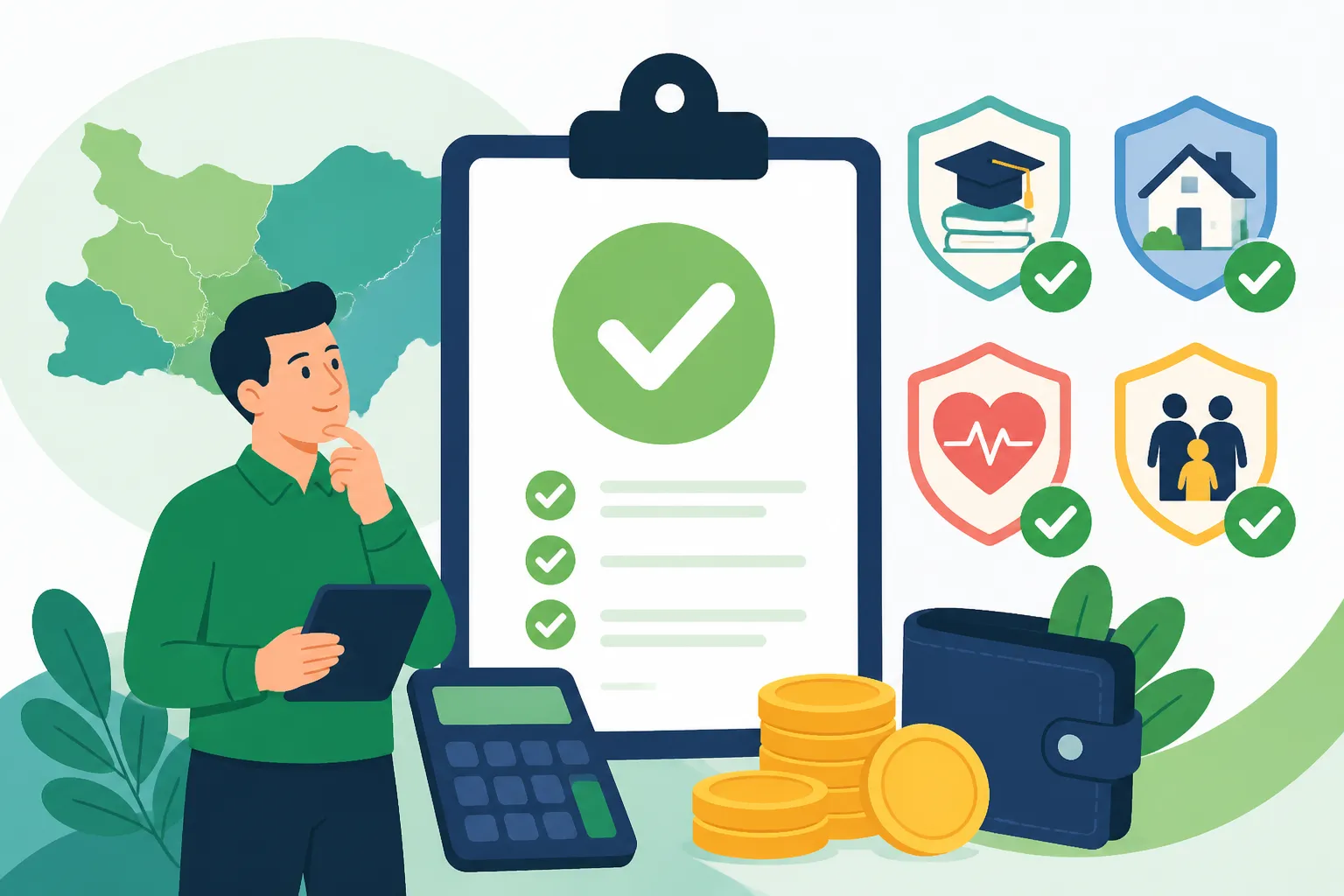
Beyond the basic calculation of your 10% flat tax, the Bulgarian tax law, specifically the Personal Income Tax Act (ЗДДФЛ), allows for several types of tax reliefs and deductions that can reduce your taxable income. These aren't just for Bulgarian nationals; as a tax resident of Bulgaria, you are generally entitled to claim them. It’s essential to differentiate between a tax deduction, which reduces the income on which tax is calculated, and a tax credit (relief), which directly reduces the amount of tax you owe. Bulgaria primarily uses deductions and reliefs rather than direct credits.
Voluntary Contributions to Supplementary Mandatory Pension Insurance
This deduction often surprises expats, but it can be a significant one if you're thinking long-term about your retirement in Bulgaria. The Bulgarian pension system has a mandatory component, but individuals also have the option to make voluntary contributions to supplementary pension funds. These funds are managed by private companies and can provide an additional stream of income in retirement. The good news is that these voluntary contributions are tax deductible.
You can deduct up to 10% of your total annual taxable income for amounts paid into these voluntary supplementary pension funds. For instance, if your annual taxable income is 40,000 BGN, you could potentially deduct up to 4,000 BGN in voluntary pension contributions. This means your taxable base would drop to 36,000 BGN, saving you 400 BGN in income tax (10% of 4,000 BGN). This is a fantastic incentive not just for securing your financial future, but also for immediate tax savings. It's a double win for those looking to invest in their later years. Understanding "Understanding Social Security, Pensions and Retirement in Bulgaria (2026)" can give you more context on the broader pension landscape.
Voluntary Health Insurance Premiums
Another highly relevant deduction for expats relates to voluntary health insurance. While all employees and self-employed individuals in Bulgaria are required to make mandatory health insurance contributions to the National Health Insurance Fund (NHIF), many expats opt for additional private health insurance for better coverage, access to English-speaking doctors, or shorter wait times. This choice often provides peace of mind, and the Bulgarian tax system acknowledges this by offering a deduction for the premiums paid.
You can deduct up to 10% of your total annual taxable income for voluntary health insurance premiums. This applies to premiums paid for yourself, your spouse, or your children. For example, if you pay 1,500 BGN a year for private health insurance for your family, and this amount falls within the 10% limit of your taxable income, you can subtract that 1,500 BGN from your taxable base. It's a way to mitigate the cost of essential private healthcare coverage, making it a more appealing option for many. Just make sure the insurance provider is approved in Bulgaria, and you keep all your receipts. For more on this topic, refer to "Health Insurance in Bulgaria: NHIF, Private and International Options Explained."
Life Insurance Premiums
Similar to voluntary health and pension contributions, premiums paid for life insurance policies can also be tax deductible. This provides another avenue for financial planning with a tax benefit. Life insurance is often a crucial component of financial security for families, ensuring that dependents are protected in unforeseen circumstances. The Bulgarian state encourages this responsible planning by allowing a deduction for these payments.
The deduction for life insurance premiums is also limited to 10% of your total annual taxable income. This combined limit of 10% applies to voluntary pension, health, and life insurance premiums. So, if you're claiming deductions under all three categories, the sum of these deductions cannot exceed 10% of your taxable income. This means you need to prioritize or balance your contributions if you’re near that threshold. Again, ensuring the policy is with a legitimate, registered insurer in Bulgaria is key, and maintaining diligent records of all premium payments is absolutely necessary for filing your return.
Family-Related Tax Reliefs: A Lifeline for Expat Parents
For expats with families, particularly those with children, the Bulgarian tax system offers specific reliefs that can significantly reduce your overall tax liability. These are not deductions from your income, but rather direct reductions of the tax due, making them incredibly valuable. These reliefs are designed to support families and encourage child-rearing within the country, applying equally to Bulgarian and expat parents who are tax residents.
Tax Relief for Children
This is perhaps one of the most beneficial reliefs for expat families in Bulgaria. The state provides an annual tax relief for raising children, which directly reduces your annual income tax. This relief is typically granted to one of the parents or guardians, and it's a fixed amount per child. For instance, as of recent regulations, the annual tax relief for one child is often set at a specific amount, let's say 600 BGN (please note, this amount can be subject to change, so always check the latest legislation or consult with an accountant). This amount is multiplied by the number of eligible children.
This means that if you have two children, you could potentially reduce your annual tax liability by 1,200 BGN. The relief is typically claimed when filing your annual tax return. To be eligible, you usually need to be a tax resident of Bulgaria, have paid all your social and health insurance contributions for the relevant year, and the children must reside in Bulgaria with you. It's a straightforward benefit, but the paperwork needs to be correct. You’ll need birth certificates and often a declaration confirming who is claiming the relief. This relief is a true financial boost for expat families. You can find more information about relevant social contributions in "Understanding Mandatory Social and Health Contributions in Bulgaria."
Tax Relief for Children with Disabilities
Bulgaria also offers enhanced tax relief for parents or guardians raising children with disabilities. This is a crucial support mechanism for families facing additional challenges and costs associated with special needs. The annual tax relief in this case is substantially higher than for children without disabilities, reflecting the greater financial burden these families often carry.
For example, the annual tax relief for a child with a disability could be set at 1,200 BGN or more (again, always verify current amounts with official sources). This amount is also multiplied by the number of eligible children with disabilities. To claim this relief, in addition to the standard documentation for children, you will need official medical documentation or a decision from the Territorial Expert Medical Commission (TELK) confirming the disability and its degree. This ensures the relief goes to those who genuinely need it. It's a compassionate aspect of the Bulgarian tax system that provides much-needed assistance to vulnerable families, including expat families who have made Bulgaria their home.
Other Notable Deductions and Reliefs for Expats
While voluntary insurance and child-related reliefs are major categories, the Bulgarian tax code includes several other specific deductions that can apply to various expat circumstances. These might be less universally applicable but are worth knowing about, as they could still offer significant savings depending on your personal situation and financial activities in Bulgaria.
Donations to Approved Charities
Giving back to the community is something many expats value, and the Bulgarian tax system offers a small incentive for charitable giving. If you make donations to specific types of approved charitable organizations in Bulgaria, you can deduct a portion of these donations from your taxable income. This applies to entities such as non-profit organizations for public benefit, cultural institutions, healthcare institutions, and educational institutions, among others.
The deduction is generally limited to a certain percentage of your total annual taxable income, typically up to 5% or 10% depending on the recipient. For example, donations to non-profit organizations for public benefit are often deductible up to 5% of your taxable income. For donations to cultural institutions, it might be 15%. You’ll need to keep official receipts from the charitable organization showing the amount donated. This encourages civic engagement and allows you to support causes you care about while also benefiting your tax situation.
Interest Paid on Mortgage Loans for Young Families
This relief is quite specific but can be incredibly valuable for younger expat families who decide to purchase property in Bulgaria. The Bulgarian tax law provides relief for interest paid on mortgage loans for the purchase of a family's primary residence, specifically targeting young families. To qualify, generally, both spouses (or the single parent) must be under a certain age (e.g., 35 years old at the date of the loan agreement), and it must be their first home.
The relief allows you to deduct the interest paid on the first 100,000 BGN of the principal amount of the mortgage loan from your annual taxable income. This isn't a deduction on the entire loan interest, but specifically for the interest related to that initial portion of the principal. This can translate into considerable savings over the years, making homeownership more accessible for eligible young expats. You'll need all your loan documents and annual interest payment certificates from your bank to claim this. For more insights on property, check out "The Complete Guide to Property and Transaction Taxes in Bulgaria (2026)."
Cashless Payments Deduction
This is a relatively newer incentive introduced to encourage the use of electronic payment methods over cash, promoting transparency in the economy. Taxpayers who make non-cash payments (e.g., via bank card, bank transfer) for certain expenses throughout the year can benefit from a deduction. The idea is to incentivize people to leave a digital trail for their transactions, making it easier for tax authorities to track economic activity.
The deduction usually allows for a reduction of up to a certain percentage of the annual income tax due, on the condition that you have made at least 50% of your annual expenses (subject to certain definitions) through cashless means. This isn't a deduction from your income, but a small reduction in the final tax amount you owe. For example, if your tax due is 2,000 BGN, and you qualify for a 1% cashless payment deduction, you'd save 20 BGN. While it might seem like a small amount for most, it's a direct tax saving and signals a modernizing economy. Make sure you keep records of your non-cash transactions! When transferring money internationally, services like Wise can also help you manage your funds efficiently and transparently, which aligns with the spirit of cashless transactions.
Improving Energy Efficiency of Residential Buildings
In an effort to promote sustainable living and reduce energy consumption, Bulgaria offers tax deductions for expenses incurred to improve the energy efficiency of residential buildings. This relief targets homeowners who invest in renovations such as insulation, new windows, or more efficient heating systems. As an expat homeowner, if you're looking to upgrade your property, this could be a worthwhile avenue for tax savings.
The deduction typically applies to a portion of the expenses, up to a certain maximum amount, provided the improvements lead to a documented increase in the building's energy class. You will need to provide invoices for the work, as well as an energy efficiency audit or certificate both before and after the improvements to demonstrate the impact. This not only saves you money on your taxes but also reduces your utility bills and increases the value of your property – another smart move for any expat settling down in Bulgaria.
Practical Steps for Claiming Your Tax Deductions
Knowing about these deductions is one thing; actually claiming them is another. The process involves meticulous record-keeping, understanding the relevant forms, and submitting them correctly to the National Revenue Agency (NRA). It might seem daunting at first, but with a clear plan, it's entirely manageable.
Essential Documentation: Keep Everything!
This cannot be stressed enough: documentation is king. For every single deduction or relief you wish to claim, you will need supporting paperwork. The NRA is quite strict, and without the proper documents, your claim will likely be rejected. Think of yourself as building a case for your tax savings, and each document is a piece of evidence.
Here’s a breakdown of what you’ll typically need:
- For Voluntary Pension, Health, and Life Insurance: Certificates or statements from the insurance/pension provider detailing the premiums paid for the tax year. These should clearly show your name, the type of policy, and the total amount contributed.
- For Tax Relief for Children: Copies of the children's birth certificates. If you are sharing the claim with another parent, a declaration from them stating they are not claiming the relief for the same children might be required. For children with disabilities, you’ll need the official TELK decision.
- For Donations: Official receipts or certificates from the approved charitable organization, clearly stating the amount of the donation, the date, and the organization's registration details.
- For Mortgage Interest: Annual statements from your bank showing the total interest paid on your mortgage loan for the tax year.
- For Energy Efficiency Improvements: Invoices for the work done, payment receipts, and energy efficiency certificates/audits from qualified professionals, both before and after the improvements.
- Proof of Income and Contributions: Your annual income statement (Служебна бележка) from your employer(s), and documentation of all your mandatory social and health contributions.
It’s always a good practice to create a dedicated folder, physical or digital, for all your tax-related documents throughout the year. Don't wait until tax season to start scrambling for papers! This organized approach will save you immense stress.
Filing Your Annual Tax Return with the NRA
The process of claiming these deductions culminates in filing your annual tax return (Годишна данъчна декларация по чл. 50 от ЗДДФЛ) with the National Revenue Agency (NRA). The deadline for individuals to file their annual income tax return and pay any outstanding tax is usually April 30th of the following year. For example, for income earned in 2025, the deadline would be April 30, 2026.
Here’s a simplified overview of the steps:
- Obtain the Correct Form: The main form is typically Form 50. You can download it from the NRA's website (nra.bg) or pick up a physical copy.
- Fill Out the Declaration: This is where you declare all your income and, crucially, where you specify your deductions and reliefs. There are specific appendices or sections within the form dedicated to each type of deduction (e.g., Annex 8 for tax reliefs for children). You will need to carefully transfer the amounts from your supporting documents to the correct boxes on the form.
- Attach Supporting Documents: While you often don't submit physical copies of all your supporting documents with the initial declaration, you must keep them readily available as the NRA can request them for verification. For some reliefs, like the child tax relief, you will typically need to attach specific declarations.
- Submission: You can submit your tax return electronically through the NRA's online portal using a Qualified Electronic Signature (QES) or your Personal Identification Code (PIC)/PIN (ПИК), which you can get from the NRA. This is the most convenient method. Alternatively, you can submit it in person at any NRA office or send it by registered mail.
- Payment: If, after calculating your deductions, you still owe additional tax, you must pay it by the April 30th deadline. You can do this via bank transfer or at an NRA cash desk. If you have overpaid tax, the NRA will typically process a refund to your bank account within a specified period (e.g., 30 days).
The NRA online portal can be quite user-friendly once you get the hang of it, but the initial setup for electronic submission can be a bit of a bureaucratic hurdle. For a detailed step-by-step guide, consider reviewing "Filing Your Annual Tax Return with the National Revenue Agency in Bulgaria: The Complete Walkthrough (2026)."
Common Pitfalls and How to Avoid Them
Even with the best intentions, expats can stumble when claiming tax deductions in Bulgaria. Here are a few common pitfalls to watch out for:
- Missing Deadlines: The April 30th deadline is strict. Late filing can result in penalties, even if you don't owe any additional tax.
- Incomplete or Incorrect Documentation: As mentioned, if your documents don't meet the NRA's requirements, your claim will be rejected. Always double-check that all required information is present and accurate.
- Not Understanding Eligibility Criteria: Make sure you genuinely qualify for a deduction before claiming it. For example, the age limit for mortgage interest relief or the requirement for children to reside with you for child relief.
- Assuming Automatic Application: Deductions and reliefs are not automatically applied. You must actively claim them on your tax return.
- Language Barrier Misinterpretations: What seems clear in English might have a specific legal nuance in Bulgarian. Don't rely solely on automated translations for complex tax instructions.
- Mixing Up Tax Residency Rules: Your ability to claim certain deductions depends on your tax residency status. Ensure you understand if you are considered a tax resident in Bulgaria for the relevant year, especially if you have ties to other countries. This is crucial as highlighted in "Understanding Tax Residency Rules and the 183-Day Test in Bulgaria."
To avoid these pitfalls, don't hesitate to seek professional help. Engaging a local accountant, especially one experienced with expat tax situations, can save you time, stress, and potentially money. They can ensure your tax return is filed correctly and that you claim all eligible deductions. Many expats find this investment well worth it for peace of mind.
Summary of Key Tax Deductions and Reliefs in Bulgaria
| Category | Type of Deduction/Relief | Conditions | Max Amount/Limit | Effect on Tax |
|---|---|---|---|---|
| Voluntary Contributions | Supplementary Mandatory Pension Insurance Premiums | Paid to approved funds | 10% of annual taxable income | Reduces taxable income |
| Voluntary Health Insurance Premiums | Paid to approved providers for self, spouse, children | 10% of annual taxable income (combined limit) | Reduces taxable income | |
| Life Insurance Premiums | Paid to approved providers for self, spouse, children | 10% of annual taxable income (combined limit) | Reduces taxable income | |
| Family Support | Tax Relief for Children | Per eligible child residing in Bulgaria | Fixed annual amount per child (e.g., 600 BGN) | Directly reduces annual tax due |
| Tax Relief for Children with Disabilities | Per eligible child with documented disability | Higher fixed annual amount per child | Directly reduces annual tax due | |
| Other Specific Reliefs | Donations to Approved Charities | To specific non-profits, cultural/educational/health institutions | 5% – 15% of annual taxable income | Reduces taxable income |
| Interest on Mortgage Loans (Young Families) | For first primary residence, both spouses <35, on first 100,000 BGN principal | 100% of interest on first 100k BGN | Reduces taxable income | |
| Cashless Payments Deduction | If >= 50% of certain expenses paid cashless | Small percentage of annual tax due | Directly reduces annual tax due | |
| Energy Efficiency Improvements (Residential Buildings) | Documented increase in energy class | Portion of expenses, up to certain max | Reduces taxable income |
(Note: Specific amounts and percentages are subject to change by Bulgarian tax law. Always verify the latest official information.)
Disclaimer
The information provided in this guide is for general informational purposes only and does not constitute professional tax, legal, or financial advice. While we strive to keep the information up-to-date and accurate, tax laws and regulations in Bulgaria can change frequently. Expats should consult with a qualified Bulgarian tax advisor or accountant for personalized advice regarding their specific tax situation. We do not accept any liability for any loss or damage incurred as a result of relying on the information contained herein.