Understanding the NRA Online Portal and E-Services in Bulgaria
Ah, the Bulgarian National Revenue Agency, or NRA (НАП – N.A.P.) as it's known here. Just the name can send shivers down an expat's spine, especially when you hear whispers of "e-services" and "online portal." It often feels like navigating a digital labyrinth built for locals, leaving us foreigners scratching our heads in utter confusion. But don't despair! This guide is here to walk you through the often-bewildering world of the NRA online portal, shedding light on how it works, what you can do there, and crucially, how to actually use it without pulling your hair out.
Demystifying the NRA Online Portal: What It Is and Why It Matters
Moving to a new country is exhilarating, isn't it? New sights, new sounds, new… bureaucracy. And in Bulgaria, few bureaucratic beasts are as formidable as the National Revenue Agency. When you first hear about the NRA online portal and its "e-services," it sounds like a modern, streamlined solution. And in many ways, it is! For locals, it's a convenient hub for all things tax-related. For us expats, however, it can feel like a secret society with its own language, rules, and initiation rites. But trust me, understanding and utilizing this portal is not just a nice-to-have; it's practically essential for living a compliant life here.
The Purpose and Scope of the NRA Portal for Foreigners
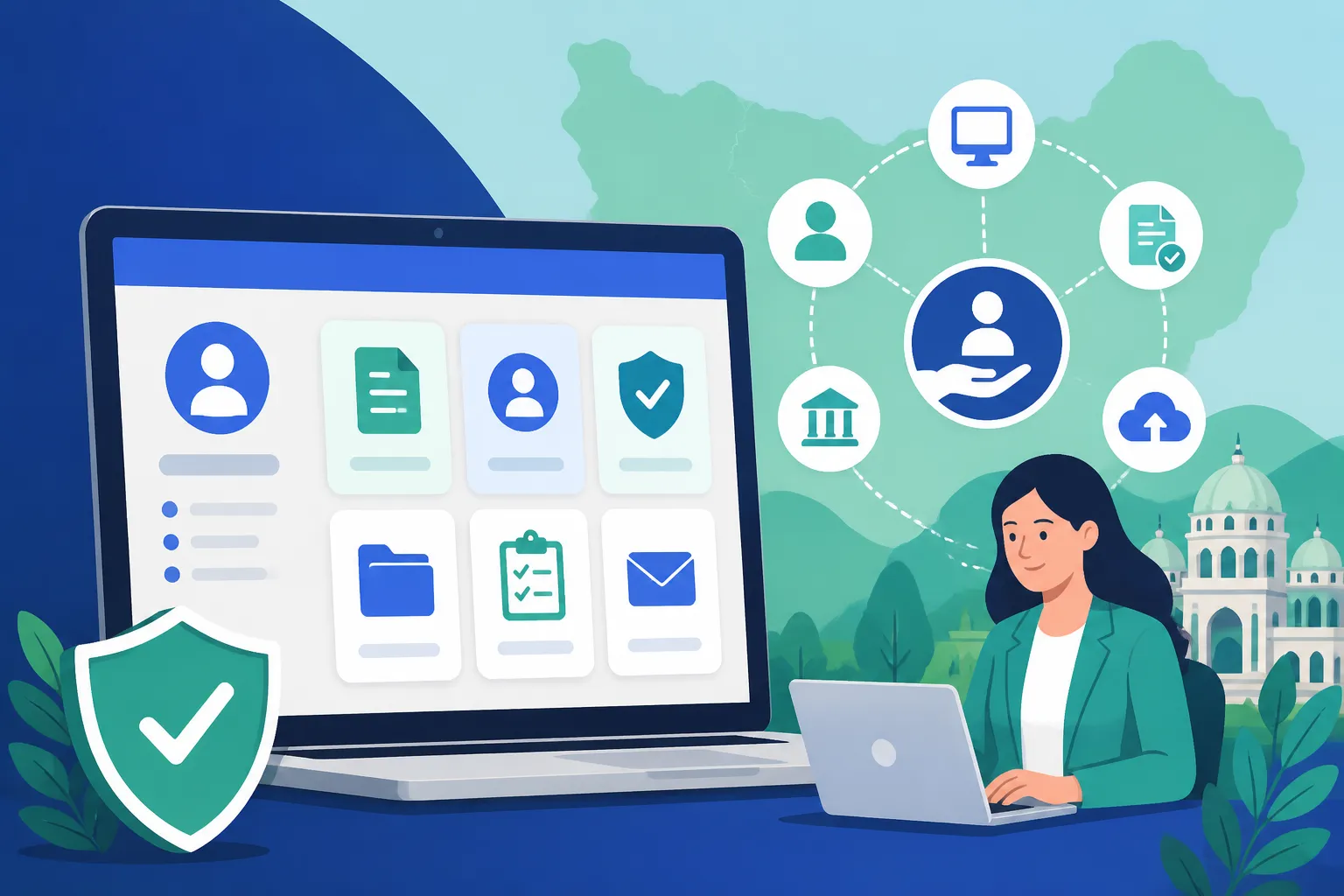
At its heart, the NRA portal is Bulgaria's central digital platform for managing taxes, social security contributions, and various other financial obligations. Think of it as your personal financial dashboard for dealing with the state. It allows individuals, self-employed persons, and businesses to access their tax information, file declarations, make payments, and communicate with the NRA without needing to visit an office in person. For us expats, this means a potential escape from long queues and endless paperwork, assuming you can conquer the initial setup. Whether you're an employee, a freelancer, or a property owner, your interactions with the Bulgarian tax system will invariably lead you to this portal. It’s where you’ll confirm your tax residency, check for outstanding obligations, and even retrieve documents. It’s a core component of how Bulgaria's tax system works.
For example, if you're working here, your employer handles most of your contributions. But if you're a freelancer, or perhaps you own a property and receive rental income, the onus is on you to declare and pay. The portal is the primary conduit for these actions. It consolidates information, making it theoretically easier to see your financial obligations and history. It's designed to provide transparency and efficiency, albeit with a uniquely Bulgarian flavour that often requires a thick skin and a good dose of patience from us foreigners. Without understanding it, you're essentially flying blind in a crucial aspect of your expat life.
The Benefits of Embracing NRA E-Services
Despite the initial pain points, there are genuinely significant benefits to getting comfortable with the NRA's e-services. For starters, convenience is a big one. Imagine having to physically go to an NRA office every time you needed a statement or wanted to file a simple declaration. The time saved, not to mention the avoidance of potential language barriers in person, is invaluable. The portal is available 24/7, meaning you can handle your tax affairs on your schedule, even if that's at 3 AM fueled by strong Bulgarian coffee.
Furthermore, the portal offers a level of insight into your tax status that you simply can't get otherwise. You can view your tax account, see what payments have been registered, check for any discrepancies, and even monitor your social security contributions. This transparency is crucial for ensuring you're compliant and for avoiding any nasty surprises down the line. It's also where you'll typically file your annual tax return in Bulgaria, which is a mandatory step for most residents with income. Beyond just filing, you can track the status of your submissions, apply for tax refunds, and get official documents, all from your computer. For anyone looking to minimize in-person bureaucratic interactions, mastering the portal is key.
Your Essential Keys to Access: PIC, BULSTAT, and the Digital Signature
Alright, let's talk about getting through the front door of this digital fortress. The NRA portal isn't like logging into your email; there are a few very specific keys you need, and obtaining them can be a bit of a hurdle. But trust me, once you have them, the access they grant is well worth the effort. These are the Personal Identification Code (PIC), the BULSTAT number, and the infamous Qualified Electronic Signature (QES), or Квалифициран електронен подпис (КЕП) as it's known locally.
Obtaining Your Personal Identification Code (PIC)
Before you can dive deep into the NRA portal, you’ll absolutely need a Personal Identification Code, or PIC. This isn’t the same as your EGN (civil identification number) or your personal number from your residence permit. The PIC (Personal Identification Code) is specifically issued by the NRA itself and acts as your unique identifier within their system. It’s crucial because it links all your tax and social security data to one centralized identifier. Without it, you’re basically invisible to the online portal.
The process to get a PIC is relatively straightforward, but it does require a visit to a regional NRA office. You'll need your valid passport or ID card, and your Bulgarian residence permit. Go to the information desk, explain that you need a "Personal Identification Code from NRA" (Личен идентификационен код от НАП – LICHEN IDENTIFIKATSIONEN KOD ot NAP). They'll usually direct you to a specific counter where you fill out a short application form. It’s often issued on the spot or within a day or two. Remember to keep this number safe, as you’ll need it for certain online queries, even if you eventually get a QES. This is one of the initial steps to properly How to Register with the National Revenue Agency (NRA) in Bulgaria.
The Significance of a BULSTAT for Self-Employed Expats
Now, if you're just an employee, the PIC might be enough for basic services. But if you’re venturing into the world of freelancing, running your own small business, or acquiring property in your own name as a foreigner, you’ll also need a BULSTAT number. This is essentially a national identification number for legal entities, self-employed individuals, and certain other types of organizations or persons who aren't registered with a company and don't have an EIK (Unified Identification Code). For many expats, this is the first real step into being recognized as an economic actor in Bulgaria.
The BULSTAT register is managed by the Registry Agency, not directly the NRA, but the two systems are intertwined. Once you have a BULSTAT, all your professional and property-related financial activities will be linked to it. For instance, if you operate as a How to Pay Tax as a Freelancer or Sole Trader in Bulgaria, your BULSTAT number is paramount for invoicing, tax declarations, and pretty much every official interaction. You can learn more about How to Get a Tax ID (BULSTAT) as a Foreigner in Bulgaria in a dedicated guide. It’s important to understand that while the PIC identifies you as an individual within the NRA system, the BULSTAT identifies you in your capacity as an economic operator.
Deciphering the Digital Signature Requirement (Квалифициран електронен подпис – КЕП)
Here's where things can get a bit more complex, and often, frustrating. To fully utilize the NRA online portal – to submit declarations, sign documents electronically, and access your full range of personalized services – you absolutely need a Qualified Electronic Signature (QES), or КЕП (KEP). Think of it as your digital passport and pen, all rolled into one. It verifies your identity and proves that you are indeed the one "signing" or submitting a document online. Without it, you're limited to viewing public information or accessing a very basic set of services, usually requiring manual submission of forms.
Obtaining a QES involves going through an accredited certification service provider in Bulgaria. There are several, with popular ones including InfoNotary, Stampit (formerly B-Trust), and Evrotrust. Each has slightly different procedures and pricing, but generally, you'll need to visit one of their offices with your ID, residence permit, and possibly your PIC. They will issue you a USB token or provide a mobile app-based solution for your QES. This certificate typically lasts for 1 to 3 years and comes with an annual fee. While a hassle to get, once you have your QES, the NRA portal truly opens up for you. It simplifies many processes, making it far easier to Filing Your Tax Return with the National Revenue Agency in Bulgaria: The Complete Walkthrough (2027).
| Access Method | What it Grants Access To | Common Use Cases for Expats | Where to Obtain |
|---|---|---|---|
| Personal Identification Code (PIC) | Basic services, viewing general information, limited personal data. | Checking basic tax obligations (with manual verification). | Regional NRA office (in person) |
| BULSTAT Number | Required for self-employed status, property ownership, business-related tax filings. | Registering as a freelancer, declaring rental income. | Registry Agency (in person or via legal representative) |
| Qualified Electronic Signature (QES / КЕП) | Full access to all e-services, electronic signing, submission of all declarations and forms. | Online tax filing, viewing detailed financial records, applying for refunds, communicating with NRA. | Accredited providers (InfoNotary, Stampit, Evrotrust) (in person) |
Navigating the Digital Labyrinth: Core Services for Individuals and Expats
Once you've battled through the initial registration and finally have your shiny new QES, the real journey begins: navigating the actual NRA online portal. It can still feel like a maze, even with full access. The interface isn't always the most intuitive, and translations can be… interesting. But with a bit of guidance, you'll start to recognize the crucial areas for managing your financial life in Bulgaria.
Checking Your Tax Status and Obligations
One of the most valuable features for any expat is the ability to check your current tax status and obligations. This is particularly useful if you're trying to get a handle on your Understanding the Flat 10% Personal Income Tax in Bulgaria, or if you're concerned about whether all your social and health contributions have been correctly registered. After logging in with your QES, you'll typically find sections related to "My Account" or "Моята сметка" (Moyata smetka). Here, you can usually view a summary of your outstanding obligations, any overpayments, and a history of declarations submitted.
For example, you can check if your employer has correctly paid your Understanding Mandatory Social and Health Contributions in Bulgaria. This is crucial for your healthcare access and future pension entitlements. If you’re a freelancer, you can see if your self-declared contributions have been processed. This feature provides peace of mind and allows you to proactively address any discrepancies before they become larger problems. It’s your opportunity to be informed and stay compliant without having to guess or rely solely on third parties.
Accessing Documents and Statements Electronically
Another major benefit is the ability to access and download various official documents and statements directly from the portal. Forget waiting weeks for a letter in the mail or making a special trip to an NRA office for a simple piece of paper. With your QES, you can often retrieve these instantly. This includes tax declarations, statements of paid taxes and social security contributions, and certificates of tax residency. For expats, this is a godsend, especially when you need these documents for other administrative tasks, such as applying for a loan, renewing your residence permit, or dealing with tax authorities in your home country if you're trying to figure out Understanding Double Taxation Agreements and Foreign Income in Bulgaria.
You can typically find these under sections like "Справки и документи" (Spravki i dokumenti – References and Documents). Need a proof of income for a visa application? Check here. Want to confirm you've paid all your local taxes for the year? This is the place. It puts the power of information directly into your hands, eliminating much of the traditional bureaucratic run-around that can be so draining for newcomers.
Managing Your Personal Information
While not as frequently used as the other functions, the portal also allows you to review and, in some cases, update certain aspects of your personal information registered with the NRA. This might include your contact details, registered addresses, or banking information for refunds. It's always a good idea to periodically check this section to ensure everything is accurate and up-to-date. Inaccurate information can lead to missed communications or delays in receiving refunds, which is the last thing any expat wants.
You might find this under a "Профил" (Profil – Profile) or "Лични данни" (Lichni danni – Personal Data) section. While major changes like your EGN or name would typically require an in-person visit to relevant authorities first, keeping your address and phone number current on the NRA portal ensures they can reach you if needed. It’s part of building a complete and accurate digital footprint with the Bulgarian state, which is essential for seamless integration.
Hands-On Tasks: Filing Taxes, Paying Contributions, and Other Online Actions
This is where the rubber meets the road. The core functionality of the NRA portal is to allow you to perform essential tax and financial actions online. For many expats, particularly those who are self-employed or have diverse income streams, this is where the portal truly becomes indispensable. Let's delve into the most common tasks.
Filing Your Annual Tax Return Online
Ah, the annual tax return – a universal constant of adult life, no matter where you live. In Bulgaria, most individuals are required to file an annual personal income tax declaration by April 30th for the previous year. If you have a QES, the NRA portal is the easiest and most recommended way to do this. The portal pre-fills some information based on data already available to the NRA (like income from Bulgarian employers), but you’ll still need to input any additional income, deductions, or other relevant details yourself. This includes rental income, foreign-sourced income, capital gains, or income from self-employment.
The section for filing is usually called "Подаване на декларации" (Podavane na deklaratsii – Submission of Declarations) or something similar. You'll select the relevant form (Form 50 for individuals is the most common), fill it out digitally, and then sign it with your QES. While the idea of filling out a tax form in Bulgarian might seem terrifying, many English-speaking accountants in Bulgaria are very familiar with the online portal and can either guide you or file on your behalf. Companies like Taxes for Expats specialize in helping foreigners navigate these complexities, especially when dealing with dual tax residency. Filing online often also means you get your tax refund (if applicable) much faster, deposited directly into your designated bank account. Remember that this process is outlined in detail in guides like Filing Your Tax Return with the National Revenue Agency in Bulgaria: The Complete Walkthrough (2027).
Paying Taxes and Social Contributions
Once you’ve declared your income or identified outstanding obligations, the next step is payment. The NRA portal provides an easy way to generate payment orders for various taxes and social contributions. You can typically find a "Плащане" (Plashtane – Payment) section. Here, you'll specify the type of tax or contribution, the period it relates to, and the amount. The system will then generate a payment order with all the correct bank details, unique reference numbers, and codes needed for a successful transfer.
You can then take these details and make the payment either through your Bulgarian bank's online banking, or through an international money transfer service like Wise if you're paying from a foreign account. Just be absolutely sure to include all the correct reference numbers from the NRA payment order, as incorrect details can lead to your payment not being registered and you still showing as having an outstanding balance. This is particularly vital for freelancers who regularly pay their own social and health contributions. Consistent and accurate payments are key to avoiding issues with Understanding Mandatory Social and Health Contributions in Bulgaria.
Communicating with the NRA Electronically
Beyond just declarations and payments, the portal also allows for direct electronic communication with the NRA. This can be incredibly useful if you have a specific question about your tax account, need to submit additional documents, or want to appeal a decision. You can usually access a secure messaging system or a section for submitting requests, all digitally signed with your QES. This creates a traceable record of your communication, which is invaluable in case of future disputes or misunderstandings.
While you might still encounter some delays or generic responses, having an official channel for communication that doesn't involve deciphering phone calls or making office visits is a huge advantage. It bypasses many potential language barriers and ensures your queries are officially logged. This is often the best way to get clarifications on your specific tax situation or to follow up on the status of a submitted declaration or refund.
When Things Go Sideways: Common Issues and Expat-Specific Challenges
Let’s be real: even the most tech-savvy among us will hit a snag or two when dealing with a foreign government's online systems. The NRA portal is no exception. It’s important to acknowledge these potential frustrations and know that you’re not alone. The goal here isn’t to scare you, but to prepare you for the inevitable moments when things don't go as smoothly as you'd hoped.
Language Barriers and Complex Terminology
The most obvious hurdle for many expats is the language. While parts of the NRA portal might offer English translations, they are often incomplete, machine-generated, or use very formal, technical legal jargon that even native speakers might struggle with. This can make understanding instructions, filling out forms, or interpreting feedback incredibly difficult. You might spend hours trying to figure out what a specific field means or what kind of document they're asking for.
This isn't just a mild inconvenience; it can lead to genuine errors in your declarations or payments, which can have financial consequences. Many expats resort to using browser translation extensions (like Google Translate), but these are never perfect and can sometimes mislead more than help, especially with legal terms. The best approach is often to have a Bulgarian-speaking friend, colleague, or professional sit with you, at least for the initial setup and critical tasks like How to File Your First Tax Return After Moving to Bulgaria. A human translator can bridge the gap in understanding the nuances of phrases and requirements, making a world of difference.
Technical Glitches and Customer Support Woes
Bulgarian government websites, while improving, are not always paragons of technical perfection. You might encounter slow loading times, sections that don't work correctly, error messages that seem to appear out of nowhere, or compatibility issues with certain browsers. Sometimes, the portal might simply be down for maintenance, often without much notice. These technical glitches can be incredibly frustrating, especially when you're on a deadline for a tax submission.
And then there's customer support. While the NRA does have phone lines and email addresses, getting a quick, clear, and helpful response in English can be a challenge. You might find yourself stuck in a loop of automated messages, transferred between departments, or receiving responses that don't quite answer your specific question. It requires persistence, patience, and a thick skin. Don't expect instant gratification; bureaucracy in Bulgaria often moves at its own, unhurried pace. Keep detailed records of any attempts to contact support, including dates, times, and names if possible.
Seeking Professional Help: When to Call in the Experts
There will come a point for many expats where the DIY approach to the NRA portal becomes too overwhelming or too risky. This is perfectly normal and absolutely nothing to be ashamed of. When you’re dealing with something as important as your taxes and legal compliance, getting professional help is often the smartest investment you can make. This is especially true if your financial situation is complex, involving foreign income, multiple properties, or self-employment.
Bulgaria has numerous English-speaking accountants and tax advisors who specialize in assisting expats. They understand the intricacies of Bulgarian tax law, are adept at navigating the NRA portal (including having their own professional QES), and can communicate effectively on your behalf. They can handle your annual tax filings, advise on Understanding the Flat 10% Personal Income Tax in Bulgaria, ensure all social contributions are paid correctly, and represent you in communications with the NRA. Firms like Taxes for Expats are specifically geared towards helping foreigners with these challenges. Consider it an investment in your peace of mind and legal compliance. Sometimes, a bit of money spent on an expert saves you a lot more in potential fines, stress, and wasted time. This is why many ask, Can I Use an Accountant to Help File My Tax Return in Bulgaria? and the answer is a resounding yes!
Beyond the Portal: Additional Resources and Expert Advice for a Smooth Journey
Mastering the NRA online portal is a journey, not a sprint. Even with all the tips and tricks, there will be moments when you need a little extra help. Knowing where to turn and adopting a proactive mindset can make a world of difference in navigating your financial obligations in Bulgaria.
Preparation is Key: Gather Your Documents
Before you even think about logging into the NRA portal to perform a specific task, take the time to gather all the necessary documents. This simple step can save you hours of frustration. For example, when filing your annual tax return, you’ll need:
- Your EGN and PIC (Personal Identification Code).
- Your BULSTAT number (if self-employed or property owner).
- All income statements (e.g., from your employer, rental agreements, invoices if freelance).
- Proof of paid social and health contributions (if self-employed).
- Bank statements, especially if dealing with foreign income or payments from abroad.
- Any receipts for deductible expenses.
Having everything organized in advance means you won't be scrambling mid-form, searching for a specific number or date. Create a digital folder for all your tax-related documents and update it regularly. Being organized is your secret weapon against Bulgarian bureaucracy!
Leverage English-Speaking Assistance
As I’ve mentioned, the language barrier is real. Don't hesitate to seek out English-speaking resources. Many expatriate groups on social media platforms like Facebook often have discussions about specific NRA challenges, and you might find fellow expats who have faced similar issues and can offer advice or recommendations for local professionals. Additionally, some larger cities might have expat support centers or community groups that can point you in the right direction.
When looking for professional help, clearly communicate your needs and ask for references. A good accountant or lawyer will be fluent in English and have extensive experience with expat cases. They should be able to explain the processes in a way you understand, not just rattle off legal jargon. Remember, you're paying for their expertise and ability to simplify complex matters.
Stay Updated and Be Patient
Bulgarian tax laws and administrative procedures can change, sometimes with little fanfare. It's wise to stay generally informed, perhaps by following reputable expat blogs or news sources that cover legal and financial updates relevant to foreigners. While the core 10% flat tax rate on personal income is a stable foundation, details regarding deductions, contributions, or new digital services can evolve.
Finally, cultivate patience. This is perhaps the most crucial advice for anyone dealing with bureaucracy in Bulgaria. Things rarely move as fast as you might expect or hope. There will be delays, unforeseen obstacles, and moments of sheer exasperation. Take a deep breath, walk away from the computer, and come back to it with fresh eyes. Remember, you're doing this to ensure your life here is smooth and compliant, and that's a goal worth persevering for. Don't be afraid to take breaks and tackle the portal in small, manageable chunks. And for those times you need to transfer funds to pay taxes or move money in general, services like Wise are popular among expats for their transparency and competitive exchange rates when How to Transfer Money Into and Out of Bulgaria as an Expat.
Disclaimer
The information provided in this guide is for general informational purposes only and does not constitute professional tax, legal, or financial advice. While we strive to keep the information accurate and up-to-date, laws and regulations in Bulgaria can change. It is essential to consult with a qualified Bulgarian tax advisor or legal professional for advice tailored to your specific situation. Reliance on any information in this guide is solely at your own risk.