What Is the Salary for an English Teacher in Bulgaria?
So, you're dreaming of making the move to Bulgaria and wondering if teaching English can genuinely provide a comfortable life here? It's a common aspiration, and many expats arrive with a TEFL certificate and a head full of dreams, only to find the salary landscape isn't always what they expected. This comprehensive guide is here to give you a realistic, no-nonsense breakdown of what English teachers truly earn in Bulgaria, helping you plan your finances and your future.
The Realities of English Teaching Salaries in Bulgaria
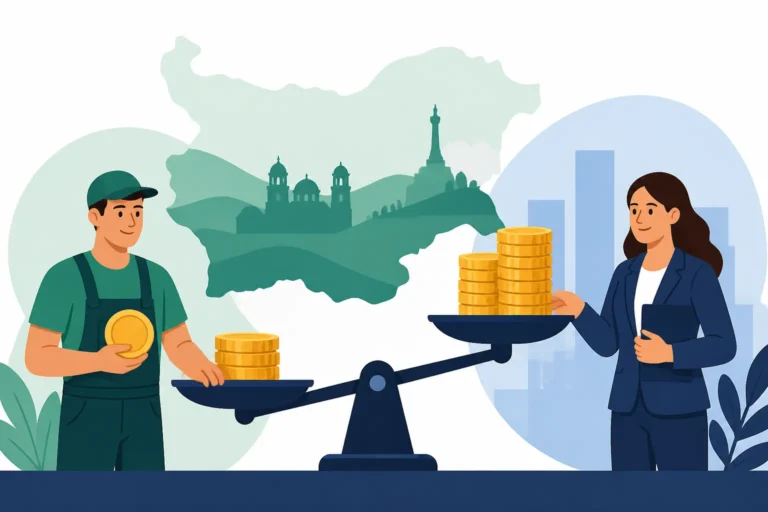
Let's cut right to the chase: an English teacher's salary in Bulgaria isn't going to make you rich by Western European or North American standards. However, what it will do is provide a decent, often comfortable, lifestyle when viewed against the local cost of living. The key is understanding the different tiers of earning potential and what factors play into them. It’s not a one-size-fits-all situation, and your experience, qualifications, and even your nationality can significantly sway your paycheck.
Many people arrive here imagining a vibrant market ready to scoop up any native speaker, but the reality is more nuanced. While there's a consistent demand for good English teachers, the compensation varies wildly depending on where you teach and how you teach. Navigating these options is crucial to setting realistic financial expectations before you even pack your bags.
Average Salary Ranges by Institution Type
When you look at the landscape of English teaching in Bulgaria, you'll find a few distinct pathways, each with its own salary structure. Understanding these will help you target the right jobs for your financial goals.
Private Language Schools: These are perhaps the most common employers for new English teachers, especially if you're fresh off a TEFL course. Schools like Britanica, Avalon, or smaller local academies cater to children and adults looking to improve their English for academic, professional, or personal reasons. A typical starting salary here, especially in bigger cities like Sofia, Plovdiv, or Varna, might range from 800 to 1,500 BGN (Bulgarian Leva) net per month. For someone with a few years of experience and perhaps a CELTA or DELTA, this might stretch to 1,800 BGN. It's not a fortune, but remember, the cost of living is substantially lower here than in many other European countries. These roles often involve teaching a set number of hours (e.g., 20-25 teaching hours per week) with additional time for lesson planning and administrative tasks. You'll typically be paid an hourly rate or a fixed monthly salary.
International Schools: This is where the salaries jump significantly, reflecting the higher qualifications usually required and the demographic they serve – often children of expats or affluent Bulgarian families. International schools, such as the American College of Sofia or the Anglo-American School, usually seek fully qualified, certified teachers with extensive experience and often a teaching license from their home country. Salaries here can range from 2,000 BGN to 4,000 BGN+ net per month, sometimes even higher for leadership roles or very experienced teachers. These positions often come with better benefits, including health insurance, housing allowances, and relocation packages. The downside? They're highly competitive, and without proper teaching credentials and experience, they can be tough to land.
Public Schools: For non-EU citizens, directly securing a teaching position in a Bulgarian public school is rare. Most often, if you find yourself in a public school, it might be through a government exchange program or a specific initiative. EU citizens might find opportunities, but salaries are typically lower than in private language schools, often ranging from 700 to 1,200 BGN net. The bureaucratic hurdles can also be quite significant, making it a less popular choice for most expats looking to teach English.
Private Tutoring: This is often the golden ticket for many English teachers looking to supplement their income, or even make it their primary source of earnings. Hourly rates for private lessons can vary significantly, from 20 BGN to 40 BGN per hour, and sometimes even higher for specialized business English or exam preparation (e.g., IELTS, TOEFL). If you build up a solid client base, teaching 15-20 hours of private lessons a week can easily put you on par with, or even exceed, what you'd earn in a private language school, with the added flexibility of setting your own schedule. Many teachers find clients through word-of-mouth, local expat groups, or online platforms like iTalki, which connect you with students worldwide. This flexibility is a huge perk, allowing you to tailor your work to your personal life and really push your earning potential.
Factors Influencing Your Earning Potential
Your potential income as an English teacher in Bulgaria isn't just about where you teach; several other factors come into play. These are things you can often influence, or at least be aware of, to better position yourself in the job market.
First and foremost are your qualifications and experience. A basic TEFL certificate is usually sufficient for private language schools, but having a CELTA or a university degree in English or Education will give you a considerable edge and often command a higher starting salary. For international schools, a formal teaching license from your home country and several years of classroom experience are typically non-negotiable. Don't underestimate the power of specific experience – if you've taught business English, exam prep, or young learners, highlight that! Schools often pay more for teachers with proven expertise in high-demand areas.
Nationality and visa requirements are another huge factor, especially for non-EU citizens. If you're an EU citizen, you have the right to work in Bulgaria without a separate work permit, making you a more straightforward hire. Non-EU citizens, however, need an employer to sponsor their work permit and a Type D long-stay visa, which can be a lengthy and bureaucratic process. This often means that only international schools or larger, more established private language academies are willing to go through the sponsorship process, as it's a significant investment for them. Smaller schools might prefer EU candidates due to this administrative burden. Understanding how a Work Permit and Single Permit Work for Non-EU Workers in Bulgaria is crucial here.
Location within Bulgaria also plays a significant role. Sofia, as the capital, generally offers the highest salaries and the most job opportunities. However, the cost of living, particularly rent, is also higher. Cities like Plovdiv and Varna offer a good balance, with a vibrant expat community, decent job prospects, and a slightly lower cost of living. In smaller towns and rural areas, job opportunities are scarcer, and salaries will be considerably lower, often making it difficult to live comfortably without significant supplementary income.
Finally, negotiation skills can make a difference. While salaries might seem fixed, especially for entry-level positions, if you bring strong qualifications, relevant experience, or a unique skill set, don't be afraid to negotiate a bit. Research average salaries, highlight your strengths, and present a professional case for why you deserve more.
Navigating the Job Market and Maximizing Your Income
Finding a job as an English teacher in Bulgaria can feel a bit like a treasure hunt, especially if you're not physically in the country yet. It requires persistence, a bit of luck, and knowing where to look. Once you're in, understanding how to boost your earnings beyond a single salary can make a world of difference to your lifestyle here.
It's easy to get disheartened if you're not immediately offered a dream job with a stellar salary. Many expats face this, especially those coming from countries with higher average incomes. But the trick is to be realistic and strategic. Bulgaria offers a wealth of cultural experiences and a relatively low cost of living, which often compensates for the lower salaries compared to other expat destinations.
Finding Teaching Opportunities and Realistic Expectations
The first step is knowing where to look. Online job boards like ESL Cafe, Dave's ESL Cafe, or TEFL.com are good starting points, though you'll often find more listings for international schools there. For private language schools, often direct applications to their websites or inquiries via email are fruitful. Many local schools don't heavily advertise on international boards. You can also explore local Bulgarian job sites, though these might require some translation help. Think about tailoring your CV for the Bulgarian Job Market, as expectations can differ.
It's also important to manage your expectations, especially as a non-EU citizen. The administrative process for obtaining a work permit and residence permit can be lengthy, often taking several months. This means that a school hiring you will be making a commitment, and they often prefer candidates who are already in the country or have an easier visa route. Don't expect to land a job and start teaching within a week of arrival, particularly if you're coming from outside the EU. You'll need to understand the process for How to Get a Residence Permit for Work in Bulgaria if you're a non-EU national.
Networking is surprisingly effective in Bulgaria. Join expat groups on Facebook, attend local meetups, and connect with other teachers. Word-of-mouth referrals are very common, and you might hear about openings that aren't publicly advertised. Sometimes, just showing up at a school with your CV can open doors, especially in smaller towns, though this is less common in the more formal international school environment.
Supplementary Income Streams for English Teachers
Even if your primary teaching salary isn't as high as you'd like, Bulgaria offers ample opportunities to supplement your income, sometimes quite substantially. This is where many expats really start to thrive financially.
Private Tutoring is by far the most popular and lucrative option. As mentioned before, rates range from 20-40 BGN per hour. Think about platforms like iTalki for online tutoring. This is a game-changer because it allows you to set your own rates, work from anywhere with a good internet connection, and teach students from all over the world, not just in Bulgaria. Many teachers here find that a few hours a day on iTalki, combined with a part-time school job, offers a very comfortable income. For in-person tutoring, consider advertising on local expat forums, notice boards in university areas, or even through your existing school contacts. Specializing in exam preparation (e.g., Cambridge exams, IELTS, TOEFL) or business English can command higher rates.
Beyond teaching, many English speakers with good writing or communication skills turn to translation or freelance writing. There's a demand for native English speakers to proofread documents, translate from Bulgarian to English (if you pick up the language!), or write content for various businesses. Websites like Upwork or Fiverr can be avenues for this, or again, local networking. If you're interested in formalizing this, you might even consider How to Register as a Freelancer (Свободна Професия) in Bulgaria to keep everything above board.
Some teachers also dabble in online content creation, perhaps starting a blog about expat life in Bulgaria, or teaching English online through their own channels. While these take time to build, they can become passive income streams. The key is to leverage your native English skills and any other talents you have.
Cost of Living and Financial Planning for English Teachers
Understanding your potential salary is only half the battle; the other half is understanding how that income stacks up against the cost of living. One of Bulgaria's biggest drawcards for expats is its affordability, and this plays a crucial role in making an English teacher's salary viable.
You might look at an 800-1500 BGN salary and balk, especially if you're comparing it to earnings back home. However, it's vital to remember that a Euro (or BGN) goes a lot further here. Your rent, groceries, and leisure activities will likely be significantly cheaper, allowing for a quality of life that might surprise you. This balance is what makes Bulgaria such an attractive destination for many.
Balancing Income with Bulgarian Living Costs
Let's break down some typical monthly expenses so you can see how that English teacher salary might stretch. For a single person living in Sofia, the most expensive city, a realistic budget could look something like this:
- Rent: A one-bedroom apartment in a decent area of Sofia could be anywhere from 600 BGN to 1,000 BGN. Outside of Sofia, in cities like Plovdiv or Varna, you could expect to pay 400 BGN to 700 BGN for something similar. Shared accommodation can, of course, be even cheaper. To get a better grasp, check out How Much Does It Cost to Rent an Apartment in Sofia in 2026.
- Utilities: Electricity, water, heating (especially in winter!), and internet/mobile can range from 150 BGN to 300 BGN per month, depending on usage and apartment size. Internet and mobile plans are remarkably affordable.
- Groceries: Around 300 BGN to 500 BGN per month will get you a good, healthy diet. Local markets offer fresh produce at fantastic prices.
- Transport: A monthly public transport pass in Sofia is around 50 BGN. Taxis are also very affordable compared to other capitals.
- Eating Out/Leisure: This is where you can really save. A nice meal at a mid-range restaurant can be 20-40 BGN, a coffee for 3-5 BGN, and a beer for 3-6 BGN. If you enjoy socialising, plan for another 200-400 BGN.
So, a rough monthly expenditure in Sofia for a single person could be around 1,300 BGN to 2,000 BGN. If you're earning 1,500 BGN from a school, and add another 500-1,000 BGN from private tutoring, you can see how a comfortable life becomes very achievable. For a more detailed look, this guide on How Much Is the Cost of Living in Bulgaria for Expats is incredibly helpful.
Understanding Taxes and Financial Obligations
Navigating the financial side of living abroad, beyond just your immediate expenses, is essential. Bulgaria has a very attractive flat income tax rate of 10% for individuals, which is one of the lowest in the EU. This is a significant advantage compared to many other countries where progressive tax systems can eat into a larger portion of your income.
However, it's not just income tax you need to consider. You'll also have social security and health contributions. If you're formally employed by a school, these contributions will be deducted directly from your gross salary. Your employer typically covers a larger portion, while you contribute a smaller percentage (around 13-14% of your gross income, up to a ceiling). These contributions ensure you're covered by the National Health Insurance Fund (NHIF) and contribute towards a future pension. To fully understand your obligations, checking out Understanding Mandatory Social and Health Contributions in Bulgaria is highly recommended.
If you're self-employed, perhaps through extensive private tutoring or freelance work, you'll be responsible for calculating and paying your own social and health contributions, as well as income tax, as a freelancer. This requires a bit more administrative effort, but it's manageable. Many expats find it useful to consult with an accountant, especially when they first arrive, to ensure they're compliant with all local tax laws. Services like Taxes for Expats can be invaluable here, offering specialized advice for those with mixed income streams or foreign income. It’s always best to be proactive about your tax planning to avoid any unwelcome surprises down the line. For a deeper dive into the system, read The Complete Guide to Taxes in Bulgaria for Expats (2027).
| Institution Type | Average Monthly Net Salary (BGN) | Typical Qualifications Required | Additional Benefits Often Included |
|---|---|---|---|
| Private Language School | 800 – 1,500 | TEFL/CELTA, Bachelor's Degree (preferred) | None to basic private health |
| International School | 2,000 – 4,000+ | Certified Teacher (Home Country), 2+ years exp. | Health insurance, housing, flights |
| Public School | 700 – 1,200 | University Degree, some teaching cert. | Basic public health |
| Private Tutoring (Hourly) | 20 – 40 per hour | Native speaker, TEFL/CELTA (optional, for cred) | Flexibility, direct payment |
Remember, these are averages, and your actual earnings will depend on all the factors discussed above. With smart planning, an English teacher's salary in Bulgaria, especially when combined with supplementary income, can offer a fulfilling and financially stable expat life.
Disclaimer
The information provided in this guide is for general informational purposes only and does not constitute financial, legal, or tax advice. While every effort has been made to ensure accuracy, laws and regulations in Bulgaria can change. It is strongly recommended to consult with qualified local professionals for advice tailored to your specific situation.