What Should I Pack in a Home Medical Kit for Bulgaria?
Arriving in a new country like Bulgaria, with its different language and healthcare system, can feel incredibly daunting, especially when a minor sniffle or a scraped knee inevitably pops up. That initial confusion of "Where do I even go?" or "What's the Bulgarian word for indigestion?" is a universal expat experience. This guide aims to alleviate some of that anxiety by helping you assemble a practical, comprehensive home medical kit, ensuring you're prepared for those everyday ailments without immediately needing to navigate a foreign pharmacy or doctor's office.
Why a Robust Home Medical Kit is Essential in Bulgaria
Let's face it, moving to Bulgaria is exciting, but it also comes with its fair share of adjustments. One of the biggest, and often overlooked, is how you'll handle those inevitable minor health hiccups. Having a well-stocked home medical kit isn't just about convenience; it's about empowerment and peace of mind when you're far from your familiar comforts.
Bridging Language Gaps and Navigating Unfamiliar Systems
Imagine this: you wake up with a nasty headache, or your little one has a fever. In your home country, you'd probably know exactly what to grab from the cupboard or which trusted pharmacy brand to ask for. Here in Bulgaria, it's a whole different ballgame. The names of medications are different, the active ingredients might be listed in Cyrillic, and explaining your symptoms to a pharmacist who might not speak perfect English can be a real challenge.
Even if you're a quick study with languages, medical terminology can be complex. You might know how to ask for bolka (pain), but differentiating between a dull ache and a sharp one, or explaining specific allergy symptoms, can be tricky. Having your go-to remedies already at hand eliminates this initial hurdle. It means you can treat the issue immediately and calmly, rather than trying to decipher labels or mime symptoms while feeling unwell. This self-reliance in the early stages can significantly reduce stress and help you maintain your well-being.
Dealing with Minor Ailments Before Needing a Doctor
For many expats, especially when you're just settling in, the thought of needing to see a doctor for something minor like a cold or an upset stomach can be overwhelming. You might still be in the process of registering with the National Health Insurance Fund (NHIF), or perhaps you haven't chosen a General Practitioner (GP) yet. This transitional period can leave you feeling vulnerable if you fall ill.
A well-equipped medical kit acts as your first line of defense. Common issues like seasonal allergies (Bulgaria has some strong pollen seasons!), insect bites (especially during the warmer months), minor cuts, or the ubiquitous "new country stomach" from unfamiliar foods or water can all be managed at home. This approach not only saves you the time and hassle of an unnecessary doctor's visit or a trip to an unfamiliar clinic but also potentially saves you money, as you won't be paying out-of-pocket for consultations for issues you could easily handle yourself. Remember, understanding How Much Does a Doctor Visit Cost in Bulgaria? can highlight the financial benefit of self-care for minor issues. It allows you to reserve those doctor visits for truly necessary situations, ensuring you can focus on getting properly registered with the NHIF and finding a good GP when you're ready.
The Core Essentials: Over-the-Counter Medications
When you're building your home medical kit for Bulgaria, think about the everyday annoyances and minor emergencies you or your family might encounter. These are the workhorse medications that provide quick relief and prevent small problems from becoming bigger ones.
Pain Relief and Fever Reducers
These are absolute non-negotiables. You'll want to pack a good supply of both paracetamol (often sold under brands like Paracetamol Actavis or generic Paracetamol here, similar to Tylenol) and ibuprofen (commonly found as Nurofen, Brufen, or generic Ibuprofen). Paracetamol is generally good for headaches, muscle aches, and fevers, while ibuprofen also tackles inflammation.
Make sure to bring different strengths if you have varying needs (e.g., specific doses for adults versus children). If you have young children, liquid formulations or chewable tablets are a must. While you can find these in Bulgarian pharmacies, knowing the active ingredient and having a supply from home means you're not trying to convert dosages or decipher Cyrillic labels when your child is distressed. It's always a good idea to pack both, as one might work better for certain types of pain or individuals.
Digestive Distress Remedies
This category is often underestimated but becomes crucial when you’re adapting to new culinary experiences or simply encounter a rogue bacteria. An upset stomach, bloating, or even traveler's diarrhea are common when moving abroad. Pack anti-diarrhea medication like loperamide (e.g., Imodium or its Bulgarian equivalent Smecta, which is a clay-based powder for acute diarrhea) and some reliable antacids (like Rennie or Almagel). Probiotics are also a fantastic idea to help maintain gut health and can be taken preventatively or during a bout of digestive upset.
Don't forget rehydration salts (Orsalit is a common brand in Bulgaria) – these are vital for preventing dehydration, especially if you or a family member experiences vomiting or severe diarrhea, particularly during Bulgaria's hot summer months. They help replenish lost electrolytes far more effectively than just water.
Allergy and Cold & Flu Relief
Bulgaria experiences distinct seasons, and with them come different allergens and cold/flu bugs. Having a stash of antihistamines is a smart move. Common non-drowsy options like loratadine or cetirizine (you'll find Claritin and Zyrtec here, as well as local generics) are excellent for hay fever, pet allergies, or reactions to insect bites. For topical relief from bites or minor rashes, a cream or gel like Fenistil gel is widely available and effective.
For colds and flu, stock up on decongestants (nasal sprays like Otrivin or oral tablets containing pseudoephedrine/phenylephrine). Cough syrups are also important; distinguish between an expectorant (for chesty coughs to help clear mucus) and a suppressive (for dry, irritating coughs). Throat lozenges (e.g., Strepsils, Septolete) provide welcome relief for sore throats. And don't underestimate the power of Vitamin C and zinc supplements to support your immune system during those peak cold seasons.
Skin and Wound Care
Bumps, scrapes, and minor cuts are inevitable, especially if you're exploring the Bulgarian outdoors or just clumsy like me. Your kit should include a robust selection of wound care essentials. Start with antiseptic wipes or a small bottle of antiseptic solution (like Betadine or hydrogen peroxide) to clean wounds. Rubbing alcohol is also useful for sterilizing tweezers.
A variety of band-aids (лейкопласт – leukoplast in Bulgarian) in different shapes and sizes, sterile gauze pads, and medical tape are crucial. For minor cuts and abrasions, an antibiotic ointment (e.g., Baneocin is a common Bulgarian brand, offering broad-spectrum antibiotic protection) can prevent infection. Hydrocortisone cream is excellent for soothing itchy skin, rashes, or reactions to insect bites. And if you're prone to minor burns from cooking or hot surfaces, a small tube of burn cream will be a welcome addition. Don't forget those essential insect bite relief creams – the local mosquitos can be quite persistent, particularly in rural and coastal areas!
First Aid and Health Monitoring Tools
Beyond the medications, a truly comprehensive home medical kit needs some basic tools and a system for organizing vital health information. These items often get overlooked, but they can be invaluable in a pinch.
Basic First Aid Supplies
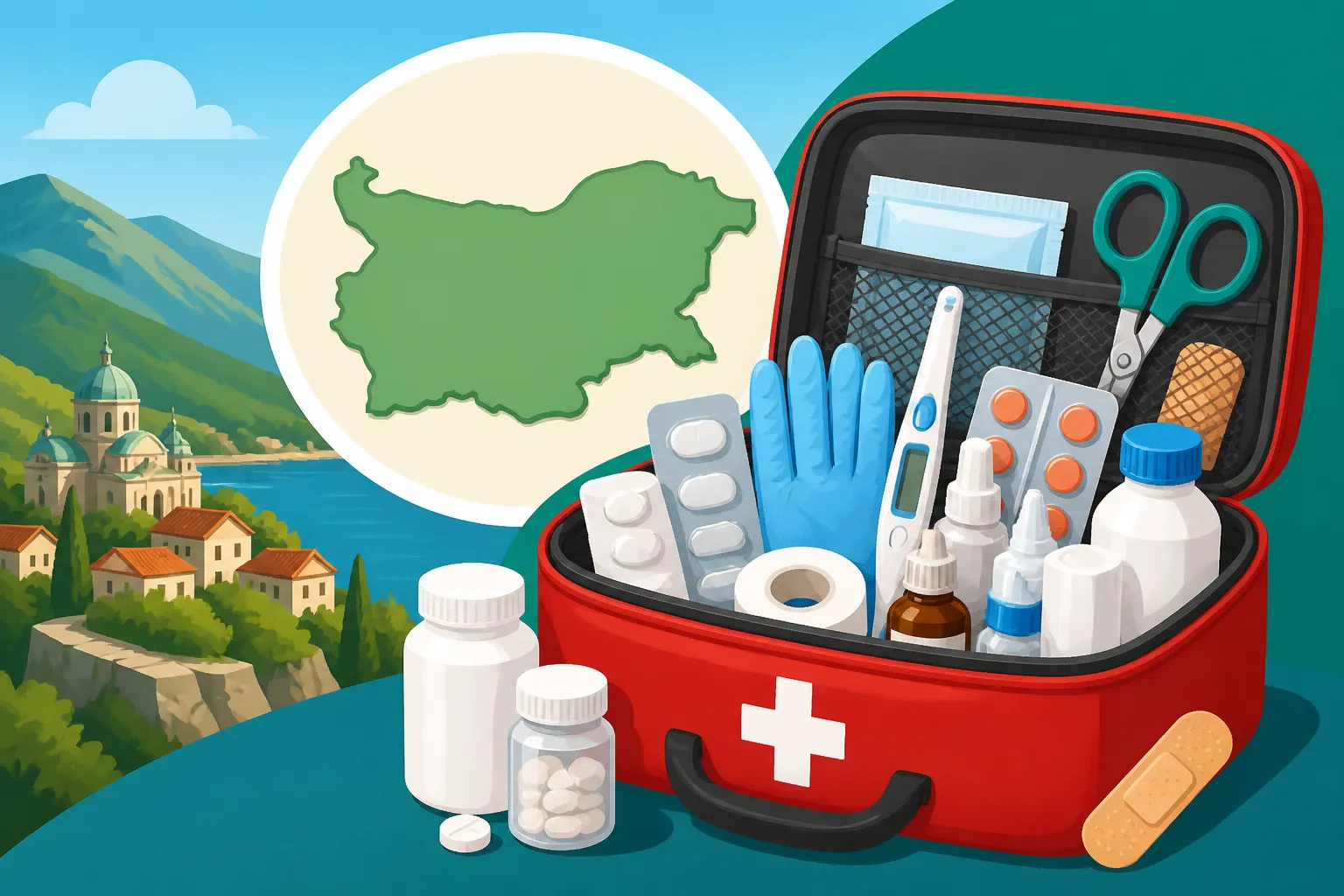
Sometimes, you need more than just a pill. A good pair of tweezers is essential for removing splinters, thorns, or those pesky ticks that are a concern if you spend time hiking or in grassy areas. Small, sharp scissors are useful for cutting bandages or tape. A reliable digital thermometer is a must-have for monitoring fevers, especially with children. You’ll want hot/cold packs (the instant kind are great for travel, or reusable gel packs for home) for sprains, muscle aches, or swelling. Elastic bandages are useful for providing support to strained joints. Finally, a few safety pins can help secure bandages or slings in a pinch. These simple tools empower you to handle minor injuries effectively without needing immediate medical assistance.
Personal Prescription Medications and Storage
This is arguably the most critical section for anyone on long-term medication. Always, always ensure you bring at least a one-month supply of any prescription medications you regularly take, and ideally, closer to a three-month supply, especially when first moving to Bulgaria. The last thing you want is to run out of crucial medication while navigating the local healthcare system.
Keep all prescription medications in their original packaging with clear labels, and carry a doctor's note or prescription copy explaining the medication, dosage, and your medical condition. This is especially important for controlled substances or if you need to explain your medications at customs. Once you're here, one of your first tasks should be to figure out how to get repeat prescriptions. This might involve registering with a local GP and having them review your current medications. You might be surprised to find that some medications, readily available over-the-counter in your home country, require a prescription here, or vice versa. Getting a new prescription may require finding How to Find an English-Speaking Doctor in Bulgaria who can understand your needs and re-prescribe appropriate local equivalents. Be patient, as this can take some time and a bit of administrative back-and-forth.
Essential Health Information and Contact Details
In an emergency, knowing who to call and what information to provide can save critical time. Keep a clearly written list in your medical kit (and a digital copy on your phone) with key emergency numbers, including the universal European emergency number 112 for all emergencies in Bulgaria. Once you’ve registered with a GP, add their contact details, along with the address and phone number of your nearest pharmacy or 24-hour pharmacy.
Beyond contacts, have a succinct list of your vital health information: known allergies (especially to medications), chronic medical conditions, your blood type, and any regular medications you take. If you have international health insurance, make sure your policy number and the emergency contact details for your provider (like SafetyWing, for example, which is popular with expats for its comprehensive coverage) are readily accessible. For those moments when you're caught off guard, this information can be a lifeline. Consider wearing a medical alert bracelet if you have a serious condition or severe allergies, which provides critical information to first responders. Remember, Understanding Emergency Numbers (112) and Ambulance Care in Bulgaria is vital, even with a comprehensive home kit.
Specialized Items and Bulgarian Considerations
Beyond the basics, there are a few additional items and local considerations that can further enhance your home medical kit, making it truly tailored for life in Bulgaria.
Eye and Ear Care
Our eyes and ears are susceptible to minor irritations that can become quite annoying if left untreated. Keep a small bottle of saline solution for rinsing eyes if you get dust or foreign particles in them, which can be common in cities during dry periods or if you're exploring dusty rural areas. Lubricating eye drops can be a godsend for dry or tired eyes, especially if you spend a lot of time in air-conditioned environments or in front of screens.
For ear care, consider ear drops for minor earaches (often soothing with natural oils) or for softening wax buildup, which can be particularly irritating if you're prone to it. These are usually readily available over-the-counter in Bulgarian pharmacies, but having a trusted brand from home means immediate relief without the language barrier.
Sun Protection and Insect Repellent
Bulgaria's climate means hot, sunny summers and vibrant outdoor life. High SPF sunscreen (SPF 30 or higher) is non-negotiable, even on seemingly cloudy days. The sun here, especially in the south and along the Black Sea coast, can be surprisingly intense, and sunburn is a quick way to spoil your day. Don't forget a good quality after-sun lotion to soothe skin if you do get a bit too much sun.
Equally important, especially if you live near green areas, water, or plan on hiking, is strong insect repellent. Mosquitoes can be a nuisance from spring through autumn, and ticks are a serious concern in wooded and grassy areas. Look for repellents containing DEET or Icaridin for effective protection against ticks. Being proactive with repellent can save you a lot of discomfort and worry, as tick-borne illnesses are present here.
Over-the-Counter Availability and Equivalents in Bulgaria
One of the quirks of the Bulgarian healthcare system is that while many common medications are available over the counter, their brand names will likely be unfamiliar. You’ll find equivalents for almost everything, but you might need to ask the pharmacist for the active ingredient rather than a specific brand name you know from back home. Pharmacists in Bulgaria are generally very knowledgeable and helpful, and often speak some English, especially in larger cities like Sofia, Plovdiv, or Varna. Don't be shy about showing them a picture of your medication's packaging or writing down the active ingredient.
Major pharmacy chains like Sopharmacy, Remedium, and Subra are prevalent throughout the country, and their staff can assist you. However, for a quick solution when you're feeling unwell, having your kit handy is much easier than trying to find a pharmacy that's open, navigate a new environment, and then explain what you need. Remember, Prescription Medications and Pharmacies in Bulgaria: The Complete Guide offers a deeper dive into how the local pharmacy system works.
Here's a quick guide to some common ailments and what you might find or ask for in a Bulgarian pharmacy:
| Ailment/Category | Recommended Item (General) | Common Bulgarian Equivalent / Active Ingredient | Notes |
|---|---|---|---|
| Pain/Fever | Paracetamol, Ibuprofen | Парацетамол (Paracetamol), Ибупрофен (Ibuprofen), Аналгин (Analgin) | Analgin is a common painkiller here. Look for active ingredient, dosage. |
| Diarrhea | Loperamide, Smecta | Имодиум (Imodium), Смекта (Smecta), Ентерол (Enterol) | Rehydration salts are Orsalit. |
| Allergies | Loratadine, Cetirizine | Кларитин (Claritin), Зиртек (Zyrtec), Алергозан (Allergosan) | Fenistil gel for bites/rashes. |
| Antiseptic | Betadine, Alcohol | Бетадин (Betadine), Спирт (Spirt – alcohol), Кислородна вода (Kislorodna voda – hydrogen peroxide) | These are standard. |
| Wound Ointment | Antibiotic cream | Банеоцин (Baneocin), Фуцидин (Fucidin) | Topical antibiotics. |
| Cough Relief | Cough syrup | Сироп за кашлица (Sirop za kashlitsa) – many brands | Differentiate between dry cough and productive cough. |
| Throat Lozenges | Strepsils, Septolete | Стрепсилс (Strepsils), Септолете (Septolete), Тантум Верде (Tantum Verde) | Various flavors and active ingredients available. |
| Sunburn Relief | Aloe Vera, After-sun | Алое Вера (Aloe Vera), Пантенол (Pantenol) | Pantenol is very popular for burns and skin regeneration. |
| Insect Repellent | DEET-based spray | Autan, Off!, SSS (many local brands) | Look for sprays against mosquitoes and ticks. |
Travel and Temporary Health Insurance for Peace of Mind
While your home medical kit is fantastic for minor issues, it’s crucial to understand that it’s not a substitute for proper health insurance. Especially when you first arrive in Bulgaria, before you’re fully integrated into the NHIF system, or if you’re a tourist, having comprehensive health insurance is paramount. This is where options like SafetyWing shine.
Many expats use SafetyWing for their initial period in Bulgaria because it offers flexible and affordable travel medical insurance designed specifically for digital nomads and long-term travelers. It covers unexpected medical emergencies, hospital stays, and doctor visits while you're getting settled, providing a vital safety net before you've fully registered with the local healthcare system. It's truly a lifesaver for those initial months, ensuring that serious issues are covered and you're not left with exorbitant medical bills.
Even once you’re integrated into the NHIF, having private insurance can offer benefits like shorter wait times for specialists or access to private clinics. However, SafetyWing is particularly valuable for bridging that gap when you're fresh off the plane. It’s always good to review Understanding Private Health Insurance Plans in Bulgaria to see how temporary or private insurance complements the public system. Your home kit covers the small stuff, but good insurance covers the big, scary, and expensive stuff.
Disclaimer
The information provided in this guide is for general informational purposes only and does not constitute medical advice. Always consult with a qualified healthcare professional for any health concerns or before making any decisions related to your health or treatment. The availability and specific brand names of medications may vary in Bulgaria.