Can I Buy Antibiotics Over the Counter in Bulgaria?
It's a common expat lament when you feel that tickle in your throat or a nagging earache: "Can I just pop into a pharmacy and grab some antibiotics like I used to back home, or like I've heard you can in some European countries?" The short answer in Bulgaria, and the one you really need to heed, is generally "no" for over-the-counter access. This guide is here to walk you through the realistic steps to get the medication you need without any unnecessary headaches or, worse, health risks.
The Reality of Over-the-Counter Antibiotics in Bulgaria
Let's clear the air right away. Many of us arrive in Bulgaria with stories or expectations based on other countries where antibiotics might have been more freely available. You might have even heard whispers from older expats that "you used to be able to get anything." While that might have held a kernel of truth in the distant past, the reality in Bulgaria today is that antibiotics are strictly prescription-only medicines.
Dispelling the Myth: What the Law Says
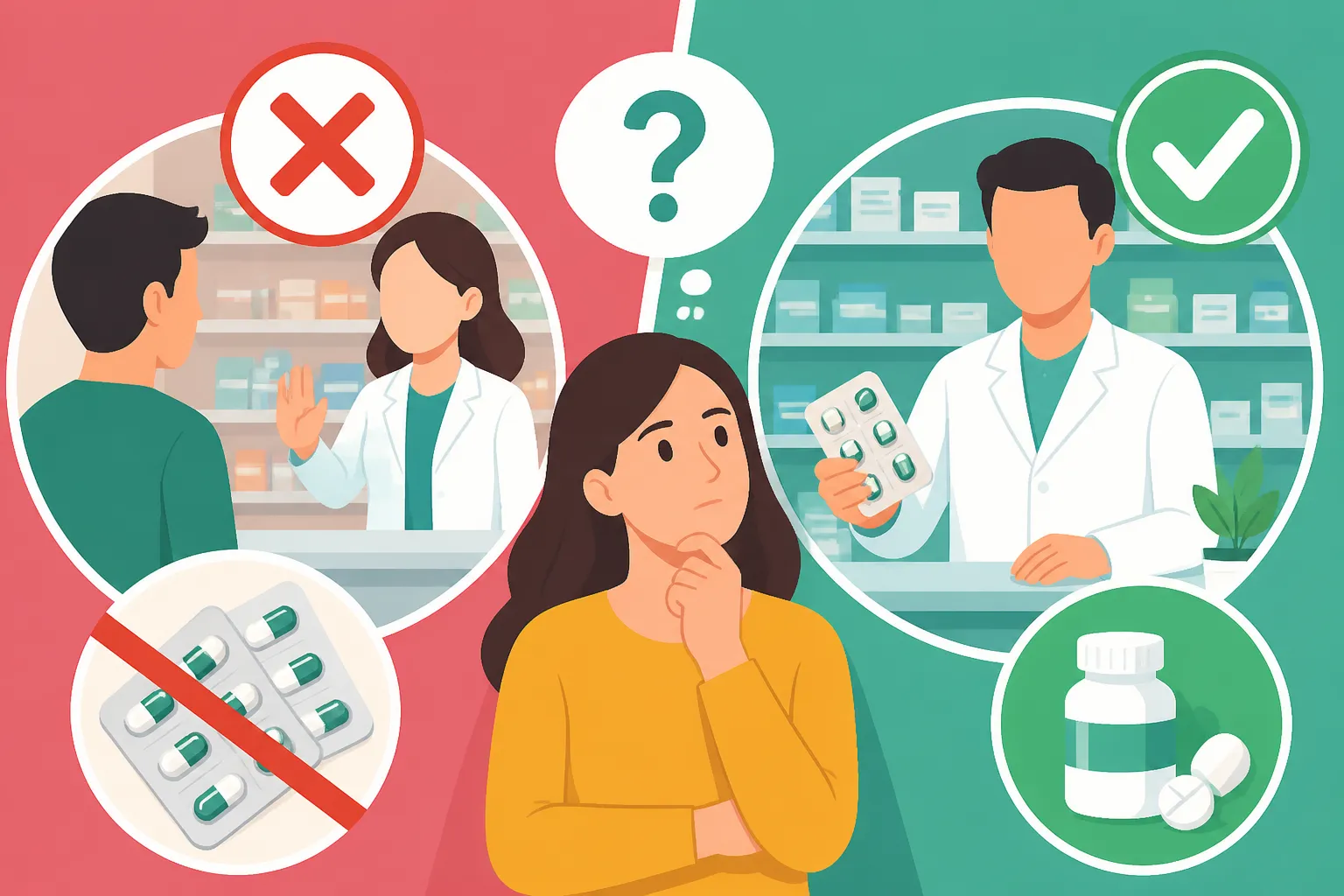
Bulgaria, like most of the European Union, is serious about combating antibiotic resistance. This isn't just a local issue; it's a global health crisis. Because of this, the Ministry of Health and the Bulgarian Drug Agency enforce stringent regulations on the sale of antimicrobial agents. What this means for you, the expat, is that you cannot simply walk into a apteka (pharmacy) and ask for a course of amoxicillin or azithromycin for your perceived bacterial infection. They simply won't, and legally can't, sell it to you without a valid prescription from a licensed doctor.
I've seen it firsthand, and I've experienced the slight confusion myself early on. You go in, describe your symptoms, perhaps even point to the exact box you need, and the pharmacist, usually with a polite but firm shake of the head, will tell you "Трябва ви рецепта" (Tryabva vi retsepta), meaning "You need a prescription." It can be frustrating, especially if you're feeling unwell and just want a quick fix, but it's a crucial measure for public health that we all benefit from in the long run.
The Shifting Landscape: Why Things Are Changing
The stricter control over antibiotics isn't just bureaucratic red tape; it's a direct response to rising concerns about superbugs and the decreasing effectiveness of these vital medications. For years, there was indeed a more relaxed approach in many parts of Eastern Europe, leading to widespread misuse and overuse of antibiotics. This contributed significantly to the problem of bacterial strains becoming resistant to common treatments.
The Bulgarian healthcare system, in alignment with EU directives and global health initiatives, has been actively working to curb this. Educational campaigns for both medical professionals and the public emphasize the importance of appropriate antibiotic use. Pharmacists are now on the front line of this effort, acting as gatekeepers to ensure these powerful drugs are only dispensed when medically necessary. This shift, while perhaps inconvenient for some, is a testament to Bulgaria's commitment to modern healthcare standards and protecting the efficacy of antibiotics for future generations. It’s also important to understand that sometimes what you think is a bacterial infection might actually be viral, and antibiotics would be completely useless, potentially even harmful, in such cases. This is why a proper diagnosis is so vital.
Why a Doctor's Visit is Crucial for Antibiotics
I know, it sounds like an extra hoop to jump through, especially when you feel like you know your body and your symptoms. But believe me, getting a doctor involved for antibiotics in Bulgaria isn't just about following the rules; it's about protecting your health and the broader community. It’s a moment where the phrase "better safe than sorry" truly applies.
Understanding Medical Necessity and Diagnosis
A doctor's visit, whether to a general practitioner (GP) or a specialist, is absolutely fundamental to getting the right antibiotic. Why? Because only a trained medical professional can accurately diagnose whether your illness is actually caused by bacteria, rather than a virus, fungus, or something else entirely. Taking antibiotics for a viral infection, for instance, does absolutely nothing to help you recover, and instead, it contributes to antibiotic resistance.
During your consultation, the doctor will assess your symptoms, perform any necessary examinations, and perhaps order tests, like a blood culture or a throat swab, to confirm a bacterial infection and even identify the specific type. This is crucial because different bacteria respond to different antibiotics. Prescribing the wrong antibiotic is ineffective and, again, fuels resistance. They'll also consider your medical history, any allergies you might have, and other medications you're taking to ensure the prescribed antibiotic is safe for you. It's a holistic approach that a quick chat with a pharmacist, no matter how helpful they are, simply can't provide.
The Battle Against Antibiotic Resistance in Bulgaria
Bulgaria has faced significant challenges with antibiotic resistance in the past, a legacy of previous prescribing practices. However, the country has made concerted efforts to align with EU guidelines and international best practices to tackle this issue head-on. By enforcing strict prescription requirements, the healthcare system aims to:
- Reduce Unnecessary Use: Prevent people from taking antibiotics when they're not needed.
- Promote Correct Use: Ensure that when antibiotics are needed, the right type, dose, and duration are prescribed.
- Preserve Efficacy: Protect the effectiveness of existing antibiotics so they remain viable treatments for serious infections.
This isn't just some abstract medical concept. If common infections become untreatable because bacteria are resistant to all available antibiotics, even simple procedures or minor injuries could become life-threatening. So, while it might feel like a hassle to see a doctor for every sniffle, it’s a necessary step that benefits everyone, including you and your family here in Bulgaria. Understanding the role of the NHIF and your GP in Bulgaria is key to navigating this system effectively.
Your Path to a Prescription: Navigating the Bulgarian Healthcare System
So, you've accepted that a doctor's visit is necessary. Now, how do you actually go about getting one in Bulgaria? Don't worry, it's manageable once you know the ropes. You have a few clear paths depending on your situation and preferences.
Registering with a GP: Your First Step
For most non-emergency situations, your general practitioner (GP), known as a lichen lekar (личен лекар) in Bulgarian, is your first port of call. If you're residing in Bulgaria long-term and contributing to the National Health Insurance Fund (NHIF), registering with a GP is a fundamental step. This GP will be your primary healthcare provider, handling routine consultations, issuing referrals to specialists, and, yes, prescribing antibiotics when needed.
The process involves selecting a GP from a list of available doctors in your area, and then formally registering with them. This usually requires your identity documents, your residence permit, and proof of NHIF contributions. Once registered, appointments are generally easy to make, and a standard consultation fee (co-payment) applies if you're covered by the NHIF. If you're unsure where to start, you might find our guide on how to register with the National Health Insurance Fund in Bulgaria incredibly helpful. Your GP will have your medical history, making diagnosis more efficient and personalized. They are also equipped to handle most common infections and provide guidance on follow-up care.
Private Doctors and Clinics: A Faster Route
If you haven't yet registered with a GP, or if you prefer a quicker appointment, access to English-speaking staff, or a wider range of immediate services, private doctors and clinics are an excellent option. Major cities like Sofia, Plovdiv, and Varna have numerous private clinics, many of which cater specifically to expats and tourists. These clinics often offer same-day appointments and a higher level of comfort and English language support, though they come at a higher cost.
For example, clinics such as Acibadem City Clinic Tokuda Hospital or Hill Clinic in Sofia are well-known among the expat community for their comprehensive services and English-speaking staff. You simply call, book an appointment, and pay directly for the consultation. If a bacterial infection is diagnosed, the private doctor will issue an electronic prescription (e-retsepta), which you can then take to any pharmacy.
Many expats find this route invaluable, especially when they are new to the country or only temporarily residing here. You might be covered for these costs if you have private health insurance. Companies like SafetyWing, for instance, offer travel medical insurance that can cover unexpected illnesses, including doctor visits and prescription medications, which can be a real lifesaver when you're just getting settled or on a shorter stay. Always check your policy details, but private clinics generally provide a smoother experience for those not fully integrated into the public system. For those who want to know more, explore our resource on How to Find an English-Speaking Doctor in Bulgaria.
What to Expect at the Pharmacy with a Prescription
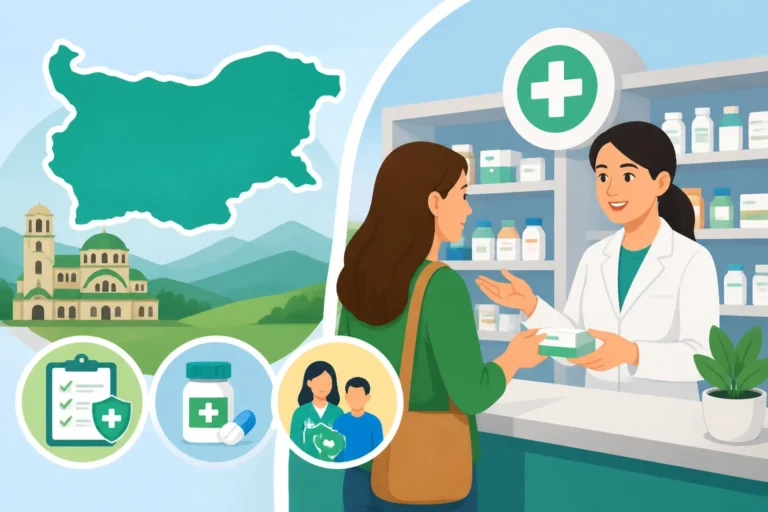
Once you have that precious prescription, either from your GP or a private doctor, the next step is straightforward. Head to any pharmacy (look for the green cross sign – apteka).
Here’s a breakdown of what happens:
- Present Your Prescription: Hand over your electronic prescription code (usually a QR code or a unique numerical code given by the doctor) or the physical paper prescription.
- Pharmacist Verification: The pharmacist will input the code into their system or review the paper prescription. They might ask for your ID or health insurance card if it's a public prescription, but for private ones, typically just the prescription is enough.
- Dispensing: They'll then retrieve the medication, explain the dosage, and any important instructions (e.g., take with food, avoid alcohol, finish the entire course). Don't hesitate to ask questions if anything is unclear. Most pharmacists in larger towns and cities will have some level of English, especially younger ones.
- Payment: You’ll pay for the antibiotics. If you're using the NHIF, some medications might be partially or fully covered, while others you'll pay the full price for. Private prescriptions are always paid for in full at the pharmacy. Keep your receipt for insurance claims if you have private coverage.
Here's a handy table summarizing the two main pathways:
| Feature | Public GP (NHIF registered) | Private Doctor/Clinic |
|---|---|---|
| Registration | Required with a chosen GP | Not required; walk-in or book appointment |
| Cost | Low co-payment per visit (NHIF) | Higher direct payment per visit (e.g., 50-120 BGN) |
| Appointment Speed | Can vary (usually 1-3 days for non-urgent) | Often same-day or next-day |
| Language Support | Depends on individual GP (many don't speak English) | High likelihood of English-speaking staff |
| Prescription Type | Electronic (e-retsepta) or paper | Electronic (e-retsepta) or paper |
| Insurance Coverage | NHIF covers most costs; some medication co-pays | Covered by private health insurance (e.g., SafetyWing), you pay upfront then claim |
| Follow-up | Consistent care with your registered GP | Ad-hoc, unless you establish a relationship with a private doctor |
This table clearly illustrates the choices you have. For most expats, especially those newly arrived or who might need more flexibility, the private route often feels more accessible, even with the higher upfront cost. Just remember to hold onto those receipts for your private health insurance plans in Bulgaria claims!
Essential Tips and What to Do in a Pinch
Navigating a new healthcare system, especially when you're feeling under the weather, can be daunting. But a little preparation and knowing what to expect can make all the difference.
Communicating Your Symptoms
Language can be a significant barrier. While many younger Bulgarians and those in customer service roles speak English, medical professionals, especially outside of major private clinics, might not. If your Bulgarian isn't up to scratch, consider these options:
- Bring a Phrasebook/Translation App: Have key medical terms ready. Words like bolka (pain), glavobolie (headache), vŭzpalenie (inflammation), kašli͡tsa (cough), temperatura (fever) can be invaluable.
- Write Down Symptoms: Before your appointment, jot down your symptoms, when they started, their intensity, and any other relevant information in simple English. You can then use a translation app to convert it into Bulgarian for the doctor, or at least have a clear reference for an English-speaking doctor.
- Ask for an English Speaker: When booking an appointment, always ask if an English-speaking doctor is available. Many larger clinics have this option.
- Bring a Bulgarian Friend: If you have a trusted Bulgarian friend or colleague, ask if they can accompany you to interpret. This is often the most reliable solution.
Remember, clear communication ensures accurate diagnosis and effective treatment. Don't be shy about asking for clarification if you don't understand something the doctor or pharmacist tells you.
Health Insurance Considerations
This is where planning ahead truly pays off. Whether you're covered by the National Health Insurance Fund (NHIF) or rely on private insurance, understanding your coverage for doctor visits and prescriptions is essential.
- NHIF: If you are employed or self-employed and legally residing in Bulgaria, you are likely contributing to the NHIF. This provides access to public healthcare, including GP visits and subsidized prescriptions. However, not all antibiotics are fully covered, and you'll still have a co-payment for the doctor's visit. Ensure you know how to register with the NHIF and a GP in Bulgaria (2027) to unlock these benefits.
- Private Health Insurance: For many expats, especially those on temporary stays, digital nomads, or those who prefer private care, private health insurance is crucial. Companies like SafetyWing offer flexible and affordable plans that can cover doctor consultations, prescribed medications, and even emergency care. It's vital to read your policy carefully to understand what's covered, what the deductible is, and the claims process. Often, you'll pay upfront for private consultations and medicines, then submit your receipts for reimbursement. Having a robust private plan can alleviate a lot of stress when you need medical attention.
Don't forget that even if you have private insurance, you still need a doctor's prescription for antibiotics. Insurance policies don't circumvent Bulgarian drug laws; they just help with the financial aspect of accessing care.
When to Seek Emergency Care
While this guide focuses on non-emergency antibiotic access, it’s critical to know when a situation warrants urgent attention. If your symptoms are severe, rapidly worsening, or include signs like difficulty breathing, severe pain, high fever unresponsive to medication, or signs of sepsis (e.g., confusion, very cold limbs), do not hesitate. Call 112 – the universal European emergency number – for an ambulance.
For less critical but still urgent situations where your GP isn't available, many private hospitals offer 24/7 emergency departments or urgent care clinics. While these will also require a doctor's assessment and prescription for antibiotics, they can provide immediate attention. Remember that emergency medical care in Bulgaria: What Every Expat Needs to Know is a separate, crucial topic, and in a genuine emergency, your priority is immediate medical attention, not navigating prescription rules. They will administer necessary medication as part of the emergency treatment.
Understanding the Bulgarian healthcare system might seem like a maze at first, especially when you're feeling unwell and just want relief. But by knowing that antibiotics require a doctor's prescription and familiarizing yourself with the pathways to get one, you'll be much better prepared. Prioritize seeing a medical professional, communicate clearly, and ensure you have appropriate health insurance coverage, whether through the NHIF or a private provider like SafetyWing. Your health, and the health of the community, depend on it.
Disclaimer
Please note that this information is intended for general guidance only and should not be considered as medical advice. Healthcare regulations and practices can change. Always consult with a qualified medical professional in Bulgaria for any health concerns and before making any decisions related to your medical treatment. This guide is based on current understanding and publicly available information as of 2026.