Can I Sponsor My Foreign Spouse for a Bulgaria Residence Permit?
Oh, the sheer emotional rollercoaster of wanting to bring your spouse to live with you in Bulgaria! Believe me, I've been there, staring at endless forms and trying to decipher the migration laws while just wishing my loved one could simply be here. It's not just paperwork; it's navigating a system that often feels designed to be confusing, especially when your heart is invested. This guide is here to walk you through the often-complex process of sponsoring your foreign spouse for a Bulgarian residence permit, cutting through the jargon and sharing the practical realities you'll face.
Understanding the Basics of Family Reunification in Bulgaria
Let's face it, the idea of family reunification sounds simple, right? You're married, you live in Bulgaria, your spouse should be able to join you. In practice, however, the Bulgarian authorities have very specific definitions and requirements that need to be met. It's less about your personal love story and more about ticking bureaucratic boxes.
Who Qualifies as a "Spouse" for Immigration Purposes?
First things first, for the Bulgarian immigration authorities, "spouse" means someone you are legally married to. This isn't the time for common-law partnerships or long-term commitments without a marriage certificate. Your marriage must be legally recognized in Bulgaria. If you got married outside of Bulgaria, you’ll need an international marriage certificate or a regular one that’s been properly authenticated (think apostilled, translated, and possibly legalized at a Bulgarian embassy or consulate). It sounds like a lot, but this foundational document is paramount.
What does "legally recognized" entail? It means if you got married in, say, the UK or the US, that marriage certificate needs to go through the proper channels to be valid here. This often involves getting an apostille from the relevant authority in the country where the marriage took place, then having it officially translated into Bulgarian by a sworn translator, and finally, getting that translation legalized. This process can be time-consuming, so get started on it early. Don't assume anything. I've seen countless expats get delayed because they thought a simple photocopy would suffice – spoiler alert: it won't.
The Legal Framework: Bulgarian Immigration Law
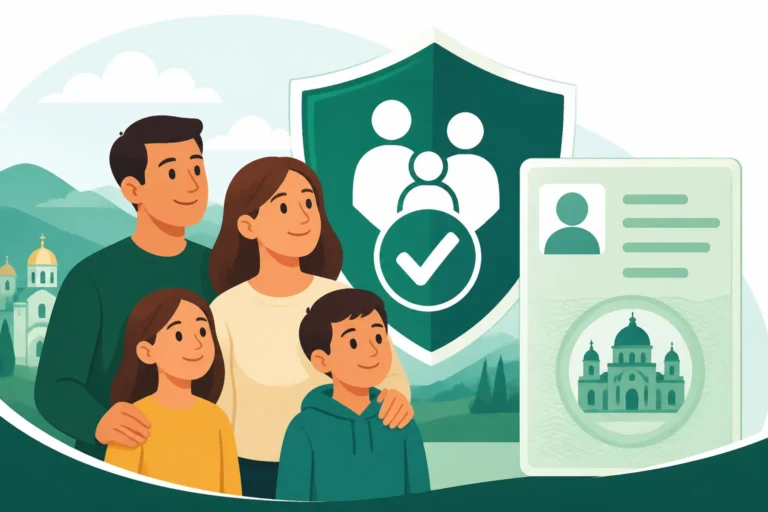
The entire process hinges on the Law on Foreigners in the Republic of Bulgaria. This is the big daddy of all laws governing how non-Bulgarians live here, and it specifically outlines the conditions for family reunification. Essentially, if you (the sponsor) are a Bulgarian citizen or a foreign national with a valid long-term or permanent residence permit in Bulgaria, you have the right to invite your family members, including your spouse, to join you.
It's critical to understand that the rules differ slightly depending on whether you are an EU citizen residing in Bulgaria or a non-EU citizen with a permit. For EU citizens, the process is generally more streamlined, often relying on the principle of free movement within the EU. Non-EU citizens, however, will face a more rigorous application process, often starting with a Type D visa. The Migration Directorate (Дирекция "Миграция" към МВР) is the primary institution you'll be dealing with, and their interpretation of the law can sometimes feel like a moving target. They are the gatekeepers, so understanding their expectations is half the battle.
The Step-by-Step Process for Sponsoring Your Spouse
Alright, let's get into the nitty-gritty. This isn't a single application; it's a two-stage relay race, and you need to win both legs to get your spouse across the finish line.
Stage 1: Applying for a Type D Visa from Abroad
For most non-EU spouses, the journey begins outside Bulgaria, specifically at a Bulgarian embassy or consulate in their home country or country of legal residence. This is where they apply for a Type D Long-Stay Visa for Bulgaria. Think of this as the ticket to even enter Bulgaria with the intention of applying for residence. Without it, they're just a tourist, and that's not what you want for a family reunification application.
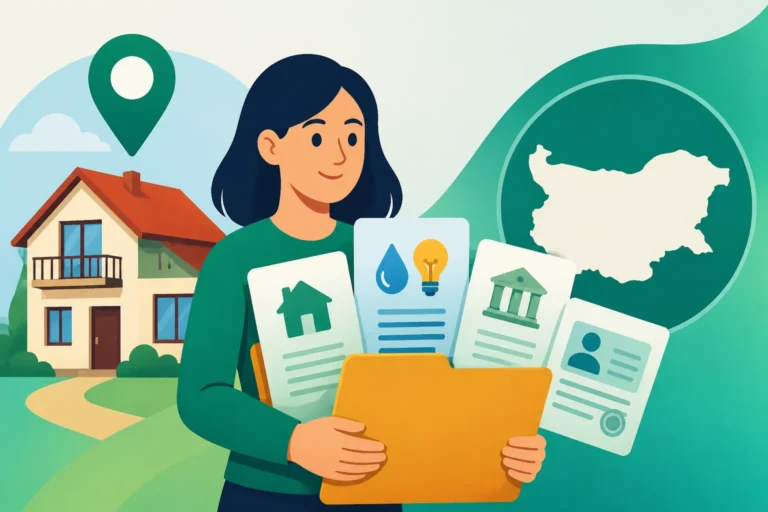
The list of documents for a Type D visa can feel exhaustive. Here’s a typical rundown of what your spouse will need to gather:
- Valid Passport: Must be valid for at least six months beyond the intended stay in Bulgaria and have at least two blank pages.
- Type D Visa Application Form: Filled out accurately and completely.
- Recent Passport-Sized Photos: Usually two, conforming to specific biometric standards.
- Original Marriage Certificate: Apostilled, translated into Bulgarian by a sworn translator, and legalized. This cannot be stressed enough!
- Proof of Accommodation: A rental agreement or property deed for your residence in Bulgaria, proving you have a place for your spouse to live.
- Proof of Financial Means: Bank statements from your Bulgarian account (the sponsor's) showing sufficient funds to support both of you. The official requirement often references the Bulgarian minimum wage, but it's always better to show more. A good rule of thumb is to show at least the minimum wage for each person, multiplied by the number of months the visa is requested for (usually 6 or 12).
- Comprehensive Health Insurance: This is crucial. Your spouse needs private health insurance that covers them for the duration of their Type D visa and initial stay in Bulgaria, typically for at least one year, with coverage of at least €30,000. Many expats use international providers like Cigna Global because their policies are recognized globally and easily obtainable from outside Bulgaria. This is a non-negotiable requirement.
- Certificate of No Criminal Record: An original document from your spouse's country of origin (and any country they've lived in for more than a certain period, usually the last 5 years), also apostilled, translated, and legalized. This often causes headaches, as some countries take ages to issue them.
- Invitation Letter: Sometimes requested, formalizing your intent to host your spouse.
- Your Bulgarian Residence Permit: A copy of your own valid permit, demonstrating your status as the sponsor.
After submitting all these documents, your spouse will likely have an interview at the embassy or consulate. This is where they might be asked about the nature of your relationship, your plans in Bulgaria, and other details to ensure the marriage is genuine and not just for immigration purposes. Be prepared for this – it’s a standard part of the process to prevent sham marriages. For a more detailed look into this initial hurdle, you might find our guide on How to Apply for a Type D Long-Stay Visa for Bulgaria helpful.
Stage 2: Obtaining the Temporary Residence Permit
Once your spouse successfully gets their Type D visa stamped in their passport and arrives in Bulgaria, the clock starts ticking. They typically have a 90-day window from their entry date to apply for the actual temporary residence permit (Временно пребиваване) at the local Migration Directorate office. Don't procrastinate on this; the Bulgarian bureaucracy moves at its own pace, and missing deadlines will only lead to stress and potential issues.
For this stage, you'll need many of the same documents as for the Type D visa, plus a few additions, and they'll all need to be fresh or re-validated:
- Type D Visa and Passport: Proof of legal entry.
- Application Form: The official residence permit application from the Migration Directorate.
- Proof of Address Registration: This usually means registering your current address with the local municipality (Община) and getting a certificate from them.
- Current Bank Statement: Again, showing sufficient funds in a Bulgarian bank account. They'll want to see this hasn't changed since the visa application.
- Proof of Health Insurance: The same comprehensive private health insurance. Eventually, your spouse will likely want to transition to the National Health Insurance Fund (NHIF), but for the initial permit, private is usually required. Our guide on How to Get Health Insurance for a Bulgaria Residence Permit can help clarify options.
- Marriage Certificate: The same apostilled, translated, legalized one.
- Your Residence Permit: A copy of your own valid Bulgarian residence permit as the sponsor.
- Fees: There are administrative fees for the application and for the production of the residence card itself. These usually need to be paid at a bank or at the Migration Directorate's cash desk.
Your spouse will also likely be called for an interview at the Migration Directorate. This interview is often more focused on validating their stay and ensuring all documentation is in order. Be prepared for potential waiting times and multiple visits, as documents might be requested or re-requested. This stage is crucial, so read up on How to Apply for a Temporary Residence Permit in Bulgaria to make sure you're fully prepared.
Key Requirements and Common Hurdles
It’s easy to get lost in the details, but a few core requirements are absolute deal-breakers if not met. These are the areas where most expats encounter difficulties.
Proving Financial Stability and Accommodation
This is often the biggest hurdle. The Bulgarian authorities want to see that you, the sponsor, can genuinely support your spouse without them becoming a burden on the state. This means demonstrating stable income and adequate accommodation.
- Income Requirements: While the official figures can sometimes be vague, a common guideline is that you must prove an income equivalent to at least the national minimum wage for each person in your household, for the duration of the permit (often one year). As of late 2023/early 2024, the minimum wage is around 933 BGN per month. So, for two people, you'd ideally show proof of income or savings of at least 1866 BGN per month, or a lump sum of roughly 22,392 BGN for a year. You'll need recent bank statements (from a Bulgarian bank, ideally DSK Bank or UniCredit Bulbank are common choices for expats) and, if you're employed, a certificate from your employer confirming your salary. If you're self-employed, tax declarations and company statements will be needed.
- Accommodation: You must have a registered address in Bulgaria that is suitable for two people. This means a valid rental contract in your name (for at least one year) or a property deed if you own the property. The address needs to be properly registered with the local municipality. They won't accept a vague promise of a place to stay; they want concrete evidence.
Failing to demonstrate sufficient funds or stable accommodation is a common reason for application delays or rejections. The Migration Directorate is quite strict on this, so gather all your financial proofs meticulously.
Health Insurance and Other Mandatory Documents
Beyond finances, the pile of paper for other crucial elements is significant.
- Health Insurance: As mentioned, comprehensive private health insurance is mandatory for the Type D visa and initial residence permit. It must cover emergency treatment, hospitalization, and repatriation for at least €30,000. While you might opt for a local Bulgarian insurer, many expats find international providers like Cigna Global offer more peace of mind and are easier to deal with, especially if your spouse is coming from a non-EU country. Once your spouse gets their residence permit and potentially starts working or registers for self-employment, they can then register with the NHIF (National Health Insurance Fund) and start making mandatory contributions. This is a whole other process, which you can learn about in our guide on Understanding Mandatory Health Insurance Contributions in Bulgaria.
- Apostille and Translation: This is a recurring headache. Every single document issued outside Bulgaria (marriage certificate, birth certificate, criminal record, etc.) will likely need to be apostilled in the country of origin. An apostille is a form of authentication issued to documents for use in countries that participate in the Hague Convention of 1961. After apostille, these documents must be translated into Bulgarian by a sworn translator registered with the Ministry of Foreign Affairs in Bulgaria, and then the translation itself is usually legalized. Do NOT try to skip this step or use unofficial translators. They will reject it. Our post on Understanding Document and Translation Requirements for Bulgaria Immigration goes into this in excruciating detail – trust me, you'll need it.
- Certificate of No Criminal Record: This document, specifically, can cause significant delays. Depending on your spouse's country of origin, obtaining an official criminal record certificate with an apostille can take weeks or even months. Plan ahead for this one, and ensure it covers all relevant countries they've lived in during the specified period.
Life After Approval: What to Expect
So, you've jumped through all the hoops, battled the bureaucracy, and finally, your spouse has their shiny new Bulgarian residence permit card in hand! Congratulations, that's a huge milestone. But what does it actually mean for their life here?
Rights and Responsibilities of Your Sponsored Spouse
With a temporary residence permit, your spouse gains several important rights and takes on new responsibilities:
- Right to Work: For most family reunification permits, your spouse will have the right to work in Bulgaria without needing a separate work permit. This is a significant advantage! It allows them to seek employment, contribute to your household income, and integrate more fully into Bulgarian society. However, always double-check the specific annotations on their residence card or consult with the Migration Directorate to confirm their exact work rights. Our guide on Can My Spouse Work on a Family Residence Permit in Bulgaria? has more details.
- Access to Healthcare: Initially, they’ll be covered by private health insurance. Once they start working or register as self-employed, they become eligible and generally required to register with the National Health Insurance Fund (NHIF) and begin making monthly contributions. This grants them access to Bulgaria's public healthcare system, including a GP and specialist referrals.
- Travel within the Schengen Area: While Bulgaria is not yet fully a member of the Schengen Area, holding a long-term Bulgarian residence permit usually allows for visa-free travel within the Schengen zone for short stays (up to 90 days in any 180-day period) once Bulgaria does fully join. Even now, it often simplifies travel within the EU.
- Obligation to Register Address: Your spouse, like all residents, must register their current address with the local municipality. Any change of address must be reported.
- Compliance with Bulgarian Laws: This goes without saying, but your spouse is expected to abide by all Bulgarian laws and regulations.
Renewing the Residence Permit and Path to Permanent Residence
The temporary residence permit is exactly that: temporary. It typically needs to be renewed annually or bi-annually. This means going back to the Migration Directorate, submitting updated documents (bank statements, health insurance, proof of address, etc.), and paying new fees. It can feel like a never-ending cycle of paperwork, but it's a routine part of maintaining legal status. Don't let your permit expire! Start the renewal process well in advance, usually 2-3 months before the expiry date.
The good news is that these temporary permits are a stepping stone towards long-term stability. After five continuous years of holding a temporary residence permit, your spouse can apply for a Long-Term Residence in Bulgaria. This is a much more stable status, usually granted for five years and offering broader rights. Even better, after five years of long-term residence, your spouse can then apply for Permanent Residence in Bulgaria. This is the ultimate goal for many, providing stability and almost identical rights to Bulgarian citizens, short of voting in national elections. The journey to permanent residence requires continuous presence and strict adherence to all immigration rules for half a decade. To understand this long-term strategy, check out our guide on How to Apply for Long-Term Residence in Bulgaria and Understanding the 5-Year Requirement for Permanent Residence in Bulgaria.
Moving countries is a massive undertaking, and bringing your family with you adds another layer of complexity. If you're planning any future moves, whether within Bulgaria or abroad, companies like Sirelo can be incredibly helpful for managing the logistics and making sure your belongings arrive safely.
Here's a quick summary table of key documents:
| Document Type | Purpose | Required for Type D Visa | Required for Residence Permit | Key Considerations |
|---|---|---|---|---|
| Passport | Identification & Travel Document | Yes | Yes | Valid for 6+ months, 2 blank pages |
| Application Form | Official Request for Visa/Permit | Yes | Yes | Specific forms for each stage |
| Marriage Certificate | Proof of Relationship | Yes | Yes | Apostilled, translated, legalized |
| Proof of Accommodation | Where Spouse Will Live | Yes | Yes | Rental contract / Property deed in sponsor's name |
| Proof of Financial Means | Sponsor's Ability to Support Spouse | Yes | Yes | Bank statements (Bulgarian account), income proof |
| Health Insurance | Medical Coverage | Yes | Yes | Private, €30,000+ coverage, for at least 1 year |
| Certificate of No Criminal Record | Background Check | Yes | Often (check local MVR) | Apostilled, translated, legalized, recent |
| Sponsor's Residence Permit | Proof of Sponsor's Legal Status in Bulgaria | Yes (copy) | Yes (copy) | Must be valid and up-to-date |
| Address Registration Certificate | Proof of Local Municipality Registration | No | Yes | Obtained from local Община after arrival |
| Photos | Biometric Passport Photos | Yes | Yes | Specific size and background requirements |
Disclaimer
Please remember that immigration laws and procedures in Bulgaria can change without much notice. While I strive to provide the most current and accurate information based on my experience and available resources, this guide is for informational purposes only and does not constitute legal advice. It is always best to consult directly with the Bulgarian Ministry of Interior's Migration Directorate or a qualified immigration lawyer in Bulgaria for advice tailored to your specific situation.