How Long Until I Can Apply for Bulgarian Citizenship?
Ah, the dream of becoming a true Bulgarian, eh? Many of us expats arrive with grand visions of settling down, building a life, and eventually, integrating fully into this beautiful country. But when it comes to something as significant as citizenship, the path can feel less like a gentle stroll through Vitosha and more like a bureaucratic obstacle course. This guide is here to untangle the timeline and requirements, giving you a realistic roadmap for applying for Bulgarian citizenship.
The Two-Step Journey: From Temporary Resident to Citizen
Getting Bulgarian citizenship isn't usually a quick sprint; for most foreigners, it's more like a marathon with two distinct, often lengthy, phases. You don't just jump straight into applying for a passport. First, you need to establish deep roots in the country, which officially means achieving permanent residence status. Only after you've held that status for a significant period does the clock truly start ticking for your citizenship application. It’s a process that demands patience and a solid understanding of Bulgarian immigration law.
Step One: Securing Your Permanent Residence (Dългосрочно пребиваване)
Before you can even dream of citizenship, you absolutely must secure your long-term (permanent) residence in Bulgaria. For the vast majority of non-EU citizens, this is a five-year journey in itself. You'll spend these years living here on various temporary residence permits, showing that you're a stable, contributing member of society.
Let's break down what those five years look like. You'll likely start with a Type D long-stay visa, which then allows you to apply for a temporary residence permit once you're on Bulgarian soil. These temporary permits are typically issued for one year at a time and need to be renewed annually. Common grounds for these initial permits include employment, self-employment, studying, being a financially independent person, or family reunification. Each of these categories has its own specific set of hoops to jump through, documents to gather, and rules to follow. For instance, if you're working, you'll need a valid work contract and your employer will be involved in much of the paperwork. If you're self-employed, proving sufficient income and a viable business plan becomes paramount.
It's crucial to understand that not all temporary residence periods count equally towards the five-year requirement for permanent residence. Generally, you need five continuous years of certain types of temporary residence directly preceding your permanent residence application. "Continuous" here usually means you haven't been outside Bulgaria for more than six months in any one year, or for a total of ten months over the entire five-year period. Keep diligent records of your entries and exits! Many expats have been caught out by this, thinking a long holiday abroad won't matter, only to find it resets their clock. This is why understanding How Your Residence Status Affects NHIF Enrolment in Bulgaria and maintaining it is so vital.
There are, of course, exceptions and accelerated paths to permanent residence that can shorten this initial five-year period. For example, if you marry a Bulgarian citizen, you might be eligible for permanent residence after a shorter period of continuous residence, often two or three years, as long as the marriage is genuinely established and registered. People of proven Bulgarian origin also have a more direct route. Additionally, certain types of significant investment can also grant immediate or accelerated permanent residency, but these usually involve substantial capital and are far less common for the average expat.
Step Two: The Citizenship Clock Starts Ticking After Permanent Residence
This is where many people get confused, and frankly, it's understandable. Once you've successfully navigated the labyrinthine process of getting your permanent residence permit – congratulations, you've made it through phase one! – you then need to hold that status for another five continuous years before you're generally eligible to apply for Bulgarian citizenship by naturalisation.
Yes, you read that right. For most non-EU citizens who come here without Bulgarian ancestry or special circumstances, you're looking at a total of roughly ten years from your initial arrival on a temporary residence permit until you can put in your citizenship application. That’s five years to get permanent residence, and then five more years as a permanent resident. It’s a significant commitment, one that truly tests your love for rakia and shopska salad.
This means if you arrived in Bulgaria in 2020 on a work permit, renewed it diligently, and finally received your permanent residence card in 2025, you would generally be eligible to apply for citizenship in 2030. The emphasis here is on "generally eligible," because the application itself isn't a rubber stamp, and the process to get an actual decision can take even longer. This long timeline is a key part of The Complete Guide to Bulgaria Visas and Immigration for Expats (2027).
Key Requirements for Bulgarian Citizenship by Naturalisation
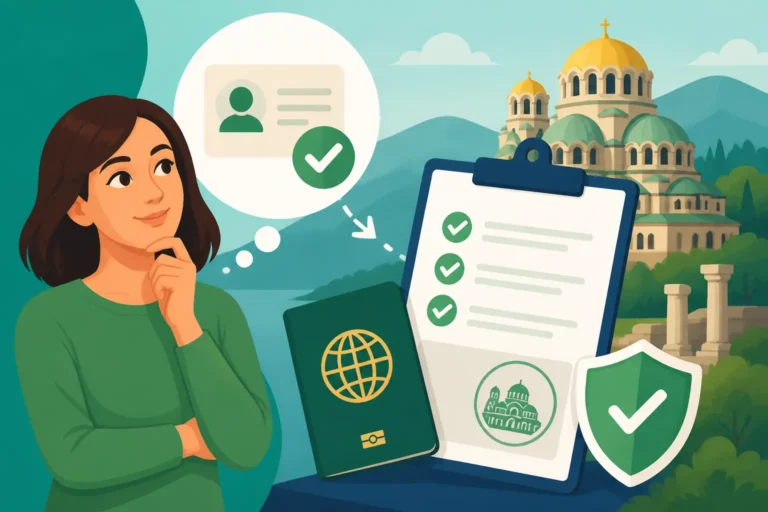
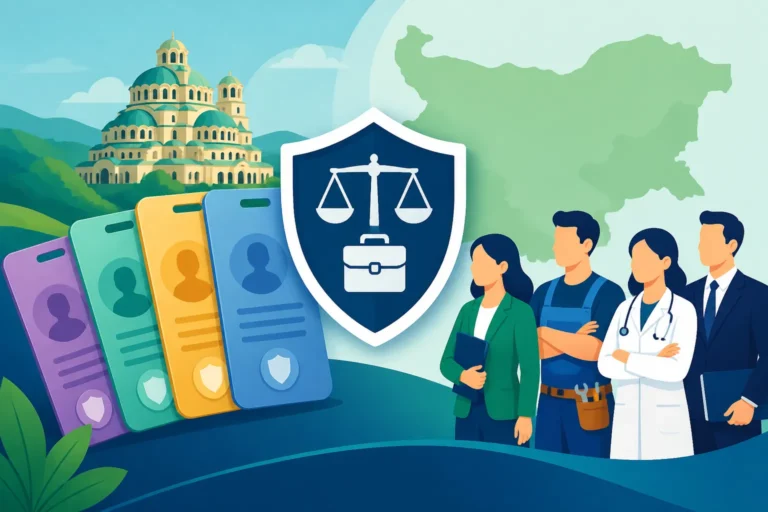
Okay, so you've waited your ten years, or you're on an accelerated path. What else does Bulgaria expect from you to officially become one of their own? The Ministry of Justice has a very specific checklist, and meeting these criteria is non-negotiable.
Age and Legal Capacity
First off, you need to be an adult. Generally, applicants must be at least 18 years old at the time of application. Furthermore, you must have full legal capacity, meaning you haven't been declared legally incapacitated or placed under guardianship by a court. This is pretty standard across most countries, ensuring that applicants can make informed decisions and understand the gravity of taking on a new nationality. It’s assumed that by the time you've spent a decade navigating Bulgarian bureaucracy, you've certainly got the mental fortitude!
A Clean Record and Stable Income
Bulgaria, like any nation, wants to ensure that its new citizens are law-abiding and self-sufficient. This means you must have no criminal record in Bulgaria. They will conduct thorough background checks, and any past convictions, particularly for serious offences, will likely disqualify you. It’s not just about what happens in Bulgaria; if you've been a permanent resident here for many years, they'll primarily focus on your record during that time, but a clean slate worldwide is always ideal.
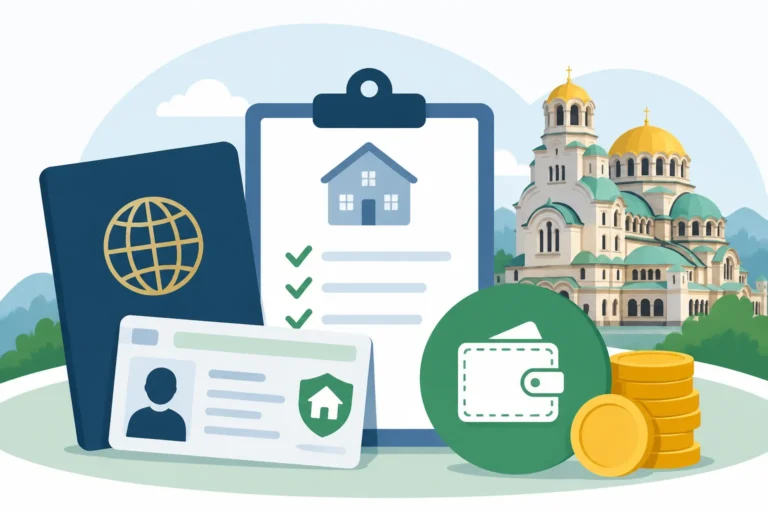
Beyond being law-abiding, you also need to prove that you have a stable source of income and are financially independent. This isn't about being rich, but about demonstrating that you can support yourself and any dependents without relying on state welfare. You'll typically need to provide evidence of employment, a registered business, or other legitimate sources of income (like a pension or rental income from properties in Bulgaria). The National Revenue Agency (NRA) will be a key player here, as they'll likely cross-reference your declared income with their records. So, make sure your tax filings have been consistent and correct throughout your residency! Filing your annual tax return with the National Revenue Agency in Bulgaria is crucial.
Bulgarian Language and Cultural Integration
This is often one of the biggest hurdles for many expats, but it's also one of the most important for genuine integration. To become a Bulgarian citizen, you are required to demonstrate a proficient level of Bulgarian language. The exact level is usually specified as B1 or B2 of the Common European Framework of Reference for Languages (CEFR), and you'll need to pass an official language exam administered by a recognized institution, typically the Ministry of Education and Science or a university under their oversight.
Don't underestimate this. "Proficient" means you can understand and communicate effectively in everyday situations, discuss abstract topics, and follow complex conversations. It's not just about ordering coffee; it's about understanding the nuances of conversations, reading official documents, and participating in society. Many expats find this challenging, especially outside of major cities like Sofia or Plovdiv where English is more common. But truly, immersing yourself in the language is one of the most rewarding parts of living here. Take classes, practice with locals, watch Bulgarian TV – it all helps. This requirement is a strong signal that Bulgaria wants citizens who are truly part of the fabric of the country, not just living within its borders.
Beyond language, there's an unspoken expectation of cultural integration. While there isn't a formal "culture test," demonstrating an understanding and respect for Bulgarian customs, traditions, and national values will certainly not hurt your application. Being actively involved in your local community, understanding the history, and participating in local events all contribute to showing you're truly committed to making Bulgaria your home.
The Renunciation Dilemma: Dual Citizenship Rules
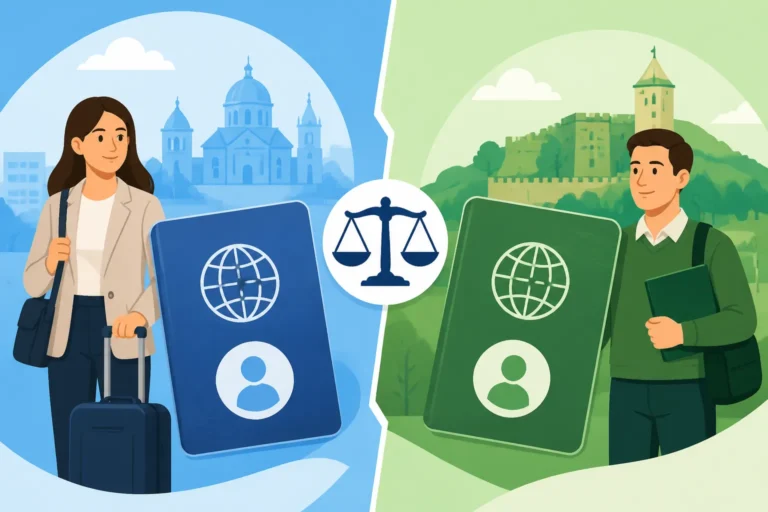
Here's the big one that stops many expats in their tracks: Bulgaria generally requires you to renounce your previous citizenship when you naturalise as a Bulgarian citizen.
This is a fundamental principle of Bulgarian citizenship law for naturalisation. While some countries allow dual citizenship freely, Bulgaria’s stance for most naturalisation cases is that you must choose. This can be a heart-wrenching decision for many, forcing them to sever official ties with their country of birth or a long-held nationality.
However, there are very specific and limited exceptions to this rule:
- Marriage to a Bulgarian Citizen: If you are married to a Bulgarian citizen, you might be exempt from the renunciation requirement. This is one of the most common exceptions.
- Bulgarian Origin: If you can prove Bulgarian ancestry, you are also usually exempt from having to renounce your prior citizenship.
- International Treaty: In rare cases, if Bulgaria has a bilateral agreement with your country of origin that specifically allows for dual citizenship, then renunciation might not be required. These treaties are not common, so always check the latest official information.
- If Your Country Does Not Allow Renunciation: If your country's laws explicitly state that you cannot renounce your citizenship, Bulgaria may make an exception. However, proving this often requires official documentation from your home country, which can be another bureaucratic nightmare.
It is absolutely crucial to seek up-to-date legal advice on this specific point before you commit fully to the citizenship path, as the laws and interpretations can be complex and change. This is often the most significant obstacle, and one that requires careful consideration of its implications for you and your family.
Navigating the Application Process and Realistic Timelines
So, you've met the residency requirements, you've learned the language, you're financially stable, and you've made peace with the dual citizenship dilemma (or you qualify for an exception). Now comes the final push: the application itself.
Gathering Your Mountain of Documents
Applying for Bulgarian citizenship means assembling an impressive dossier of documents. You thought getting your residence permit was a lot of paperwork? This is on another level. Expect to gather a comprehensive collection, including but not limited to:
- Your passport (original and copies of all processed pages).
- Your permanent residence card (лична карта за постоянно пребиваване).
- Your birth certificate (original and translated/legalized).
- Marriage certificate (if applicable, original and translated/legalized).
- Police clearance certificates from Bulgaria and your country of origin (and any other country you've lived in for a significant period). These typically need to be recent, often within three to six months.
- Proof of financial stability: employment contracts, tax declarations, bank statements, business registration documents.
- Bulgarian language proficiency certificate from an approved institution.
- A detailed CV.
- A declaration of intent to renounce your previous citizenship (if required) or proof of exemption.
- Medical certificates confirming you are not suffering from certain infectious diseases or mental disorders (a requirement for all long-term residents and citizens).
Every single foreign document will need to be officially translated into Bulgarian by a sworn translator registered with the Ministry of Foreign Affairs, and then often apostilled or legalized in your home country first, and then again by the Bulgarian Ministry of Foreign Affairs. This process alone can be time-consuming and costly. Think of all the documents you had to get apostilled for your initial Type D visa; now multiply that. For advice on simplifying international moves, companies like Sirelo can sometimes offer resources and connections to services that handle document logistics. If you need health coverage during this long process, especially for the residency requirements, providers like Cigna Global offer comprehensive international plans that can be invaluable. Don't forget, How to Get Your Documents Apostilled for Bulgaria Immigration is a detailed process you need to master.
The Ministry of Justice and the Waiting Game
Once your mountainous pile of meticulously translated and legalised documents is ready, you'll submit your application to the Ministry of Justice (Министерство на правосъдието) in Sofia. This isn't a walk-in, grab-a-number affair. You'll need to schedule an appointment, and even submitting the documents can feel like a mini-interview. The officials will go through everything with a fine-tooth comb.
And then comes the waiting. Oh, the waiting! While official guidelines might suggest a timeline, the reality for citizenship applications can be significantly longer. It's not uncommon for the process to take two to four years or even longer after you submit your complete application, before a final decision is made. This is why when people ask "How long until I can apply for Bulgarian citizenship?", the answer is really "How long until you can apply, and then how long until you actually get it?".
During this period, your application will go through various departments, reviews, and security checks. You might be called for an interview, which could cover your reasons for wanting citizenship, your knowledge of Bulgarian society, and your general commitment to the country.
What to Expect: Interviews and Decision
If you are called for an interview, treat it seriously. It’s your chance to demonstrate your sincerity and commitment. Be prepared to answer questions in Bulgarian about your life in the country, your family, your job, Bulgarian history and culture, and why you want to become a citizen. This is where your language skills and genuine integration truly shine.
Eventually, if all goes well and your application is approved, you will receive an official decree from the President of Bulgaria granting you citizenship. This is followed by a ceremony where you take an oath of allegiance. Only then can you apply for your Bulgarian passport and ID card.
The journey to Bulgarian citizenship is a long and arduous one, demanding immense patience, careful planning, and a deep understanding of the legal requirements. It's a commitment that reflects your dedication to Bulgaria, and while the process can be frustratingly slow, the reward of full integration is, for many, entirely worth it.
Here's a quick overview of the typical timelines and requirements:
| Stage | Typical Duration/Requirement | Key Action for Applicant |
|---|---|---|
| Temporary Residence (Type D visa) | Varies (1 year usually, renewable) | Apply for Type D visa abroad, then temporary residence permit in Bulgaria. Renew annually for 5 years. Maintain Health Insurance in Bulgaria: NHIF, Private and International Options Explained. |
| Permanent Residence Application | After 5 continuous years of certain temporary residence | Submit application to Migration Directorate. |
| Holding Permanent Residence Status | 5 continuous years | Live in Bulgaria, maintain continuous residence (limited absences). Your residence permit must be valid. |
| Citizenship Application Eligibility | After 5 years of Permanent Residence (total ~10 years from arrival) | Meet all criteria: age 18+, legal capacity, no criminal record, stable income, Bulgarian language proficiency, usually renunciation of previous citizenship. |
| Citizenship Application Process | Submit to Ministry of Justice. Decision can take 2-4+ years. | Gather extensive documents (translated, apostilled), submit application, attend interview (in Bulgarian). Understand Bulgarian Citizenship: How to Naturalise After Permanent Residence. |
| Final Steps | Oath of allegiance, apply for Bulgarian ID and passport. | If approved, participate in ceremony, then apply for national documents. |
This table outlines the general path; individual circumstances, such as marriage to a Bulgarian citizen or proven Bulgarian origin, can significantly alter these timelines and requirements, potentially shortening the path to citizenship. For more information on navigating the earlier stages, consider reading up on How to Apply for a Type D Long-Stay Visa for Bulgaria and How to Apply for Long-Term Residence in Bulgaria. Also, don't miss Understanding the 5-Year Requirement for Permanent Residence in Bulgaria for crucial details on that initial hurdle.
Disclaimer
Please remember that I am an expat blogger sharing personal experiences and general information, not a legal professional. Immigration laws in Bulgaria are complex and can change. Always consult with a qualified Bulgarian immigration lawyer or the official authorities (Ministry of Justice, Migration Directorate) for the most accurate and up-to-date advice regarding your specific situation before making any decisions based on this information.