Can My Spouse Work on a Family Residence Permit in Bulgaria?
Ah, the big question! When you’ve gone through all the hoops and hurdles to secure your own residency in Bulgaria, the very next thing on your mind, especially if you’re moving with family, is often "What about my spouse? Can they actually work here and contribute, or are they stuck waiting?" It’s a completely valid concern, and honestly, the process isn't always as straightforward as we wish it would be. This guide will meticulously break down the realities of spousal employment for those holding a family residence permit in Bulgaria, helping you understand the pathways and potential pitfalls.
Understanding the Family Reunification Residence Permit
First, let's get on the same page about what a "family residence permit" actually entails in Bulgaria. Typically, this refers to a temporary residence permit issued to non-EU family members (spouse, children) of a principal applicant who already holds a long-term residence permit (often following a Type D visa) in Bulgaria. It’s designed to keep families together, which is wonderful in theory, but the practicalities of daily life, especially financial independence, often throw a wrench in the works.
Who Qualifies for a Family Reunification Permit
Generally, a spouse can apply for a family reunification permit if their husband or wife already holds a valid long-term residence permit in Bulgaria. This usually requires proof of marriage (an apostilled or legalized marriage certificate is a must!), sufficient financial means from the principal applicant to support the entire family, and adequate accommodation. The process is handled by the Migration Directorate, and believe me, they love their documents! You'll need to gather everything from your original marriage certificate, translated and legalized, to proof of address and bank statements showing you won't be a burden on the state. For a deep dive into the initial steps, you might find "How to Apply for a Temporary Residence Permit in Bulgaria" a useful resource.
Initial Limitations and Expectations
When your spouse first receives their family reunification permit, it’s crucial to understand that this permit, on its own, does not automatically grant them the right to work. This is a common misunderstanding that can lead to frustration and delays. Many expats assume that if they’re allowed to reside as a family, then working should be a natural extension of that right. Unfortunately, the Bulgarian legal framework, while progressively becoming more expat-friendly, still requires an additional step for non-EU spouses to legally enter the labour market. The permit primarily grants legal residence status, allowing your spouse to live here, travel within Bulgaria, and access certain public services, but it doesn't give them a free pass to start earning.
Navigating the Bulgarian Labour Market for Spouses
So, to directly answer the burning question: yes, your spouse can generally work on a family residence permit in Bulgaria, but it’s conditional and requires further administrative action. They won’t be able to just waltz into a job interview and start working the next day with just their family permit in hand. The key is understanding the "Unified permit for residence and work" (Единно разрешение за пребиваване и работа), often simply called a "Single Permit."
The "Catch" with Family Residence Permits and Employment
Unlike EU citizens who have free movement and work rights across the Union, non-EU spouses of non-EU residents in Bulgaria need an extra step. Your spouse’s family reunification permit establishes their legal presence in the country, which is a massive hurdle overcome. However, to actually work, they need to obtain specific authorization. This typically means an employer must apply on their behalf for a work permit or the aforementioned Single Permit. The good news is that for spouses of existing residents, the process is usually less cumbersome than for someone applying for a work permit from scratch outside Bulgaria, as their residency status is already secure. The Bulgarian state sees them as integrated into a resident family unit, which streamlines some parts of the labour market access.
Steps to Obtain Work Authorization for Your Spouse
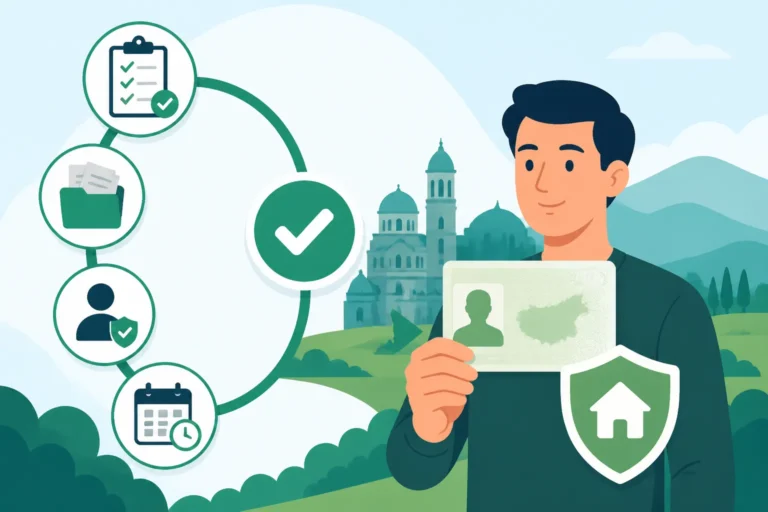
Here's how the typical scenario unfolds for a non-EU spouse seeking employment:
- Find an Employer: Your spouse needs to find an employer in Bulgaria who is willing to hire them. This is often the first and sometimes most challenging step, especially if there are language barriers or if the employer is unfamiliar with hiring foreigners.
- Employer Initiates Application: Once an employer is found, they are responsible for initiating the application for the "Unified permit for residence and work" (Single Permit) on behalf of your spouse. This application is submitted to the National Employment Agency (Агенция по заетостта).
- Document Submission: The employer will typically need various documents, including a copy of your spouse's family residence permit, a copy of their passport, a job description, proof that no suitable Bulgarian or EU citizen could fill the role (though this requirement can sometimes be less stringent for spouses of residents), and the employment contract draft. Your spouse will also need to provide personal documents, possibly including an updated criminal record certificate. Don't forget, most foreign documents will need to be translated into Bulgarian by a sworn translator and then legalized. For more on the specifics of the work permit application, "How to Get a Residence Permit for Work in Bulgaria" is a great reference.
- National Employment Agency Review: The National Employment Agency reviews the application. They assess whether the job offer meets Bulgarian labour standards and if all conditions are met.
- Ministry of Interior Endorsement: If approved by the Employment Agency, the Ministry of Interior (Migration Directorate) will then endorse the work authorization onto your spouse’s existing residence permit card, or issue a new card reflecting their right to work.
This process can take anywhere from a few weeks to a couple of months, so patience is definitely a virtue here. It’s not an overnight solution, which means planning for financial stability during this period is essential.
Understanding the Single Permit for Spouses
The Single Permit system is a streamlined approach for non-EU nationals to gain both residence and work authorization in Bulgaria, and it’s often the route for spouses of long-term residents. Instead of separate documents for residency and employment, the Single Permit combines them. For a spouse who already holds a family reunification permit, the process is more about adding the "right to work" endorsement rather than applying for a whole new permit from scratch.
This system is particularly beneficial because it acknowledges that the spouse already has a legal basis for residence. The employer's application focuses more on the labour market aspects and ensuring all requirements for employment are met. It essentially modifies the existing residence status to include work rights, making the overall journey slightly smoother than it would be for a complete newcomer to Bulgaria. Delving into "Understanding the Single Permit for Work and Residence in Bulgaria" can provide further insights into this crucial mechanism.
Practical Considerations and Challenges for Spousal Employment
While the legal pathway exists, the reality of finding and securing employment for your spouse in Bulgaria can come with its own set of practical challenges. It’s important to approach this with realistic expectations and a good plan.
Job Search Tips and Local Realities
The Bulgarian job market, while growing, can be competitive, especially if your spouse doesn't speak Bulgarian fluently. Many opportunities exist in sectors like IT, outsourcing, shared service centers, and tourism, particularly in larger cities like Sofia, Plovdiv, and Varna, where English or other European languages are highly valued. However, for other roles, basic Bulgarian can be a significant advantage.
- Networking: This is huge in Bulgaria. Encourage your spouse to attend expat meetups, industry events, and connect with people on platforms like LinkedIn. Personal connections often open doors.
- Targeting International Companies: Multinationals and companies with a strong international client base are more likely to have English-speaking environments and be accustomed to hiring foreign nationals.
- Online Job Boards: Sites like Jobs.bg, Zaplata.bg, and LinkedIn are good starting points. Filter for English-speaking roles or specific industries.
- Language Skills: Even if a job doesn't explicitly require Bulgarian, showing initiative in learning the language can impress potential employers. Many employers offer language courses as a perk.
- Adapting the CV: The format and expectations for CVs can differ slightly. A Bulgarian-style CV might be appreciated. You can find more comprehensive advice in "The Expat Guide to Finding a Job in Bulgaria (2026)."
Document Preparation and Administrative Hurdles
The bureaucratic process in Bulgaria is… well, it’s Bulgarian. It demands patience and meticulous attention to detail. Every document needs to be in order, translated, and often apostilled or legalized.
- Marriage Certificate: As mentioned, this is paramount. Ensure it's correctly legalized for use in Bulgaria. If it's from a country that's part of the Hague Apostille Convention, an apostille is usually enough. Otherwise, it might need super-legalization through the Bulgarian embassy in the country of origin.
- Educational Certificates and Professional Qualifications: If your spouse has degrees or professional certifications, these might also need translation and legalization, especially if the job requires specific qualifications.
- Criminal Record Check: Usually required for work permits. Make sure it's recent and properly legalized.
- Passport Copies: Ensure validity and clear copies of all relevant pages.
- Timing: Factor in plenty of time for document processing, as translations and legalizations can add weeks to the timeline. It can be a bit like a scavenger hunt, but with official stamps at every turn! For navigating this, "How to Get Your Documents Apostilled for Bulgaria Immigration" is a highly relevant guide.
Financial Planning and Healthcare for Working Spouses
During the period when your spouse is looking for work or waiting for their work authorization, financial planning is crucial. The principal applicant will need to demonstrate sufficient funds to support the entire family, and this responsibility continues until your spouse is earning.
Once your spouse starts working, they will be registered with the National Health Insurance Fund (NHIF) by their employer and will begin paying mandatory health and social contributions. This is fantastic because it grants them access to the public healthcare system, just like any other employee. However, before that, or if you prefer additional coverage, private health insurance is a smart move. Companies like Cigna Global offer comprehensive international health insurance plans that can cover your spouse from day one, providing peace of mind while they navigate the job market and until their NHIF coverage kicks in. Understanding these contributions is vital for your long-term financial planning, so I highly recommend reading "Understanding Mandatory Social and Health Contributions in Bulgaria."
When planning your move and anticipating spousal employment, don't underestimate the logistics. Services like Sirelo can be incredibly helpful for comparing moving companies and ensuring your belongings, including any professional equipment your spouse might need, arrive safely and efficiently. Planning for the full relocation cost, including potential periods of single income, is key.
| Aspect | Non-Working Spouse (Family Permit Only) | Working Spouse (Family + Work Permit) |
|---|---|---|
| Residency Status | Legal temporary resident | Legal temporary resident |
| Right to Work | No | Yes |
| Healthcare Access | Private insurance or covered by main applicant (if applicable) | NHIF coverage via employer, plus private if desired |
| Social Contributions | None | Mandatory via employer |
| Financial Support | Relies on principal applicant | Financially independent, contributes to household |
| Permit Application Difficulty | Moderate (family reunification) | Moderate (work authorization endorsement) |
| Language Requirements | Not explicitly for permit | Potentially for job market |
Renewing Permits and Long-Term Prospects
Once your spouse has their work authorization, it’s not a "set it and forget it" situation. Both their family residence permit and their work authorization will have validity periods, typically one year for temporary residence, and they’ll need to be renewed.
Maintaining Status and Future Pathways
Each year, you'll go through a renewal process for the temporary residence permit. At this point, the Migration Directorate will review whether the conditions for residence (like sufficient funds and accommodation) are still met. For your working spouse, their active employment contract and continued payment of social contributions will strengthen their case for renewal. It shows they are integrated and self-sufficient.
After living in Bulgaria legally and continuously for five years (as a temporary resident, including time on the family reunification permit), your spouse may become eligible to apply for long-term residence, and eventually, permanent residence. Having stable employment throughout this period significantly supports these future applications. Being a contributing member of Bulgarian society, both economically and socially, is generally looked upon favorably. For detailed steps on the renewal process, check out "How to Renew Your Residence Permit in Bulgaria."
What Happens If Employment Changes or Ends
Life happens, and sometimes jobs change. If your spouse changes employers, the new employer will need to go through a similar, though potentially quicker, process to secure new work authorization for your spouse. It's not usually a complete restart, but rather an update to the existing work permit status reflecting the new employment.
If your spouse’s employment ends, they retain their family residence permit status, provided the principal applicant still meets all the financial and accommodation requirements to support them. However, they will lose their work authorization and access to NHIF coverage through employment. They would then need to either find a new job and re-apply for work authorization or rely on the principal applicant’s funds and potentially private health insurance until new employment is secured. This is why having a buffer and understanding your entitlements is so important.
The journey for a spouse on a family residence permit to work in Bulgaria isn't without its twists and turns, but it's absolutely achievable. It requires careful planning, a good dose of patience, and a thorough understanding of Bulgarian immigration and labour laws. By being proactive and prepared, you can ensure your entire family thrives in your new Bulgarian home.
Disclaimer
The information provided in this article is for general guidance only and does not constitute legal advice. Immigration and labour laws in Bulgaria can change, and individual circumstances vary. It is highly recommended to consult with the Bulgarian Migration Directorate or a qualified immigration lawyer in Bulgaria for advice specific to your situation.