Understanding the Role of the Migration Directorate in Bulgaria
Oh, the Bulgarian Migration Directorate – just hearing those words can send a shiver down the spine of many an expat who’s tried to navigate the labyrinth of residency here. It's a place that feels like a gatekeeper, and sometimes, a bit of a mystery, but understanding its actual role is absolutely crucial for anyone planning a long-term stay. This comprehensive guide will pull back the curtain, demystifying this central institution and helping you understand exactly what they do, why they do it, and how to successfully manage your interactions with them.
What Exactly is Bulgaria's Migration Directorate?
Let’s be honest, for many of us, the Migration Directorate, or Дирекция "Миграция" in Bulgarian, feels like a nebulous, all-powerful entity. You hear tales of long queues, endless document requirements, and impenetrable bureaucracy. But at its core, it’s the primary state administrative body responsible for the control and regulation of foreign citizens' stay in Bulgaria. Think of them as the national authority that oversees all things related to non-Bulgarian individuals living, working, or studying in the country. They are the ones who ultimately decide if you get to stay, and under what conditions.
The Mandate and Mission
The Migration Directorate operates under the Ministry of Interior, which already gives you a hint of its serious, somewhat formal nature. Its core mandate is pretty straightforward: to implement state policy on migration, asylum, and refugees. For most expats, the "migration" part is what truly matters. This includes everything from issuing initial long-stay visas (Type D) to managing temporary, long-term, and permanent residence permits. They’re tasked with ensuring that all foreigners in Bulgaria comply with the country's immigration laws, maintain public order, and generally, aren't overstaying their welcome or breaking any rules.
Their mission, from a governmental perspective, is about national security and order. From an expat perspective, their mission is to process your paperwork and give you permission to live your life here. It’s a huge responsibility, and frankly, the sheer volume of applications they handle annually is staggering. This often leads to the perception of slow processing or rigid adherence to rules, which, while frustrating, is part of how they manage such a vast undertaking. They are the official record-keepers of every foreign national residing here, from students and workers to retirees and investors. They ensure that every “foreigner” (which is what they technically call non-Bulgarian citizens) has a valid legal basis for their presence and stay.
Its Place in the Bureaucratic Labyrinth
Now, where does the Migration Directorate fit into the grand scheme of Bulgarian bureaucracy? It’s important to understand that they are not the Foreign Ministry, which issues visas from abroad, nor are they the local municipal offices that handle things like address registration. The Migration Directorate comes into play after you’ve secured your long-stay (Type D) visa (if required) and after you’ve arrived in Bulgaria. They are the body you interact with in Bulgaria to formalize your residency.
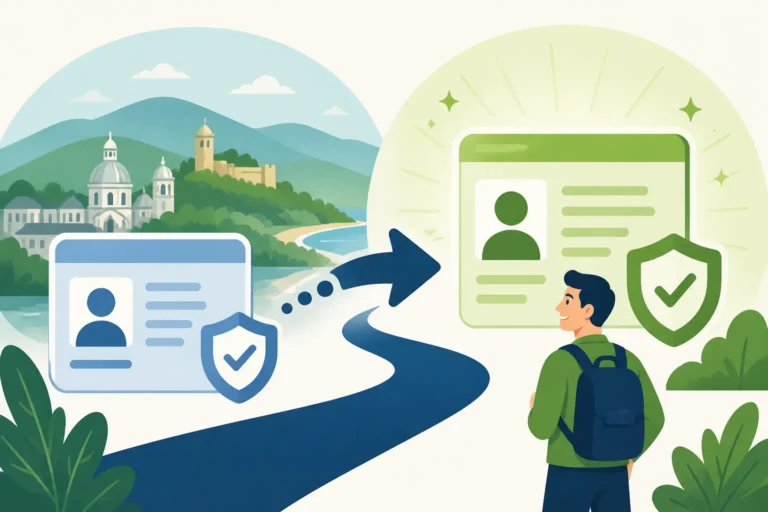
Imagine a pipeline:
- Consulate/Embassy Abroad: This is where you apply for your Type D visa, the golden ticket that allows you to enter Bulgaria with the intention of staying long-term.
- Upon Arrival in Bulgaria: This is where the Migration Directorate steps in. Within a certain timeframe (usually 90 days for Type D visa holders), you must visit them to apply for your actual residence permit card.
- Other Agencies: Throughout your stay, you’ll interact with other agencies – the National Revenue Agency (NRA) for taxes, the National Health Insurance Fund (NHIF) for healthcare, your local municipality for address registration – but the Migration Directorate remains your central point for anything related to your legal right to reside in the country.
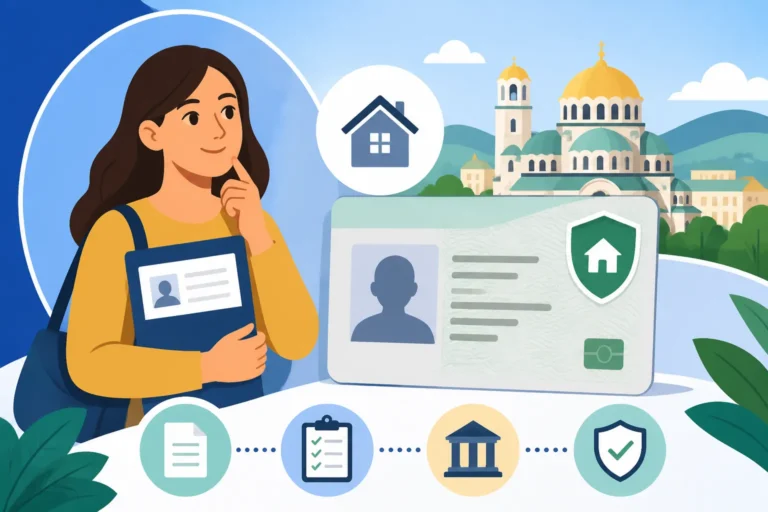
This division of labor can be confusing. For example, while the Migration Directorate will verify your health insurance as part of your residence application, they don't issue the insurance. Similarly, they'll ask for proof of accommodation but won't help you find a place. It’s a strictly defined role, and understanding these boundaries will save you a lot of wasted trips and frustration. They are specialists in one area: your right to stay.
Key Services and Procedures for Expats
When you boil it down, the Migration Directorate is primarily responsible for processing, issuing, and renewing residence permits. This covers a wide array of scenarios for expats, each with its own specific set of requirements and bureaucratic hoops. Knowing what to expect for each common procedure is half the battle.
Residence Permit Applications and Renewals
This is likely the most frequent interaction expats have with the Migration Directorate. Whether you're applying for your very first temporary residence permit or you're a seasoned expat needing to renew it for the tenth time, this is their bread and butter.
For a first-time application for a Temporary Residence Permit in Bulgaria, you’ll typically be expected to provide a substantial dossier of documents. This isn’t just your passport; it's proof of income, accommodation, health insurance (many expats opt for robust international plans like those from Cigna Global, especially if their Bulgarian NHIF coverage hasn't kicked in yet), a clean criminal record from your home country, and evidence of the legal basis for your stay – be it a work contract, university acceptance letter, or proof of sufficient financial means for retirees. The Migration Directorate scrutinizes these documents to ensure they meet every minute requirement laid out in the Bulgarian Aliens Act. One misplaced comma or an expired document can lead to delays or even rejection, which is incredibly frustrating when you’ve put so much effort into gathering everything.
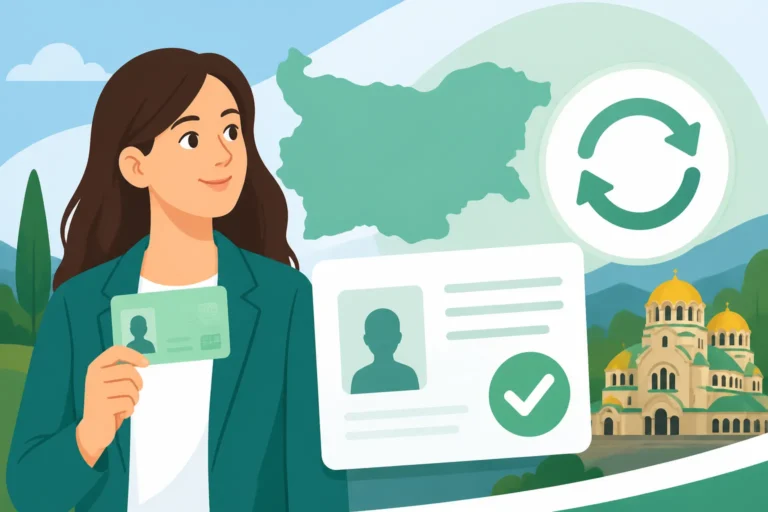
The renewal process, thankfully, is often a bit smoother, but don't let that lull you into a false sense of security. You still need to submit a fresh set of documents, proving your continued adherence to the requirements of your residence basis. This includes updated health insurance, current proof of address, and renewed bank statements. Crucially, you generally need to apply for renewal before your current permit expires, ideally a few weeks in advance. Missing this window can lead to complications and, potentially, overstaying issues. Many expats get caught out by thinking the renewal process is automatic – it’s anything but! It requires the same diligent attention to detail as your first application.
Visa D Processing and Initial Registration
Before you can even think about a residence permit in Bulgaria, many non-EU citizens need a Type D Long-Stay Visa for Bulgaria. This visa is applied for at a Bulgarian embassy or consulate in your home country or country of legal residence. Once that precious Type D is stamped in your passport, allowing you to enter Bulgaria with the intent to reside, your clock starts ticking.
Upon arrival, your next port of call for formalizing your stay is the Migration Directorate. Within 90 days of entry with your Type D visa, you must apply for your temporary residence permit. This is the "initial registration" part. The Migration Directorate verifies your Type D visa, checks your initial documents, and sets the wheels in motion for your actual residence card. This first visit can be daunting because you're still new to the country, potentially grappling with language barriers, and the stakes feel incredibly high. It's a critical step that validates your Type D visa and transitions you into a legal resident status within the country itself. Neglecting this step means your Type D visa eventually expires, and you'll be considered an illegal alien.
Family Reunification and Dependent Visas
One of the most heartwarming, yet often bureaucratically challenging, aspects of expat life is bringing your family to join you. The Migration Directorate handles Family and Dependent Residence Permits in Bulgaria. If you've successfully secured your own residence permit, you can apply to sponsor your spouse, minor children, and in some cases, other dependents.
This process involves proving the family relationship (marriage certificates, birth certificates), demonstrating sufficient income to support your family without relying on Bulgarian social assistance, and ensuring everyone has valid health insurance and accommodation. Each family member will need to go through their own application process, albeit often linked to yours. This can be particularly intricate, as documents from different countries might need additional authentication, such as apostilles. The Migration Directorate will carefully review each family member's application, cross-referencing it with your sponsor details, to ensure eligibility and prevent any potential misuse of the system. It’s a meticulous process, but a necessary one to ensure your loved ones can join you legally and safely in Bulgaria.
Navigating the Directorate: Tips, Tricks, and Common Hurdles
Alright, let's talk brass tacks. The Migration Directorate can be a formidable beast, but with the right approach and a healthy dose of patience, you can navigate it successfully. It is worth knowing that preparation is absolutely key.
Document Preparation and Authentication
This is perhaps the most critical aspect of any interaction with the Migration Directorate. Their staff are meticulous, and if even a single document is missing, expired, incorrectly formatted, or improperly translated/authenticated, your application will be rejected or delayed. It's not a question of "maybe they'll let it slide"; they won't.
You need to understand Document and Translation Requirements for Bulgaria Immigration deeply. Every official document originating outside Bulgaria (birth certificates, marriage certificates, criminal record checks, university diplomas, work contracts, bank statements, etc.) typically needs to be:
- Apostilled: This is an international certification that authenticates the origin of a public document. If your home country is part of the Hague Apostille Convention, you’ll need to get an apostille stamp. For countries not part of this convention, a more complex legalization process through the Bulgarian Embassy in that country might be necessary. It’s a headache, but non-negotiable. You can read more about How to Get Your Documents Apostilled for Bulgaria Immigration.
- Translated: All documents in a foreign language must be officially translated into Bulgarian by a sworn translator registered with the Ministry of Foreign Affairs. Do NOT try to use a friend or a random online translator; it won’t be accepted. The translation usually needs to be bound together with the original document (or a certified copy).
My advice: create a checklist, double-check it, then have someone else (ideally a Bulgarian lawyer or a trusted Bulgarian friend) triple-check it. Make multiple copies of everything, keeping one complete set for your records. This granular attention to detail will save you immense stress.
Appointment Systems and Wait Times
Gone are the days (mostly) of just showing up and hoping for the best, though that still happens in some smaller regional offices. In larger cities like Sofia, the Migration Directorate operates primarily on an appointment system. You usually book these online through their portal, or in some cases, by phone.
And here’s the kicker: getting an appointment can be a Herculean task. Slots fill up fast, sometimes weeks or even months in advance. This is why timing is so crucial, especially for renewals. You can't wait until the last minute. Log on, check frequently, and be prepared to take the earliest available slot, even if it’s not ideal. Walk-ins are generally only for specific, urgent situations (like picking up a ready card) or in smaller, less busy regional offices, but never count on it.
Once you have an appointment, prepare for potential wait times, even with a scheduled slot. Bulgarian institutions aren't known for their lightning-fast efficiency, and the Migration Directorate is no exception. Bring a book, a fully charged phone, snacks, and a deep well of patience. Expect delays, and anything less will be a pleasant surprise. This isn't a criticism, merely a realistic expectation based on years of personal experience and shared expat stories. The sheer volume of applications means queues are often long, and processing can feel agonizingly slow.
Language Barriers and Assistance
Unless you're fluent in Bulgarian, language can be a significant hurdle. While some staff members, particularly in larger city offices, might speak rudimentary English, you cannot rely on it. All forms are in Bulgarian, all official communication will be in Bulgarian, and all questions from the officers will be in Bulgarian.
This is where having a trusted Bulgarian speaker with you is invaluable. This could be a friend, your landlord, an immigration consultant, or a lawyer. For important appointments, I strongly recommend hiring a professional translator or lawyer who specializes in immigration. They can ensure accurate communication, fill out forms correctly, and advocate on your behalf if needed. Don't underestimate this. Misunderstandings due to language can lead to critical errors in your application. Many expats find it worth the investment to avoid costly mistakes or delays. Imagine explaining your complex employment situation or the intricacies of your health insurance policy to someone who doesn't understand your language – it's a recipe for disaster.
Common Expat Scenarios and How the Directorate Handles Them
Let’s walk through some of the most typical situations expats find themselves in with the Migration Directorate and give you a realistic idea of what to expect.
First-Time Residence Permit Seekers
You’ve just landed in Bulgaria, probably still reeling from the move (if you used a service like Sirelo to help ship your belongings, at least that part was easier!). You have your Type D visa, a new apartment, and maybe a job. Now, you need to convert that visa into a residence permit card. This is arguably the most nerve-wracking visit to the Migration Directorate.
You’ll go to the regional Migration Directorate office corresponding to your registered address (usually the one in the city you live in, e.g., Sofia, Plovdiv, Varna). You’ll present your passport with the Type D visa, all your meticulously apostilled and translated supporting documents (proof of accommodation, financial means, health insurance, criminal record, reason for stay like work contract or university enrollment). The officer will review everything, often in painstaking detail. They'll ask questions (in Bulgarian, naturally) about your intentions, your job, your accommodation.
If everything is in order, they'll accept your application, take your biometric data (fingerprints, photo), and issue you a slip confirming your application has been submitted. This slip is your temporary proof of legal stay while your card is being processed. The processing time can vary significantly, from a few weeks to a couple of months. Once approved, you'll get a notification (usually by phone or email, if they're feeling generous, or you just have to keep checking online/in person) to pick up your new shiny residence permit card. This card is your identity document and proof of legal residency in Bulgaria for the duration of your permit.
Renewing Your Existing Permit
Once you’ve got your first permit, time flies, and before you know it, it's time to renew. This process is generally more straightforward than the initial application because you're already in the system and the fundamental basis of your stay is usually established. However, as mentioned, complacency is your enemy.
You’ll typically apply for renewal at the same regional Migration Directorate office where you got your original permit. The documents required will be similar: updated proof of financial means, current health insurance (again, a good international plan like Cigna Global can be a lifesaver here if you're not on the NHIF or have specific needs), a current criminal record check (sometimes required for every renewal, sometimes not – best to check!), and proof that your original basis for residency is still valid (e.g., renewed work contract, continued student enrollment).
The key here is timing. You usually need to apply for renewal at least 14 days, but ideally a month or two, before your current permit expires. The Migration Directorate generally frowns upon late renewals and it can complicate matters significantly. Once your application is accepted, they will often stamp your current permit or issue a new slip to indicate your application is pending, allowing you to legally remain in the country while they process it. It’s vital to keep track of these dates and ensure you initiate the renewal process well in advance to avoid any gaps in your legal status. How to Renew Your Residence Permit in Bulgaria provides even more detail on this.
Changing Your Residence Basis
Life happens, and sometimes your reason for living in Bulgaria changes. Maybe you started as a student, graduated, and now have a job offer. Or perhaps you retired, but now want to start a small business. Changing your residence basis is a bit like applying for a new permit from scratch, even if you already hold one.
For example, if you're transitioning from a student permit to a work permit, you’ll need to submit all the documents required for a work-based residence permit, including your new employment contract, proof that your employer has secured the necessary work permissions for you (if you're a non-EU citizen), and updated financial and accommodation proofs. The Migration Directorate essentially evaluates your new situation as if it were a new application, ensuring that you meet all the criteria for the new basis of your stay.
This can be a complex procedure, as it often involves navigating the intricacies of different legal categories. It’s highly recommended to consult with an immigration lawyer in these scenarios, as they can guide you through the specific requirements and ensure a smooth transition from one type of permit to another. Remember, even if you have a permit, changing its underlying reason means a fresh round of scrutiny from the Directorate. This is also where understanding the Difference Between Temporary and Permanent Residence in Bulgaria becomes crucial, as transitioning between these statuses has different requirements handled by the Directorate.
The Directorate and Bulgarian Citizenship Applications
While the Migration Directorate is primarily concerned with residency, they also play a significant, albeit indirect, role in the ultimate goal for some expats: Bulgarian citizenship. They are not the body that grants citizenship (that falls to the Ministry of Justice), but their records and processes are foundational to it.
The Role in Naturalisation Applications
If you eventually decide to apply for Bulgarian Citizenship by Naturalisation, you'll discover that your entire residency history in Bulgaria is paramount. The Migration Directorate is the official custodian of these records. When the Ministry of Justice reviews a citizenship application, one of the first things they do is consult the Migration Directorate's databases.
The Directorate provides official confirmation of your continuous legal residency in Bulgaria, the dates of your permits, and any changes in your status. They essentially verify that you have met the continuous residency requirements – typically five years of continuous permanent residence (or specific requirements for those applying through marriage or descent) – without any significant gaps or issues. Any discrepancies in your residency history could flag your citizenship application for further scrutiny or even lead to rejection. So, every interaction you have with the Migration Directorate, every successful renewal, and every correctly issued permit builds towards that long-term goal.
Monitoring Long-Term and Permanent Residence
The path to citizenship often involves first securing Long-Term Residence in Bulgaria, and then eventually Moving from a Residence Permit to Permanent Residence in Bulgaria. Both of these higher-tier statuses fall under the purview of the Migration Directorate. They are the ones who assess whether you meet the criteria for these advanced permits, which typically involve longer periods of continuous stay, higher financial stability, and a deeper integration into Bulgarian society.
For long-term and permanent residence, the Directorate checks your past records diligently. They want to see that you haven't been absent from Bulgaria for extended periods that would break the "continuous residence" requirement. They also verify that you've been a law-abiding resident, with no significant violations of immigration laws or other criminal activity. Essentially, they are tracking your entire journey as an expat in Bulgaria, ensuring that when you do apply for a higher status, your record is clean and complete. This monitoring is crucial for maintaining the integrity of Bulgaria’s immigration system and serves as the groundwork for eventual citizenship applications.
Dealing with Complications and Seeking Help
Despite your best efforts, sometimes things go sideways. Applications get denied, documents get lost, or you simply hit a wall of bureaucracy. When this happens, it's easy to feel defeated, but there are avenues for recourse and support.
Denials, Appeals, and Rectification
Receiving a rejection letter from the Migration Directorate can be crushing. It often means a delay in your plans, additional costs, and a whole lot of stress. However, a denial isn't always the absolute end of the road.
If your application for a residence permit is denied, the letter should state the specific reasons for the refusal. It’s crucial to understand these reasons thoroughly. Sometimes, it's a simple fix – a missing document, an expired certificate, or an incorrect translation. In such cases, you might be given a short timeframe (e.g., 7 or 14 days) to rectify the issue and resubmit.
If the reason for denial is more substantive or you believe it's an error on their part, you generally have the right to appeal the decision. This appeal usually needs to be filed within a strict timeframe (often 14 days) to the administrative court or a higher authority within the Ministry of Interior. The appeal process can be complex, requiring legal arguments and often further documentation. This is definitely not a DIY project for most expats. Engaging an experienced immigration lawyer becomes essential at this stage, as they can review the denial, advise on the best course of action, and represent you in the appeal process. Don’t just throw in the towel; understand your options.
Legal Assistance and Professional Support
Given the complexities, language barriers, and often high stakes involved, many expats opt to seek professional assistance when dealing with the Migration Directorate. This is not a sign of weakness; it’s a smart strategic move.
An immigration lawyer or consultant who specializes in Bulgarian residency law can provide invaluable support. They can:
- Advise on requirements: Clarify which documents you need and ensure they are correctly formatted, translated, and apostilled.
- Prepare your application: Help you fill out forms correctly, avoiding common pitfalls.
- Communicate with the Directorate: Act as an intermediary, handling inquiries and follow-ups in Bulgarian.
- Represent you: Attend appointments with you, or even on your behalf (with proper authorization), to smooth out interactions.
- Handle appeals: If things go wrong, they can guide you through the appeal process.
While there is a cost associated with these services (and the Cost and Timeline of the Bulgaria Residence Permit Process can vary), it can save you immense time, stress, and potential financial losses due to errors or delays. Many expats try to do it all themselves to save a few lev, only to make a mistake that costs them far more in the long run. Especially for complex cases like family reunification, investment permits, or challenging a denial, professional help is almost a necessity.
Here's a quick overview of key services and documents:
| Service Type | Common Basis for Stay (Examples) | Key Documents Required (General) | Typical Processing Time (Approx.) |
|---|---|---|---|
| Temporary Residence Permit | Work, Study, Self-Employment, Retirement, Business Representative | Valid passport, Type D visa (if non-EU), proof of accommodation, proof of financial means, health insurance (e.g., Cigna Global), criminal record certificate (apostilled/translated), document proving basis for stay (work contract, university acceptance, business registration), application form, photos. | 14-60 days |
| Residence Permit Renewal | Continued work, study, etc. | Existing residence permit, valid passport, updated proof of accommodation, updated proof of financial means, updated health insurance, renewed document proving basis for stay (e.g., new work contract), application form, photos. | 14-45 days |
| Family Reunification Permit | Spouse/child of existing resident | Valid passport, Type D visa (if non-EU), marriage/birth certificates (apostilled/translated), proof of relationship, sponsor's residence permit, sponsor's proof of sufficient financial means and accommodation, health insurance, application form, photos. | 30-90 days |
| Long-Term Residence Permit | 5 years continuous temporary residence | Valid passport, existing residence permits, proof of 5 years continuous legal stay (absence limits apply), proof of stable and regular income, health insurance, criminal record certificate, application form, photos. | 60-90 days |
| Permanent Residence Permit | Specific criteria (e.g., 5 years continuous long-term residence, investment) | Valid passport, existing long-term residence permit (if applicable), proof of meeting specific permanent residence criteria, proof of financial means, health insurance, criminal record certificate, application form, photos. Note: EU citizens have a separate registration process (How EU Citizens Register for Residence in Bulgaria) | 60-120 days |
Remember, this is a general guide, and requirements can change. Always check the official Migration Directorate website or consult with a legal professional for the most up-to-date and specific information relevant to your personal situation.
Disclaimer
The information provided in this guide is intended for general informational purposes only and does not constitute legal advice. While we strive to keep the information accurate and up-to-date, immigration laws and procedures in Bulgaria can change without prior notice. Expats are strongly advised to consult with the official Bulgarian Migration Directorate, a qualified immigration lawyer, or a legal professional for advice tailored to their specific circumstances. We cannot be held responsible for any reliance placed on the information contained herein.