How Much Does Electricity Cost per Month in Bulgaria?
Oh, the joy of deciphering Bulgarian utility bills! I remember those first few months, staring at a piece of paper filled with Cyrillic, trying to figure out if I'd accidentally left the oven on for a month straight or if this was just the normal cost of living. It’s a common expat rite of passage, believe me. If you’re wondering exactly how much electricity costs per month in Bulgaria, and more importantly, how to actually understand those charges, this comprehensive guide is here to unravel the mystery and help you manage your household budget without a recurring panic attack.
The Basics of Electricity Billing in Bulgaria
Let's start with the fundamentals. Electricity in Bulgaria isn't quite as straightforward as a single flat rate. There are a few key elements that influence your bill, and understanding them is your first step to feeling in control. It can be quite a shock when you get that first bill, especially if you're coming from a country where all utilities are included in your rent or where the system is vastly different.
Understanding Your Electricity Meter and Readings
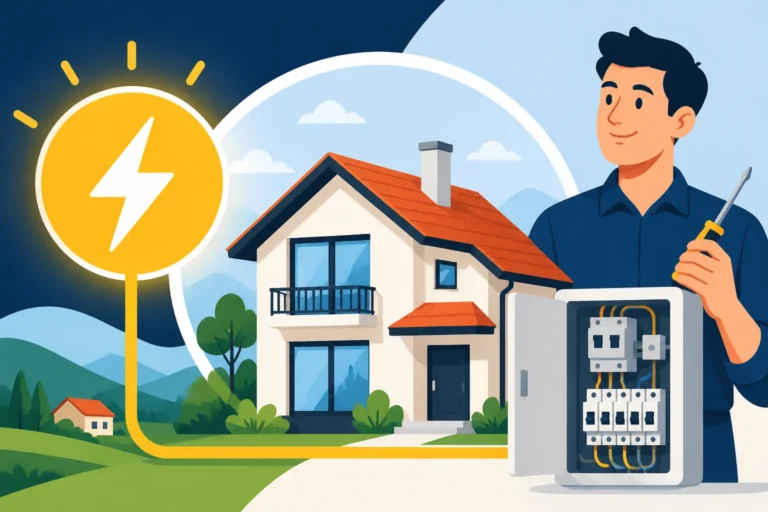
First things first, your meter. In Bulgaria, most homes have a digital electricity meter that records your consumption. These are usually located outside your apartment building, in a common hallway, or sometimes even inside older apartments. The local electricity distribution companies, like EVN, CEZ Electro Bulgaria, and Energo-Pro (depending on your region), are responsible for reading these meters. They typically do so on a monthly basis, but sometimes it might be bi-monthly, and then an average is calculated.
You'll often see two sets of numbers on your meter display: one for day usage and one for night usage. This leads us perfectly into the next crucial point. It’s worth taking a photo of your meter readings on a regular basis, perhaps at the start and end of each month, just so you have your own record. This can be incredibly helpful if you ever dispute a bill or simply want to track your usage more accurately. It's a small habit that can save a lot of headaches later on.
The Two-Tiered Tariff System: Day vs. Night Rates
Here’s where it gets interesting, and frankly, a bit confusing for newcomers. Bulgaria operates on a two-tiered tariff system for electricity, meaning you pay a different rate depending on when you use your electricity.
- Day Tariff (Дневна тарифа): This is the higher rate and applies during peak hours. Generally, this runs from 7:00 AM to 10:00 PM (07:00 to 22:00).
- Night Tariff (Нощна тарифа): This is the lower, more economical rate. It applies during off-peak hours, typically from 10:00 PM to 7:00 AM (22:00 to 07:00).
The exact times might vary slightly by season or region, but these are the general guidelines. This system is designed to encourage people to shift their high-consumption activities, like running washing machines or dishwashers, to the night hours. Many expats, including myself, have found ourselves doing laundry at midnight just to save a few levs! This also means that if you're working from home during the day, your electricity bill might be a bit higher than someone who is out of the house for most of the day.
When you look at your bill, you’ll see separate lines for "Дневна тарифа" and "Нощна тарифа," each with its own consumption in kilowatt-hours (kWh) and corresponding charge. It's vital to know these rates, which are regulated and published by the Bulgarian Energy and Water Regulatory Commission (EWRC). Keeping an eye on these public rates, which you can usually find on your electricity provider's website, will help you understand if your bill is accurate. For a broader look at the costs involved in living here, you might also be interested in The Complete Guide to Cost of Living in Bulgaria for Expats (2026).
Components of Your Electricity Bill
Beyond the day and night tariffs, your electricity bill (known as фактура за електроенергия) will include several other charges. It’s not just about the raw electricity you consume.
- Consumed Electricity (Потребена електроенергия): This is the core charge based on your kWh usage multiplied by the day and night rates. This is the biggest chunk, naturally.
- Access to the Transmission Grid (Достъп до преносна мрежа): A charge for using the national electricity grid to transmit power to your region.
- Access to the Distribution Grid (Достъп до разпределителна мрежа): A charge for using the local distribution network that brings power to your home.
- Excise Duty (Акциз): A tax levied on energy consumption.
- VAT (ДДС): Value Added Tax, currently 20% in Bulgaria, applied to the total sum of all the above charges.
- Renewable Energy Surcharge: Sometimes you'll see a small fee to support renewable energy sources.
Understanding these individual components can make your bill less intimidating. It's easy to assume the whole bill is just your consumption, but a significant portion is fixed charges and taxes. This is why even if you go away for a month, you'll still have a bill, albeit a smaller one, for these fixed costs. When you're making a big move, like bringing your whole life to Bulgaria, arranging for utilities can feel like a labyrinth, so having a good moving service like Sirelo can help with the general logistics, freeing you up to tackle these administrative tasks.
Factors Influencing Your Monthly Electricity Bill
Now that we know what makes up the bill, let’s talk about what really drives those numbers up or down. As an expat, you might have different living habits or expectations than locals, which can significantly impact your consumption.
Appliance Usage and Energy Efficiency
Every appliance in your home, from your refrigerator to your toaster, contributes to your electricity bill. The older and less energy-efficient your appliances are, the more they’ll consume. Things like constantly charging multiple devices, leaving lights on in empty rooms, or having an older, constantly running fridge can add up.
Think about your daily habits:
- Washing Machine & Dishwasher: If you run these during the day, you’ll pay the higher tariff. Shifting them to night hours can make a noticeable difference.
- Boilers (Водонагревател): Many Bulgarian apartments rely on electric boilers for hot water. If you have a large family or take long, hot showers frequently, this can be a huge energy drain. Setting a timer for your boiler to heat water during the night tariff hours is a classic Bulgarian hack that many expats quickly adopt.
- Electronics: Computers, TVs, gaming consoles – they all draw power. "Phantom load" or "vampire drain" from devices left on standby also contributes. Unplugging chargers when not in use and turning off electronics completely can offer small savings that accumulate over time.
It's all about being mindful. When you're used to unlimited hot water or leaving devices plugged in, adapting to a more energy-conscious lifestyle can take some getting used to.
Heating and Cooling Systems: The Biggest Culprits
Without a doubt, heating and cooling are the biggest factors influencing your electricity bill in Bulgaria.
- Winter Heating: Many older apartments in Bulgaria, especially those not connected to a central heating system (ТЕЦ), rely heavily on electric heaters, air conditioners (set to heat mode), or oil-filled radiators. Running these for hours, particularly during the cold winter months (November to March), will send your bill soaring. A single powerful electric heater can consume as much as 2-3 kWh per hour. If it runs for 8 hours a day, that's 16-24 kWh per day for just one room! If your apartment relies solely on electricity for heating, prepare for some seriously high bills in winter.
- Summer Cooling: Similarly, air conditioners provide much-needed relief during the hot Bulgarian summers (July and August). However, running them constantly, especially older, less efficient models, will also significantly impact your bill. Keeping windows and blinds shut during the day helps keep the heat out, reducing the need for constant AC use.
If you’re choosing a place to rent, always ask about the heating system. A property with central heating or good insulation can mean significantly lower electricity bills, even if the rent is a little higher. For more details on what to expect when setting up your new home, check out our guide on How to Set Up Electricity in Your Bulgaria Home.
Property Type and Insulation
The type and age of your building play a massive role in energy efficiency.
- Older Buildings: Many older Bulgarian apartment blocks, while charming, often have poor insulation, single-pane windows, and less efficient construction. This means heat escapes easily in winter and creeps in during summer, forcing you to use more energy for climate control.
- Newer Buildings: Modern buildings, especially those constructed in the last 10-15 years, usually have much better insulation, double-glazed windows, and more efficient heating/cooling solutions built-in. This can lead to substantially lower bills, even if the apartment is larger.
- Houses: If you're renting or buying a house, especially an older one in a village, you'll need to be particularly mindful of insulation. A standalone house often has more exterior walls and a roof exposed to the elements, making it harder and more expensive to heat or cool than an apartment.
Don't underestimate the power of good insulation. It’s a silent hero when it comes to managing your energy consumption. It really is a game-changer when comparing rental properties. Remember, you can gain valuable insights into different rental options by reading How Much Does It Cost to Rent an Apartment in Sofia in 2026?
Typical Monthly Electricity Costs for Expats
So, what can you actually expect to pay? This is the million-dollar question, and the answer, as you might guess, is "it depends." However, I can give you some realistic ranges based on expat experiences here.
Average Costs for Different Household Sizes
Here’s a general idea of what monthly electricity costs look like for different household types in Bulgaria, assuming typical usage and not extreme energy waste. Keep in mind these are averages, and your personal habits and apartment efficiency will cause variations.
| Household Type | Typical Monthly kWh Usage | Estimated Monthly Cost (BGN) | Estimated Monthly Cost (EUR) | Key Factors Affecting Cost |
|---|---|---|---|---|
| Single Person | 100-200 kWh | 50-100 BGN | 25-50 EUR | Minimal heating/cooling, careful appliance use, mostly night tariff. |
| Couple | 200-350 kWh | 100-175 BGN | 50-90 EUR | Moderate heating/cooling, more appliance use, shared energy habits. |
| Small Family (3-4) | 350-600 kWh | 175-300 BGN | 90-150 EUR | Significant heating/cooling, higher appliance use (laundry, cooking), hot water demand. |
| Large Family/Shared | 600+ kWh | 300+ BGN | 150+ EUR | Heavy energy use, multiple AC units/heaters, large hot water consumption. |
Note: These estimates are based on current average rates in 2024. Rates can fluctuate due to market changes or government regulations. During extreme summer or winter, these costs can easily double or even triple, especially for apartments with poor insulation or reliance solely on electric heating.
Winter bills for poorly insulated two-bedroom apartments that solely rely on electric heating easily hit 300-500 BGN (150-250 EUR) per month, which can be a real punch to the wallet. Always budget for these seasonal spikes!
Strategies to Reduce Your Electricity Bill
It’s not all doom and gloom! There are plenty of ways to keep those costs down:
- Embrace the Night Tariff: This is your number one weapon. Run your washing machine, dishwasher, and electric water heater during the night hours (10 PM to 7 AM). Many modern appliances have delay start functions, making this easy.
- Optimize Heating/Cooling:
- Thermostats: Set your thermostat to a comfortable but not excessive temperature. In winter, even reducing it by 1-2 degrees can save a lot. In summer, don't set the AC too low; a difference of 5-7 degrees from the outside temperature is usually sufficient.
- Insulation: If you can, improve insulation. Simple steps include sealing gaps around windows and doors, using thick curtains, and placing draft stoppers. If you own, consider double glazing.
- Targeted Heating: Only heat the rooms you're actively using. Close doors to unused rooms.
- Energy-Efficient Appliances: If you're buying new appliances, look for high energy-efficiency ratings (A+++ is best). While they might be more expensive upfront, they save money in the long run.
- LED Lighting: Replace old incandescent or fluorescent bulbs with LED lights. They consume significantly less energy and last much longer.
- Unplug Devices: Get into the habit of unplugging electronics when not in use or using power strips with on/off switches.
- Boiler Timers: As mentioned, use a timer for your electric water heater to ensure it only heats water during the night tariff or a few hours before you need it.
- Natural Light: Maximize natural light during the day to reduce the need for artificial lighting.
These small changes might seem insignificant individually, but collectively, they can make a substantial difference to your monthly outlay.
Payment Methods and Avoiding Disconnection
Paying your electricity bill in Bulgaria is generally straightforward once you know the ropes. You typically receive a paper bill (if you haven't opted for e-bills) in your mailbox or through your building's designated spot.
Common payment methods include:
- EasyPay (Изипей): This is incredibly popular. You can pay at any EasyPay office (they’re everywhere, often small booths in supermarkets or standalone shops) by simply providing your client ID number (ИД на абонат), which is on your bill. They process payments instantly.
- Bank Transfer: You can pay via online banking from your Bulgarian bank account or at a bank branch.
- ATM: Some banks offer utility payment options directly through their ATMs.
- Online Portal: Your electricity provider (EVN, CEZ, Energo-Pro) will have an online customer portal where you can register, view your bills, and pay using a debit or credit card. This is often the most convenient method for expats.
- Direct Debit (Директен дебит): You can set up an automatic payment from your bank account. This is great for peace of mind, ensuring you never miss a payment. Find out more about this process in How to Set Up Auto-Pay for My Utility Bills in Bulgaria?
It's crucial to pay your bills on time. Bulgarian utility companies are fairly strict, and late payments can quickly lead to penalties, and eventually, disconnection. Trust me, nobody wants to come home to a dark apartment in the middle of winter! Having a reliable way to stay connected, like an eSIM from Airalo, can be a lifesaver for managing these online payments and translations on the go, especially when you're still getting used to things. Even if you're out and about, you can quickly check your account or make a payment.
Navigating the nuances of utilities is just one part of settling in. For a complete understanding of how to manage all your household expenses, including How to Pay Your Utility Bills in Bulgaria, make sure to check out our other guides.
Disclaimer
Please remember that I am an expat lifestyle blogger, not a financial advisor or legal expert. The information provided in this article is based on personal experience, general knowledge, and publicly available information regarding living in Bulgaria as of 2026. Electricity rates, regulations, and payment systems can change. Always verify the latest information with official sources, your specific electricity provider (EVN, CEZ, Energo-Pro), or a qualified local professional before making any financial decisions.