How Much Does It Cost to Buy an Apartment in Sofia?
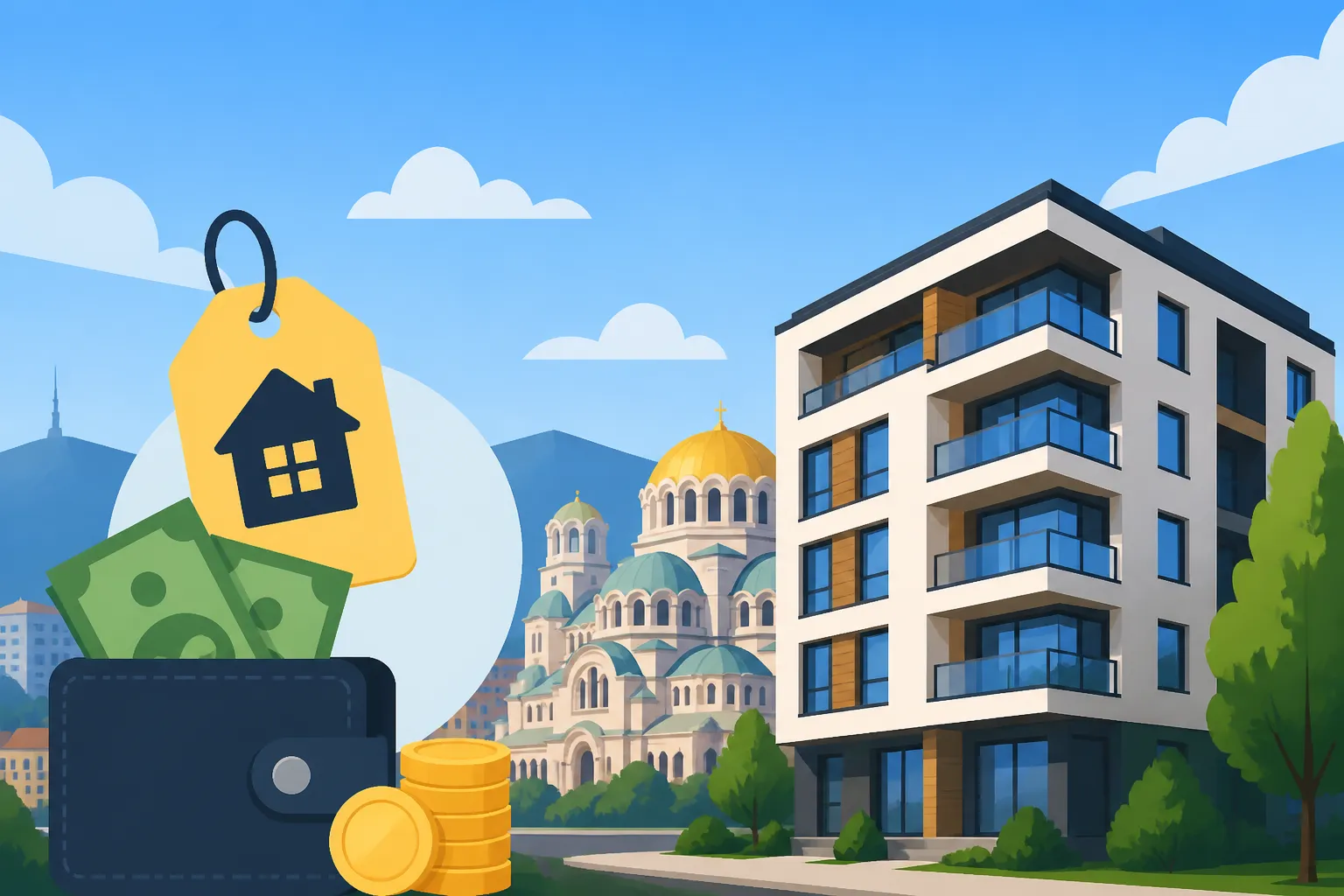
Ah, the dream of owning a slice of Sofia! It's a beautiful thought, isn't it? The cobblestone streets, the Vitosha views, the promise of a stable home in this charming city. But let’s be real, the path to property ownership in a foreign land like Bulgaria can feel less like a picturesque stroll and more like navigating a labyrinth blindfolded. You're probably wondering, exactly how much will this whole adventure set me back? Beyond the initial price tag, there’s a whole ecosystem of fees, taxes, and other expenses waiting to surprise you. Well, breathe easy. This guide is here to demystify the true cost of buying an apartment in Sofia, arming you with the realistic breakdown you need to budget wisely and avoid those unwelcome financial jolts.
The Apartment Itself: Sticker Price vs. Reality
When you start browsing online listings or peering into real estate agency windows, the numbers you see are just the beginning. The advertised price for an apartment in Sofia is rarely the final figure you’ll pay. There are so many variables at play, from the specific neighborhood to the age and condition of the building, that it's crucial to understand the nuances.
Average Apartment Prices in Sofia by Neighborhood
Sofia is a city of incredible diversity, and its property market reflects that perfectly. What you pay for a square meter can fluctuate wildly depending on where you cast your net. The city center, especially areas like Lozenets, Ivan Vazov, or Oborishte, naturally commands the highest prices. Here, you're looking at premium prices for older, often grander, apartments or sleek, modern new builds. Expect to pay anywhere from €2,000 to €4,000+ per square meter for something decent, sometimes even more for a truly luxurious spot with amenities like concierge service or a rooftop terrace.
Move a little further out, to popular residential districts like Mladost, Studentski Grad, or Darvenitsa, and prices become more approachable. These areas, particularly Mladost, are popular with young families and professionals due to good infrastructure, parks, and proximity to business centers. Here, you might find apartments ranging from €1,500 to €2,500 per square meter. These neighborhoods often feature a mix of communist-era panel blocks (which can be surprisingly sturdy and well-located, albeit aesthetically challenged) and newer, more appealing constructions. Then you have areas like Lyulin or Druzhba, which are further from the core but offer excellent value, especially if you prioritize space and a lower price point. Here, you could potentially find apartments for €1,000 to €1,800 per square meter. The trade-off is often a longer commute, though public transport in Sofia is generally efficient.
It’s not just about location; the type of property also plays a huge role. New developments, especially those boasting energy efficiency and modern layouts, will almost always be more expensive than older, resold apartments. However, older apartments in prime locations can also be incredibly sought after, particularly if they come with high ceilings, solid construction, or renovation potential. Always consider the floor – ground-floor units or those on higher floors without an elevator often come at a discount.
Negotiation and Market Dynamics
Ah, the art of the deal in Bulgaria! While it's not quite the aggressive haggling you might find in some other parts of the world, there's definitely room for negotiation, especially if you're prepared and have a good real estate agent on your side. The market in Sofia, like many other European capitals, has seen its ups and downs. Currently, it's generally a seller's market, particularly for well-located, desirable properties. However, don't be afraid to make an offer below the asking price, especially if the property has been on the market for a while or if you can point out specific flaws that require investment.
Being a cash buyer can give you a significant advantage, as it simplifies the process for the seller and reduces delays. If you're going the mortgage route, make sure you've already secured pre-approval so you can act quickly when you find the right place. Understanding the local market – whether demand is high, how quickly properties are moving, and what comparable units have sold for recently – is key. A knowledgeable local agent, the kind you'll want to find through "How Do I Find a Reliable Real Estate Agent in Bulgaria?", can be invaluable here. They can advise you on realistic offers and navigate the negotiation process in Bulgarian, which can be a real game-changer. Also, keep an eye on interest rates, as they impact mortgage affordability and overall market sentiment, influencing what sellers are willing to accept.
The Dreaded "Hidden" Costs: Fees, Taxes, and Legalities
This is where many expats get tripped up. The sticker price for an apartment in Sofia is only part of the story. The associated fees and taxes, which aren't always immediately obvious, can add a significant percentage to your total outlay. Failing to account for these can lead to unpleasant surprises, so let’s get into the nitty-gritty.
Notary Fees and Local Transfer Tax
Every property transaction in Bulgaria must go through a notary, and their services don't come free. Notary fees are legally regulated and depend on the value of the property being transacted. For instance, for an apartment priced at €100,000, the notary fee might be around €800-€1,000. It’s a sliding scale, so the higher the price, the higher the fee, but it caps out, preventing exorbitant charges on very expensive properties.
Alongside the notary fee, you'll also be paying a local transfer tax, also known as the municipal tax for property acquisition. This is essentially a local government tax on the transfer of ownership. The rate varies by municipality, but in Sofia, it typically hovers around 2.5% to 3% of the property's tax assessment value or the sale price, whichever is higher. So, for that €100,000 apartment, you could be looking at an additional €2,500 to €3,000 just for the transfer tax. This is a crucial cost that people often overlook, mistakenly thinking the purchase price is all they need to worry about. For a deeper dive into these charges, check out our guide on "What Taxes Apply When Buying Property in Bulgaria?".
Legal and Agency Fees
Navigating Bulgarian property law as a foreigner is a task best left to professionals. You absolutely need a good lawyer, even if you feel confident in your Bulgarian language skills. A lawyer will conduct due diligence, check for encumbrances, ensure the seller has clear title, and review all contracts to protect your interests. Legal fees can vary, but generally, expect to pay a percentage of the property value (e.g., 0.5% to 1.5%) or a fixed fee, usually ranging from €1,000 to €3,000, depending on the complexity of the transaction and the lawyer's reputation. This is money well spent, believe me.
Then there’s the real estate agent’s commission. In Bulgaria, it’s common for the buyer to pay the agent’s fee, which typically ranges from 2.5% to 3% (plus VAT) of the purchase price. So, on our €100,000 example, that’s another €2,500 to €3,000, plus the 20% VAT on that amount. If you’re working with an agent, make sure their fee structure is clear from the outset. Some agencies might try to charge both buyer and seller, which is something to watch out for.
Finally, some properties may require a property valuation, especially if you're taking out a mortgage. This is usually a few hundred euros and ensures the bank isn't lending you more than the property is worth.
Here’s a quick overview of these upfront costs:
| Cost Type | Estimated Range (for €100,000 property) | Notes |
|---|---|---|
| Notary Fees | €800 – €1,200 | Regulated, based on property value. |
| Local Transfer Tax (Sofia) | 2.5% – 3% (€2,500 – €3,000) | Varies by municipality; based on sale price or tax assessment. |
| Legal Fees | 0.5% – 1.5% (€500 – €1,500) | Essential for due diligence and contract review. |
| Real Estate Agent Commission | 2.5% – 3% + VAT (€3,000 – €3,600) | Typically paid by buyer; always clarify fee structure. |
| Property Valuation (if needed) | €100 – €300 | Required for mortgages. |
| Total Estimated Extra Costs | ~€6,900 – €9,600 | Approximately 6.9% to 9.6% of the purchase price. |
As you can see, these "hidden" costs quickly add up to a significant percentage of the property's price, often between 5% and 10% on top of the actual purchase price.
Banking and Mortgage-Related Costs
If you're bringing funds from outside Bulgaria or need a mortgage, there are additional banking considerations. Transferring a large sum of money internationally can incur fees. While traditional banks might charge a flat fee or a percentage, using specialist currency exchange services can often provide better rates and lower fees. You might even already have a local bank account from when you were finding your feet; our guide on "Banking in Bulgaria: A Complete Guide for Foreigners (2026)" can shed more light on local banking. Remember, if you're transferring money from a different currency, exchange rates can fluctuate, so timing your transfer can save or cost you hundreds, if not thousands, of euros.
For those considering a mortgage, there will be a range of bank-related fees. These can include:
- Application fees: A fee to process your mortgage application.
- Appraisal fees: The cost for the bank to have the property officially valued.
- Loan origination fees: Sometimes a percentage of the loan amount.
- Property insurance: Banks will typically require you to insure the property, which is an ongoing cost but often has an upfront premium.
Our comprehensive guide on "How Do I Get a Mortgage to Buy Property in Bulgaria?" delves much deeper into the specifics of securing financing as an expat, which is a whole adventure in itself. Be prepared to provide extensive documentation, including proof of income, employment contracts, and tax returns, whether you're working in Bulgaria or remotely for a foreign company.
Post-Purchase Expenses: Setting Up Your New Bulgarian Home
Congratulations, you’ve signed the papers, keys in hand! But the financial journey isn’t quite over. There are still costs involved in making that apartment truly feel like home, from renovations to getting connected.
Renovation and Furnishing
Unless you've bought a brand-new, fully furnished apartment, chances are you'll want to personalize your new space. Older Bulgarian apartments, especially those built during the socialist era, often come with dated interiors that could benefit from a refresh. Renovation costs can vary wildly depending on the extent of the work. A cosmetic update (paint, new flooring, light fixtures) might cost a few thousand euros, while a full gut renovation could easily run into tens of thousands. Plumbers and electricians are generally affordable by Western European standards, but materials and finishes can add up.
Then there’s furnishing. You can find everything from budget-friendly options at stores like IKEA or JYSK, to higher-end local furniture makers and imported goods. Consider whether you need to buy all new appliances, kitchen cabinets, bedroom sets, and living room furniture. Many Bulgarian apartments are sold "unfurnished" meaning literally no kitchen, no wardrobes – just bare walls and floor. This offers a blank canvas, but it also means a substantial initial outlay. Don’t forget the small things, like curtains, lamps, and kitchenware, which can surprisingly impact your budget.
Utility Connection and Initial Bills
Once you move in, you’ll need to get all your utilities set up in your name. This includes electricity, water, gas (if applicable), and internet/TV. While Bulgaria boasts affordable utilities, there might be connection fees or deposits required when you first set up the services.
For electricity, the main provider in Sofia is usually CEZ (now part of EVN), while water is handled by Sofiyska Voda. Gas is provided by Toplofikatsiya Sofia, although many apartments still use electricity for heating water. Internet and mobile phone services are readily available from providers like Vivacom, A1, and Yettel. Our article "The Expat Guide to Setting Up Utilities (Electricity, Water, Gas) in Bulgaria" goes into meticulous detail on how to navigate these essential connections. When you're first arriving, and even while house-hunting, staying connected is paramount. Services like Airalo offer eSIMs for instant mobile data, which is incredibly handy when you're relying on maps, translation apps, and coordinating with real estate agents. It saves you the hassle of finding a physical SIM card right when you land.
Be prepared for the initial setup. Sometimes, especially with older properties, you might need an electrician to check the wiring before the electricity company will connect you, or a plumber to ensure the water meters are in order. These are minor costs but add to the overall "getting settled" budget.
Annual Property Taxes and Maintenance Fees
Unlike the upfront taxes and fees, these are recurring costs you'll pay every year as a property owner.
- Annual Property Tax: This is a municipal tax levied on your property. It's calculated as a small percentage of the property's tax assessment value, which is usually lower than the market value. The rate in Sofia is typically around 0.15% to 0.2% of the tax assessment value. For example, on a €100,000 property (with a likely lower tax assessment value), you might pay €100-€200 per year. It's a relatively small amount compared to many other countries, one of the reasons "How Much Is Property Tax in Bulgaria?" is often a pleasant surprise for expats.
- Garbage Collection Fee (Такса Битови Отпадъци): This is usually paid alongside your property tax and covers municipal waste collection services. The amount depends on the size and location of your property and is generally quite low, perhaps €50-€150 per year.
- Building Maintenance Fees (Месечни Такси за Поддръжка): If you buy an apartment in a modern building or a gated complex, you will almost certainly have monthly maintenance fees. These cover communal expenses like cleaning of common areas, elevator maintenance, garden upkeep, security, and sometimes even a building manager. These can range from €20-€30 for a basic older building with an elevator to €100-€200+ for luxurious complexes with pools, gyms, and round-the-clock security. Make sure to inquire about these fees before committing to a purchase. Understanding "Building Maintenance Fees for Apartments in Bulgaria" is crucial for long-term budgeting.
These annual and monthly costs are part of the ongoing expense of property ownership and need to be factored into your long-term financial planning.
Strategies to Manage Costs and Budget Effectively
Buying a property in Sofia, or anywhere abroad, is a significant financial undertaking. Being prepared and strategic can save you a lot of money and stress.
Thorough Due Diligence and Professional Help
I cannot stress this enough: do your homework. Engage independent professionals.
- Get a good lawyer: As mentioned, a local Bulgarian property lawyer who speaks English is non-negotiable. They will review all documents, check for any legal encumbrances, and ensure the transfer of ownership is legitimate. Don't rely solely on the real estate agent's lawyer, as their primary loyalty might be to the agency or seller. Our guide on "How to Buy Property in Bulgaria as a Foreigner: The Full Guide (2026)" extensively covers the legal steps.
- Choose a reputable real estate agent: While you'll pay their commission, a good agent earns it by finding suitable properties, negotiating effectively, and guiding you through the local customs. Make sure they are licensed and have positive references, especially from other expats.
- Consider a property inspection: For older properties, it’s highly advisable to get a structural survey or at least an inspection by a qualified builder. This can uncover hidden issues like plumbing problems, electrical faults, or structural weaknesses that could lead to costly repairs down the line. It's much better to know these things before you buy.
- Understand the local market: Stay informed about current trends. Is it a buyer's or seller's market? What are typical prices for similar properties in your desired area? This knowledge empowers you during negotiations and helps you identify fair value. Our "Understanding Property Ownership and the Market in Bulgaria (2026)" article is a great starting point.
Budgeting for Contingencies and Unexpected Expenses
No matter how meticulously you plan, something unexpected always pops up. It's the expat rule of thumb! Therefore, always, always, always set aside a contingency fund specifically for your property purchase and initial settling-in period. I recommend budgeting an additional 10-15% of the purchase price on top of all the calculated fees and taxes. This buffer will cover:
- Minor repairs or unexpected maintenance: A leaky faucet, a fuse blowing, a door that needs adjusting.
- Appliance delivery and installation costs: Sometimes these are not included.
- Small furnishing items: Things you didn't realize you needed until you moved in.
- Translation services: While many professionals speak English, some official documents might require certified translations.
- Initial trips to furniture stores: And perhaps a coffee or three when you're utterly overwhelmed.
Think about the bigger picture, too. Once you’ve secured your dream apartment in Sofia, you’ll likely be moving your life, your entire household, across borders. This is another area where unexpected costs can creep in. Moving your belongings internationally can be a complex and costly endeavor. This is where comparing quotes from various international moving companies becomes crucial. Websites and services like Sirelo can be incredibly useful for this, allowing you to get multiple estimates and find a mover that fits your budget and timeline, ensuring your furniture and prized possessions arrive safely at your new Bulgarian address. Having a clear plan for your move, and an accurate budget, makes the transition much smoother.
Ultimately, buying an apartment in Sofia can be a fantastic investment and a wonderful way to put down roots in Bulgaria. But approach it with your eyes wide open, understand all the costs involved, and lean on professional help. It will save you headaches, heartaches, and a good chunk of cash in the long run.
Disclaimer
Please note that the information provided in this guide is for general informational purposes only and does not constitute financial, legal, or real estate advice. Property prices, taxes, and fees in Bulgaria can change due to market fluctuations, legislative updates, and local municipal regulations. It is highly recommended to consult with qualified local professionals, such as real estate agents, lawyers, notaries, and financial advisors, for personalized and up-to-date guidance before making any property-related decisions.