What Is Covered by the NHIF in Bulgaria?
Moving to Bulgaria is an exciting chapter, but let's be honest, navigating the local healthcare system can feel like trying to solve a Rubik's Cube blindfolded. One of the biggest puzzles for many expats is understanding what exactly the National Health Insurance Fund (NHIF) covers. This guide is here to demystify the NHIF's provisions, explain its limitations, and help you understand what you can realistically expect from public healthcare in Bulgaria, ensuring you’re prepared when you need medical attention.
Demystifying the Bulgarian National Health Insurance Fund (NHIF)
First things first, let's talk about what the NHIF, or in Bulgarian, the Национална здравноосигурителна каса (НЗОК), actually is. It's Bulgaria's primary public health insurance fund, the backbone of its universal healthcare system. Think of it as the central pot into which mandatory health contributions are paid, and from which most public healthcare services are funded. For anyone legally residing and working in Bulgaria, or even the self-employed, contributing to the NHIF isn't just a suggestion; it's a legal obligation.
You see, unlike some systems where you might choose a private insurer from day one, in Bulgaria, if you're employed or self-employed, you're automatically looped into the NHIF. Your employer typically handles your contributions directly from your salary, a relief for many who don't want to deal with the administrative side of things. If you're self-employed, the responsibility falls squarely on your shoulders to make sure those monthly payments are made. And trust me, you don't want to fall behind, because "uninsured" status (неосигурен) means you lose access to many covered services and have to pay out of pocket, often for past contributions too. Understanding Mandatory Health Insurance Contributions in Bulgaria is key to avoiding these headaches.
Once you’re registered and your contributions are up to date, you'll be considered "insured" (осигурен). This status is crucial. It means you have a right to access a predefined package of medical services, medications, and treatments, either fully or partially covered by the fund. It’s not quite a golden ticket, but it's your entry into the system. The specific services and their scope are determined by the National Framework Agreement (НДР), which is renegotiated periodically, so what was covered last year might have slight tweaks this year. It's always a good idea to stay informed, though the details can be quite dense for a non-native speaker.
What Essential Medical Services Are Covered by the NHIF?
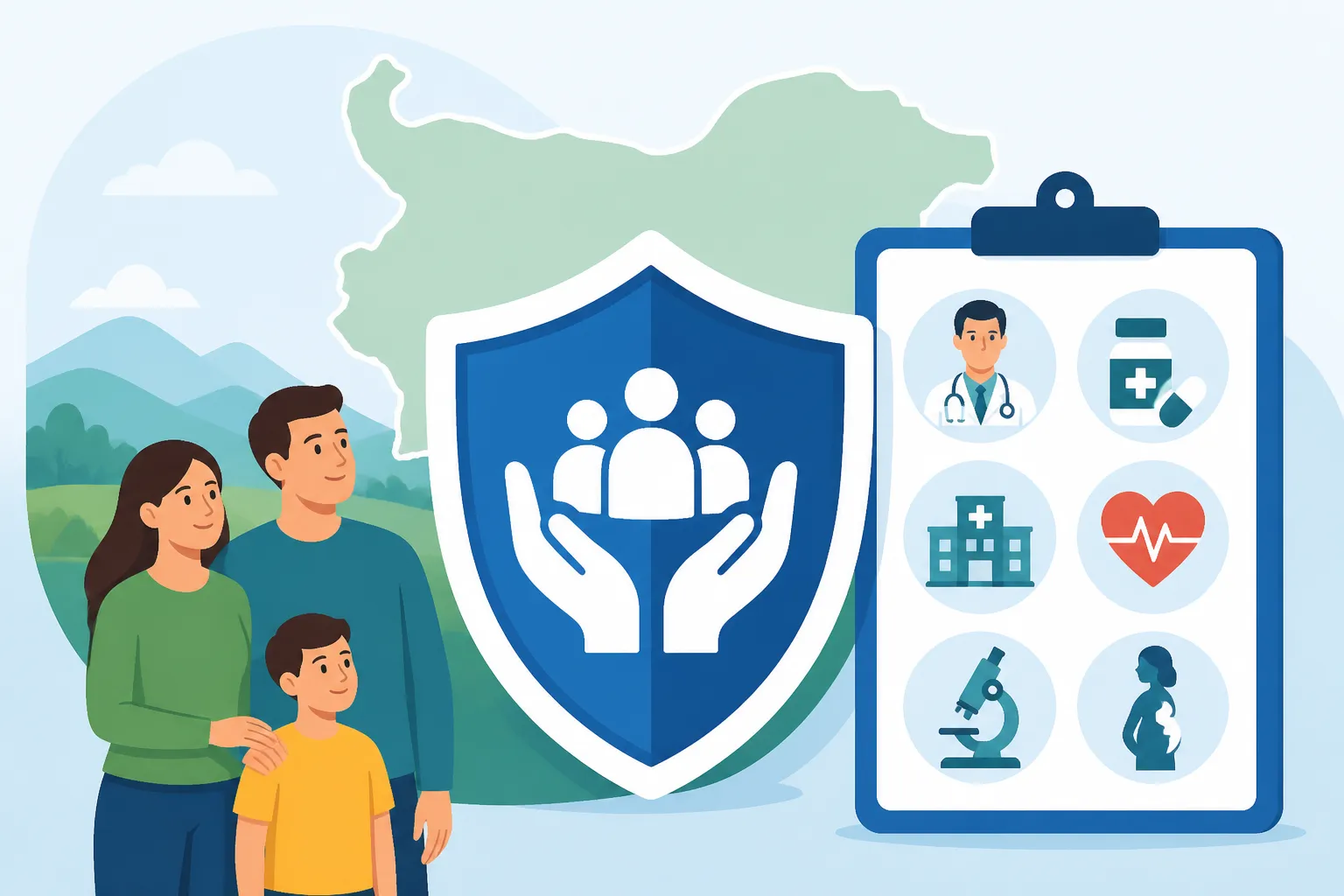
Alright, let's get down to brass tacks: what does the NHIF actually cover? Generally speaking, the fund aims to provide access to essential, basic medical care, which for many everyday needs, can be quite sufficient. However, it's important to set realistic expectations – it's a public system, and it prioritizes fundamental care over luxury or elective options.
The cornerstone of NHIF coverage is your General Practitioner (GP), known here as a Личен Лекар (lichnen lekar) or personal doctor. They are your first point of contact for almost any health issue. All your initial consultations, basic examinations, and routine check-ups with your GP are covered. More importantly, your GP acts as the gatekeeper to specialist care. Without a referral from your GP, seeing a specialist directly will almost always be an out-of-pocket expense. This referral system is a fundamental aspect of How Bulgaria's Health System Works: The NHIF and Private Care Explained.
Once referred by your GP, visits to various specialists like cardiologists, dermatologists, endocrinologists, and so on, are covered. This includes their consultations and follow-up visits as deemed necessary by your GP and the specialist. However, this is where you might start noticing differences compared to private care, especially regarding wait times. While acute cases are prioritized, non-urgent specialist appointments can sometimes involve a bit of a wait, particularly in larger cities or for highly sought-after doctors.
In terms of hospitalization, if your GP or a specialist determines you need inpatient care for acute illnesses, injuries, or surgeries, the NHIF generally covers the costs associated with your stay, including room (typically a multi-bed ward), meals, medical procedures, and necessary diagnostics. Emergency Medical Care in Bulgaria: What Every Expat Needs to Know will generally be stabilized without immediate questions about insurance, but subsequent non-emergency treatment will lean on your NHIF status.
Diagnostic tests are also covered when prescribed by your GP or specialist. This includes routine blood tests, urine tests, X-rays, and basic ultrasound examinations. For more advanced imaging like CT scans or MRIs, the NHIF might cover a portion, but you could still face a significant co-payment or find faster access through private clinics.
When it comes to prescription medications, the NHIF has a system of partial or full reimbursement for a wide range of drugs listed on the "positive drug list." This means you'll either pay a reduced price at the pharmacy, or in some cases, nothing at all, depending on the specific medication and your condition. However, many newer, very expensive, or non-essential medications might not be on this list, or only partially covered, leaving you to bear the full cost. For a deeper dive, check out Prescription Medications and Pharmacies in Bulgaria: The Complete Guide.
For families, maternity care (basic prenatal, delivery, and postnatal care) and childhood vaccinations are generally well-covered under the NHIF. This is a huge relief for expat parents, as ensuring your child's health is paramount.
Finally, let's talk about dental care. This is often a source of confusion and frustration for expats. The NHIF coverage for dental services is, to put it mildly, extremely limited. It typically covers only a few basic procedures annually, such as a basic check-up, perhaps a simple extraction, or an emergency filling in a specific type of tooth. Most routine dental work – fillings, cleanings, root canals, crowns, orthodontics – is not covered and must be paid out-of-pocket. This is why many expats opt for private dental care from the get-go. Understanding Dental Care Costs and NHIF Coverage in Bulgaria provides more detail on this specific area.
Here's a quick summary table of what's generally covered under NHIF:
| Service Category | NHIF Coverage (General) | Typical Out-of-Pocket Costs/Gaps |
|---|---|---|
| General Practitioner (GP) | Full coverage for consultations, basic exams, referrals (with small co-payment) | Co-payment (потребителска такса) of around 2.90 BGN per visit. Choosing a GP outside your registered one without referral. |
| Specialist Consultations | Covered with GP referral (with small co-payment) | Co-payment per visit. Longer wait times for non-urgent appointments. Direct access to specialists without referral is fully private. |
| Hospital Stays | Necessary medical procedures, room (multi-bed ward), meals, diagnostics during stay | Daily co-payment for hospital stays (e.g., up to 10 days per year). Private rooms, enhanced amenities, or elective procedures often extra. Choosing a specific private hospital or doctor for non-emergencies. |
| Emergency Care | Initial stabilization and life-saving measures in public hospitals | Subsequent non-emergency treatment, or transportation costs in certain scenarios (e.g., private ambulance if chosen). |
| Basic Diagnostics | Lab tests (blood, urine), X-rays, basic ultrasounds (with referral) | Advanced imaging (MRI, CT scans) may have substantial co-payments or require private payment for faster access. Specialized or genetic tests not deemed essential. |
| Prescription Medications | Partially or fully reimbursed for drugs on the positive list (with prescription) | Full cost for medications not on the positive list, or for those where your condition doesn't meet reimbursement criteria. Many over-the-counter drugs. |
| Maternity Care | Basic prenatal care, delivery, and postnatal care | Elective procedures (e.g., specific pain management not widely available), private room in a public hospital, or choosing a private maternity clinic often incurs significant extra fees. |
| Childhood Vaccinations | Covered as per national schedule | Optional vaccinations not on the national schedule. |
| Dental Care | Very limited: basic check-up, emergency extraction, limited simple fillings (annually) | Most common dental treatments: routine cleanings, complex fillings, root canals, crowns, bridges, orthodontics, cosmetic procedures – almost all are private expenses. |
| Physiotherapy | Limited sessions, with specialist referral (post-hospitalization or specific conditions) | Extended courses of therapy, specialized equipment, or rehabilitation not covered by a strict referral. Faster access to sessions. |
The Gaps: What the NHIF Doesn't Fully Cover (and Why You Might Need More)
Now, let's talk about the elephants in the room – the areas where the NHIF coverage either falls short or simply doesn't exist. This isn't to say the system is bad; it's just important for expats, who often come from different healthcare backgrounds, to understand these nuances. The Cost of Healthcare in Bulgaria: A Complete Breakdown for Foreigners can certainly catch you by surprise if you're not aware of these gaps.
Co-payments and Out-of-Pocket Expenses
Even for services technically "covered," you'll almost always encounter a co-payment (потребителска такса). This small fee, usually a few leva, is required for GP visits, specialist consultations, and even per day for hospital stays (up to a certain number of days per year). While individually small, these can add up, especially if you have chronic conditions or require frequent visits. Understanding Out-of-Pocket Healthcare Costs and Co-Payments in Bulgaria is vital for budgeting.
Limited Choice and Longer Wait Times
In the public system, you generally don't get to "choose" your specialist or hospital in the same way you might with private insurance. Your GP will refer you to a specialist who has available slots, and if you need hospitalization, it will usually be to the nearest public facility. For non-urgent procedures or specialist appointments, wait times can sometimes be considerable. This can be particularly frustrating if you have a specific doctor you prefer or if your condition is uncomfortable but not critical enough for immediate attention. This is a common reason why expats consider additional private coverage.
Dental, Optical, and Elective Procedures
As mentioned, dental care is a major gap. Beyond basic, essential extractions, almost everything else – routine cleanings, fillings, root canals, crowns, orthodontics – is out-of-pocket. The good news is that private dental care in Bulgaria is generally much more affordable than in Western Europe or North America, but it's still an expense you need to factor in.
Optical care is another area with minimal NHIF coverage. Eye exams for glasses or contact lenses, and the cost of the eyewear itself, are almost entirely private expenses. If you need corrective lenses, prepare to pay for them yourself.
Any elective procedures, cosmetic surgeries, or advanced treatments not deemed medically necessary by the NHIF will also be your responsibility. This also applies to alternative therapies or highly specialized treatments that aren't part of the standard public healthcare package.
Comfort and Amenities
While public hospitals provide necessary medical care, they often lack the amenities and comfort found in private clinics. Private rooms, more personalized care, and faster access to certain services are typically only available if you pay for them privately or have comprehensive private health insurance. This is where options like SafetyWing can become incredibly valuable. While the NHIF covers the basics, a supplementary private plan can bridge these gaps, offering peace of mind by allowing you to choose private hospitals, access specialists quicker, and enjoy greater comfort during your medical journey. A good private health insurance policy in Bulgaria, even if basic, can significantly enhance your experience.
Many expats find that combining the mandatory NHIF contributions with a private health insurance policy is the most balanced approach. This way, you fulfill your legal obligations and have access to the public system, but you also have the flexibility and enhanced coverage for the many things the NHIF doesn't quite reach. Health Insurance in Bulgaria: NHIF, Private and International Options Explained delves into these options thoroughly.
Navigating the NHIF as an Expat: Practical Steps and Advice
Navigating any new country's bureaucracy can be a slog, and Bulgaria's healthcare system is no exception. But with a bit of preparation and understanding, you can make the process smoother.
Registering with a General Practitioner (GP)
Your absolute first step once you're officially insured through the NHIF is to choose and register with a GP. This is not optional; it's fundamental. Your GP is your gateway. Without one, you'll be treated as uninsured for most non-emergency services. You can often find lists of GPs in your area through the NHIF website or by asking local expat groups. Don't be afraid to visit a few to see if you click with one and if they speak English. Many GPs, especially in larger cities like Sofia or Plovdiv, do have some English proficiency. How to Choose and Register with a GP (Личен Лекар) in Bulgaria offers a step-by-step guide.
When you register, you'll need your personal identification number (ЕГН for Bulgarian citizens, or ЛНЧ for foreigners with a residence permit), proof of NHIF contributions, and potentially your residence permit. Once registered, they become your primary point of contact.
Understanding the Referral System
I can't stress this enough: for almost all specialist care (except in emergencies), you must get a referral from your GP. Show up at a cardiologist's office without one, and you'll be paying their full private fee. Your GP will assess your condition and, if necessary, issue a referral (направление) to the appropriate specialist. This is standard procedure, and it helps manage the flow of patients within the system.
Checking Your Insurance Status
It's a good habit to periodically check your NHIF insurance status. You can do this online via the NHIF portal (НЗОК), using your personal identification number. This ensures you haven't accidentally accrued any gaps in contributions, which can lead to unpleasant surprises later on. If you're self-employed, staying on top of your monthly payments is crucial.
Dealing with Language Barriers
Bulgarian is not an easy language to pick up quickly, and medical terminology in any language is complex. Don't be embarrassed to ask if the doctor speaks English. Many younger doctors or those in private clinics do. If not, consider bringing a Bulgarian-speaking friend, colleague, or even hiring a professional translator for important appointments. Many expats also find that joining expat Facebook groups or forums can help them find English-speaking doctors or recommendations. You can also specifically look for "How to Find an English-Speaking Doctor in Bulgaria" for more targeted advice.
The Role of Private Health Insurance
While the NHIF provides a crucial safety net, many expats living in Bulgaria opt for supplementary private health insurance. This isn't just for comfort; it's often for access. A private plan, perhaps from an international provider like SafetyWing, can offer benefits such as:
- Faster access to specialists without needing a GP referral.
- The ability to choose your doctor and hospital.
- Coverage for treatments not fully covered by NHIF (like extensive dental work).
- Access to private clinics with potentially better facilities and English-speaking staff.
- Coverage for medical evacuations, which the NHIF would not cover if you needed to be transported to another country for treatment.
Even with the NHIF, having a private plan can significantly reduce stress and improve your overall healthcare experience in Bulgaria. Public vs Private Healthcare in Bulgaria: What Expats Need to Know is a great resource to understand this balance.
Disclaimer
The information provided in this guide is for general informational purposes only and does not constitute medical, legal, or financial advice. Healthcare regulations and coverage details in Bulgaria can change, and specific situations may vary. Always consult with a qualified healthcare professional, legal expert, or insurance provider for advice tailored to your individual circumstances. While every effort has been made to ensure accuracy, this information should not be used as a substitute for professional consultation.