Understanding the Single Permit for Work and Residence in Bulgaria
The Single Permit in Bulgaria combines work and residence authorization for non-EU nationals holding valid job offers from local employers.

The Single Permit in Bulgaria combines work and residence authorization for non-EU nationals holding valid job offers from local employers.

Non-EU students in Bulgaria need a university acceptance letter, financial proof, health insurance, and criminal record certificates for residence permits.

Bulgarian immigration rules, required documents, and financial thresholds help expats secure residency permits to reunite with family members.
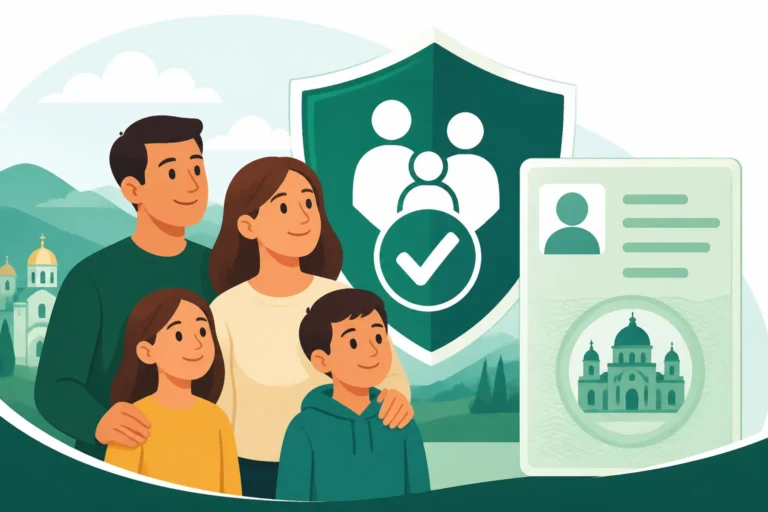
Bulgarian family reunification rules outline how residents sponsor spouses and children for residence permits, detailing legal and financial requirements.

Temporary residence permits require annual renewals for non-EU citizens, whereas permanent residence offers stability after five years.

Bulgarian work residence permits and the EU Blue Card require verified job offers, proper qualifications, and long-stay visas for foreign nationals.

Bulgarian visa rules explain the duration, application process, and specific rights associated with short-term Type C and long-term Type D visas.
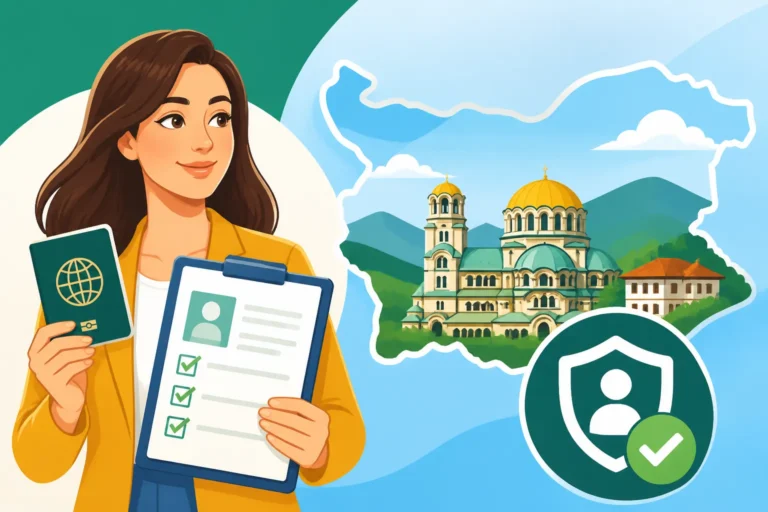
Non-EU citizens moving to Bulgaria learn the application process, required grounds, and necessary documents for securing temporary residency status.

EU citizens moving to Bulgaria must register their residence after ninety days and provide a valid passport, proof of address, funds, and health insurance.
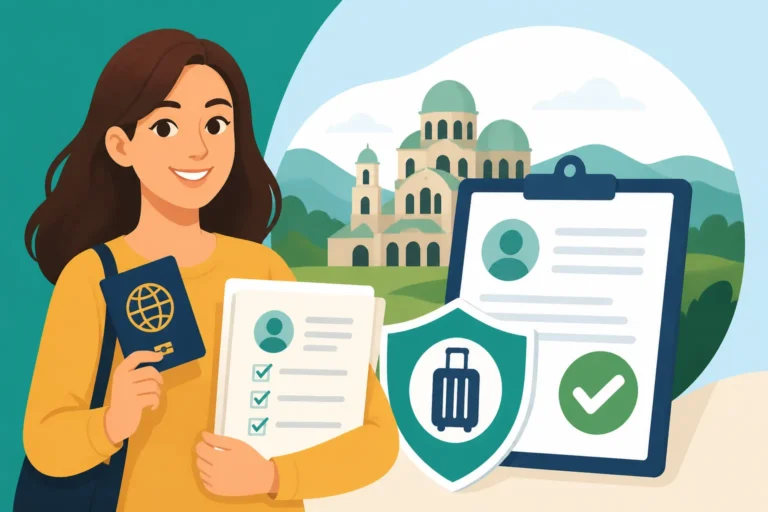
Non-EU citizens planning long-term residency in Bulgaria require a Type D visa, financial proof, valid accommodation, and approved legal grounds.