How Do I Avoid Double Taxation Between My Country and Bulgaria?
Navigating the labyrinthine world of international taxation can feel like a cruel joke when you’re just trying to settle into your new life in Bulgaria. It’s a common expat nightmare: earning money in one country, living in another, and wondering if you’re going to be taxed twice on the same income. This guide will meticulously break down how to avoid the frustrating reality of double taxation between your home country and Bulgaria, offering clear, actionable insights for your financial peace of mind.
Understanding the Double Taxation Dilemma for Expats in Bulgaria
When you move to a new country like Bulgaria, especially if you continue to earn income from your home country or have assets there, the issue of double taxation quickly rears its head. It’s a legitimate concern that can cause significant stress and financial strain, and believe me, you're not alone in feeling overwhelmed by it all. Many of us have been there, staring blankly at official documents, trying to decipher which country wants a piece of our hard-earned cash.
The Expat's Financial Juggling Act
As an expat, your financial life often isn't confined to a single border. You might have a pension from your previous employer, rental income from a property back home, or perhaps you're working remotely for a company registered elsewhere, all while calling Bulgaria your primary residence. Each stream of income and every asset can potentially fall under the tax rules of two different jurisdictions: Bulgaria, where you live and potentially work, and your home country, which might still consider you a tax resident or have claims on certain types of income. This split reality creates a complex situation where you could, theoretically, be liable for taxes in both places on the same earnings. Imagine paying tax on your hard-earned salary or pension twice over – it’s a terrifying prospect that thankfully, most countries try to mitigate.
Why Double Taxation is a Real Concern
The core problem lies in differing tax residency rules. One country might consider you a tax resident based on your physical presence (like Bulgaria’s 183-day rule), while another might maintain you as a tax resident based on citizenship, domicile, or having significant economic ties there. Without a clear framework, both countries could legally claim taxing rights on your worldwide income. This isn't just an abstract legal issue; it directly impacts your disposable income and financial planning. Losing a significant portion of your earnings to duplicate taxes means less money for your life in Bulgaria, less for savings, and less for future investments. It’s a hit that no expat wants to take, which is precisely why understanding how to circumvent it is so crucial.
Bulgaria's Flat Tax and Residency: The Foundation of Your Tax Status
Before diving into how to avoid double taxation, it’s essential to grasp Bulgaria's tax landscape, particularly its rules on tax residency and its renowned flat tax rate. These are the foundational elements that determine your basic tax obligations here. Getting this right is step one in understanding where you stand, and believe me, it’s a lot simpler than in many other countries.
Defining Tax Residency in Bulgaria
Bulgaria operates on a worldwide income taxation principle for its tax residents. This means if you are considered a Bulgarian tax resident, you are generally liable for tax on all your income, regardless of where it's earned in the world. So, how do you become a tax resident in Bulgaria? The most common trigger is the "183-day rule." If you spend more than 183 days within any 12-month period in Bulgaria, you are generally deemed a tax resident for that tax year. This period doesn't have to be continuous; it's the cumulative presence that matters. However, it's not always just about the days. Your "center of vital interests" can also play a role. This is a more subjective assessment, considering factors like where your family lives, where you own property, your social ties, and your economic interests. For instance, if you live in Sofia, your family is with you, and your primary business operations are here, even if you travel a lot, Bulgaria might still claim you as a tax resident. Understanding these nuances is critical, and a comprehensive read of Tax Residency in Bulgaria: A Definitive Guide for Expats (2027) can provide even more clarity.
Bulgaria's Attractive 10% Flat Tax Rate
One of Bulgaria's most appealing features for expats and investors is its flat personal income tax rate of 10%. This rate applies to most types of income, including employment income, rental income, capital gains, and self-employment income, once relevant deductions are applied. For many, this is significantly lower than the progressive tax rates found in their home countries. This predictable and relatively low tax burden is a huge advantage, making the country financially attractive. This 10% rate is a cornerstone of How Bulgaria's Tax System Works: The Flat 10% Tax Explained (2027), which delves into the specifics. For example, if you earn a salary of 5,000 BGN (around €2,500) per month after social contributions, your income tax payable to the Bulgarian state would be a straightforward 500 BGN. It simplifies financial planning immensely, but it doesn't automatically mean you won't face taxation elsewhere.
The National Revenue Agency (NRA) and Your Obligations
Your primary point of contact for tax matters in Bulgaria will be the National Revenue Agency (NRA), or Национална агенция за приходите (NAP). This is where you’ll register for tax purposes, file your annual tax returns, and handle any inquiries about your tax liabilities. As an expat, registering with the NRA is one of the initial administrative hurdles you’ll face, but it’s a non-negotiable step to ensure you’re compliant. This is explained further in How to Register with the National Revenue Agency (NRA) in Bulgaria. Once registered, you'll gain access to their online portal, which, while sometimes a bit clunky for non-Bulgarian speakers, is essential for filing your returns. Remember, even if you believe a Double Taxation Treaty exempts you from paying certain taxes in Bulgaria, you may still have a filing obligation to report your worldwide income to the NRA. Ignoring these obligations can lead to penalties, so it’s always best to be proactive.
Decoding Double Taxation Treaties (DTTs) with Bulgaria
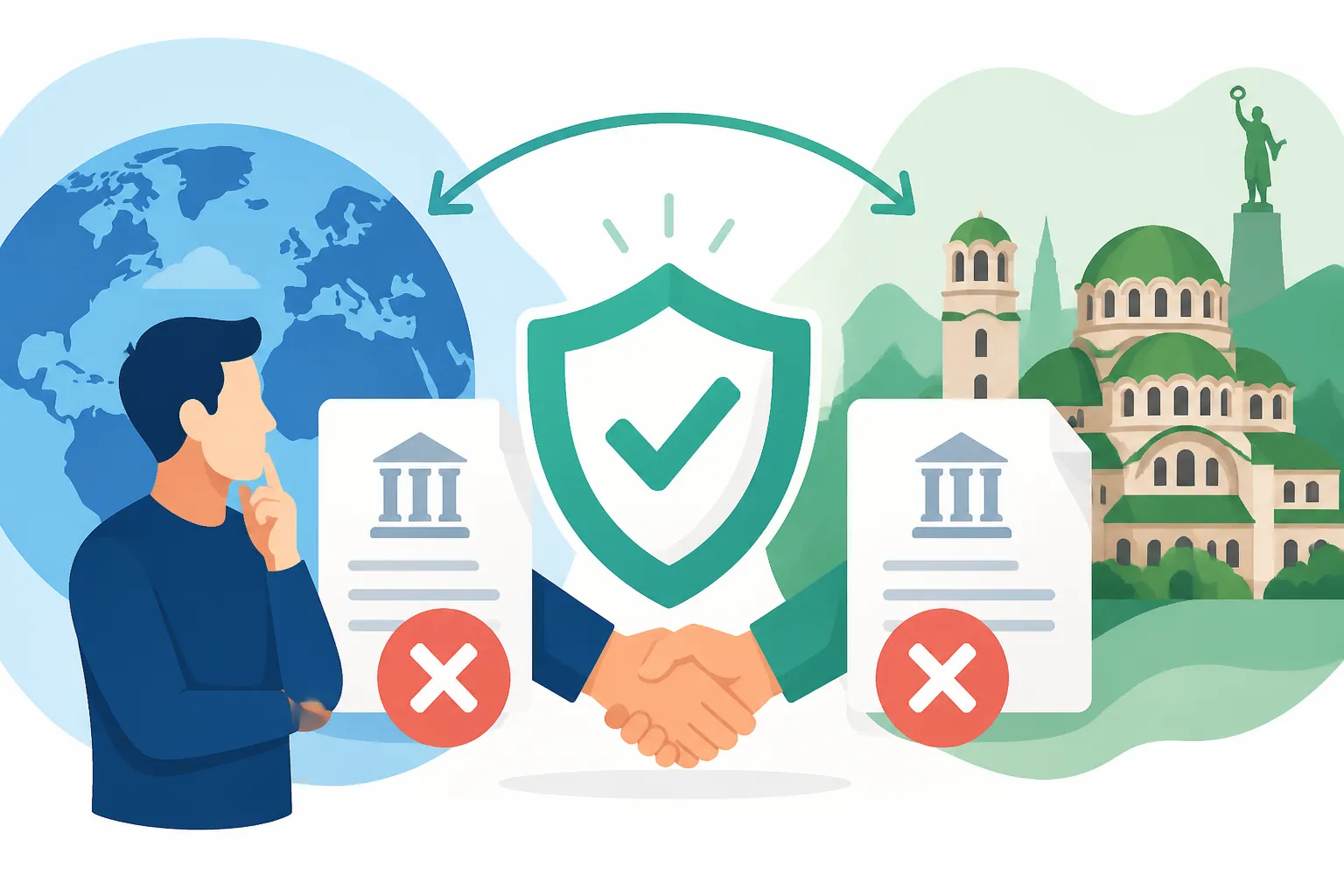
This is where the real magic happens in avoiding double taxation. Double Taxation Treaties, or DTTs, are international agreements between two countries designed to prevent individuals and companies from being taxed twice on the same income. Bulgaria has an extensive network of DTTs with many countries around the world, making them an indispensable tool for expats.
What Exactly is a DTT?
Think of a DTT as a rulebook that both Bulgaria and another country agree to follow when their respective tax laws overlap for a particular individual or company. These treaties don't create new taxes; rather, they allocate the taxing rights between the two countries or prescribe methods for providing tax relief. Each treaty is unique, but they generally follow models set by organizations like the OECD (Organisation for Economic Co-operation and Development). The primary goals of DTTs are to prevent double taxation, combat tax evasion, and foster economic cooperation. For an expat like yourself, the key takeaway is that if your home country has a DTT with Bulgaria, you likely won't have to pay tax on the same income twice. These agreements clarify which country has the primary right to tax different types of income (e.g., salary, pension, dividends, rental income) and, if both claim a right, how relief is granted. A great place to start understanding these frameworks is Understanding Double Taxation Agreements and Foreign Income in Bulgaria.
Common Methods for Relief: Exemption and Credit
DTTs typically employ two main methods to eliminate double taxation:
-
Exemption Method: Under this method, income taxed in one country (say, Bulgaria) is exempt from taxation in the other country (your home country). So, if your salary is taxed in Bulgaria, your home country will simply exclude that income from its taxable base. This is often seen as the most straightforward method, as it means you only deal with one tax authority for that specific income. For example, if a DTT specifies that employment income earned by a Bulgarian tax resident working in Bulgaria is taxable only in Bulgaria, then your home country cannot tax that same employment income.
-
Credit Method: This method is a bit more complex. Your home country will still include your foreign-earned income (income earned in Bulgaria) in your total taxable income but will then provide a credit for the taxes you've already paid to Bulgaria. This credit is usually limited to the amount of tax your home country would have levied on that foreign income. It prevents you from paying more than the higher of the two tax rates. For example, if Bulgaria taxes your income at 10%, and your home country's rate for that income would be 20%, your home country would give you a credit for the 10% already paid and then tax you on the remaining 10%. If your home country's rate was lower than Bulgaria's, say 8%, you'd still get a credit for the 8% (or the actual tax paid, whichever is lower) and wouldn't pay any more to your home country, but you wouldn't get a refund for the extra 2% paid to Bulgaria.
Choosing the right method (or rather, understanding which method applies to your specific income type under the relevant DTT) is paramount. Professional advice, perhaps from a firm like Taxes for Expats, is often invaluable here, especially when dealing with complex income streams.
Navigating Treaty Tie-Breaker Rules
What happens if both countries, based on their domestic laws, claim you as a tax resident? This is where DTTs include "tie-breaker rules." These are a series of criteria used to determine which country has the ultimate right to tax your worldwide income. They usually follow a specific order:
- Permanent Home: You are deemed a resident of the country where you have a permanent home available to you.
- Centre of Vital Interests: If you have a permanent home in both or neither, you're a resident of the country where your personal and economic relations are closer. This is often the most subjective point.
- Habitual Abode: If the above doesn't resolve it, it's the country where you have your habitual abode (the country where you spend more time).
- Nationality: If all else fails, it's the country of your nationality.
- Mutual Agreement: As a last resort, the competent authorities of both countries will try to resolve the issue by mutual agreement.
Understanding these rules can prevent a lot of headaches, especially if your living and working arrangements are a bit unconventional. A quick reference table can help illustrate the common methods of relief:
| Method of Relief | Description | When Applied | Example Scenario |
|---|---|---|---|
| Exemption | Income taxed in one country is completely excluded from taxation in the other. | When a DTT grants exclusive taxing rights to one country for specific income. | An expat's employment income earned and taxed in Bulgaria is completely ignored by their home country's tax authority, even if they are still considered a tax resident there. |
| Credit | Income is taxed in both countries, but the resident country provides a tax credit for taxes paid abroad. | When a DTT allows both countries to tax, but prevents actual double payment. | An expat earns rental income from a property in their home country, which is taxed there. Bulgaria, as the country of residence, also includes this income but gives a credit for the tax already paid to the home country, up to Bulgaria's tax rate. |
Practical Strategies to Avoid Double Taxation
Now that we've covered the basics of Bulgarian tax residency and the role of DTTs, let’s talk practical application. Navigating these waters isn’t always straightforward, but with a few key strategies, you can ensure you’re compliant and not paying more than your fair share.
Utilizing the Foreign Tax Credit Method
If the DTT between Bulgaria and your home country stipulates the credit method, your task is to ensure you correctly claim this credit when filing your tax return in your home country. This typically involves reporting your worldwide income to your home country's tax authority, just as they would expect. However, alongside this, you'll provide documentation proving the taxes you've already paid in Bulgaria on that specific income. For instance, if you're a US citizen living in Bulgaria, you'd file with the IRS, reporting your Bulgarian earnings, but then you'd claim a foreign tax credit using Form 1116 for the taxes paid to the NRA. The credit would offset your U.S. tax liability dollar-for-dollar up to the U.S. tax rate on that income. It’s crucial to maintain meticulous records of your income and taxes paid in Bulgaria, including tax certificates from the NRA, payslips, and bank statements. Failing to provide adequate proof will likely result in the credit being denied. This can become quite detailed, especially if you have various income sources.
Applying the Exemption Method
The exemption method is generally simpler but requires an understanding of when and how it applies. If a DTT states that certain income (like employment income earned in Bulgaria) is exempt from tax in your home country, you still need to understand your reporting obligations there. In some cases, you might still need to report the exempt income for calculation purposes (e.g., to determine the applicable tax rate on other, non-exempt income), even if no tax is ultimately due on it. For example, some countries use a "progression clause" where exempt income is still considered when determining the marginal tax rate for other income types. Again, accurate documentation from Bulgaria, such as annual income statements or tax declarations, will be vital to demonstrate that the income was indeed earned and potentially taxed (or eligible for exemption) in Bulgaria. Always check the specific DTT and your home country's tax laws to confirm reporting requirements, as merely assuming exemption without proper declaration can lead to issues down the line.
The Importance of Professional Tax Advice
While this guide provides a solid overview, tax laws are incredibly intricate and subject to change. The single best piece of advice any veteran expat can give you is to seek professional tax advice tailored to your specific situation. This is especially true if you have complex income streams (like a mix of employment, self-employment, pensions, and rental income), multiple nationalities, or significant assets in various countries. An international tax specialist or a firm specializing in expat taxes, like Taxes for Expats, can analyze the DTTs relevant to you, determine your tax residency status in both countries, and advise on the most tax-efficient and compliant way to structure your finances. They can also help you with the actual filing, ensuring all forms are correctly completed and deadlines are met. Think of it as an investment – a good tax advisor can save you far more in avoided double taxation and penalties than their fees. When dealing with Filing Your Tax Return with the National Revenue Agency in Bulgaria: The Complete Walkthrough (2027), having expert eyes on your documents is a significant advantage.
Key Considerations and Common Pitfalls
Even with DTTs in place, there are nuances and potential traps that expats often fall into. Being aware of these can save you a lot of grief and ensure your financial journey in Bulgaria is as smooth as possible.
Specific Income Types: Pensions, Rental Income, Capital Gains
The application of DTTs can vary significantly based on the type of income.
- Pensions: Generally, pensions are taxed only in the country of residence (Bulgaria, if you're a tax resident here) or in the country from which the pension originates, depending on the specific treaty. However, government pensions (e.g., civil service pensions) often remain taxable only in the country paying them. This distinction is critical.
- Rental Income: Income from immovable property is almost universally taxable in the country where the property is located. If you own a rental property back home, your home country will likely have the primary right to tax that income. Bulgaria, as your country of residence, would then typically provide relief through the credit method for taxes you paid abroad.
- Capital Gains: Gains from the sale of property are usually taxed in the country where the property is situated. For shares or other movable property, the taxing rights might be allocated to the country of residence.
- Dividends and Interest: These are often subject to withholding tax in the source country, but the DTT usually limits this rate. Your country of residence (Bulgaria) would then tax the net amount and provide a credit for the tax already withheld.
Each DTT handles these types differently, so reviewing the specific articles of the treaty between Bulgaria and your other country of tax relevance is non-negotiable. Don't assume; verify. More details on different income types can be found in Understanding the Tax Treatment of Foreign Income in Bulgaria.
The Pitfalls of Non-Compliance
The worst-case scenario is ignoring your tax obligations in either country. Non-compliance can lead to hefty fines, penalties, and even legal repercussions. Even if you mistakenly believe you are exempt, failing to file or report correctly can trigger investigations. Bulgarian tax authorities, like the NRA, are increasingly sophisticated and have access to international information exchange agreements. They will find out if you're not reporting income that should be declared here. Similarly, your home country's tax authority might catch up if you're not correctly declaring foreign income or claiming credits. The world is getting smaller, and tax transparency is increasing. It's always better to be upfront and compliant than to risk being caught later, facing penalties, and the stress of retrospective tax issues. For guidance, remember to consult The Complete Guide to Taxes in Bulgaria for Expats (2027).
Leveraging Digital Tools for Financial Management
While not directly about double taxation, efficiently managing your international finances can indirectly help mitigate costs and simplify reporting, thus making the overall tax burden feel less cumbersome. Platforms like Wise (formerly TransferWise) can be incredibly useful for expats living in Bulgaria. They offer multi-currency accounts, allowing you to hold and manage money in different currencies, and facilitate international transfers at much lower fees and better exchange rates than traditional banks. For example, if you receive a pension in EUR or USD and need to convert it to BGN for your living expenses, using a service like Wise can save you a significant amount on conversion fees, thereby preserving more of your income. This kind of financial efficiency, combined with sound tax planning, contributes to a healthier financial life as an expat. Seamless money management can make keeping track of your income and expenses for tax reporting much easier, which is paramount when utilizing foreign tax credits or proving exemption.
Disclaimer
The information provided in this guide is for general informational purposes only and does not constitute professional tax, legal, or financial advice. Tax laws are complex and subject to change, and their application can vary significantly based on individual circumstances and specific DTTs. Always consult with a qualified tax professional or advisor who specializes in international taxation for advice tailored to your personal situation before making any tax-related decisions.