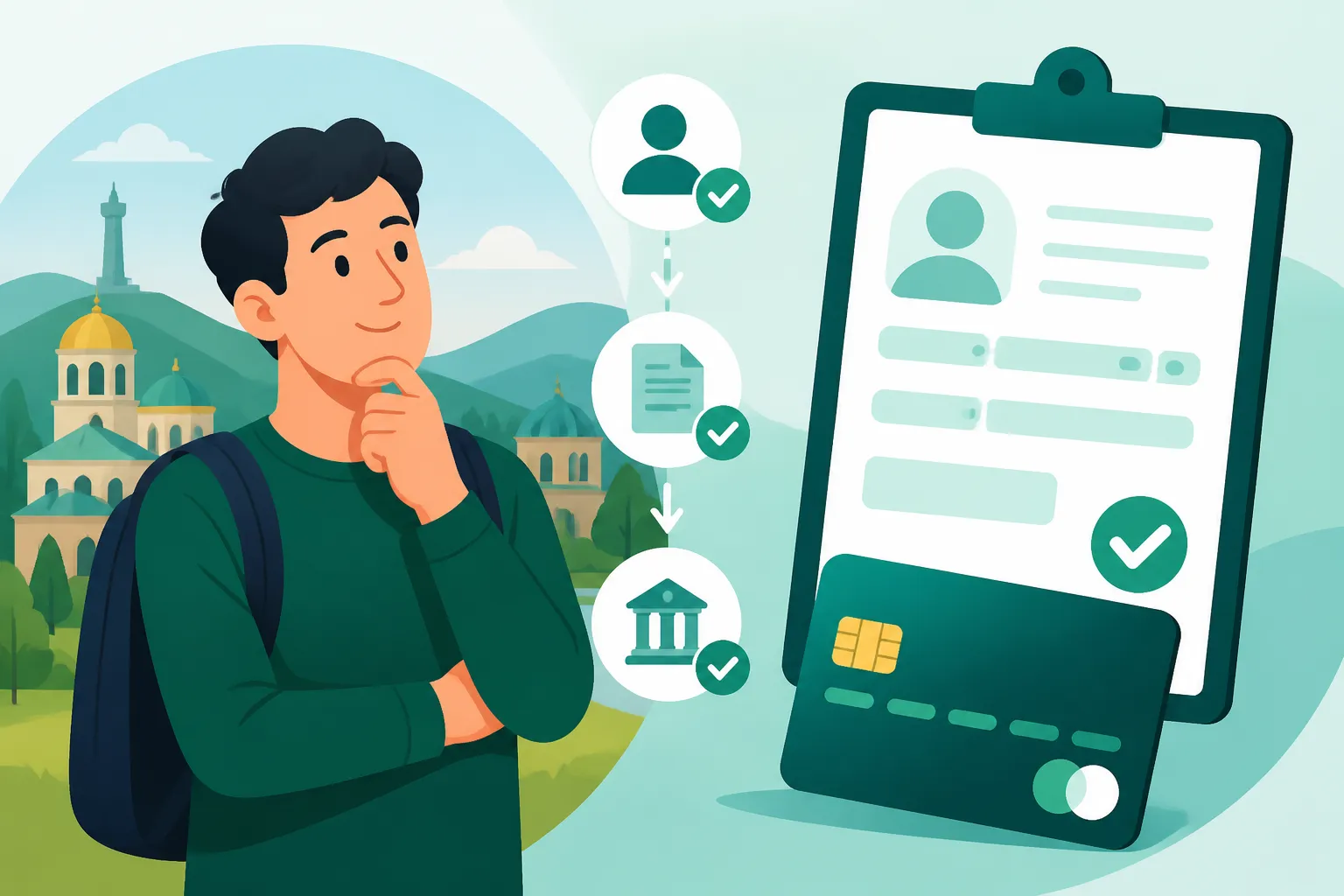
How Do I Apply for a Credit Card as an Expat in Bulgaria?
Moving to Bulgaria is an adventure, but let’s be honest, the mundane tasks, especially anything involving finance, can feel like navigating a maze blindfolded. One question that quickly pops up for many expats is, "How do I get a credit card here?" It’s not as straightforward as back home, and this guide will walk you through the realistic steps and expectations for securing a credit card as a foreigner in Bulgaria.
The Reality of Credit Cards for Expats in Bulgaria
Getting your hands on a credit card in Bulgaria as a newcomer can be a real head-scratcher. You might be accustomed to banks offering them relatively easily in your home country, especially if you have a solid credit history. However, in Bulgaria, the banking system operates differently, and the concept of a transferable international credit score isn't really a thing. This means you’re essentially starting from scratch in the eyes of Bulgarian financial institutions. They don't know you, your financial habits from abroad, or your long-term stability here, and that makes them inherently cautious.
You'll quickly find that Bulgarian banks, much like banks anywhere, are in the business of assessing risk. When you don't have a local history – no utility bills in your name stretching back years, no local employment record to scrutinize, and certainly no existing loans or credit lines with them – you represent an unknown quantity. This isn't personal, it's just how the system works. Many expats arrive expecting to simply open an account and be offered a credit card, only to be met with polite but firm refusals. The key is understanding this initial reluctance and preparing to overcome it.
Why Bulgarian Banks Are Cautious with New Expats
Bulgarian banks evaluate creditworthiness primarily based on local financial history. If you've just arrived, even with a stable income from abroad or a new job in Bulgaria, you simply don't have that history. Banks need to see proof of regular income deposited into a local account, consistent bill payments, and ideally, some form of existing relationship with them. This lack of a local credit profile is the single biggest hurdle. Furthermore, your residence status plays a significant role. If you only have a short-term temporary residence permit, banks perceive a higher flight risk, meaning they're less likely to extend unsecured credit. They want to be sure you'll be around long enough to pay them back.
Imagine yourself in their shoes: a financial institution wants to lend money, and you, a relatively new face, are asking for it. They don't have access to your credit report from the UK, the US, or anywhere else. They can't see that you've diligently paid off loans for decades. All they see is someone new to the country, potentially with an unproven income stream in their system. This is why building a rapport and establishing a financial footprint within Bulgaria is absolutely paramount before you can realistically expect to get an unsecured credit card.
The Importance of an Established Banking Relationship
Before a bank in Bulgaria will even consider giving you a credit card, you absolutely must have an established relationship with them. This isn't just about having a current account; it's about demonstrating financial stability and reliability over time. Opening a simple savings account or a current account is the first step, but it’s just that – a first step. You need to use this account regularly. Have your salary paid into it, pay your utility bills from it, and generally make it the hub of your financial activity in Bulgaria. The longer and more consistently you do this, the more data the bank has on your financial behavior.
Consider this as building your local financial 'reputation.' If you maintain a consistent balance, avoid overdrafts, and show a steady flow of income and expenditure through your DSK, UniCredit Bulbank, or Postbank account, you are slowly but surely building a profile that the bank can assess. This takes time, often six months to a year, sometimes even longer for an unsecured card. It's a waiting game that requires patience and consistent financial good behavior. This established relationship is essentially your local credit history, and without it, most avenues for unsecured credit cards will remain closed.
Essential Steps Before Applying for a Credit Card
Before you even think about marching into a bank and asking for a credit card, there are several foundational steps you need to take in Bulgaria. Skipping these will almost certainly lead to disappointment and wasted effort. Think of it as laying down the groundwork for your financial future here. Without these pillars in place, any attempt to get an unsecured credit card will likely fall flat.
Opening a Bulgarian Bank Account and Building a Relationship
First things first, you need a local bank account. This is non-negotiable. You can't apply for a credit card in Bulgaria without one, and ideally, it should be with the same bank from which you plan to seek credit. The process of opening a bank account in Bulgaria for foreigners usually requires your valid passport, your Bulgarian residence permit (or a notarized rental contract and a declaration if you're an EU citizen registering your address), and sometimes proof of address or income. I've covered this in more detail in articles like The Expat Guide to Opening a Bank Account in Bulgaria.
Once your account is open, the real work begins: building that relationship. Deposit your salary directly into this account. Set up direct debits for your rent, utilities, and any other recurring payments. Use your debit card regularly for purchases. The goal is to demonstrate consistent financial activity and solvency. If you're receiving income from abroad, consider using services like Wise to transfer funds into your Bulgarian account, ensuring transparency and a clear record of your financial inflows. The more transactions, the more funds flowing through, the more trust you build with the bank over several months. Banks like DSK, UniCredit Bulbank, and Raiffeisenbank are popular choices among expats, and they have varying requirements, so it's worth visiting a few branches.
Establishing Financial Stability and Income
Bulgarian banks will want solid proof that you can afford to repay any credit extended. This means demonstrating a stable and verifiable income. If you're employed in Bulgaria, you'll need to provide your employment contract, recent payslips (typically for the last 3-6 months), and potentially a certificate from your employer stating your position, salary, and employment start date. For self-employed expats, this becomes a bit more complex. You'll need to show evidence of consistent income through bank statements, tax declarations, and potentially your BULSTAT registration or company registration documents if you're running a business.
For those working remotely for a foreign company, you'll need to prove your income from abroad. This might involve translated employment contracts, bank statements showing regular international transfers, and potentially a letter from your foreign employer. The bank needs to be convinced that your income is stable, sufficient, and legally obtained. It's often beneficial to have a clear understanding of your tax obligations in Bulgaria, as this demonstrates financial responsibility. Services like Taxes for Expats can help you navigate this, which indirectly contributes to your perceived financial stability. The higher and more consistent your declared income, the better your chances.
Securing a Residence Permit and Local Address
Your legal status in Bulgaria is crucial. Without a valid residence permit (лично жителство for temporary, карта за постоянно пребиваване for permanent), banks will be extremely reluctant to offer any credit. A temporary residence permit is generally sufficient, but the longer its validity, the better. Banks prefer to see that you are legally entitled to reside in Bulgaria for a significant period, reducing their perceived risk. Along with your residence permit, you'll need proof of a local Bulgarian address, which is typically confirmed by your rental contract (registered with the municipality or NRA) or property ownership documents.
Having a stable local address demonstrates your integration and commitment to living in Bulgaria. It's another piece of the puzzle that shows the bank you're not just passing through. The address on your residence permit should ideally match the address on your bank statements and other official documents. Any discrepancies can raise red flags and complicate the application process. Ensure all your documentation is up-to-date and consistent before approaching a bank for a credit card.
Types of Credit Cards Available and How to Apply
Now that we've covered the groundwork, let's talk about the actual credit card options you might encounter and the process to apply. For most new expats, the path to an unsecured credit card isn't a direct one. There are usually stepping stones you need to take.
Secured Credit Cards as a Starting Point
For many expats, especially those new to Bulgaria or without a long-standing relationship with a local bank, a secured credit card is often the most realistic starting point. How do these work? It's quite simple: you provide the bank with a cash deposit, and that deposit becomes your credit limit. So, if you deposit 1,000 BGN, your credit card will have a 1,000 BGN limit. This significantly reduces the bank's risk because if you default, they already have your money.
Secured cards are an excellent tool for building a local credit history. By using the card responsibly – making purchases and paying off the full balance on time every month – you demonstrate reliable credit behavior. After a year or two of consistent, positive usage, you can then approach the bank to inquire about converting it to an unsecured card or applying for a new unsecured one. It’s a stepping stone, a way to prove yourself to the Bulgarian banking system without them taking on undue risk. Don't view it as a lesser option; view it as a strategic move to unlock future financial opportunities.
Unsecured Credit Cards and Eligibility Criteria
Unsecured credit cards are what most people envision when they think of a credit card – a credit limit without needing a deposit. Getting one as an expat in Bulgaria typically requires meeting stricter criteria than a secured card. Banks will look for several key factors:
- Established Banking Relationship: As mentioned, a history of at least 6-12 months, preferably longer, with the issuing bank, demonstrating consistent income and responsible financial management.
- Stable and Sufficient Income: A clearly verifiable income that is significantly higher than your basic expenses. Banks want to see a comfortable buffer. They'll assess your debt-to-income ratio if you have any other loans.
- Long-Term Residence: A longer-term residence permit (e.g., permanent residence, or a temporary permit with several years of validity remaining) can significantly improve your chances, as it signals greater stability.
- Clean Financial Record: No history of bounced checks, late payments on other loans (if you've managed to get any, like a small consumer loan), or other financial irregularities.
- Existing Products: Sometimes, having other products with the bank, like a mortgage or a significant savings account, can help, as it further solidifies your relationship.
Each bank (DSK, UniCredit Bulbank, Postbank, Raiffeisenbank) will have its own specific thresholds and criteria, so it’s always best to inquire directly. Some may offer unsecured cards with lower limits to start, increasing them over time if you prove reliable.
The Application Process
Once you’ve done your homework and are ready to apply for either a secured or unsecured credit card, here’s a general idea of what to expect during the application process:
- Gather Documents: Prepare all necessary documents:
- Valid passport
- Bulgarian residence permit
- Proof of address (registered rental contract, utility bill in your name)
- Proof of income (employment contract, recent payslips, employer certificate, tax declarations for self-employed)
- Bank statements from your current Bulgarian account (especially if applying to a different bank, though not usually recommended)
- Application form (provided by the bank)
- Visit a Branch: Credit card applications are typically done in person at a bank branch. It's advisable to go during off-peak hours or make an appointment.
- Consult with a Representative: Explain your situation, clearly stating you are an expat looking to build local credit. Be honest about your financial standing and history. They might recommend starting with a secured card.
- Complete the Application Form: Fill out the bank's application form accurately. It will ask for personal details, employment information, income, and existing financial obligations.
- Submit Documents: Hand over all your prepared documents for verification.
- Credit Assessment: The bank will review your application and documents. For an unsecured card, they will perform an internal credit assessment based on the information you’ve provided and your existing banking history with them.
- Decision and Issuance: If approved, you’ll be informed of your credit limit and terms. The card will usually be issued and ready for pick-up within a week or two, often needing to be activated at an ATM or through online banking.
Be prepared for questions, and don't be discouraged if the first bank says no. Some banks might be more accommodating than others, especially if you have a significant deposit for a secured card or a very stable, high income.
Alternatives and Tips for Building Credit
Even if an unsecured credit card isn't immediately an option, there are still plenty of ways to manage your finances effectively and steadily build a credit profile in Bulgaria. Patience and strategic financial planning are your best allies.
Debit Cards and Prepaid Cards
In the interim, while you build your creditworthiness, debit cards linked to your Bulgarian bank account will be your primary tool for everyday transactions. They are widely accepted across Bulgaria, both online and in physical stores, just like credit cards. The only difference is that you're spending your own money, not borrowing it. Many Bulgarian banks, like UniCredit Bulbank and DSK, offer excellent debit card options, often with contactless payment features and robust online banking platforms.
Additionally, prepaid cards can be an option for budgeting or if you prefer not to link directly to your main bank account for online purchases. While they don't help build credit history, they offer convenience and security. For daily spending, a local debit card is perfectly sufficient and crucial for demonstrating regular financial activity to your bank, which in turn helps your credit profile for future applications.
Leveraging Other Financial Products
Building credit in Bulgaria isn't solely about credit cards. Other financial products, even seemingly small ones, can contribute to your credit history:
- Small Installment Loans: Once you have a stable income and an established bank account, you might be eligible for small consumer loans from your bank for specific purchases (e.g., a new appliance, furniture). Successfully repaying these loans on time is a huge positive mark on your credit record.
- Overdraft Facilities: Some banks might offer a small overdraft facility on your current account. Using this sparingly and repaying it promptly can also help demonstrate responsible borrowing. Be cautious with these, as interest rates can be high if you stay in overdraft for long.
- Utility Bills: While not a "financial product" in the traditional sense, consistently paying your utility bills (electricity, water, internet) on time through your bank account contributes to your perceived reliability. Although not directly tied to a credit score, it's part of the overall financial picture a bank considers.
- Mortgages/Car Loans: Down the line, if you're considering buying property or a car, securing a loan for these significant purchases will be a major step in building a robust credit history. For advice on property, you might want to read How to Get a Mortgage to Buy Property in Bulgaria.
Every instance where you reliably meet a financial obligation, whether it's repaying a loan or consistently paying bills, adds a brick to your financial credibility wall in Bulgaria.
Financial Planning and Managing Your Money
Effective financial planning is at the heart of establishing credit and living comfortably in Bulgaria. This means not just earning money, but managing it wisely. Track your income and expenses diligently to ensure you're always living within your means and ideally, saving a little too. A healthy savings account, even if small, shows financial prudence to your bank.
When it comes to transferring money internationally, especially if a significant portion of your income still comes from abroad, using cost-effective and transparent services is key. Platforms like Wise are excellent for currency exchange and international transfers, offering competitive rates and clear transaction records, which can be useful when demonstrating your income streams to a Bulgarian bank. For complex financial situations or questions about how your income and assets are treated, professional advice is invaluable. You might find resources like Taxes for Expats useful for understanding your Bulgarian tax obligations, which are intrinsically linked to your overall financial standing and ability to secure credit. Remember, every piece of verifiable financial stability you can demonstrate strengthens your case.
| Feature | Secured Credit Card | Unsecured Credit Card |
|---|---|---|
| Deposit Required | Yes, acts as collateral | No |
| Credit Limit | Typically equals your deposit amount | Determined by bank based on credit assessment |
| Eligibility | Easier for new expats with limited local history | Requires established local credit history, stable income |
| Credit Building | Excellent for building initial local credit history | Requires existing credit history to qualify |
| Risk to Bank | Low (deposit covers defaults) | Higher (relies on borrower's promise to pay) |
| Interest Rates | Can be similar to unsecured, but less relevant if paid in full | Varies based on creditworthiness, typically higher |
| Typical Expat Start | Most common initial step for new arrivals | Achievable after 1-2 years of positive financial history |
Disclaimer
The information provided in this guide is for general informational purposes only and does not constitute financial, legal, or professional advice. While we strive to keep the information up-to-date and accurate, regulations and banking practices in Bulgaria can change without notice. Always consult with a qualified financial advisor, legal professional, or the specific bank directly for advice tailored to your individual circumstances before making any financial decisions.