Can Tourists Get a VAT Refund in Bulgaria?
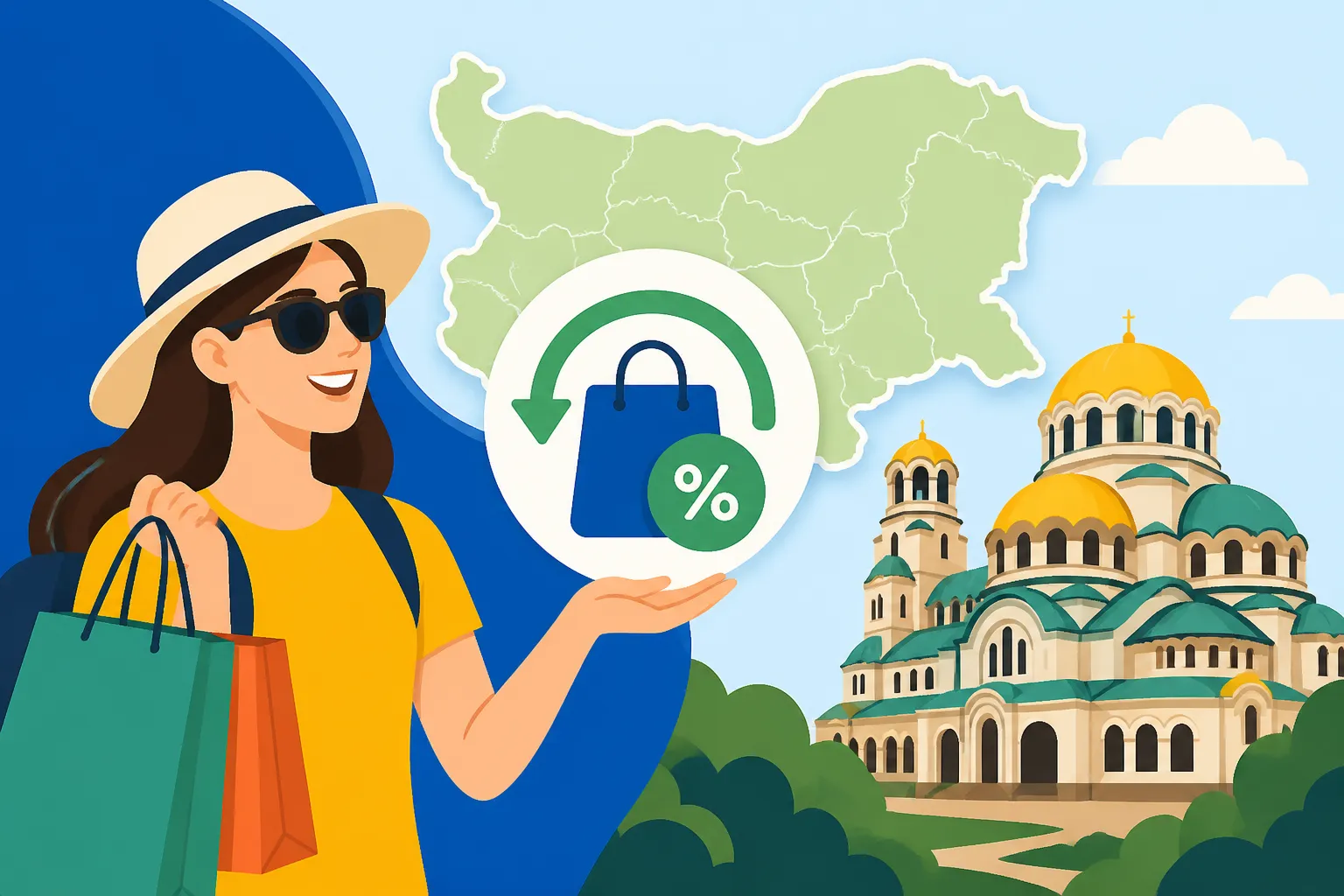
Ah, the thrill of finding that perfect souvenir or a great deal on something you truly wanted, only to be hit with the reality of taxes! Newcomers to Bulgaria soon learn that every bit of savings counts, especially when you're just visiting. This guide is dedicated to demystifying the VAT refund process for tourists in Bulgaria, ensuring you understand exactly if and how you can get a little bit of that money back into your pocket before you head home.
The Basics of VAT in Bulgaria for Visitors
Let's cut right to it. Bulgaria, like all other European Union countries, charges a Value Added Tax, known locally as ДДС (DDS). This is essentially a consumption tax added to most goods and services you purchase. For us expats living here, it's just a part of daily life, but for tourists, it presents a potential opportunity to get some cash back. The standard VAT rate in Bulgaria is 20%, which means a significant chunk of your purchase price could be recoverable. There are lower rates for certain items, like 9% for hotel accommodation, restaurants, and books, but generally, when we talk about retail shopping, we're looking at that 20%.
The good news is, Bulgaria participates in the global "tax-free shopping" scheme. This isn't a uniquely Bulgarian thing; it's designed to make shopping more attractive for visitors from outside the EU by refunding the VAT on goods they take out of the bloc. The bad news is, like most things involving bureaucracy, it's not always straightforward. But don't despair, with a little know-how, you can certainly make it work.
Who is Considered a 'Tourist' for VAT Refunds?
This is a critical distinction that many visitors often misunderstand. For the purposes of a VAT refund in Bulgaria, a "tourist" is generally defined as someone who is not a resident of an EU member state. This means if you're visiting from, say, the UK, the US, Canada, Australia, or any other non-EU country, you likely qualify. However, if you're an EU citizen living in France, Germany, or even another part of Bulgaria as a resident, you generally won't be eligible for a VAT refund on purchases made here. The underlying principle is that VAT is an internal EU tax, and once you leave the EU customs territory, you're exempt from paying it on goods you export.
To prove your non-EU residency, you’ll typically need to present your passport and, if applicable, your visa, at the time of purchase and again at customs. This is why it's so important to have these documents handy when you're planning a shopping spree. Without proper identification proving you're taking these goods out of the EU, the system won't recognise you as an eligible "tourist."
The Minimum Spend Threshold and Eligible Goods
Now, you can't just buy a small trinket and expect to claim VAT back. There’s a minimum purchase threshold set by the Bulgarian government. Currently, to be eligible for a VAT refund, your purchases from a single store, made on the same day, must amount to at least 100 BGN (Bulgarian Leva), inclusive of VAT. That's roughly €50 or so, depending on the exchange rate. This threshold can catch people off guard; many smaller purchases won't qualify individually, so if you're eyeing a few items, it’s often better to buy them together at the same shop.
When it comes to eligible goods, the rule of thumb is that they must be tangible personal goods that you are taking out of the EU in your luggage. Think clothes, electronics, jewellery, cosmetics, souvenirs, and so on. These items must be new and unused at the time of your departure and available for customs inspection.
There are, of course, a few key exclusions:
- Services: Any services rendered, like hotel stays, restaurant meals, car rentals, or tours, are not eligible for a VAT refund. This is a consumption tax on goods, not services.
- Items consumed in Bulgaria: If you buy food, drinks, or any other items that you consume before leaving the country, you can't claim VAT back on those. That delicious Bulgarian wine you drank with dinner? No refund.
- Alcohol and Tobacco: These are generally exempt from VAT refunds due to excise duties and specific regulations.
- Fuel: Not eligible.
- Cultural goods or antiques: Items that might require special export permits are usually excluded.
- Certain medical supplies or pharmaceuticals: While some items might technically be goods, their specific nature often places them outside the refund scheme.
So, while you might find a great deal on a new watch at a mall like Serdika Center in Sofia, buying a banitsa to eat on the spot won't get you any tax back. Focus on items you'll be packing away and taking with you.
Navigating the Tax-Free Shopping Process in Bulgaria
Okay, so you've understood the rules. Now, let's talk about the practical steps to actually get that refund. This process can feel a bit like a treasure hunt, complete with specific maps and instructions. You’ll be dealing with two main entities: the retail store and a tax-free refund provider. In Bulgaria, you’ll most commonly encounter international providers like Global Blue and Planet, which facilitate these refunds for tourists. Look out for their "Tax Free" logos displayed in shop windows or at the cash register.
In-Store Procedures: Getting Your Tax-Free Form
This is where the journey begins, right at the point of sale. After you've made your qualifying purchase (remember that 100 BGN minimum!), you need to explicitly ask the sales assistant for a "Tax Free Form." Don't assume they'll offer it; sometimes, they're busy, or they might think you're a resident. Just politely say "Tax Free, please" or "Възстановяване на ДДС за туристи" (Vuzstanovyavane na DDS za turisti) if you're feeling adventurous with your Bulgarian.
The sales assistant will then ask for your passport. They need your passport details to fill out the form accurately. This typically includes your full name, passport number, country of residence, and sometimes your address. They will also list the purchased items and their prices. It's crucial that this form is filled out correctly and completely. Always double-check the details before you leave the store. An incorrectly filled form can lead to issues later on.
You'll receive a printed Tax Free Form along with your original purchase receipt. These two documents are inseparable. The form details the potential refund amount, often showing the full VAT, but remember, the refund provider will deduct an administrative fee. More on that later. Keep these documents safe and together – preferably with the items you bought. If you lose either, your refund claim is toast. Think of it like this: if you’re shopping for some exquisite traditional pottery in a specialized shop near Plovdiv’s Old Town, you'll want to ensure all details are correct on that form before you even think about enjoying the local sights.
Customs Validation at Departure
This is arguably the most crucial step, and where many people trip up. You must get your Tax Free Form validated by Bulgarian Customs officials when you leave the European Union. This usually happens at your final point of departure from the EU. For most tourists flying out, this means at Sofia Airport, Varna Airport, or Burgas Airport. If you’re leaving by land, you’ll need to stop at the border crossing.
Here’s the drill:
- Do NOT pack your tax-free goods in your checked luggage if you intend to claim a refund at the airport after check-in. Customs officials will need to inspect the items. They must be unused and in their original packaging, if applicable. Keep them accessible, either in your carry-on or in a separate bag.
- Locate the Customs desk (Митница – Mitnitsa) at the airport or border crossing. At Sofia Airport, for example, there's usually a dedicated Customs office or counter in the departure area, often before or after security, depending on the terminal. Arrive early to give yourself ample time. There might be a queue, and rushing can lead to mistakes.
- Present your passport, boarding pass/travel ticket, the Tax Free Forms, and the purchased goods to the Customs officer. The officer will verify your eligibility, inspect the goods to ensure they match the forms, and then stamp your forms. This stamp is your golden ticket! Without it, no refund will be issued.
- Time Limit: Be aware that there's typically a time limit for getting your forms stamped after the purchase date, often around three months. Check the specific dates on your forms.
A real-life scenario: Imagine you've bought a beautiful leather jacket from a boutique on Vitosha Boulevard in Sofia. You're flying out of Sofia Airport. You'd keep that jacket in your carry-on or a dedicated bag, go to the Customs desk, show your passport, boarding pass, the jacket, and the form. The officer checks, stamps, and you're good to go. If the officer is unavailable or there's an issue, it can be incredibly frustrating. This is a common pain point, and patience is definitely a virtue here. For a smoother journey through the airport, you might also find some helpful tips in guides like Understanding Emergency Numbers (112) and Ambulance Care in Bulgaria if you need assistance during your travels, though this is for general emergency context.
Claiming Your Refund: Options and Realities
Once your Tax Free Forms are stamped by customs, you’re past the biggest hurdle! Now, it's about actually getting that money back. Don't expect to walk away with the full 20% VAT you initially paid. The refund providers (Global Blue, Planet, etc.) charge an administrative fee for their service, which covers processing, handling, and currency conversion. This is a standard practice worldwide.
Refund Methods and Associated Fees
You typically have a few options for receiving your refund:
- Cash Refund: This is often the quickest way to get your money, usually available at dedicated refund counters at major airports (often near the customs desk). However, cash refunds often come with the highest administrative fees and might have a limit on the amount you can receive in cash. You'll usually receive the refund in Bulgarian Leva (BGN) or Euros, and if you opt for a different currency, you’ll be subject to their exchange rates, which might not always be the most favourable.
- Credit Card Refund: A popular choice for larger amounts. You provide your credit card details on the form, and the refund is credited to your card. This method generally has lower administrative fees than cash but takes longer – typically anywhere from 2 to 8 weeks, sometimes even more, depending on the provider and your bank. It's often more convenient as you don't need to carry large sums of cash.
- Bank Transfer: Similar to a credit card refund, you provide your bank account details. This also takes time and might incur bank transfer fees from your own bank or intermediary banks, in addition to the refund provider’s fees. If you're dealing with international transfers, services like Wise (formerly TransferWise) can be incredibly useful for sending or receiving money across borders with transparent fees and better exchange rates than traditional banks. While not directly for your refund collection, understanding services like Wise is key if you ever need to transfer larger sums into or out of Bulgaria. This also ties into the broader topic of How to Transfer Money Into and Out of Bulgaria as an Expat.
Here’s a quick overview of what you might expect regarding refund options:
| Refund Method | Pros | Cons | Typical Fees (Estimate) | Payout Currency (Common) |
|---|---|---|---|---|
| Cash | Immediate payout, useful for small sums | Highest fees, limits on cash amount, currency exchange risk | 15-25% of VAT amount | BGN / EUR |
| Credit Card | Lower fees, no need to carry cash, convenient | Slower (weeks), refund processing time can vary | 10-20% of VAT amount | Original purchase currency / EUR |
| Bank Transfer | Good for larger sums, direct to account | Slowest (weeks to months), potential bank transfer fees | 10-20% of VAT amount | Original purchase currency / EUR |
Remember, the goal is to get some of the VAT back, not necessarily every last cent, due to these operational costs. It’s part of the game.
The Timeline and Potential Pitfalls
The timeline for receiving your refund, especially for credit card or bank transfers, can vary. Don’t hold your breath for instant gratification. It’s not uncommon to wait a month or two. Keeping copies of all your stamped forms and original receipts is a smart move. This way, if there’s a delay or an issue, you have all the documentation needed to follow up with the refund provider.
Common reasons why a refund might be denied or delayed:
- Incomplete or Incorrect Forms: Missing passport details, incorrect purchase amounts, or unreadable handwriting.
- Missing Customs Stamp: This is non-negotiable. No stamp, no refund. Period.
- Expired Forms: The validity period for claiming the refund has passed.
- Goods Not Presented for Inspection: If customs wanted to see the item and you couldn't show it (e.g., it was already in checked luggage), they won't stamp the form.
- Buying from Non-Participating Stores: Not all stores offer tax-free shopping. Always check for the logos beforehand.
While Bulgaria offers an attractive flat 10% income tax rate for residents, which you can learn more about in How Bulgaria's Tax System Works: The Flat 10% Tax Explained (2027) or The Complete Guide to Taxes in Bulgaria for Expats (2027), the tourist VAT refund system is a different beast entirely. It’s a consumer-focused scheme, not about your personal income tax obligations. Still, understanding that there are different layers of tax interaction can give you a broader perspective on financial matters here.
Practical Tips for a Smooth VAT Refund Experience
Having gone through the process myself, and hearing countless stories from fellow expats and visitors, I can offer some battle-tested advice to make your VAT refund experience in Bulgaria as smooth as possible. It’s all about preparation and attention to detail.
Planning Your Shopping and Departure Strategically
- Shop at Known "Tax Free" Stores: Stick to larger department stores, international brand outlets, or shops explicitly displaying Global Blue or Planet Tax Free logos. These stores are familiar with the process and their staff are usually well-trained in filling out the forms correctly. You're less likely to run into issues than at a small, independent boutique that might only process a few forms a year.
- Consolidate Purchases: Remember that 100 BGN minimum? If you’re buying multiple smaller items, try to buy them all at the same store on the same day to meet the threshold. A single, larger purchase is always easier to process than several small ones.
- Arrive Early at the Airport: I cannot stress this enough. Customs queues can be long, especially during peak travel seasons. Give yourself at least an extra hour, possibly two, to comfortably navigate customs validation before your flight check-in and security. This is especially true if you have many forms to process or large items that might require extra scrutiny.
- Keep Items Accessible: Do not seal your luggage until after you've had your tax-free items stamped. The customs officer can and will ask to see the goods. Having to rummage through a packed suitcase or unpack a perfectly organised bag at the airport is a frustration you want to avoid.
- Organise Your Documents: Keep all your passports, boarding passes, Tax Free Forms, and original receipts in a dedicated folder or envelope. This will save you precious time and reduce stress at the customs desk.
Alternative Ways to Save Money
While the VAT refund is a great way to save, it's not the only way to make your money go further in Bulgaria. Expats often find that understanding the local economy is key.
- Embrace Local Markets: For fresh produce, unique handmade goods, and a genuine cultural experience, explore local markets like Женски пазар (Women's Market) in Sofia. Prices are often much lower than in supermarkets, and you're supporting local producers.
- Look for Sales: Just like anywhere else, Bulgarian stores have seasonal sales. If you're flexible with your travel dates, timing your trip around major sales events (e.g., after Christmas, summer sales) can yield significant savings.
- Consider Local Brands: While international brands are popular, Bulgaria has some fantastic local designers and producers. Their products are often high-quality and more affordably priced, offering excellent value without needing a tax refund.
- Understand the Cost of Living: Generally, Bulgaria offers a very attractive cost of living compared to Western Europe or North America. This means you might find that many items, even with VAT, are still cheaper than what you'd pay back home. For a deep dive into daily expenses, take a look at our comprehensive guide on The Complete Guide to Cost of Living in Bulgaria for Expats (2026). This will give you a broader picture of how far your money can stretch.
Getting a VAT refund in Bulgaria as a tourist is absolutely doable, but it requires diligence and a clear understanding of the process. With these tips, you're well on your way to a more financially savvy trip, leaving you with a little extra cash to remember your Bulgarian adventure fondly.
Disclaimer
Please note that tax laws and procedures can change. While I strive to provide the most accurate and up-to-date information based on my experience and available resources, this guide is for informational purposes only and does not constitute professional tax or legal advice. Always verify current regulations with official sources or consult with a qualified professional before making financial decisions.