How Do I Apply for Naturalisation in Bulgaria?
Oh, the dream of becoming a Bulgarian citizen! It's a journey many of us expats consider once we've truly settled into life here, but navigating the naturalisation process can feel like trying to solve a Rubik's Cube blindfolded. From understanding the nuanced eligibility criteria to wading through mountains of paperwork and facing the inevitable bureaucratic hurdles, it’s a path fraught with potential frustrations. This comprehensive guide is here to shed light on every step of applying for naturalisation in Bulgaria, offering you a realistic, empathetic roadmap to help you achieve full citizenship.
Understanding the Path to Naturalisation: Eligibility and Key Requirements
Before you even start dreaming of waving a Bulgarian flag, you need to understand the fundamental criteria for naturalisation. Bulgaria, like any sovereign nation, has specific rules about who can become a citizen, and these aren't always straightforward. It's not just about how long you've been here; it's about how deeply you've integrated and what you've contributed.
The General Conditions for Naturalisation
For most expats, the journey to Bulgarian citizenship will fall under the general naturalisation route. This means you need to meet a series of conditions that prove you've made Bulgaria your genuine home. Don't underestimate any of these, as even a minor oversight can send your application back to square one.
Firstly, you absolutely must be of legal age, which in Bulgaria means you're 18 years old. This isn't just a formality; it signifies your capacity to make legal commitments. Secondly, and this is a big one, you need to have been granted a permanent residence permit in Bulgaria at least five years before your naturalisation application. And it's not just holding the permit; you must have actually resided in Bulgaria continuously during this period. We're talking physical presence, not just having the paperwork. The authorities are meticulous about this, often checking entry and exit stamps, so make sure your movements abroad haven't violated the continuous residency rule. It's a long haul, but this five-year permanent residence is the bedrock of your application. If you're still on a temporary permit, your first step is to focus on securing your The Complete Guide to Long-Term and Permanent Residence in Bulgaria (2027).
Beyond residency, you need to demonstrate that you have a stable and regular income or sufficient funds to support yourself and your family in Bulgaria. This isn't about being rich; it's about proving you won't be a burden on the state. They'll want to see your tax declarations, employment contracts, bank statements, or proof of pension income. This condition often trips people up because "sufficient" can feel subjective. Generally, they're looking for an income at least equal to the national minimum wage, consistently over a period. If you're self-employed, make sure all your taxes are up to date and your income is properly declared, which you can learn more about in The Complete Guide to Taxes in Bulgaria for Expats (2027). They also check for any outstanding debts to the state, like unpaid taxes or social security contributions. A clean financial slate is crucial here.
Then there’s the big one for many: the Bulgarian language requirement. You must have a good command of the Bulgarian language, equivalent to at least a B1 level according to the Common European Framework of Reference for Languages. This isn't just conversational Bulgarian; it's about being able to understand and communicate effectively in various situations, including official ones. You'll have to pass a dedicated language exam administered by the Ministry of Education and Science. Trust me, this test is no walk in the park, and it requires dedicated study. Many expats find this to be the most challenging part, and for good reason—Bulgarian grammar is notoriously complex!
Finally, you must not have been convicted by a Bulgarian court for a serious intentional crime, and you must not be subject to criminal prosecution for such a crime, unless you've been rehabilitated. This means a clean criminal record here in Bulgaria. They also look into your record from your home country, so don't think a past mistake abroad will go unnoticed.
Special Cases: Marriage, Investment, and Other Routes
While the general naturalisation path is common, Bulgaria offers a few alternative routes that can potentially expedite or simplify the process for certain individuals. It's vital to understand which category you might fall into, as the requirements can differ significantly.
One of the most common "special cases" is naturalisation through marriage to a Bulgarian citizen. If you've been legally married to a Bulgarian national for at least three years, and you've also maintained permanent residence in Bulgaria for at least three years (which can overlap with your marriage period), you might be eligible for a slightly faster track. You still need to meet the legal age, clean criminal record, and sufficient income requirements, but the permanent residency period is reduced. This route acknowledges the deeper integration that typically comes with marrying a local. You'll need to provide your marriage certificate, and often, proof of cohabitation and the genuine nature of your marriage. This isn't just about having a piece of paper; they want to see a real family unit. For those looking to bring their spouse over, understanding How Do I Sponsor My Spouse for a Residence Permit in Bulgaria? is a key first step.
Another, albeit more complex and often changing, route is through investment. Historically, Bulgaria had a "Citizenship by Investment" program, sometimes known as a "Golden Passport" scheme. However, due to pressure from the European Union and concerns about its integrity, this program has largely been suspended or significantly reformed. While the direct path to citizenship through investment as it once existed is no longer available, substantial investments can still facilitate long-term residency, which is a prerequisite for naturalisation. For instance, creating a certain number of jobs or investing in specific government bonds might open doors to long-term or permanent residency under the Understanding the Investment Residence Permit in Bulgaria category, which then, after the requisite time, can lead to naturalisation. It’s crucial to seek up-to-date legal advice on any investment-based residency or citizenship paths, as these policies are highly dynamic.
Then there's the path for individuals of Bulgarian origin. If you can prove your Bulgarian ancestry (even if you weren't born in Bulgaria), you might be eligible for naturalisation under simplified conditions. This often waives the continuous residency requirement or significantly reduces it, and sometimes even the language requirement can be less stringent. This route is typically handled by the State Agency for Bulgarians Abroad, and it requires extensive documentation to prove your lineage. It’s a route that speaks to the historical and cultural ties many have to Bulgaria.
Finally, individuals who have rendered exceptional services to Bulgaria in fields such as science, culture, sports, or economics may be granted citizenship at the discretion of the government, even if they don't meet all the standard criteria. This is a rare and highly selective path, typically reserved for individuals with truly outstanding achievements and contributions that benefit the nation.
It’s clear that this isn't a one-size-fits-all process. Understanding which path aligns with your personal circumstances is the very first, critical step. Don't hesitate to seek expert legal counsel to navigate these different routes.
Gathering Your Documents: The Bureaucratic Gauntlet
Ah, the paperwork. If you've lived in Bulgaria for any length of time, you'll know that bureaucracy is a national sport. Naturalisation takes it to an entirely new level. This phase requires meticulous attention to detail and a healthy dose of patience. Trust me, you'll feel like you're collecting every piece of paper you've ever owned.
Essential Documents and Certifications
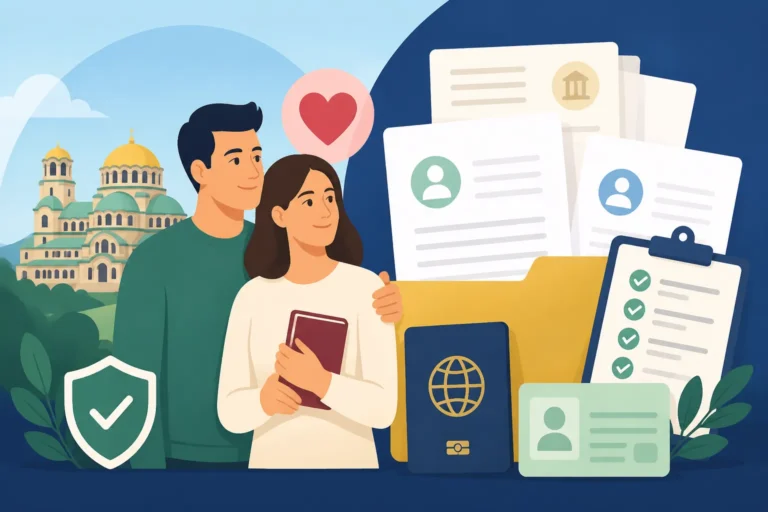
You're going to need a hefty folder, maybe even two, for all the documents required. Let's break down the essentials you'll be scrambling to find or acquire:
First up, your personal identification. This means your valid passport (and copies of all relevant pages), your Bulgarian identity card, and your permanent residence permit card. Make sure everything is up to date and hasn't expired.
Then come the foundational certificates: your birth certificate and, if applicable, your marriage certificate. These absolutely must be original documents, apostilled in your home country (if it's a signatory to the Hague Apostille Convention) and then officially translated into Bulgarian by a sworn translator in Bulgaria. The apostille certifies the authenticity of the public document, and without it, your document from abroad is basically just a piece of paper in the eyes of Bulgarian law. Learning How to Get Your Documents Apostilled for Bulgaria Immigration is a must. If you have children, their birth certificates will also be needed, especially if they are applying with you or if their information is relevant to your marital status.
Next, you'll need proof of your clean criminal record. This usually involves obtaining a certificate of no criminal record from your home country and one from Bulgaria. Again, the foreign document will need to be apostilled and translated. This shows you haven't been involved in any serious legal trouble.
Financial stability is key, so prepare your financial documentation. This typically includes official statements from your employer detailing your employment, position, and salary, or if you're self-employed, your company registration documents, tax returns, and bank statements showing consistent income. They want to see that you've been consistently earning and paying your way. Also, be prepared to show proof that you have no outstanding tax liabilities or social security contributions. The National Revenue Agency (NRA) will issue a certificate for this, but getting it often requires you to be completely up to date.
Medical certificates are another often-overlooked but critical component. You'll need certificates from a Bulgarian medical institution confirming you don't suffer from certain infectious diseases or mental health conditions that are deemed a threat to public health. This usually involves a check-up and tests for HIV, syphilis, and tuberculosis, along with an assessment of your mental health. While not directly a requirement for naturalisation, securing comprehensive health coverage throughout your residency is crucial, and providers like Cigna Global offer robust international health insurance options that can give you peace of mind for these types of checks and general healthcare needs.
And don't forget the language certificate proving your proficiency in Bulgarian. This is typically issued by the Ministry of Education and Science after you pass their exam.
Here's a quick summary of typical documents:
| Document Type | Requirement | Notes |
|---|---|---|
| Personal ID | Valid Passport, Bulgarian ID Card, Permanent Residence Permit | Ensure all are current; provide copies of relevant pages. |
| Civil Status Records | Original Birth Certificate, Marriage Certificate (if applicable), Children's Birth Certificates (if applicable) | All foreign documents must be apostilled in the country of origin and officially translated into Bulgarian by a sworn translator in Bulgaria. |
| Criminal Records | Certificate of No Criminal Record from Home Country, Certificate of No Criminal Record from Bulgaria | Foreign documents require apostille and translation. |
| Financial Proof | Employment contract, Salary statements, Bank statements, Tax declarations, Certificate of No Outstanding Liabilities from NRA | Demonstrates stable income and no debts to the state. |
| Medical Certificates | Certificates from Bulgarian medical institution for specific diseases (HIV, syphilis, TB) and mental health evaluation | Issued by designated Bulgarian health providers. |
| Language Proficiency | Bulgarian Language Proficiency Certificate | Issued by the Ministry of Education and Science after passing the official exam. |
| Other | Photos, Application Forms, Proof of Address (e.g., utility bill), detailed CV or autobiography (sometimes requested) | Check specific requirements for current forms and number of photos. |
This list isn't exhaustive, and requirements can change, so always check the latest information on the Ministry of Justice website or consult with an immigration lawyer. Each document needs to be translated into Bulgarian by a licensed translator and, for foreign documents, apostilled. Start this process early, as obtaining documents from abroad can take months. Remember, Sirelo isn't just for moving your furniture; they can also be invaluable if you need to arrange secure international shipment of delicate or original documents between countries, ensuring your vital papers reach Bulgaria safely for apostille and translation.
Proving Your Integration: Language and Lifestyle
It's not enough to just have the paperwork; the Bulgarian authorities want to see that you are genuinely integrated into Bulgarian society. This goes beyond merely residing here and involves demonstrating a commitment to the country's culture and values.
The Bulgarian language exam is arguably the biggest hurdle for many. It's designed to assess your reading, writing, listening, and speaking skills at a B1 level. This means you should be able to understand the main points of clear standard input on familiar matters, deal with most situations likely to arise whilst travelling, produce simple connected text on topics that are familiar or of personal interest, and describe experiences, events, dreams, hopes, and ambitions, and briefly give reasons and explanations for opinions and plans. For an expat who might have primarily relied on English or other languages in their daily life in Sofia or Plovdiv, this can be a significant challenge. My advice? Don't underestimate it. Invest in a good tutor, immerse yourself in Bulgarian media, and practice daily. There are preparatory courses available, which I highly recommend. You can often find information on these through local language schools or community centers.
Beyond the language, they are looking for a general sense of "good standing" within the community. This isn't usually a formal document, but rather an overall impression gathered during the process. It means having no outstanding legal issues beyond the criminal record check. It means being a law-abiding resident, contributing to society through your work and taxes. If you own property, maintain it well. If you have children in local schools, that also demonstrates integration. Any proof of community involvement, even if informal, can subtly reinforce your application. This could be volunteering, participating in local events, or simply having a good reputation among your Bulgarian neighbors. They want to see that you're not just passing through, but truly becoming a part of the Bulgarian fabric. It’s about more than just paying your Do Expats Have to Pay Health Insurance Contributions in Bulgaria? or Understanding Mandatory Health Insurance Contributions in Bulgaria, it's about being an active resident.
The Application Process: From Submission to Oath
Once you've meticulously gathered every single document, had them apostilled and translated, and passed your language exam, you're ready for the actual application. This phase involves direct interaction with the authorities and a period of waiting that can test even the most patient individual.
Submitting Your Application and the Interview
The official place to submit your naturalisation application is the Ministry of Justice, specifically the Directorate "Bulgarian Citizenship," in Sofia. This is where your mountain of paperwork finally lands. You'll need to bring all your original documents, along with their certified translations and apostilles. They will review everything thoroughly, so make sure it's all in order. Any missing or incorrectly prepared documents will lead to delays, or worse, outright rejection. This is not the time for "near enough is good enough."
After submission, you'll likely be scheduled for an interview. This interview is a crucial part of the process and isn't just a formality. It’s conducted by an official from the Ministry of Justice, and sometimes interpreters are present, though if you're applying for naturalisation, you're expected to demonstrate your Bulgarian language skills directly. The questions will vary but generally focus on your motives for wanting Bulgarian citizenship, your knowledge of Bulgarian history, culture, and state structure, and details about your life in Bulgaria. They might ask about the President, the capital city, national holidays, or even local customs. They want to gauge your genuine attachment to the country and ensure you understand what it means to be a Bulgarian citizen. Be honest, be prepared, and show genuine respect and interest. This is your chance to shine and show that you're not just trying to get a passport, but that you truly feel Bulgarian.
Be prepared for this whole submission and interview phase to be quite formal. Bulgarian administrative processes often adhere strictly to protocol, so always be polite, respectful, and punctual. Remember that officials often have heavy workloads, and while they might seem stern, they're generally just doing their job according to procedure.
Waiting Game and Next Steps
Once your application is submitted and your interview is done, the infamous "waiting game" begins. And let me tell you, this can be the longest game of your life. The processing times for naturalisation applications in Bulgaria can be lengthy, often taking anywhere from 1 to 3 years, and sometimes even longer. There’s no exact science to it, and it depends on the complexity of your case, the volume of applications, and the efficiency of the administrative bodies.
During this period, your application will go through various stages of review and consultation with different state institutions, including the Ministry of Interior, the State Agency for National Security, and others, to verify all the information you've provided and to conduct thorough background checks. This is why having all your documents perfectly in order from the start is so important – it minimizes reasons for them to halt your application for further clarification.
You can sometimes monitor the status of your application online via the Ministry of Justice website, using a reference number provided at submission. However, don't expect daily updates. Patience, my friends, is not just a virtue, it's a necessity when dealing with Bulgarian immigration processes. While you're waiting, ensure you maintain your permanent residence status and continue to abide by all Bulgarian laws. Any issues during this waiting period could jeopardize your application. It's a journey that often feels longer than the time you spent getting your The Expat Guide to Getting a Residence Permit in Bulgaria (2027) in the first place.
If your application is successful, you will eventually receive notification that the President of Bulgaria has signed a decree granting you citizenship. This is the moment you've been waiting for! The final step is to attend a solemn ceremony where you take an oath of allegiance to the Republic of Bulgaria. This is a formal declaration of your loyalty and commitment to the country. After taking the oath, you'll be issued with your naturalisation certificate, and you can then apply for a Bulgarian identity card and passport.
This entire process, from preparing your initial documents to taking the oath, is a significant undertaking. It demands diligence, resilience, and a deep-seated desire to truly call Bulgaria your permanent home. But for those of us who have lived here, grown to love the country, its people, and its unique culture, it's a deeply rewarding journey.
Disclaimer
Please remember that I am an expat blogger, not a legal professional. The information provided in this guide is based on general knowledge, personal experience, and publicly available information regarding naturalisation in Bulgaria. Immigration laws and requirements can change frequently and may have specific nuances depending on your individual circumstances. It is always highly recommended to consult with a qualified Bulgarian immigration lawyer or legal expert for personalized advice before making any decisions or taking any steps related to your naturalisation application. This guide should serve as a helpful starting point, but not as a substitute for professional legal counsel.