How Do I Set Up Streaming and TV in My Bulgaria Home?
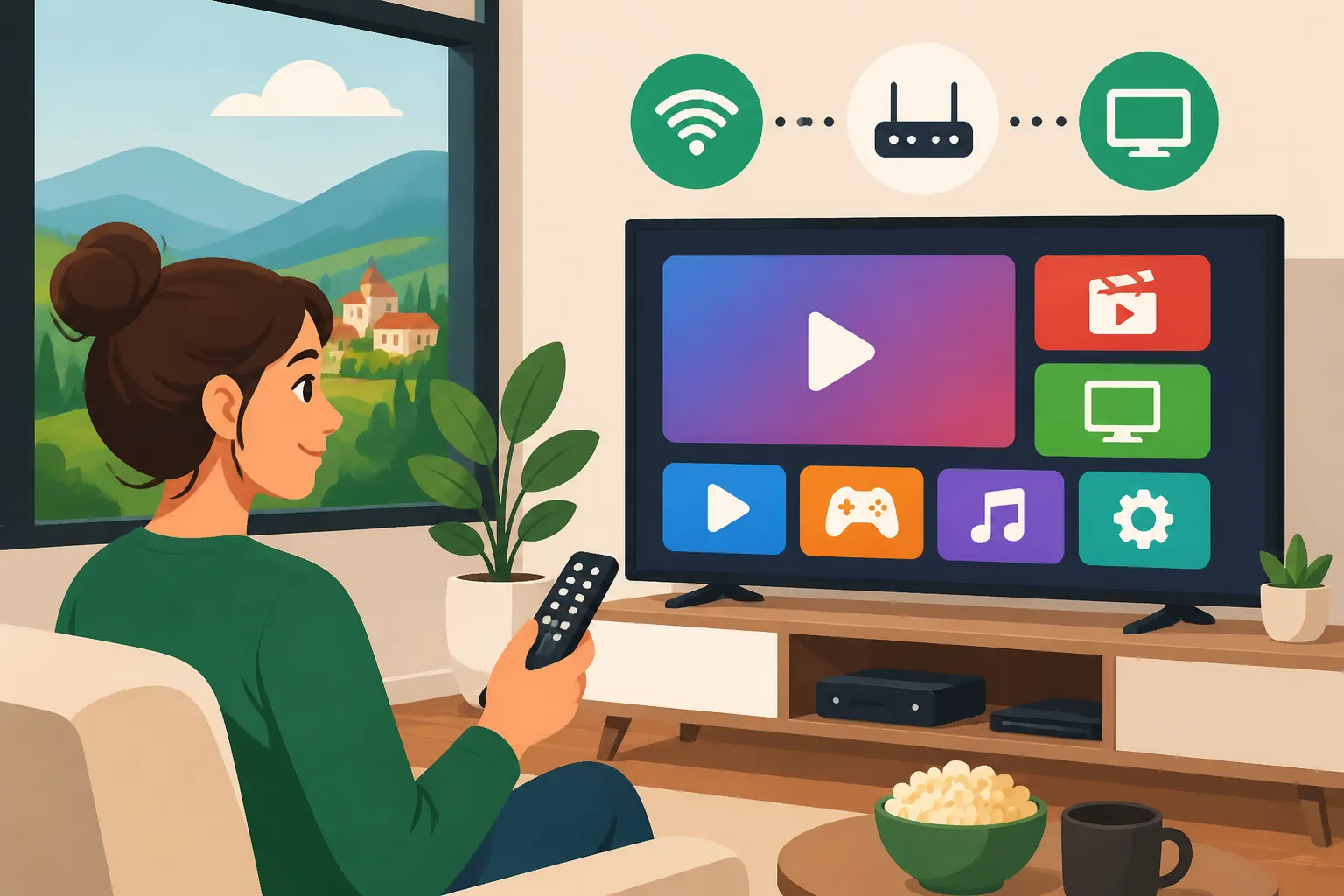
Moving to a new country like Bulgaria is a whirlwind, isn't it? After navigating the paperwork, finding a place, and setting up the essentials, all you want to do is kick back, relax, and binge your favourite show or catch up on the news from home. But then you face the daunting task of figuring out how to get your TV and streaming services working in a new language and with unfamiliar providers. This guide is here to untangle that mess, walking you through everything you need to know to get your entertainment hub up and running in your Bulgarian home.
Understanding Your Options for TV and Streaming in Bulgaria
When you first arrive, the sheer number of options, combined with the language barrier, can make setting up your home entertainment feel like scaling Vihren peak in flip-flops. But trust me, once you break it down, it's quite manageable. You've essentially got a few paths: traditional TV services, the ever-popular streaming platforms, or a clever combination of both.
Traditional Cable and Satellite TV
For those who appreciate a more conventional viewing experience or want access to local Bulgarian channels and sports, traditional cable or satellite TV is a solid choice. The market here is dominated by a few major players, much like back home, but with a Bulgarian twist.
The big names you'll encounter are typically Vivacom, A1, and Yettel. These aren't just mobile providers; they offer comprehensive packages that bundle internet, TV, and sometimes landline phones. Vivacom and A1 are particularly strong in this area, having extensive networks across the country. Yettel, while primarily known for mobile, also offers home internet and TV services, especially in urban areas.
When considering these providers, you'll find various packages catering to different needs. Most offer a base package of Bulgarian national and popular international channels, with options to add premium sports, movie channels, or specific foreign language channel packs. For example, if you're a sports fanatic, you'll want to check if they offer the Bulgarian sports channels that broadcast local leagues or international events. The good news is many international channels, especially movie and documentary ones, are often available with dual audio tracks, meaning you can switch to English if the Bulgarian dubbing isn't your cup of tea.
The installation process usually involves a technician visit, which can be a bit of an adventure if your Bulgarian isn't fluent. Always try to arrange for an English-speaking representative to be present or ask a Bulgarian friend to help. You'll sign a contract, typically for 12 or 24 months, which will detail the channels, internet speed, and monthly fee. Be prepared to provide your Bulgarian ID (лична карта or residence permit) and proof of address. Don't be shy about asking for a full breakdown of all costs, including any activation fees or equipment rental, because sometimes these aren't explicitly clear upfront. It's also worth noting that while the basic package might seem inexpensive, adding a lot of premium content can quickly drive up the monthly bill.
Embracing the Streaming Revolution
Let's be real, for many of us expats, streaming services are our lifeline to familiar content and often the easiest way to get English-language entertainment without much fuss. The good news is that most major international streaming platforms are readily available in Bulgaria.
You'll find Netflix, HBO Max, Disney+, Amazon Prime Video, and YouTube Premium all operating here. The content libraries are generally quite robust, though they might differ slightly from what you're used to in your home country due to regional licensing agreements. Most offer English audio and subtitles, making them incredibly expat-friendly. Signing up is usually straightforward, requiring just an email address and a credit card. Keep in mind that while many credit cards issued in your home country might work, some platforms prefer a card with a Bulgarian billing address, so it’s wise to have your Bulgarian bank account and card set up. Speaking of which, if you're still in the early stages of getting settled, you might find our guide on How to Open a Bank Account at a Bulgarian Bank as a Foreigner incredibly helpful.
One common question is about VPNs (Virtual Private Networks). If you're keen on accessing content libraries from your home country or other specific regions, a VPN can be your best friend. Many expats use services like NordVPN or ExpressVPN to bypass geo-restrictions. However, be aware that streaming providers are constantly trying to detect and block VPN usage, so it’s a bit of a cat-and-mouse game. What works today might not work tomorrow, and the quality of streaming can sometimes be impacted by the VPN connection. Always choose a reputable VPN provider with servers optimized for streaming.
Beyond the international giants, Bulgaria also has its own local streaming platforms and catch-up services, often tied to the traditional TV providers. For instance, A1 and Vivacom both offer their own apps and platforms where you can watch live TV, catch up on missed shows, or access on-demand content. These are primarily in Bulgarian but can be great for immersing yourself in the local culture and picking up the language. If you're committed to learning Bulgarian, diving into some local shows can be surprisingly effective!
Getting Your Internet Connection Sorted: The Foundation for Streaming
No matter how many fantastic shows are waiting for you, none of it matters without a solid internet connection. Think of it as the invisible backbone of your entertainment system. In Bulgaria, you generally have excellent options, especially in urban areas, for fast and reliable internet.
Choosing an Internet Provider
As mentioned earlier, Vivacom, A1, and Yettel are the main players for home internet. They all offer different technologies:
- Fiber Optic: This is the gold standard for speed and reliability. If available in your building or neighbourhood, it’s usually the best choice, offering speeds well into the hundreds of Mbps, perfect for multiple streamers and heavy internet users.
- Cable Internet: Also very good, often delivered via the same infrastructure as traditional cable TV. Speeds are generally high and consistent.
- ADSL/VDSL: More common in older buildings or rural areas. While reliable, speeds are typically lower than fiber or cable. If you plan to stream in 4K or have a household with multiple devices, you might find ADSL speeds limiting.
When choosing, it’s not just about the advertised speed; check the upload speeds too, especially if you're planning on video calls back home or uploading large files. Also, consider the cost of the router – some providers include it, others charge a rental fee or require you to purchase it outright. It's often bundled with TV packages, which can offer cost savings. Our guide, How to Choose the Best Internet Provider in Bulgaria, delves deeper into making this decision.
The signup process for home internet is similar to TV. You'll need your ID/residence permit and proof of address. Expect to sign a contract, typically for 12 or 24 months. Be very clear about the cancellation policy – early termination fees can sometimes be substantial. It's always a good idea to research customer reviews, especially regarding technical support and reliability in your specific area. While Sofia, Plovdiv, and Varna generally have excellent infrastructure, coverage can vary in smaller towns or more remote locations.
Mobile Internet and Data for On-the-Go Streaming
Sometimes you need your entertainment fix when you're out and about, or perhaps you're just getting settled and don't have home internet yet. This is where mobile internet plans truly shine. All three major providers (Vivacom, A1, Yettel) offer competitive mobile data packages with generous allowances.
For a temporary solution, or if you're traveling frequently within Bulgaria or the EU, an eSIM can be an absolute game-changer. Services like Airalo allow you to purchase local or regional data plans digitally, without needing a physical SIM card. This means you can be connected almost instantly upon arrival, which is fantastic for those crucial first few days when you might be relying on your phone for navigation, communication, and, yes, a bit of streaming on the go. Imagine arriving and immediately being able to pull up directions or stream a podcast while waiting for your taxi, without scrambling for a local SIM.
You can often use your mobile phone's hotspot feature to create a Wi-Fi network for your laptop or tablet, turning your phone into a portable router. This can be a viable interim solution for streaming on larger devices until your home internet is installed. Just be mindful of your data limits, as streaming high-definition video can gobble up gigabytes remarkably quickly. Many expats also opt for a dedicated mobile Wi-Fi device (often called a 'MiFi' or pocket router) with a data-only SIM, which can provide a more stable connection than a phone hotspot and can be shared among multiple devices.
Practical Steps to Set Up Your Entertainment System
Alright, you've chosen your providers, you know your options – now for the nitty-gritty of getting everything working. This is where patience and persistence truly pay off.
Installation and Activation
Once you've signed your contract with your chosen internet and/or TV provider, they'll schedule a technician visit for installation. This is usually within a few days to a week, depending on demand. On the day of the appointment, ensure someone is home and, if possible, have a Bulgarian speaker available. Even if the technician speaks some English, complex technical terms can be lost in translation.
The technician will run the necessary cables, install the router and/or TV set-top box, and activate your services. They should also perform basic setup like connecting your devices and ensuring everything is working. Don't be afraid to test it on the spot. Try loading a website, playing a YouTube video, or switching through TV channels. If something isn't working or you're unsure how to use the remote, this is your chance to ask. Make sure you get all the necessary login details for your Wi-Fi, online portals, and any streaming apps they provide.
It's also worth asking about how to access their self-service portal online. Many providers in Bulgaria have quite good platforms where you can check your bills, manage your services, and sometimes troubleshoot issues. Knowing how to navigate this from the start can save you a lot of headaches later.
Navigating Language Barriers and Support
Ah, the eternal expat challenge! While many younger Bulgarians in urban areas speak excellent English, relying on it for customer support can be hit or miss.
- Before calling: Check the provider's website. Many have English versions or at least offer online FAQs that can be translated with browser tools.
- During the call: When you call customer service, politely ask if an English-speaking agent is available. If not, try to use simple, clear language. Having key phrases written down in Bulgarian can be incredibly useful. Google Translate, while not perfect, can be a lifesaver for translating specific questions or instructions.
- In-person: If you're really struggling, sometimes going to a physical store (for Vivacom, A1, Yettel) can be more effective. You can show them the issue on your device, and there's often someone who can help in English or at least find a colleague who can.
- Expat Groups: Don't underestimate the power of expat Facebook groups in Bulgaria. Someone has almost certainly faced your exact issue and can offer advice, recommend specific support agents, or even provide translations.
Remember, a little bit of patience and a friendly attitude go a long way. The Bulgarian people are generally very helpful, even if language creates a barrier.
Optimising Your Home Network for Smooth Streaming
Once everything is installed, you might still want to tweak a few things to get the best possible streaming experience.
- Router Placement: Your Wi-Fi router's location matters! Place it in a central spot in your home, away from thick walls, large metal objects, and other electronics that might interfere with the signal.
- Ethernet Cables: For devices that stay in one spot (like your main TV, gaming console, or desktop computer), a direct Ethernet cable connection is always superior to Wi-Fi. It offers maximum speed and stability, preventing buffering during your favourite Netflix binge.
- Wi-Fi Extenders/Mesh Systems: If you have a larger home or dead zones where the Wi-Fi signal struggles, consider a Wi-Fi extender or, even better, a mesh Wi-Fi system. These create a seamless network throughout your home, ensuring strong coverage everywhere.
- Router Settings: You might be able to log into your router's settings (usually via an IP address like 192.168.1.1) to adjust things like the Wi-Fi channel. Sometimes, switching to a less congested channel can improve performance, especially if you live in an apartment building with many neighbouring Wi-Fi networks. Your provider's support or online guides can often walk you through this.
- Data Usage: Keep an eye on your data usage if you're on a capped mobile plan, even if you’re using an eSIM from providers like Airalo. Streaming, especially in high definition or 4K, consumes a lot of data. You can usually monitor this through your provider's app or online portal.
By taking these steps, you'll not only enhance your streaming experience but also ensure a more reliable overall home internet setup. After all the effort of moving and settling in, you deserve to relax and enjoy your favourite shows without interruption! For more general tips on getting your new home connected, check out How to Set Up Internet and Mobile Service in Bulgaria.
| Feature / Provider | Vivacom | A1 | Yettel (formerly Telenor) |
|---|---|---|---|
| Internet Types | Fiber, VDSL, ADSL | Fiber, VDSL, ADSL | Fiber (limited areas), Mobile Broadband |
| Bundled TV | Yes | Yes | Yes (via partners/own app) |
| Mobile Plans | Yes | Yes | Yes |
| English Support | Available, but can be limited to certain channels or specific agents. | Available, but can be limited to certain channels or specific agents. | Available, but can be limited to certain channels or specific agents. |
| Contract Length | Typically 12 or 24 months | Typically 12 or 24 months | Typically 12 or 24 months |
| Coverage | Extensive nationwide, strong in urban/rural | Extensive nationwide, strong in urban/rural | Strong mobile network, growing home internet footprint |
| Pros | Wide range of services, good bundles, reliable infrastructure | Strong network, good customer service reputation, innovative services | Excellent mobile data, competitive prices for bundles, modern approach |
| Cons | Can have slower speeds in some older areas | Pricing can sometimes be slightly higher for premium features | Home internet less widespread than competitors, reliance on mobile data |
This table provides a general overview, and specific offerings can vary by region and current promotions. Always check the latest deals directly with the providers or their authorised retailers.
Remember, getting set up in a new country is a marathon, not a sprint. Take your time, ask for help, and don't get discouraged if there are a few bumps along the road. Soon enough, you'll be streaming your favourite content, completely at home in your new Bulgarian abode. And hey, while you're sorting out your home, don't forget to explore all aspects of living here, from understanding your Understanding How to Prepare Your Home for Winter in Bulgaria to finding The Best Places to Live in Bulgaria for Expats: A Complete Guide (2027).
Disclaimer
The information provided in this guide is intended for general informational purposes only and does not constitute professional advice. While we strive to keep the content accurate and up-to-date, details regarding specific providers, prices, services, and regulations in Bulgaria can change rapidly. Always verify information directly with the service providers or relevant authorities. We are not responsible for any actions taken based on the information presented herein.