Do I Need to Buy Property to Get Residency in Bulgaria?
Moving to a new country like Bulgaria often feels like navigating a labyrinth of paperwork and rumors, especially when it comes to something as fundamental as residency. Many expats arrive here with the misconception that buying property is a mandatory step, or at least a golden ticket, to securing their stay. This isn't quite true, and it causes a lot of unnecessary stress and confusion. This guide is here to untangle that knot for you, clearly explaining whether property ownership is actually a requirement for Bulgarian residency and outlining the genuine pathways available.
The Short Answer: Is Property Ownership Required for Residency?
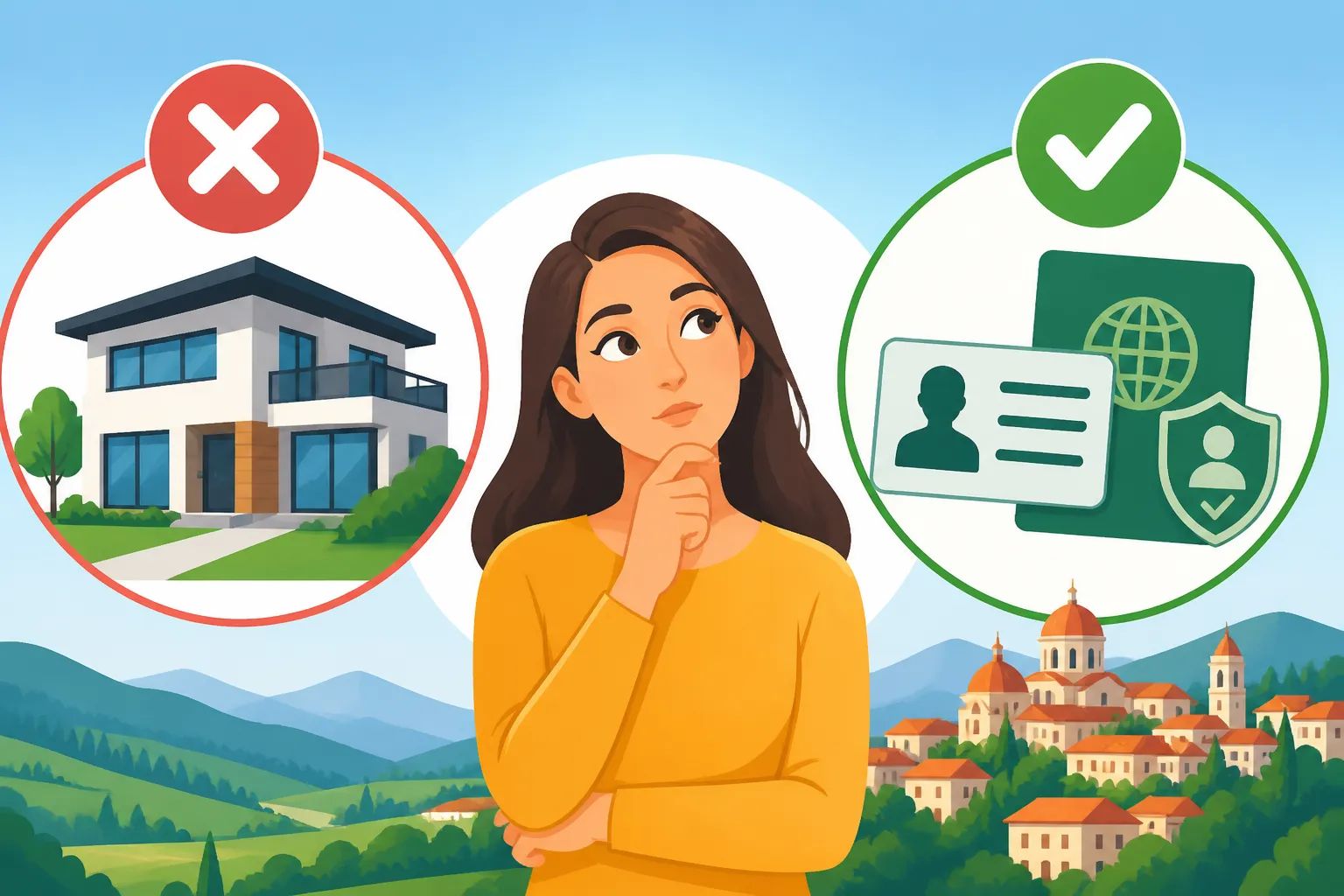
Let's cut right to the chase, because I know you're probably eager for this: no, you absolutely do not need to buy property to get residency in Bulgaria. This is a common myth, perpetuated perhaps by specific investor programs or simply the assumption that proving a stable home is easier if you own it. While owning property can certainly simplify one aspect of your life here – having a stable address – it is by no means a prerequisite for the vast majority of residency types available to foreigners.
The confusion often stems from the fact that for any long-term stay, you do need to demonstrate a stable address. But proving a stable address is not the same as proving ownership. A notarized rental agreement is perfectly sufficient, and often the most common route for new arrivals. Think about it: students, employees, and those simply coming to enjoy the lower cost of living aren't typically expected to purchase real estate immediately upon arrival. The Bulgarian Migration Directorate is much more concerned with your legal basis for being here – your purpose of stay, your financial independence, and your health coverage – than with whether you have a deed in your name.
Understanding the Common Pathways to Bulgarian Residency
Bulgaria offers several well-defined routes for obtaining a long-term residence permit (Type D visa leading to a temporary residence card), and very few of them hinge on property ownership. Let's explore the most common ones that expats utilize, none of which demand you become a homeowner.
Work-Based Residence Permits
If you've managed to secure employment with a Bulgarian company, congratulations, you've unlocked one of the most straightforward pathways. The "Single Permit for work and residence" is a fantastic option for non-EU citizens. Your employer will usually initiate this complex process, which involves proving there isn't a suitable Bulgarian or EU candidate for the role.
The requirements are primarily about your job: a valid employment contract, proof of your qualifications, and the company's registration in Bulgaria. The Migration Directorate will assess your application based on the specifics of your job and your employer's compliance with labor laws. Your housing situation will, of course, need to be stable, but this is easily satisfied by a rental agreement. Many expats I know came here through this route, working in the burgeoning IT and outsourcing sectors in cities like Sofia and Plovdiv. It's a journey that can take some time, so patience is key. You'll want to understand How a Work Permit and Single Permit Work for Non-EU Workers in Bulgaria, as the process can feel like a bureaucratic marathon.
Study Visas and Residence
For those looking to advance their education, Bulgaria's universities offer a surprising number of English-taught programs, especially in medicine and IT. Securing admission to a recognized Bulgarian educational institution is your golden ticket here. Once accepted, you apply for a Type D student visa, which then allows you to apply for a student residence permit upon arrival.
The primary requirement isn't owning a dorm room, but rather proving your enrollment, demonstrating sufficient funds to cover your tuition and living expenses, and having appropriate health insurance. Many students opt for university accommodation or rent private apartments, neither of which involves property ownership. This path is clear-cut and well-trodden, making it an excellent option for younger expats or those seeking a career change. If you're considering this, dive into the details on How to Apply for a Student Residence Permit in Bulgaria.
Financially Independent Persons FIP
This category is a game-changer for many retirees, freelancers, or individuals with passive income. The Financially Independent Person (FIP) visa is incredibly popular because it doesn't require an employer, a business, or an educational enrollment. Instead, it relies on your ability to prove you can support yourself financially without burdening the Bulgarian social system.
The key requirements typically involve demonstrating a stable, sufficient income (often above the minimum wage for a year, deposited in a Bulgarian bank account), having comprehensive private health insurance, and – you guessed it – a valid address in Bulgaria. This address can absolutely be a rental property. Many expats have successfully applied by simply presenting a long-term rental contract for an apartment in a pleasant neighborhood. It's truly a testament to Bulgaria's open arms for those who wish to contribute to the local economy by simply living here. Just be prepared to show those bank statements, proving you’re consistently above the threshold. This route highlights how you truly don't need to own property to move to Bulgaria legally.
Family Reunification
If you have a spouse, parent, or child who already holds a valid residence permit in Bulgaria, you may be eligible to join them under family reunification rules. This pathway focuses on proving your familial relationship and ensuring the primary resident can financially support their dependents and provide adequate housing.
Again, the housing requirement here is about having a place to live, not owning it. The primary resident's rental agreement or property deed (if they own) would be sufficient to cover the family's accommodation needs. The Bulgarian authorities want to ensure families can live together stably, not necessarily as homeowners. For those considering this, understanding How to Sponsor Your Spouse and Children for a Bulgaria Residence Permit is vital.
Self-Employed and Entrepreneur Visas
For the entrepreneurial spirits among you, Bulgaria offers paths for those looking to start their own business or register as a freelancer. This usually involves setting up a company (like an EOOD) or registering as a 'free profession' (свободна професия). The requirements are stringent and demand a clear business plan, sufficient capital, and often the creation of at least ten jobs for Bulgarian citizens – a significant hurdle for many.
However, there's also the option of registering as a 'trade representative' of a foreign company, which can be less demanding than full-blown company formation with job creation requirements. For all these business-related visas, your focus is on the viability of your enterprise and your financial solvency, not on purchasing commercial or residential real estate. Your personal address, once again, can be a rental.
When Property Does Play a Role: Investment and Practicalities
While direct property ownership isn't a universal requirement for residency, there are specific scenarios where it becomes relevant or simply very convenient.
Investment Programs and "Golden Visas"
This is where the myth likely originates. Historically, and to some extent currently, Bulgaria has offered "Golden Visa" programs that can lead to permanent residency or even citizenship through significant investment. However, these are not typically about simply buying a residential apartment. We're talking substantial investments, often in the hundreds of thousands or even millions of euros, directed into government bonds, specific businesses that create jobs, or other strategic economic sectors.
For example, an investment might involve purchasing shares in a Bulgarian company or investing in a state-prioritized infrastructure project. While some programs might allow a portion of the investment to be in real estate, it's rarely the sole qualifying factor and always part of a much larger financial commitment. These programs are designed for high-net-worth individuals, not your average expat moving for a quieter life. So, unless you have a small fortune you're looking to invest in a specific, government-approved manner, this isn't your typical path to residency.
Proving Your Address: The Indispensable Rental Contract
Even if you don't need to own property, you absolutely do need a physical address in Bulgaria. This isn't just a suggestion; it's a non-negotiable requirement for your Type D visa application and subsequent residence permit. Your address forms the backbone of your official registration here.
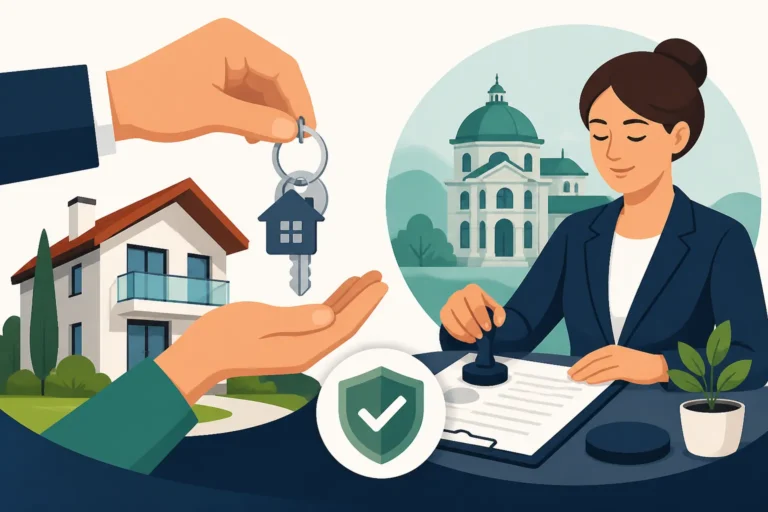
When you apply for your long-stay visa at the Bulgarian embassy in your home country, you'll need to submit proof of accommodation. This is typically a notarised rental contract (найм договор) for a minimum of 12 months, or a declaration from a homeowner stating you'll reside with them. Upon arrival, once your residence permit is granted, you’ll also need to register your address with the local municipality (община), obtaining a certificate called an 'address registration card' (адресна регистрационна карта). This document is crucial for pretty much everything else you'll do, from opening a bank account to getting a local phone number.
Having a robust, legally sound rental agreement is paramount. Don't cut corners here. Ensure your contract is properly drawn up, includes all necessary details, and is signed and notarized. A good rental agent or a lawyer can help ensure this document meets all legal requirements, protecting both you and your landlord. For a deeper dive into this, you'll find much helpful information in The Complete Guide to Renting an Apartment in Bulgaria (2026).
Practical Benefits of Owning Property (Beyond Residency)
While not a residency requirement, owning property in Bulgaria can offer certain practical advantages that many expats eventually appreciate.
- Stability and Control: No more dealing with landlords, rent increases, or the anxiety of a lease not being renewed. You have full control over your living space.
- Potential for Appreciation: While the Bulgarian property market can have its fluctuations, strategic purchases in desirable areas might see your investment grow over time.
- Rental Income: If you buy a larger property or have a second home, you can generate rental income, which could supplement your finances.
- Personalization: You can renovate, decorate, and truly make a space your own without seeking permission.
Many expats I know eventually choose to buy property once they've settled in and are confident about their long-term stay. They often start by renting for a year or two, getting a feel for different neighborhoods and cities before making such a significant financial commitment. Services like Sirelo can be incredibly helpful if you decide to move your belongings once you've found your forever home.
Navigating the Residency Application Process (No Property Required)
So, you're not buying property, but you still need that residence permit. What does the process actually look like? It's largely universal, regardless of your chosen pathway (work, study, FIP), with a few document variations.
Gathering Essential Documents
This is often the most tedious part, but meticulous preparation will save you headaches down the line. You'll need:
- Valid Passport: With at least 18 months validity beyond your intended stay.
- Type D Visa Application Form: Filled out accurately.
- Proof of Funds: Bank statements showing sufficient financial resources for your chosen residency category (e.g., at least the Bulgarian minimum wage for 12 months, if applying as FIP).
- Health Insurance: This is non-negotiable. You need comprehensive private health insurance covering Bulgaria for the duration of your visa/permit. The requirements for this are specific, so make sure to check. Understanding Health Insurance in Bulgaria: NHIF, Private and International Options Explained is a must-read.
- Criminal Record Check: An apostilled certificate from your home country, and any other country you've resided in for the past five years.
- Notarized Rental Contract: As discussed, this is your proof of address.
- Marriage Certificate/Birth Certificate: If applying for family reunification.
- University Acceptance Letter/Work Contract: Depending on your chosen pathway.
- Photos: Passport-sized.
Always, always double-check the exact requirements with the Bulgarian embassy in your country of origin or the Migration Directorate directly, as rules can subtly change. And remember, most foreign documents will need to be translated into Bulgarian by a sworn translator and then apostilled. This can add significant time and cost, so plan accordingly. Getting your documents apostilled for Bulgaria immigration is a step you don't want to rush.
The Role of Health Insurance
For non-EU citizens, securing robust private health insurance is absolutely mandatory before you even apply for your Type D visa. This insurance must cover you for at least a year and usually has a minimum coverage amount (e.g., €30,000). It needs to be valid in Bulgaria and cover emergency medical evacuation and repatriation. Once you have your residence permit and start contributing to the social security system (if employed or self-employed), you'll typically become eligible for the National Health Insurance Fund (NHIF). However, that initial private policy is your gatekeeper. Make sure you don’t confuse the two!
Registering Your Address and Staying Connected
Once your Type D visa is approved and you arrive in Bulgaria, one of your first tasks (after applying for your actual residence permit card at the Migration Directorate) is to register your address with your local municipality. This isn't just a formality; it creates your official link to the Bulgarian system. Without this address registration card, you’ll hit roadblocks for many administrative tasks.
And speaking of feeling connected, a local SIM card is invaluable from day one. While a temporary eSIM from a provider like Airalo can get you online immediately upon landing, you’ll soon want a Bulgarian number for everyday life. Major providers like A1, Vivacom, and Yettel offer various plans, and having a local number makes doctor appointments, deliveries, and bureaucratic processes much smoother.
Here’s a quick overview of some common residency pathways and their relation to property ownership:
| Residency Pathway | Property Ownership Required? | Primary Requirement | Proof of Address Accepted | Key Considerations |
|---|---|---|---|---|
| Work Permit (Single Permit) | No | Job offer from Bulgarian employer, relevant qualifications | Notarized rental contract | Employer handles much of the process; job market demand. |
| Student Visa | No | Acceptance letter from Bulgarian university, funds | University dorm, rental contract | Funds for tuition/living; specific health insurance. |
| Financially Independent Person (FIP) | No | Proof of stable income (e.g., above minimum wage) | Notarized rental contract | Demonstrating financial solvency is critical; private health insurance. |
| Family Reunification | No | Proof of family relationship with resident | Primary resident's address (rental/owned) | Dependent on the primary resident's status and ability to support. |
| Trade Representative | No | Registration of foreign company's representative office | Notarized rental contract | Requires specific business registration and often legal assistance. |
| Investment Visa | Potentially, as part of a larger investment | Substantial investment in specific sectors, bonds | Can be rental or owned property | High financial threshold; specialized legal advice essential; not direct property buy. |
As you can see, the path to residency in Bulgaria is multifaceted, but it overwhelmingly doesn't require you to dive into the property market right away. Focus on securing your legal basis for stay, your finances, and your health coverage, and a comfortable rental home will serve as your perfect base in this charming country.
Disclaimer
The information provided in this article is for general guidance purposes only and does not constitute legal or financial advice. Immigration laws, tax regulations, and healthcare policies in Bulgaria are subject to change. It is highly recommended that you consult with a qualified immigration lawyer, financial advisor, or other relevant professionals for advice tailored to your specific situation before making any decisions related to residency, property, or finances in Bulgaria.