Can I Rent an Apartment in Bulgaria Before I Arrive?
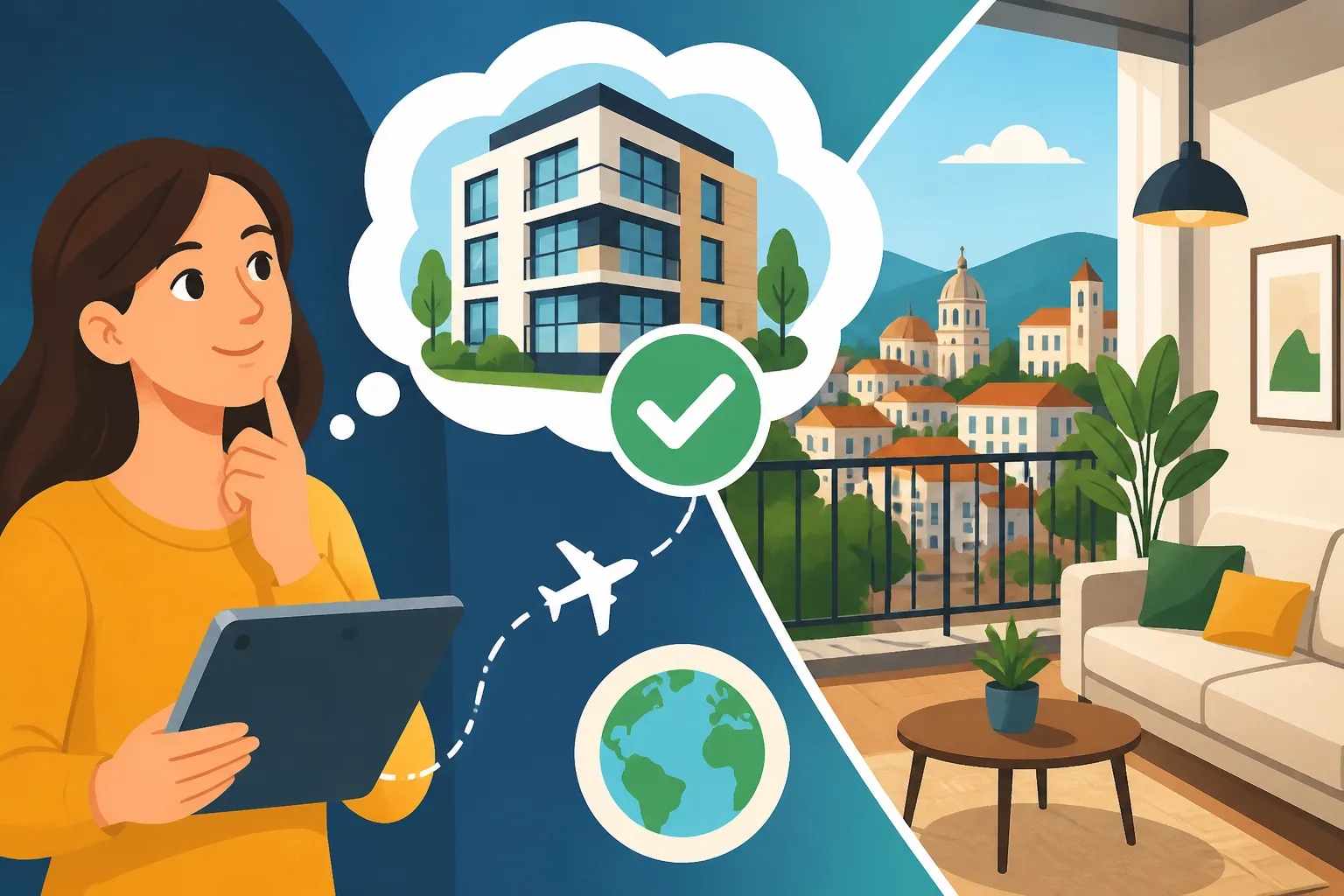
Moving to a new country like Bulgaria is an adventure, but let's be honest, the logistics can be a real headache. One of the biggest worries many expats face is landing in a new city without a place to call home. The question of whether you can realistically rent an apartment in Bulgaria before you even set foot on Bulgarian soil is a common one, fraught with anxiety and uncertainty, and it’s completely understandable why. This guide is here to shed some light on the reality of pre-arrival renting, arming you with the knowledge and strategies to navigate the local market, mitigate risks, and ideally, find your perfect Bulgarian nest.
The Big Question: Is Pre-Arrival Renting Feasible in Bulgaria?
The short answer is: sometimes, but it comes with a fair share of caveats and risks. Unlike some Western European countries or places with highly formalized rental markets, Bulgaria operates a bit differently. Expecting to sign a long-term lease for your ideal apartment from thousands of miles away without a personal connection or a trusted local representative is, to put it mildly, a tall order. However, it's not entirely impossible in certain situations.
Why It's Tricky: The Bulgarian Reality
Navigating the Bulgarian rental market from afar can feel like trying to solve a Rubik's Cube blindfolded. One of the primary reasons it’s so tricky boils down to a few cultural and logistical realities. Firstly, Bulgarians, landlords included, often prefer face-to-face interactions. There’s a strong emphasis on meeting potential tenants, getting a feel for them, and showing the property in person. This personal connection is key to building trust, which is highly valued here. Landlords want to look you in the eye, show you around, and ensure you're a good fit for their property.
Secondly, the digital infrastructure for long-term rentals isn't always as robust or transparent as you might be used to. While there are online portals, many listings lack detailed photos, accurate descriptions, or even current availability. High-quality virtual tours are still a rarity outside of perhaps some luxury or expat-focused developments. This makes it incredibly difficult to assess a property's true condition, its neighbourhood vibe, or even if it genuinely exists, without seeing it firsthand.
Then there’s the language barrier. While younger generations and those in major cities often speak English, many landlords, especially private ones, might not. This can lead to misunderstandings, missed details in contracts, or simply an inability to communicate your needs effectively without a translator.
Finally, the risk of scams. Unfortunately, the internet is rife with opportunistic individuals looking to take advantage of desperate or uninformed foreigners. Demands for upfront deposits without a signed, legitimate contract, properties that look nothing like the photos, or even properties that don't exist at all are real dangers when trying to rent "sight unseen." This reliance on in-person viewing acts as a natural deterrent against many of these fraudulent activities.
When It Might Work: Specific Scenarios
Despite the challenges, there are specific scenarios where securing accommodation before arrival might be more feasible or less risky.
- Corporate Relocations: If you're moving to Bulgaria for a job with a larger international company, they often have established relocation packages or preferred real estate agents who can assist. These agents are typically vetted, understand expat needs, and can act as your trusted representative on the ground, conducting viewings and handling negotiations. In these cases, the company often takes on the initial liability, reducing your personal risk.
- Short-Term and Holiday Rentals: This is by far the most straightforward way to secure accommodation before you arrive. Platforms like Airbnb, Booking.com, or local holiday rental sites are designed for this purpose. You can easily book an apartment for a few days or weeks, giving you a base from which to explore the city, conduct in-person viewings for long-term rentals, and finalize your plans. Many expats choose this route, arriving with a temporary address and then spending their first few weeks house-hunting. It offers peace of mind and avoids the stress of committing to a long-term place without seeing it. Plus, you can often find decent deals for extended stays (e.g., a month) on these platforms.
- Niche Expat Services: A handful of specialized real estate agencies cater specifically to the expat community in major cities like Sofia, Plovdiv, and Varna. These agencies are more accustomed to working with international clients, offering services like virtual viewings, detailed photo albums, and English-speaking staff who can walk you through the process remotely. While they might charge higher fees, the added security and convenience can be worth it, especially if time is of the essence. You'll still need to exercise caution and do your due diligence, but they offer a higher probability of success for pre-arrival long-term renting.
The Risks and Rewards of Renting Sight Unseen
Deciding whether to take the plunge and rent an apartment without seeing it in person is a weighty decision. There are definite upsides, but the potential downsides, especially in a foreign country, are significant.
Potential Pitfalls and Scams
Let's not sugarcoat it: the internet has made it easier than ever for unscrupulous individuals to target foreigners looking for housing. When you're thousands of kilometres away, it's hard to verify anything. Here are some common pitfalls and scams to watch out for:
- Fake Listings: You might see beautifully staged photos of an apartment that simply doesn't exist, or one that looks completely different in reality. The scammer's goal is to get you to send a deposit or the first month's rent. They might claim the property is highly sought after and you need to act fast.
- Misrepresentation of Property Condition: Even if the apartment is real, photos can be old or heavily edited. You could arrive to find a dilapidated unit, broken appliances, or a general state of disrepair that was carefully hidden in the pictures. This is a common frustration, leading to immediate regret and the hassle of trying to move again.
- Non-Existent Properties or Landlords: This is perhaps the most brazen scam. You might deal with someone who purports to be the landlord or an agent, collect your money, and then disappear. You arrive at an address only to find another tenant living there or a building that doesn't match the description.
- Demands for Large Deposits Without Proper Contracts: Be extremely wary of requests for significant sums of money (especially via untraceable methods like Western Union) before a formal, legally binding rental contract, translated into a language you understand, has been signed by both parties. In Bulgaria, a security deposit is usually one or two months' rent, paid after the contract is signed. Any requests that deviate wildly from this should raise a huge red flag.
The Benefits of Securing Accommodation Early If Done Right
Despite the risks, if you manage to secure a legitimate rental before you arrive, the benefits can be immense, significantly reducing the initial stress of relocation.
- Peace of Mind: Knowing you have a definite place to go the moment you land provides unparalleled peace of mind. You avoid the frantic search in an unfamiliar environment, dealing with jet lag, and the pressure of finding something quickly.
- Hitting the Ground Running: With an address sorted, you can dive straight into other essential tasks, like registering with the local municipality, applying for your residence permit, and setting up utilities. This streamlines your initial administrative hurdles.
- Avoiding Temporary Accommodation Costs: Short-term rentals, while convenient, can be expensive, especially if you need to stay for several weeks. Securing a long-term lease directly means you bypass these potentially high costs.
- Knowing Your Address for Visa/Residence Permits: Having a confirmed address is often a requirement for certain visa applications or when registering for your residence permit at the Migration Directorate. This is a crucial piece of the puzzle that can hold up other processes. Getting this sorted beforehand can save you significant time and frustration.
Strategies for a Smoother Pre-Arrival Rental Process
So, if you’re set on finding a place before arrival, or at least setting yourself up for success, here are some strategies that can really make a difference. These methods increase your chances of finding a legitimate rental and reduce your exposure to scams.
Leveraging Trusted Real Estate Agents
This is probably your safest bet if you're determined to secure a long-term rental from abroad. A good real estate agent acts as your eyes and ears on the ground.
- How to Find Reputable Agents: Don't just pick the first one you find online. Ask for recommendations in expat groups on social media (e.g., "Expats in Sofia," "Bulgaria Digital Nomads"). Look for agents who specialize in working with foreigners or have English-speaking staff. Check reviews and look for an established presence.
- What to Look For: A reputable agent will have a professional website, a physical office, and be transparent about their fees. They should be willing to communicate via video calls, send you detailed photos and videos of properties, and answer all your questions. They should also be able to explain the Bulgarian rental contract in detail.
- Questions to Ask:
- What are your fees for tenants? (Typically 50-100% of one month's rent plus 20% VAT, paid by the tenant upon signing).
- Do you have English-speaking staff?
- Can you provide references from other expat clients?
- What is the process for signing a contract remotely?
- Can you help with utility registration once I arrive?
- Do you offer virtual viewings or detailed video walkthroughs?
- The Agent's Role: A good agent will pre-screen properties, negotiate on your behalf, review the rental contract, and ensure all the legalities are in order. They'll also act as a crucial link for communication with the landlord. While an agent's fee can feel like an extra cost, their expertise and ability to navigate the local market and protect your interests can be invaluable, especially when you're not physically present. If you're wondering how to find a reliable real estate agent in Bulgaria, word-of-mouth in expat communities is often the most trusted source.
Short-Term Rentals as a Stepping Stone
For most newcomers, this is the most practical and least risky approach. Instead of trying to secure a long-term lease from abroad, book a short-term rental for the first few weeks.
- Platforms to Use: Websites like Airbnb, Booking.com, or even local Bulgarian equivalents are perfect for this. You can find fully furnished apartments for a week, a month, or even longer.
- Advantages:
- Flexibility: You're not tied to a long-term contract if the area or apartment isn't right.
- Exploration: It gives you time to explore different neighbourhoods, gauge commute times, and get a feel for the local vibe before committing to a permanent location. This is especially helpful if you're deciding between popular expat spots in Sofia, Plovdiv, or Varna.
- In-Person Viewings: You can then attend long-term rental viewings in person, ask questions, inspect the property, and avoid any nasty surprises.
- Initial Address: This temporary address can often be used for initial administrative tasks upon arrival, such as getting a local SIM card. Speaking of which, having immediate connectivity is crucial. Consider getting an eSIM from a provider like Airalo the moment you land, so you're not scrambling for Wi-Fi or a local SIM card while trying to find your short-term accommodation. It’s a small detail that makes a huge difference in those first few hours.
- Choosing Your Temporary Hub: Think about areas that are well-connected by public transport to places you might want to explore for long-term living, or close to your potential workplace.
Utilising Your Network and Expat Communities
Never underestimate the power of connection, especially in a place like Bulgaria where personal recommendations carry weight.
- Facebook Groups and Forums: Join groups like "Expats in Sofia & Bulgaria," "Bulgaria Expats," or "Digital Nomads Bulgaria." Post your situation, what you're looking for, and your arrival date. Often, people are leaving apartments, have landlord contacts, or can recommend trusted agents. Sometimes, you might even find an expat willing to show you apartments on your behalf.
- Word-of-Mouth: If you know anyone already in Bulgaria, tap into their network. They might have friends of friends who are renting out properties or know reliable local agents.
- Cautions: While these communities are incredibly helpful, always exercise caution. Verify any offers independently, and never send money based solely on a forum recommendation. Use these connections to gather information and leads, but proceed with formal checks as you would with an agent. When planning your move, consider services like Sirelo for comparing moving companies, which can also provide peace of mind even if you're not moving into your final home immediately. Knowing your belongings are handled professionally can free up mental space to focus on housing.
Essential Steps and Documents for Renting in Bulgaria
Once you've found a potential apartment, whether remotely or in person, the process for formalizing the rental involves specific steps and documents. Understanding these will protect you.
The Rental Contract (Договор за Наем) Explained
The rental contract, or Договор за Наем (Dogovor za Naem), is the bedrock of your tenancy in Bulgaria. It's vital to understand its contents thoroughly.
- Key Clauses: The contract should clearly state:
- Parties Involved: Full names, ID numbers (passport, residence permit), and addresses of both landlord and tenant.
- Property Description: Address, size, condition, and any inventory of furnishings.
- Rent Amount and Payment Schedule: The exact monthly rent, when it's due, and the preferred payment method (bank transfer is common and recommended for a paper trail).
- Security Deposit: The amount (typically 1-2 months' rent) and the conditions under which it will be returned. Make sure these conditions are clear.
- Duration of Tenancy: Most contracts are for one year, often with an automatic renewal clause unless notice is given.
- Notice Period: The amount of time either party must give to terminate the contract (usually 1-3 months).
- Utility Responsibilities: Who is responsible for paying which utilities (almost always the tenant).
- Maintenance Responsibilities: Who pays for repairs (usually the landlord for structural issues, tenant for minor wear and tear).
- Importance of a Bulgarian Speaker/Translation: If you don't speak Bulgarian fluently, do not sign a contract without a professional translation or having a trusted, fluent Bulgarian speaker review it with you. Even if an English version is provided, ensure it aligns perfectly with the Bulgarian legal text, as the Bulgarian version will be the legally binding one. This is a critical step to avoid future disputes, especially regarding your deposit. For more detail, you can check out our guide on how to sign a rental contract in Bulgaria.
- Registration with the NRA: While not always done, landlords are legally obliged to register rental contracts with the National Revenue Agency (NRA). This protects both parties and makes it an official document.
What Documents You'll Need
When applying for or signing a rental contract, landlords or agents will typically ask for a few standard documents from you.
- Passport: Your valid passport is essential for identification.
- Residence Permit (if applicable/obtained): If you already have your Bulgarian residence permit (Lichna Karta), this will be required. If not, your visa or proof of your application for residence may suffice, but this can be a hurdle for some landlords.
- Proof of Funds/Income: Landlords may ask for proof that you can afford the rent. This could be a bank statement, an employment contract, or a letter from your employer.
- The Chicken-and-Egg Problem: This is a common expat frustration: you need an address to apply for a residence permit, but some landlords prefer you to have a residence permit before renting. This is where a short-term rental or a very understanding agent/landlord becomes invaluable. They can sometimes be flexible if you show proof of your visa application or employment contract. Don't worry too much about what documents you need to rent an apartment in Bulgaria before arriving, as your passport is the key initial piece.
Practical Tips for Property Viewing and Verification
Given the inherent risks of renting unseen, how can you reduce them even if you can't be there in person? Technology and trusted proxies are your best friends.
Virtual Tours and Video Calls
In the age of ubiquitous video calls, it's easier than ever to get a 'feel' for a place without physically being there.
- How to Request Them: If working with an agent, insist on a live video tour via WhatsApp, Zoom, or similar. Don't settle for pre-recorded videos if you can avoid it, as they can be edited.
- What to Pay Attention To:
- Lighting and Noise: Ask the agent to open curtains, turn on lights, and open windows. Listen for street noise, neighbour noise, etc.
- Condition of Appliances and Fixtures: Ask them to zoom in on the oven, fridge, bathroom fixtures. Ask if everything is working.
- Water Pressure: If possible, ask them to run the taps in the kitchen and bathroom, and flush the toilet to check water pressure and drainage.
- Storage Space: Often overlooked, ask to see cupboards, wardrobes, and any utility closets.
- Exterior and Common Areas: Request a quick pan of the building exterior, entrance, and any common areas to assess their condition and security.
- Neighbourhood Vibe: Ask the agent to step outside and show you the immediate street, pointing out nearby shops, parks, or public transport stops.
- Red Flags During Virtual Tours: Be wary if an agent rushes through the tour, avoids showing certain areas, refuses to answer specific questions, or if the connection "mysteriously" drops when you ask to see a particular detail.
Sending a Trusted Representative
This is the gold standard for pre-arrival renting if you can't be there yourself.
- Who Can Be Your Representative:
- A Friend or Family Member Already in Bulgaria: Ideal, as they know you and your preferences.
- Your Real Estate Agent: This is part of their service. A good agent will act on your behalf as if they were viewing for themselves.
- A Lawyer: For an added layer of legal security, especially if you're uncomfortable with the agent or the property seems complex. A lawyer can review the contract and inspect the property for legal issues.
- Power of Attorney Considerations: If your representative needs to sign anything on your behalf (which is generally not recommended for a rental contract, as you should sign it yourself, but might be needed for other administrative tasks), you'll need to grant them a notarized Power of Attorney (Пълномощно – Palnomoshtno). This is a legal document giving them specific authority to act for you. Ensure it's clear and limited to exactly what they are authorized to do.
Costs Associated with Renting in Bulgaria
Understanding the financial outlay involved in renting is key to budgeting for your move. It's more than just the monthly rent.
Initial Outlay: Deposit, First Month's Rent, and Fees
When you first secure an apartment in Bulgaria, expect to pay a few lump sums upfront.
- Security Deposit: This is almost universally required. Typically, it’s equivalent to one or two months' rent. This deposit is held by the landlord to cover any damages beyond normal wear and tear, or unpaid utility bills at the end of your tenancy. Ensure the conditions for its return are clearly stipulated in your rental contract. You might be asking, how much deposit do I need to rent in Bulgaria? Generally, plan for two months' rent as a safe estimate.
- First Month's Rent: You'll need to pay the first month's rent upfront when you sign the contract and take possession of the property.
- Agent Fees: If you use a real estate agent, they will charge a fee. This is commonly 50% to 100% of one month's rent, plus 20% VAT (Value Added Tax). So, if your rent is 500 BGN, an agent might charge 500 BGN + 100 BGN VAT = 600 BGN as their fee. This is a one-time payment upon signing the contract.
Let's look at a hypothetical scenario for a 500 BGN/month apartment:
| Item | Typical Cost (BGN) | Notes |
|---|---|---|
| Security Deposit | 1000 | Equivalent to 2 months' rent, common practice. |
| First Month's Rent | 500 | Due upon signing the contract. |
| Agent Fee (+ VAT) | 600 | 100% of one month's rent + 20% VAT. This varies, often 50-100%. |
| Total Initial Outlay | 2100 BGN | (Approx. €1075) – This is a significant upfront cost to budget for. |
Ongoing Expenses: Utilities and Maintenance
Beyond the rent, you'll be responsible for monthly utility bills and possibly minor maintenance.
- Utilities: These are generally not included in the rent and will be your responsibility. They include:
- Electricity: Can vary significantly based on consumption and season (heating/cooling). How much does electricity cost per month in Bulgaria? For a small to medium apartment, expect anywhere from 50 BGN to 200+ BGN, especially in winter.
- Water: Relatively inexpensive.
- Heating: This can be a major cost, especially in winter. Many apartments in cities use central heating (ТEЦ – TEC), which is metered. Others use electric heaters, air conditioners (for heating/cooling), or gas. Understanding water and heating bills in Bulgaria is crucial before signing anything, so ask your agent or landlord.
- Internet and TV: You'll set these up separately with a local provider.
- Building Maintenance Fees: For apartments in blocks, there might be a small monthly fee for common area cleaning, lift maintenance, etc., typically 10-30 BGN.
- Average Utility Bill: What is the average utility bill for an apartment in Bulgaria? For a one-bedroom apartment, you might budget around 150-300 BGN per month, but this is highly variable based on usage, building efficiency, and heating type.
- Maintenance: For minor issues like changing lightbulbs or fixing a leaky tap, it's usually the tenant's responsibility. For major issues like a broken boiler or structural problems, the landlord is typically responsible. Clarify this in your contract.
Key Areas and Considerations for Expats
Choosing where to live is just as important as how you rent. Bulgaria offers diverse options, each with its own charm and practicalities.
Choosing the Right City or Neighbourhood
Bulgaria has a lot to offer, from bustling cities to tranquil coastal towns. Your lifestyle, work, and preferences will dictate the best fit.
- Sofia: The capital city, offering the most job opportunities, international schools, diverse restaurants, and cultural activities. It's often the first choice for expats. Neighbourhoods like Lozenets, Ivan Vazov, Doctor's Garden, and parts of Studentski Grad (for younger crowds) are popular.
- Plovdiv: Bulgaria's second-largest city, known for its rich history, Roman ruins, and vibrant arts scene. It's generally more relaxed than Sofia, with a lower cost of living. Kapana district is popular for its bohemian atmosphere. If you're looking for how to find an apartment to rent in Plovdiv, local Facebook groups and agents are your best bet.
- Varna and Burgas: Major Black Sea coastal cities, popular for summer tourism but also offer a relaxed pace of life year-round, especially if you enjoy the sea. They have international communities but fewer year-round expat-specific services than Sofia.
- Other Areas: Smaller towns and rural areas offer incredibly low costs of living and a taste of traditional Bulgarian life, but with fewer amenities and often a significant language barrier.
For a deeper dive, read our guides on what are the best cities to live in Bulgaria and what are the best neighbourhoods for expats in Bulgaria.
Furnished vs. Unfurnished: What to Expect
The vast majority of rental apartments in Bulgaria come furnished.
- Furnished: This usually means a bed, sofa, dining table, chairs, wardrobe, and basic kitchen appliances (fridge, oven/hob, sometimes a microwave or washing machine). The quality and style can vary wildly, from dated Soviet-era furniture to modern, stylish interiors. This is convenient for expats, saving you the hassle and cost of buying furniture immediately.
- Unfurnished: These are much rarer, typically found in newer, larger apartments aiming for a long-term, professional tenant market or for families who want to bring their own furniture. If you find one, it might just come with kitchen cabinets and bathroom fixtures, leaving everything else for you to provide.
- What's Typically Included: Even in furnished apartments, expect to bring your own linens, towels, and kitchen utensils unless specifically agreed upon. It’s always best to clarify the exact inventory with your landlord or agent. If you want more details, check out our piece on understanding furnished vs unfurnished rentals in Bulgaria.
Post-Arrival: Getting Settled in Your New Home
Once you've arrived and moved into your apartment, there are still a few crucial steps to fully settle in and ensure everything is legally above board.
Registering Your Address and Utilities
These tasks are vital for your residence permit and smooth living.
- Registering Your Address: As a foreigner with a long-stay visa or residence permit, you are legally required to register your address with the local municipality (mestna direktsia) within a certain timeframe (usually 3 or 7 days, depending on your visa type). Your landlord typically needs to accompany you or provide a notarized declaration. This registration is critical for everything from getting your residence permit card to opening bank accounts.
- Transferring Utility Contracts: It's highly recommended, almost essential, to transfer the utility contracts (electricity, water, heating) into your name. This protects you from the landlord's previous debts and gives you direct control over payments. Your landlord should assist you with this. They'll need to accompany you to the respective utility companies (e.g., EVN, CEZ, Energo-Pro for electricity, Sofiyska Voda for water). We have detailed guides on how to set up electricity after moving to Bulgaria, how to set up internet in my Bulgaria home, and how to set up water and heating in Bulgaria, which are excellent resources for this stage. Remember, having immediate phone data is a lifesaver for navigating these initial bureaucratic steps; another great moment for that Airalo eSIM.
The Importance of a Protocol (Приемо-предавателен Протокол)
This document is your best friend when it comes to protecting your security deposit.
- What it Is: A Приемо-предавателен Протокол (Priemo-predavatelen Protokol), or handover protocol, is a detailed inventory and condition report of the apartment and its contents at the time you move in. It should list every piece of furniture, appliance, and fixture, noting its condition (e.g., "new," "scratched," "working," "broken"). It should also include readings from all utility meters.
- Why it's Important: Both you and the landlord should sign and date this document. It serves as undeniable proof of the apartment's state when you took possession. When you move out, you'll use this same protocol to compare the condition of the apartment. This helps prevent disputes over damages you didn't cause and ensures the fair return of your security deposit. Do not underestimate the value of this document. Take photos or videos of everything on move-in day as well, to back up the protocol.
Disclaimer
The information provided in this article is intended for general guidance only and does not constitute legal or financial advice. While we strive to provide accurate and up-to-date information, local laws, regulations, and market conditions in Bulgaria can change rapidly. Always consult with a qualified local real estate agent, lawyer, or financial advisor for advice tailored to your specific situation before making any decisions related to renting property in Bulgaria.