How Do I Set Up Electricity After Moving to Bulgaria?
Oh, the joys of moving to a new country! One of the first, and often most baffling, hurdles you'll face is getting your utilities sorted. Trust me, I’ve been there, staring blankly at a Bulgarian electricity bill that looks like an alien script, while trying to figure out if my lights are about to go out. Don't worry, my friend, you're not alone. This comprehensive guide will walk you through exactly how to set up electricity in your new Bulgarian home, whether you're renting or buying, cutting through the confusion so you can power up your life with minimal stress.
Understanding Bulgaria's Electricity Landscape
When you first arrive, it might seem like electricity is just electricity, right? But in Bulgaria, it’s a bit more nuanced than that. Unlike some countries with a competitive market, Bulgaria operates with regional monopolies for electricity distribution and supply. This means you don't get to shop around for the cheapest provider; you're assigned one based on your geographical location. Knowing who your provider is, and a few key terms, is your first step to sanity.
The Main Electricity Providers in Bulgaria
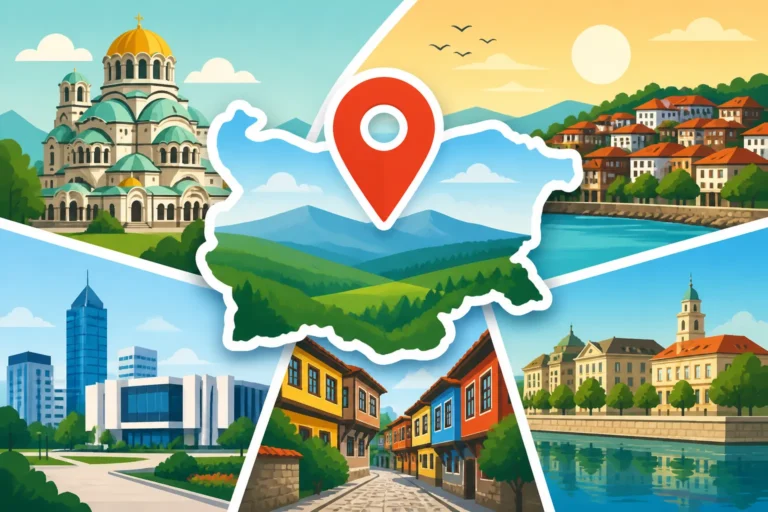
Bulgaria is carved up into three main territories, each served by a specific electricity company. These aren't interchangeable, so your address will dictate who you deal with.
First, there's Electrohold (formerly CEZ Distribution and CEZ Electro Bulgaria). If you're settling in the western part of the country, including the capital city of Sofia, the vibrant city of Pernik, or towns like Blagoevgrad, chances are you'll be dealing with Electrohold. They cover a significant portion of the population and are often the first point of contact for many expats moving to Sofia and the surrounding regions. Their offices are usually busy, but they do have an online presence that can be helpful once you get past the initial setup phase.
Next, we have EVN Bulgaria. For those of you heading south-east, towards cities like Plovdiv, Stara Zagora, Burgas, or even down to the beautiful coastal regions, EVN will be your electricity gatekeeper. Plovdiv, with its ancient history and growing expat community, is a prime EVN territory. They manage a large network and have customer service centers in all major cities within their coverage. Like Electrohold, navigating their system initially can be a challenge, especially if your Bulgarian isn't quite fluent yet.
Finally, there’s Energo-Pro Sales. This company serves the northeastern part of Bulgaria. If your new adventure takes you to Varna, Veliko Tarnovo, Rousse, or Dobrich, then Energo-Pro is your provider. Varna, a popular coastal city for expats, falls squarely in their jurisdiction. While all these companies operate under similar regulatory frameworks, their customer service approaches and online systems can vary slightly. It’s important to identify your specific provider as early as possible.
Key Terminology to Know
The Bulgarian language can feel like a labyrinth, especially when it comes to administrative jargon. To successfully set up your electricity, you absolutely must grasp a few key terms. Trust me, learning these will save you a world of headaches.
The most crucial term you'll encounter is клиентски номер (clientski nomer), which translates to "customer number." This is your unique identifier with the electricity provider. Every time you call, visit an office, or access their online portal, this number will be requested. It’s like your personal ID for your electricity account. Without it, you’re just another voice in the crowd, and you’ll find it incredibly difficult to get anything done.
Equally important is the партиден номер (partiden nomer), or "meter number." This number uniquely identifies your specific electricity meter. Sometimes it's printed directly on your meter, or it can be found on previous electricity bills for that address. When you're trying to transfer an existing contract, linking the customer number to the correct meter number is vital to ensure you're taking over the right account. Misidentifying this could lead to all sorts of complications, like paying for your neighbour’s usage!
You'll also hear the term абонат (abonat), which simply means "subscriber" or "customer." It's a general term referring to whoever holds the electricity contract. When you register, you become the new abonat. Furthermore, be prepared for префактуриране (prefakturirane), or "re-invoicing." This is a common occurrence if meter readings aren't submitted on time or if the previous owner had estimated bills. It means they're recalculating past consumption, which can sometimes result in surprisingly large bills if not handled proactively. Finally, you’ll be dealing with a договор (dogovor), which is your contract. It's the legal document outlining your agreement with the electricity provider. Always ensure you receive a copy and understand its terms. Having a trusted Bulgarian friend to help you review it can make a big difference, especially when you're just getting your bearings in Bulgaria.
Step-by-Step Guide to Transferring or Registering Electricity
Now, let's get down to brass tacks. The process varies slightly depending on whether you're renting a place that already has electricity connected or if you've bought a property and need to set up a brand-new connection. Both scenarios have their quirks, and I've stumbled through both, so listen up!
If You're Renting an Already Connected Property
This is the more common scenario for most new arrivals. You've found your dream apartment, signed a rental contract, and now you just need the lights to come on. Ideally, your landlord should have an existing electricity contract for the property. The goal here is to transfer the abonat (subscriber) name on that contract from the landlord (or previous tenant) to your name.
First, you'll need a handful of documents. Essential among these will be your valid ID – usually your passport and your Bulgarian residence permit, if you have it already. If you're just arriving, a long-stay Type D visa might suffice for initial steps, but a residence permit is gold. You'll also need a copy of your signed rental contract (договор за наем), which clearly states your name, the address of the property, and the start date of your tenancy. This contract is your proof that you legally occupy the premises. Crucially, try to get a copy of the previous electricity bill for the property. This bill will contain the all-important клиентски номер and партиден номер, which will streamline the transfer process immensely. Without it, you'll be giving the customer service representative a huge headache trying to locate the correct account. Finally, you and your landlord should take a clear, agreed-upon meter reading on the day you take possession. This is paramount to ensure you don't end up paying for the previous occupant's consumption.
With these documents in hand, you (or ideally, you and your landlord) need to visit the local customer service office of the relevant electricity provider (Electrohold, EVN, or Energo-Pro). Be prepared for a wait, especially during peak hours. If your landlord accompanies you, they can facilitate the transfer much more smoothly. They will essentially be signing off the account, and you will be signing on. If the landlord can't come, they might need to provide a power of attorney or a signed declaration agreeing to the transfer. In the office, you'll fill out a form, present your documents, and they'll initiate the transfer. You might not walk out with a new contract in hand immediately, but they should be able to confirm the process has started. Keep any receipts or confirmation numbers they give you.
Now, a word of caution: sometimes landlords are reluctant to change the name on the electricity bill, preferring to keep it in their name and having you reimburse them. While this might seem easier, it's a huge red flag. It means you have no direct control over the account, could be liable for their debts, and if they disappear or neglect payment, your electricity could be cut off. Always push for the account to be in your name. If you're stuck in this situation, ensure your rental contract explicitly details the arrangement for utility payments and how meter readings will be verified. This can be a tricky negotiation, but it's vital for your peace of mind. Getting your personal documents in order for living in Bulgaria is always a priority, and this is no exception.
If You're Buying Property or Starting Fresh
If you've taken the plunge and bought a home in Bulgaria, or if you're moving into a newly built property that's never had a service connection, the process is a bit different. It’s often more involved, but it gives you a clean slate, which can be a blessing.
For those buying property, the first step is similar to renting: you'll need your ID (passport and residence permit), and crucially, your Deed of Title (Нотариален акт). This document proves you are the legal owner of the property. Just like with renting, try to get the previous owner's electricity bill or, at the very least, their клиентски номер and the партиден номер for the property. This allows for a clean transfer of the existing connection into your name. Take a definitive meter reading on the day of sale, with the previous owner if possible, and document it thoroughly. This prevents any disputes over past consumption and ensures you only pay for what you use from your ownership date forward. This is a common point of contention, so be firm and clear about it.
If you're dealing with a brand-new connection – perhaps a newly built house or one that was previously disconnected for a long period – the process can be more complex. You'll still need your Deed and ID. However, the electricity provider might require an on-site inspection by a technician to ensure the property's electrical installation meets current safety standards and can handle a new connection. This might involve an electrical safety certificate from a licensed electrician. You’ll also likely need to apply for a completely new contract, which will involve more paperwork and potentially an initial connection fee. The waiting time for this can vary, so it’s wise to start this process as soon as your property purchase is finalised.
In some rarer cases, if the property was disconnected, you might need to coordinate directly with the electricity provider for reconnection. This usually involves paying a reconnection fee and ensuring all previous debts associated with the meter number are cleared. Again, having the previous owner’s information, even if it’s just their name and contact, can help resolve any outstanding issues quickly. This is where local knowledge truly shines, and having a good real estate agent or a Bulgarian friend who can assist with communications can be invaluable. Navigating the Bulgarian bureaucracy system can be quite challenging, so be prepared for some back-and-forth.
Navigating the Bureaucracy and Practicalities
Once you understand the general process, the actual execution still requires a bit of grit and patience. Bulgarian bureaucracy, while improving, can still feel like trying to run through treacle. But with the right mindset and preparation, you'll get there.
Required Documents and Where to Get Them
Let's consolidate the document list because getting it right the first time saves multiple trips and a lot of frustration. For almost any interaction with your electricity provider, you’ll need:
- Your Passport and Residence Permit: Always have both the original and several photocopies. If you don't yet have a residence permit, your long-stay Type D visa and passport will be required. For EU citizens, your registration certificate from the Migration Directorate is your key document.
- Rental Contract (Договор за наем) or Deed of Title (Нотариален акт): This is proof of your legal right to occupy or own the property. Again, originals and copies. Ensure the address on the document exactly matches the property where you’re setting up electricity.
- Previous Electricity Bill or Account Information: If available, this is your golden ticket. It contains the клиентски номер and партиден номер. If you don't have a physical bill, ask the landlord or previous owner for these numbers.
- Initial Meter Reading: A clear, dated photograph of the meter reading agreed upon when you took possession of the property. Both you and the landlord/seller should ideally sign off on this.
- Your Bulgarian Personal Number (EGN/LNCH): If you're an EU citizen, you'll have an EGN (Единен граждански номер). If you're a non-EU citizen with a residence permit, you'll have an LNCH (Личен номер на чужденец). This number is crucial for all official registrations and linkages. If you don't have one yet, consult this guide on How Your Residence Status Affects NHIF Enrolment in Bulgaria as getting your personal number is often intertwined with other registration processes.
Regarding copies and translations, it's always safer to have photocopies of everything. While translations aren't typically required for standard utility contracts if your original documents are in a common language like English, for anything more complex or if you're dealing with a very strict clerk, a certified translation might be requested. It’s always best to ask in advance if you anticipate any issues.
Dealing with Customer Service and Language Barriers
Ah, the language barrier! This is where many expats hit a wall. While some larger branches of Electrohold, EVN, and Energo-Pro, particularly in Sofia, Plovdiv, or Varna, might have English-speaking staff, it's not guaranteed. You might find yourself communicating through gestures, Google Translate, or a very patient local.
My best advice? Bring a Bulgarian speaker with you. Whether it's a friend, a colleague, your real estate agent, or even a professional translator for a crucial first visit, having someone who can communicate clearly on your behalf will save you immeasurable stress. They can explain your situation, ask the right questions, and ensure you understand the answers and the documents you're signing. This is especially true for the initial setup, which often requires in-person interaction.
Once you have an account set up and receive your клиентски номер, you might find their online portals more accessible. Most providers have some form of online account management where you can view bills, submit meter readings, and check your consumption. While these portals are often primarily in Bulgarian, with a browser translator tool like Google Translate, they become much more manageable for routine tasks. However, for any complex issues or the initial registration, nothing beats human interaction with a Bulgarian speaker by your side. Remember, a mobile data plan from a provider like Airalo can be invaluable for real-time translation and access to online resources during these outings.
Understanding Your First Electricity Bill
Once you’re finally connected, your first bill will arrive – either physically in your mailbox or digitally if you’ve opted for e-bills. This is another moment that can feel overwhelming, but once you break it down, it's manageable.
Bulgarian electricity bills are pretty standard. They’ll usually state your клиентски номер, партиден номер, and the period the bill covers. You’ll see a breakdown of your consumption in kilowatt-hours (kWh). What’s crucial to note is that Bulgaria often employs a day/night tariff system. This means electricity consumed during the day (usually 7 AM to 11 PM) is charged at a higher rate than electricity consumed during the night (11 PM to 7 AM). Your bill will show separate readings and charges for "дневна" (day) and "нощна" (night) consumption. Make sure your meter reflects these two readings.
The bill will also detail the various components: the cost of the electricity itself, charges for network access and distribution, VAT (currently 20% in Bulgaria), and a small fee for renewable energy. All these sum up to your total amount due (обща сума за плащане). It's always a good idea to check the meter readings on the bill against your own physical meter readings to ensure accuracy. Discrepancies can occur, and it's easier to address them early on. If you're concerned about unexpected costs, our guide on The Cost of Healthcare in Bulgaria: A Complete Breakdown for Foreigners (2026) might help you contextualize where utility costs fit into your overall budget.
Payment, Meter Readings, and Troubleshooting
Alright, you’re connected, you’ve received your bill – now how do you pay it without getting disconnected? And what happens when things inevitably go wrong? Let’s talk practicalities.
How to Pay Your Electricity Bills in Bulgaria
Paying bills in Bulgaria, once you know the ropes, is surprisingly convenient. There are several popular methods, but one stands out for ease of use.
The absolute hero for utility payments in Bulgaria is EasyPay. These bright orange kiosks are everywhere – in supermarkets, shopping malls, standalone shops – and they’re incredibly efficient. To pay, simply provide your клиентски номер to the clerk, who will then pull up all outstanding bills for your account. You can pay with cash or often with a debit card. You’ll get a stamped receipt, which is your proof of payment. It’s quick, easy, and you don’t need to speak much Bulgarian beyond saying "EasyPay" and handing over your details. This service is a lifesaver for many expats.
Beyond EasyPay, you can also pay directly at the customer service offices of your electricity provider, which is fine if you're already there for another reason, but less convenient for routine payments. Bank transfers are another option, though these can be slower to process and sometimes incur fees depending on your bank. Many Bulgarian banks, such as DSK Bank or UniCredit Bulbank, also offer online banking portals where you can set up recurring payments or pay individual bills. This is a good option if you prefer to manage everything digitally. Finally, you can often set up direct debit (known as директен дебит or автоматично плащане) through your bank, where the bill amount is automatically deducted from your account each month. This is the most hassle-free option once everything is set up.
Timely payment is crucial. Bulgarian utility companies are fairly strict, and late payments can quickly lead to penalties or even disconnection. Typically, you have about 10-14 days from the bill issue date to pay. Don't let it slide!
Submitting Meter Readings
Submitting your meter readings regularly is vital to avoid those dreaded estimated bills and subsequent "re-invoicing" surprises. Your electricity provider will have a specific period each month when they collect readings, usually clearly indicated on your bill or their website.
You can typically submit your readings through several channels:
- Online Portal: Most providers have an online customer portal where you can enter your meter readings. This is often the most convenient method once you're registered.
- Phone: They will have a dedicated phone number for meter readings. Be prepared for automated systems, often only in Bulgarian.
- Physical Offices: You can visit a customer service office and submit your reading in person.
- Dedicated Kiosks/Terminals: Some providers have self-service terminals in their offices or other locations where you can enter your readings.
If you fail to submit your reading, the provider will issue an estimated bill based on your historical consumption. While this is convenient, it can be inaccurate. The next time a reading is actually taken (either by you or their technician), they will "re-invoice" you, adjusting your bill based on actual consumption. This can mean a surprisingly high bill if their estimates were low, or a credit if they were high. To maintain control and predictability over your expenses, make it a habit to submit your readings every month. It’s part of understanding The Complete Guide to Cost of Living in Bulgaria for Expats (2026).
Common Issues and How to Resolve Them
Even with the best intentions, things can go wrong. Power outages, incorrect bills, or even disconnections happen. Knowing how to react can save you a lot of grief.
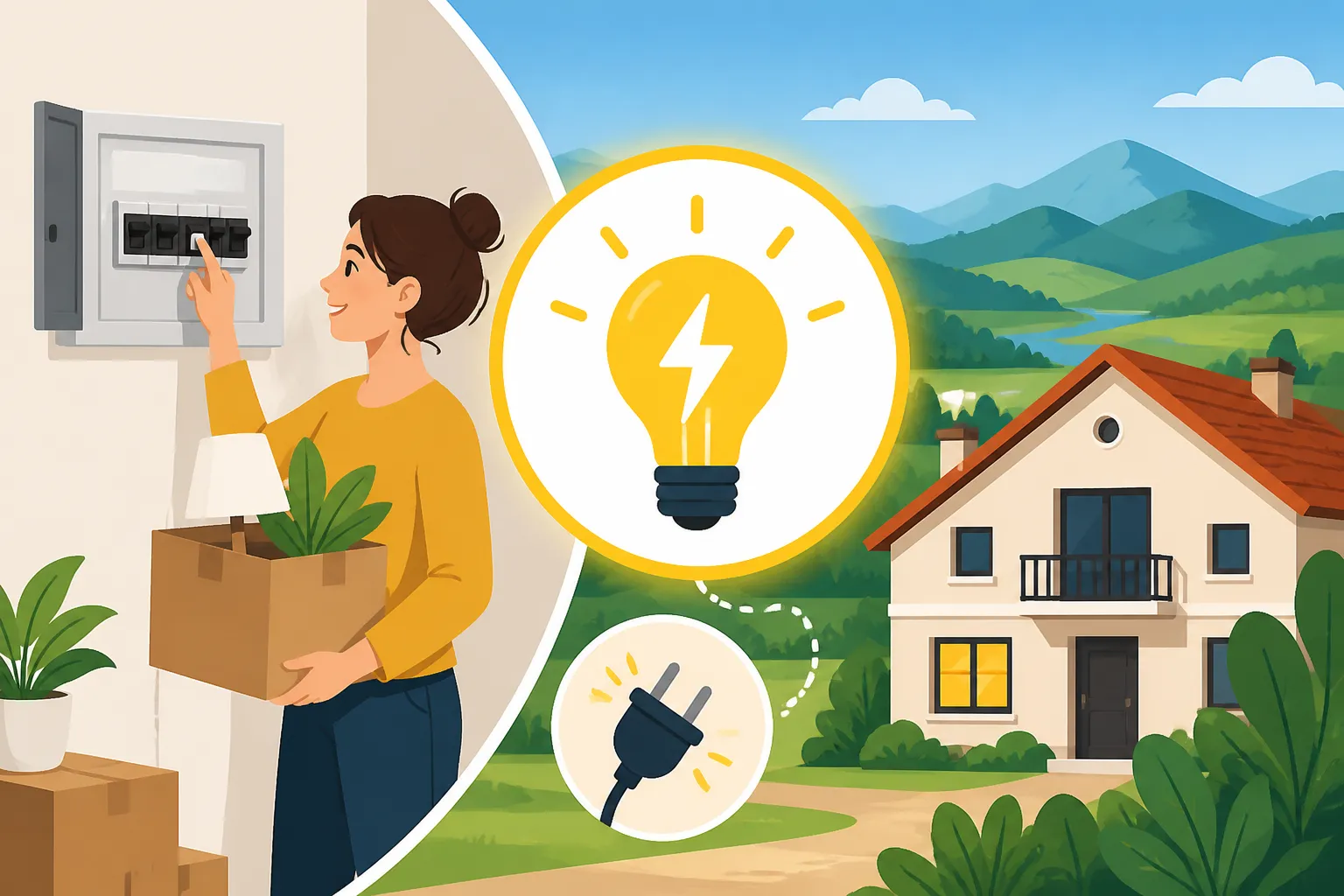
Power Outages: These can happen due to maintenance, bad weather, or local faults. For widespread outages, check your provider's website, as they often post updates. For localised issues, your first point of contact should be the national emergency number 112, but for specific electricity faults, you can also call your provider's dedicated emergency line. These numbers are usually on your bill. Be prepared for automated messages or limited English. If you’re experiencing a sudden, isolated power cut, first check your circuit breakers (your предпазители or fuses) in your apartment’s electrical panel. Sometimes it's a simple overload.
Incorrect Bills: If you believe your bill is wrong – perhaps the meter reading is vastly different from what you submitted or recorded – gather all your proof (your meter reading photo, previous bills) and contact customer service immediately. This is another instance where a Bulgarian speaker is incredibly helpful to clearly articulate the problem. You might need to visit an office in person to show your evidence. Keep all communications documented.
Disconnection: If your electricity is cut off due to non-payment, don't panic, but act swiftly. You'll need to pay all outstanding bills, including any reconnection fees. Once payment is confirmed (keep your EasyPay receipt!), contact customer service to request reconnection. It can take anywhere from a few hours to a few days for the power to be restored. This is a situation you definitely want to avoid, as it’s inconvenient and costly. Having a reliable communication method, like a phone with service even if your home internet is down, is vital. Remember, if you use a mobile service, services like Airalo offer eSIMs that can keep you connected globally, a useful backup for unforeseen situations abroad.
Smart Tips for Expats
We have gathered a few tips to make life easier in Bulgaria, and setting up utilities is certainly one area where these insights come in handy.
Getting Help with the Process
I cannot stress this enough: for the initial setup of anything bureaucratic in Bulgaria, leverage local help. Whether it's a friend, a colleague, your real estate agent, or even a trusted Bulgarian neighbour, having someone who speaks the language and understands the local system is invaluable. They can decipher forms, make phone calls on your behalf, and accompany you to offices. This isn't about being helpless; it's about being strategic. The system isn't designed for English speakers, and trying to navigate it alone can lead to unnecessary frustration and delays. Many real estate agents, especially those catering to expats, will offer utility setup assistance as part of their service. Don't hesitate to ask for it. When planning your move, consider using a service like Sirelo, which helps you find reputable international movers, as they often have local partners who can provide initial guidance or recommendations for such administrative tasks.
If you don't have a personal contact, consider hiring a local assistant or a lawyer for an hour or two. They can often get things done much faster and more accurately than you could on your own. It might seem like an extra expense, but the peace of mind and time saved are often well worth it. This applies not just to electricity but to other things too, like getting your internet and mobile service set up.
Energy Efficiency and Cost Savings
Bulgaria generally has affordable electricity compared to many Western European countries, but consumption can add up, especially during the harsh winters or hot summers. Being mindful of your energy usage can save you a considerable amount of money.
Heating is the biggest electricity consumer for many households, particularly if you rely on electric radiators or air conditioning units in older, less insulated buildings. If your property has central heating or gas, those are generally more cost-effective. If not, consider investing in energy-efficient appliances. Using the "night tariff" for high-consumption activities like running the washing machine or dishwasher can also significantly reduce your costs. Small changes like turning off lights when you leave a room, unplugging electronics, and ensuring windows and doors are well-sealed for insulation can make a difference. Many apartments in Bulgaria also benefit from double-glazed windows, which are a boon for both heating and cooling efficiency.
Regularly monitoring your meter readings, even outside the official submission period, can also help you understand your consumption patterns and adjust your habits accordingly. Being proactive about managing your utilities is a key part of smart living in Bulgaria. For more tips on managing your home, check out our guide on How to Set Up Electricity in Your Bulgaria Home.
| Electricity Provider | Service Area (Major Cities) | Online Portal / Contact Info (General) | Payment Methods (Common) |
|---|---|---|---|
| Electrohold | Western Bulgaria (Sofia, Pernik, Blagoevgrad) | electrohold.bg (website), Customer Service Phone | EasyPay, Bank Transfer, Online Portal, Office |
| EVN Bulgaria | Southeastern Bulgaria (Plovdiv, Stara Zagora, Burgas) | evn.bg (website), Customer Service Phone | EasyPay, Bank Transfer, Online Portal, Office |
| Energo-Pro Sales | Northeastern Bulgaria (Varna, Veliko Tarnovo, Rousse) | energo-pro.bg (website), Customer Service Phone | EasyPay, Bank Transfer, Online Portal, Office |
Remember, while these are the general service areas, always confirm your specific provider with your landlord, real estate agent, or by checking a previous bill for your address. This table offers a simplified overview; always refer to the provider's official channels for the most current and specific details.
Disclaimer
The information provided in this guide is for general informational purposes only and does not constitute legal, financial, or professional advice. While we strive to keep the information up-to-date and accurate, regulations and processes in Bulgaria can change without notice. Always consult with official sources, relevant authorities, or professional advisors for specific guidance regarding your individual situation. We assume no responsibility for any loss or damage incurred as a result of relying on this information.